




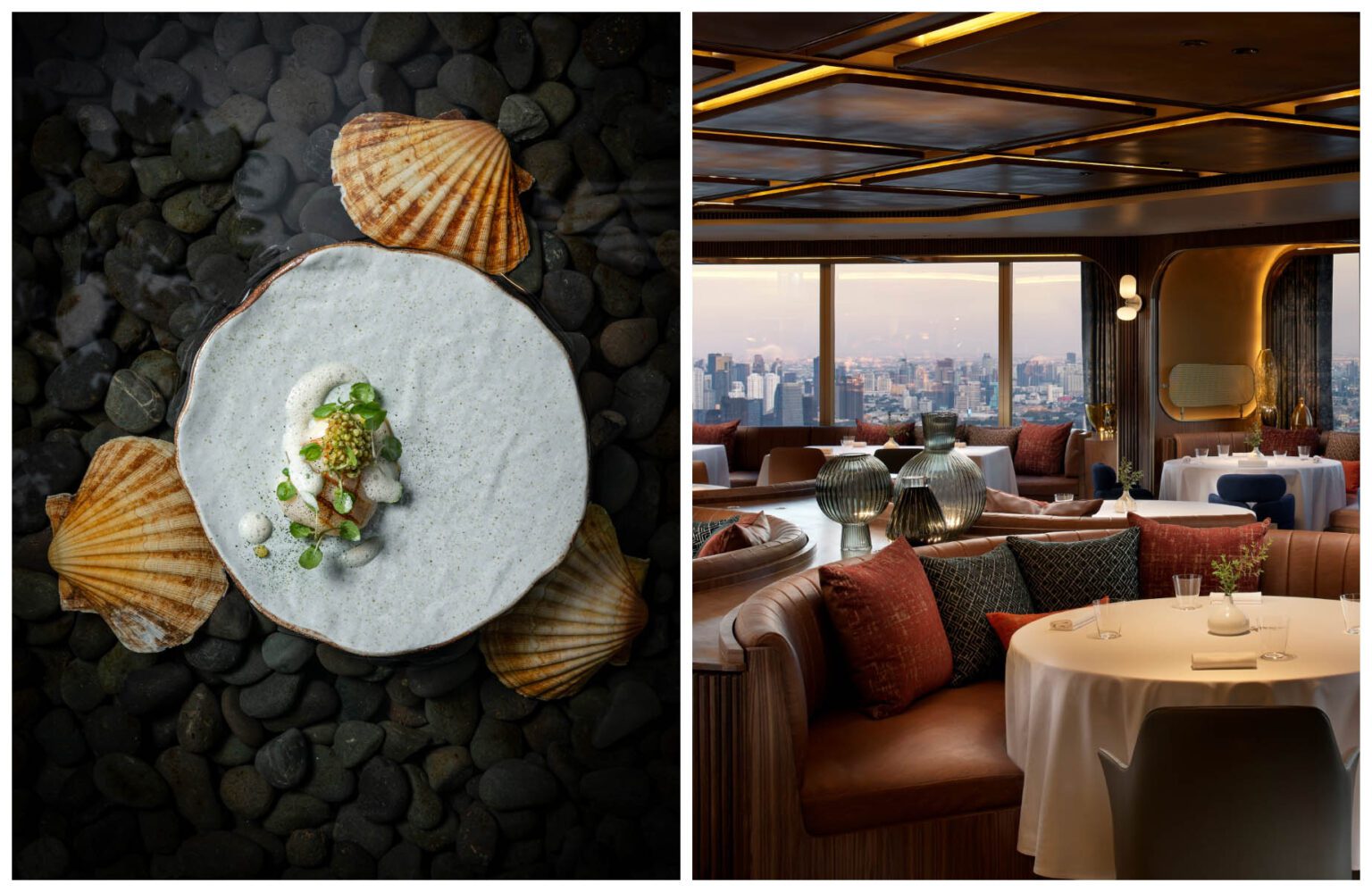
This doesn’t sound like a list of trends that will soon fade away. It’s more a story about how our approach to food is changing: less flash, more substance. Restaurants around the world are increasingly moving away from chasing a single big idea. On the contrary, they’re more often developing their own style — calmer, more mindful, and closer to their guests. According to the Michelin Guide, it’s this diversity, rather than one dominant trend, that best describes gastronomy in the coming year. Here are 7 culinary trends for 2026 according to Michelin. Which of them will prove successful?
Instead of yet another “revolution” on the plate, we’re seeing a return to the basics: fire, time, and flavor that doesn’t have to shout to be remembered. The 7 culinary trends of 2026 aren’t just boxes to tick, but a shift in tone — the kitchen is no longer a display of power, but the start of a conversation.
7 culinary trends in 2026 according to Michelin
Fire takes center stage once again
This is most evident in the way of cooking. The flame is making a comeback not as a flashy gadget, but as a tool that gives dishes character. In restaurants from Scandinavia to South America, you can increasingly smell smoke, hear the crackle of wood, and see chefs who no longer hide behind steel and glass. Fire not only cooks — it creates atmosphere and turns dinner into an experience, not just a meal.
Classics in a new light
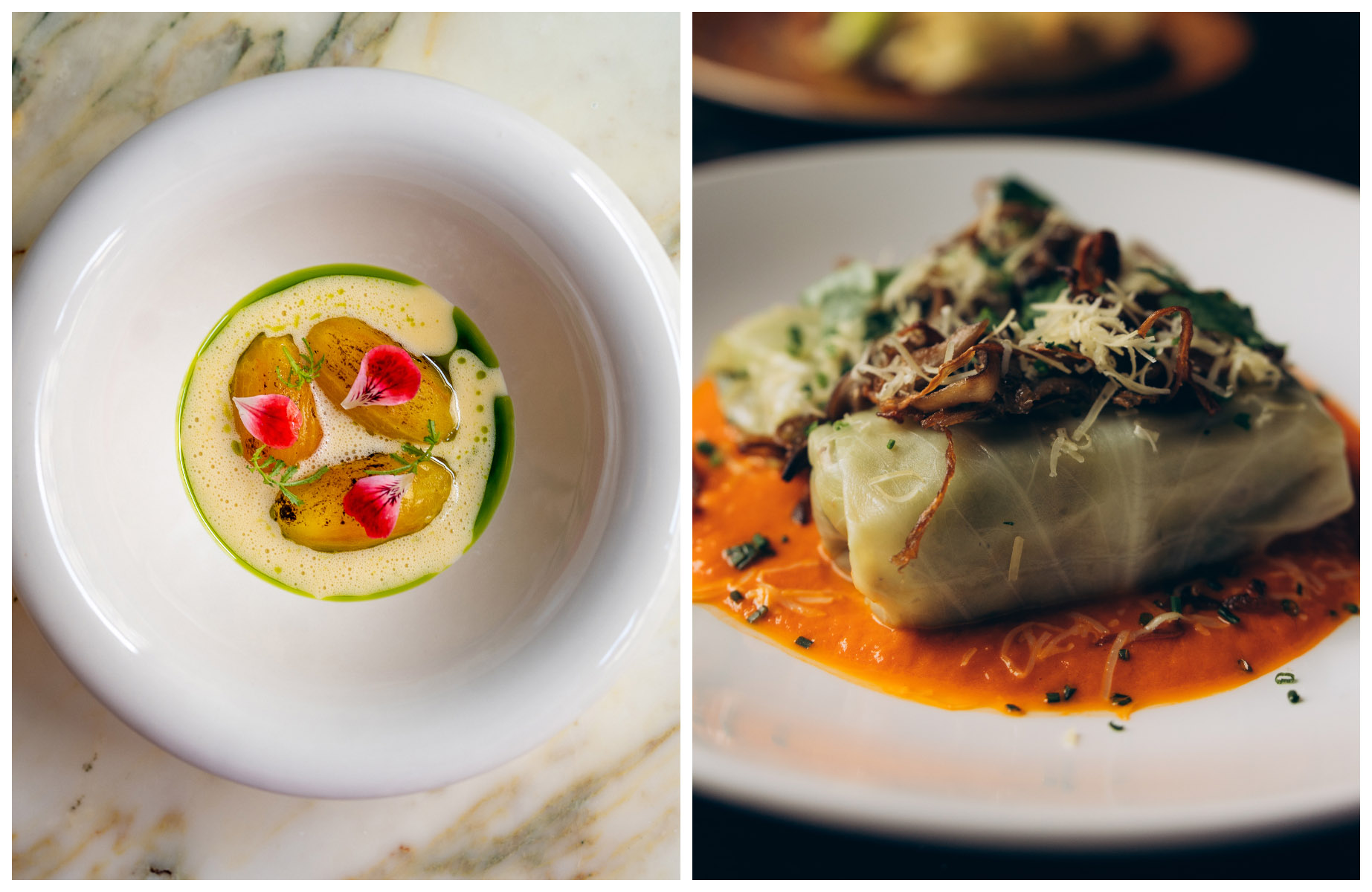
At the same time, the approach to tradition is evolving. Classic dishes are not disappearing, but are undergoing a subtle transformation. Heaviness is replaced by lightness, excess by precision. This is a cuisine that doesn’t force modernity, but instead gives familiar flavors new room to breathe. In this spirit, the 7 culinary trends of 2026 show that the future doesn’t always mean breaking with the past — sometimes, it’s enough to simply refresh it.
A taste that doesn’t rush to make a first impression
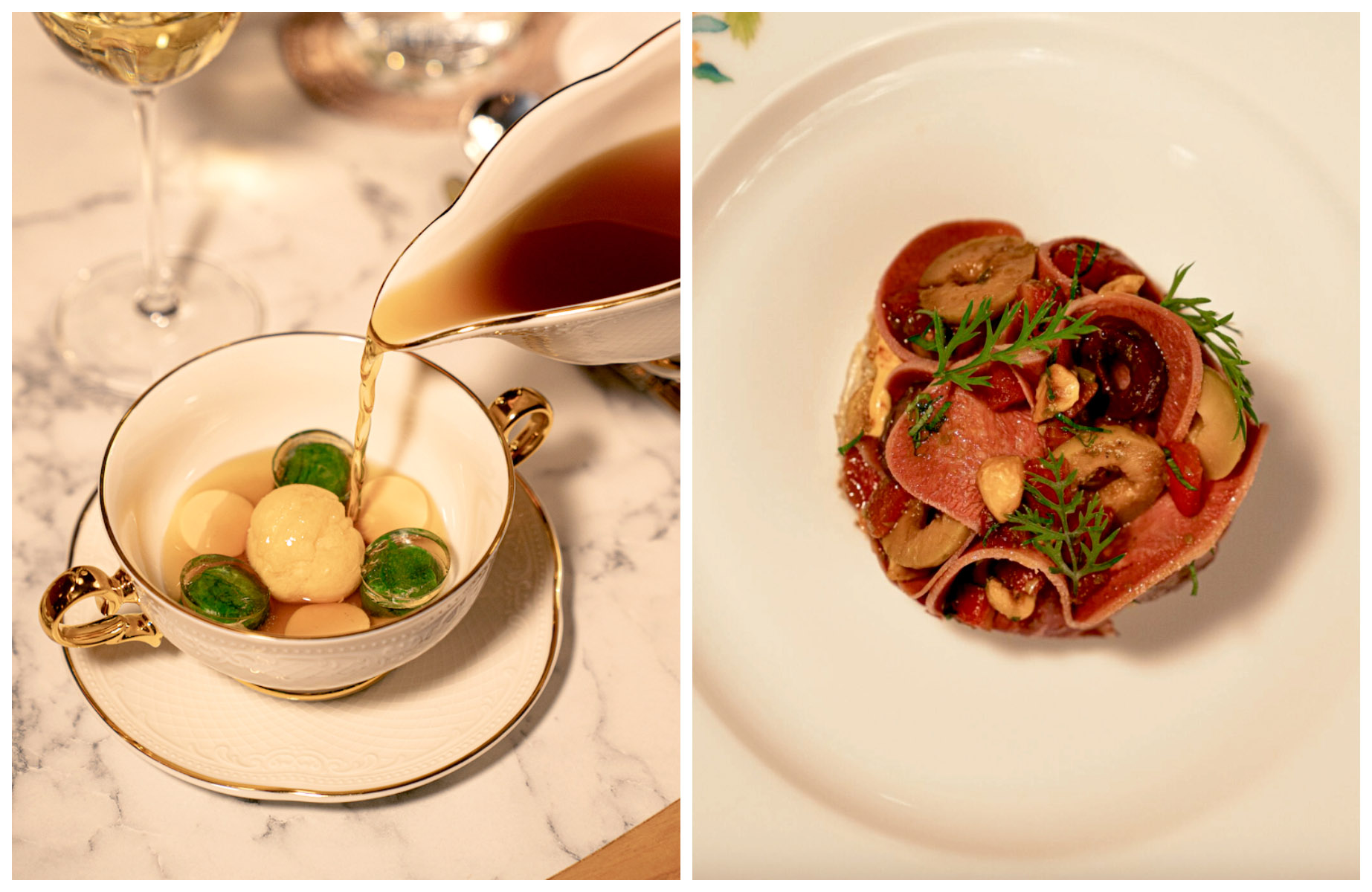
Taste matures as well. More and more often, bitterness and depth reign on the plate, flavors that don’t try to win you over from the very first bite. Endive, radicchio, ferments, and mature broths build the character of dishes without cheap showiness. This is cuisine for those who prefer intrigue over obviousness. And if you add tea used as a spice or fermentation making its way even into desserts, it’s clear that the 7 culinary trends of 2026 tell a story of courage in tasting.
Time – an ingredient that cannot be rushed
Time also plays an important role — an ingredient that cannot be bought in bulk. Marinating, aging, slow fermentations make food stop being a “ready now” product and become a process. Restaurants are increasingly saying it outright: good things require patience. And it is this very philosophy that is beginning to set the rhythm of contemporary gastronomy.
Nostalgia that tastes contemporary
On the other end of the spectrum, simplicity emerges—far from being banal. The French bistro is experiencing a renaissance: eggs with mayonnaise, blanquette, and classic desserts are returning in versions true to tradition, yet served with fresh energy. This proves that nostalgia in cuisine doesn’t have to mean turning back the clock; instead, it can be a way to find common ground with guests.
Restaurant as a stage
What happens beyond the plate is also changing. The service is no longer just a background but becomes part of the restaurant’s story. In some places, service trolleys and dishes finished at the table are making a comeback; in others, there’s a relaxed atmosphere at the counter, where the chef and guest are within arm’s reach. Today, it’s not only about what we eat, but also how we feel while doing so.
A new map of flavors
Finally — culinary geography. Eyes are still turned towards France and Japan. However, there is growing talk about Bangkok and Chinese metropolises as places where new important ideas are emerging. Chefs are migrating, inspirations are circulating faster than ever, and guests are reaping all the benefits.
7 culinary trends for 2026 according to Michelin. Less noise, more meaning
So if you’re wondering where gastronomy is heading, the answer is simpler than it seems. It’s not about a single trend or the next wow effect. It’s about authenticity, the courage of simplicity, and flavors that linger in your memory longer than the perfect Instagram photo. And that’s exactly why the 7 culinary trends for 2026 are worth reading not as a forecast. On the contrary, it’s worth treating Michelin inspirations as an invitation to eat more consciously. To seek out places that are truly alive, not just on phone screens.
