




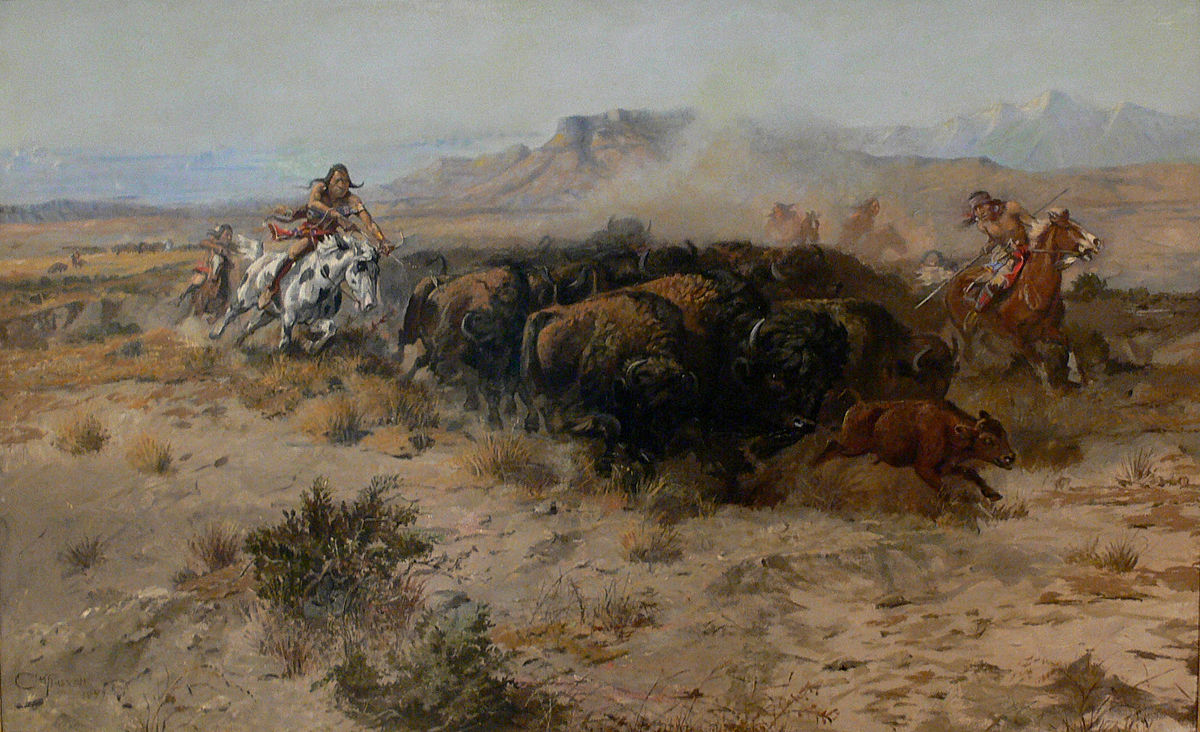
When Christie’s announces an auction of works by Charles Marion Russell, it sparks the imagination of collectors, museum curators, and art enthusiasts around the world. The market is about to see pieces by an artist who not only documented the American West, but also helped shape its myth — the visual foundation of the United States’ identity.
Russell is among the select few artists whose works transcend the category of “western art.” His paintings are regarded as cultural testimonies of an era. They serve as records of the moment when America was defining itself—its borders, its relationships with Indigenous peoples, and its vision of freedom and untamed nature.
Charles Marion Russell. An artist who knew the Wild West from the inside
Charles Marion Russell was not an outsider. Before becoming a renowned artist, he worked as a cowboy and rancher in Montana. His firsthand experience of frontier life, harsh winters, daily labor, and interactions with Native Americans gave his work a sense of authenticity. That’s something no studio can replicate.
That’s why his paintings — winter marches, hunting scenes, depictions of Native American tribes — are not a sentimental illustration of legend, but a realistic, often stark portrait of a world that was vanishing. Russell painted America at a moment of transition. Suspended between history and myth.
Christie’s and Western art in the top league
The auction at Christie’s confirms that western art has long occupied the top tier of the art market. Russell’s works regularly appear in New York alongside names central to the canon of American art. Their presence in this auction house’s offerings is a mark of museum-level prestige.
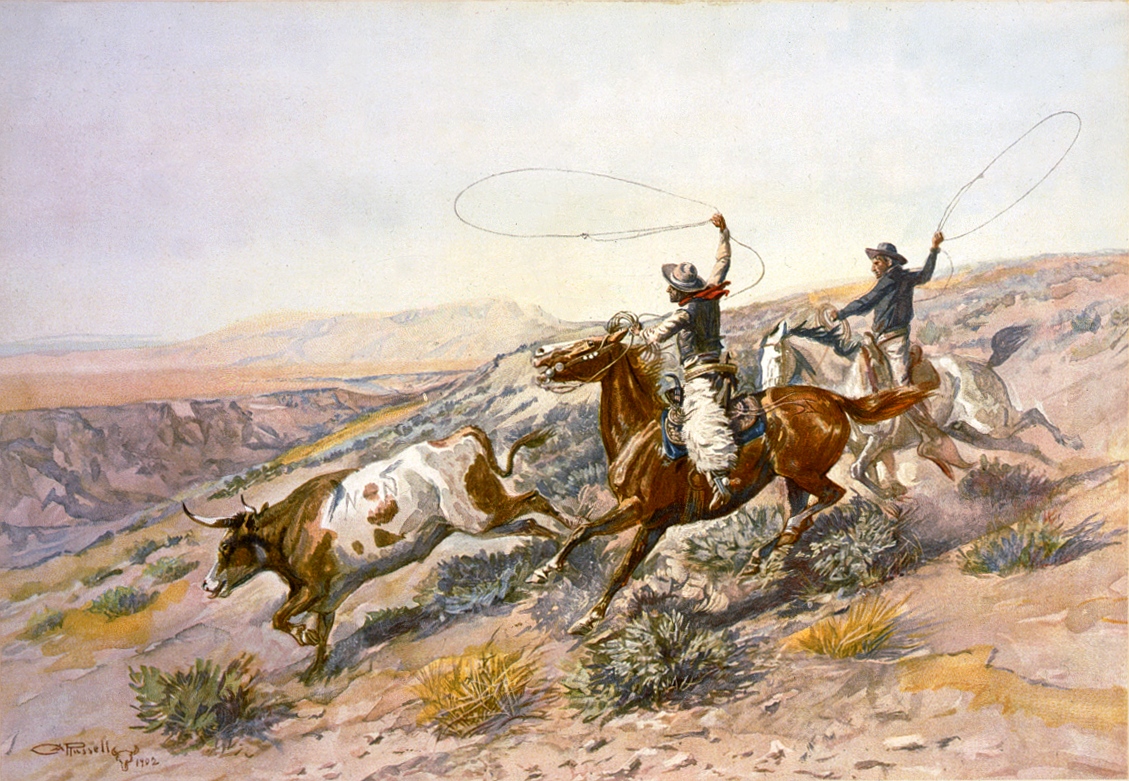
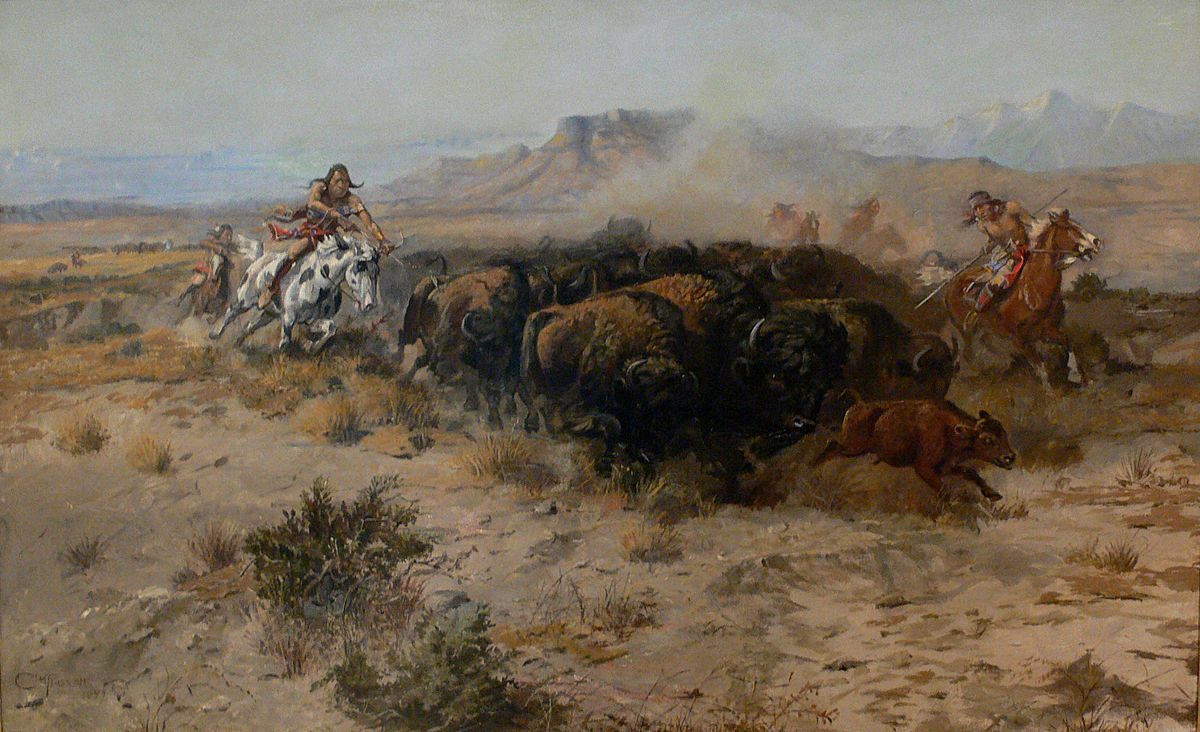
photo: Charles Marion Russell christies.com
It is Christie’s that gives this auction its international dimension. Russell’s works attract not only American collectors. They also draw buyers from Europe and Asia, for whom images of the Wild West have become symbols of American freedom, expansion, and cultural power.
Prices, prestige, and market significance
The market for works by Charles Marion Russell is among the most stable in the American art segment. Auctions feature both small sketches or watercolors valued at lower amounts, as well as outstanding oil paintings. The latter can fetch prices in the range of $5–6 million. Such results place Russell firmly among the top “blue chip” artists, on par with Frederic Remington.
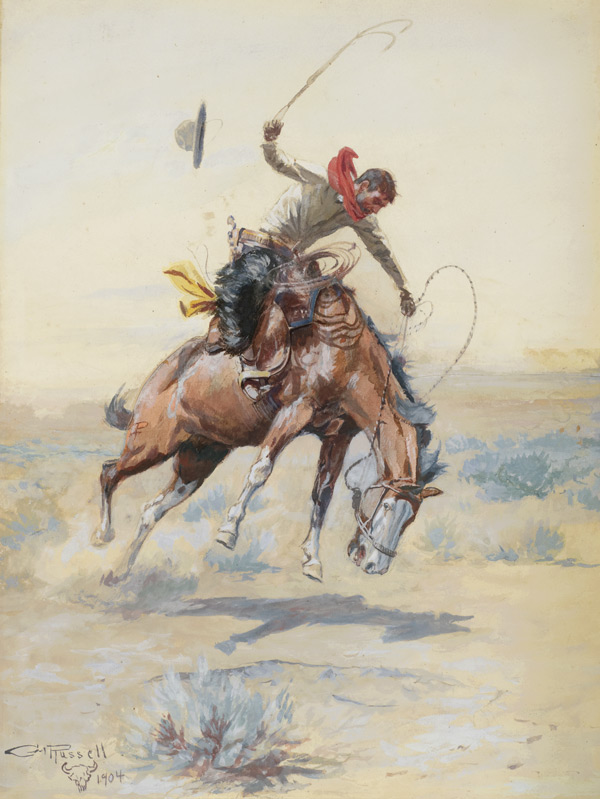
High prices here are not the result of a passing trend. They reflect lasting interest from collectors, as well as the belief that Russell’s works hold long-term value—both artistic and collectible.
Paintings as national heritage
Russell’s work has been present for decades in the most important museum institutions in the United States. His pieces function almost as national icons—visual counterparts to the stories told in textbooks. Yet they are free from pathos and simplification.
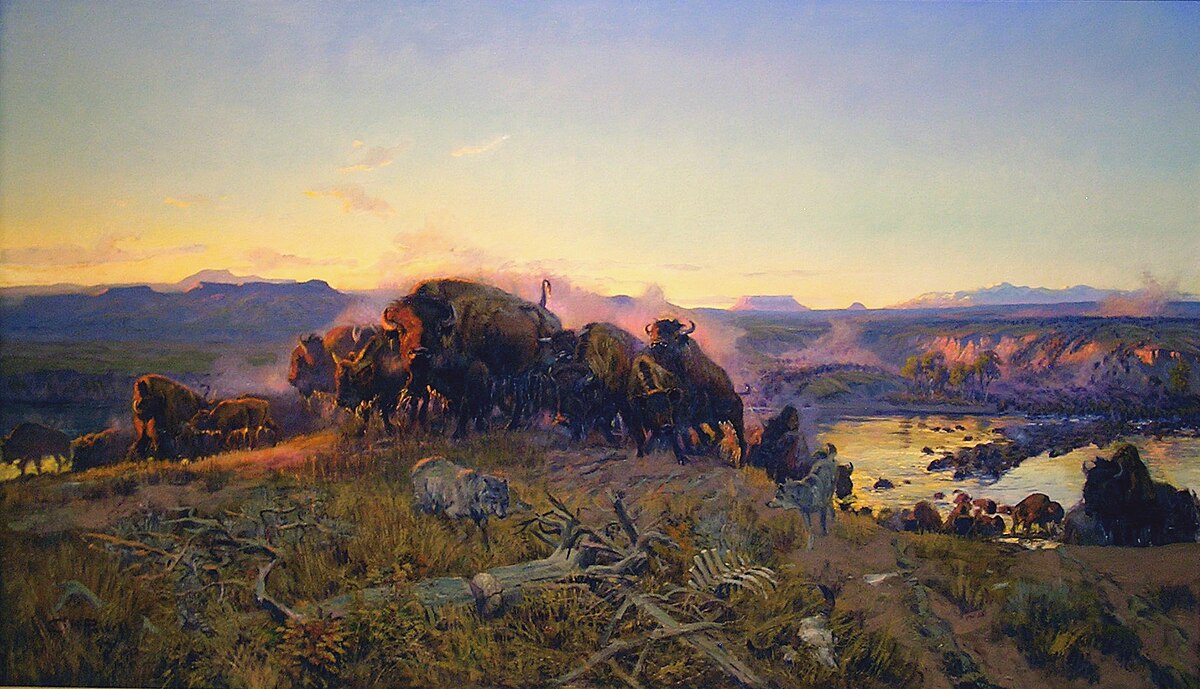
The auction at Christie’s is therefore more than just a market event. It’s a moment when works that are part of America’s cultural heritage re-enter circulation. They change hands. They join new collections. That’s why they begin new chapters in their history.
Why this auction matters
The auction of works by Charles Marion Russell is a reminder of the enduring power of the classics. It shows that paintings rooted in history, experience, and authenticity never lose their relevance.
This is a significant event for collectors, as it offers access to works with an almost museum-level status. It’s important for the market, as it confirms the stature of western art as one of the most recognizable segments of American art. And it’s culturally significant, because it shows that America’s identity—captured on Russell’s canvases—still moves, inspires, and holds real value.
