




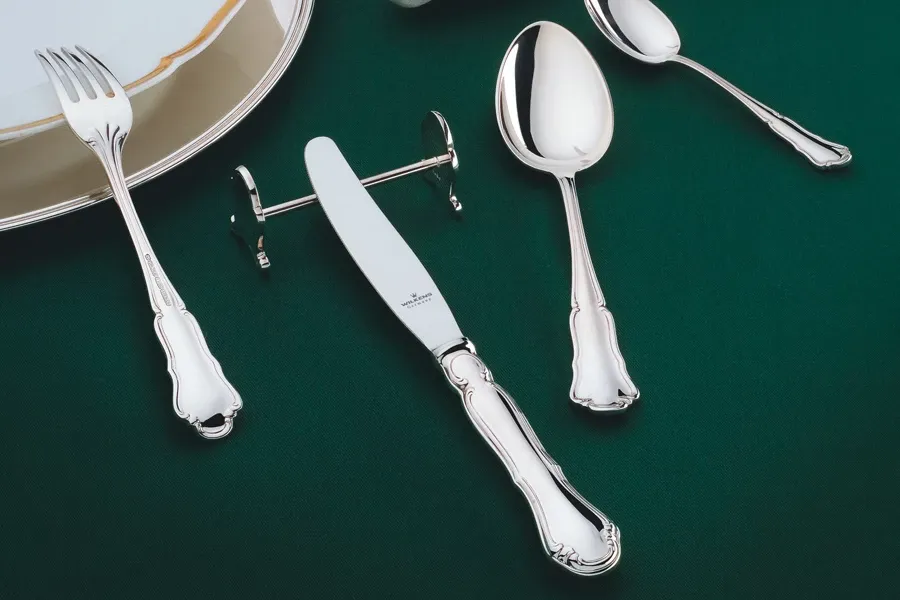
Wondering if it’s worth bringing out your grandmother’s silver-plated cutlery for a holiday dinner? Or maybe you’re considering buying an elegant set at a vintage sale? The question immediately comes to mind: “But is it even safe?” And you know what? That’s a perfectly valid concern—especially nowadays, when we constantly hear about harmful materials in tableware, lead in crystal, or cadmium in colorful ceramics.
Are silver-plated cutlery healthy and why is it worth having them?
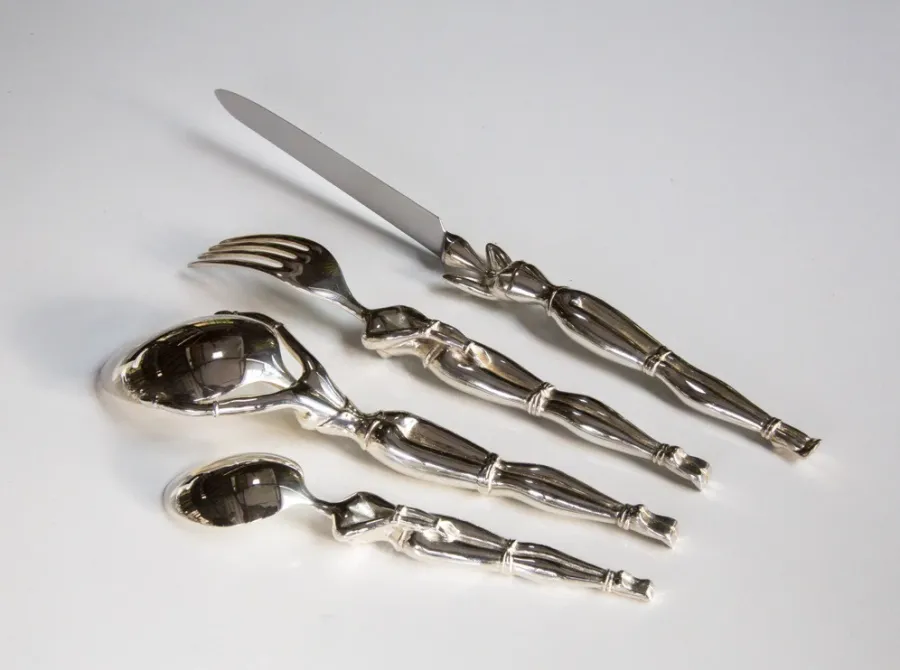
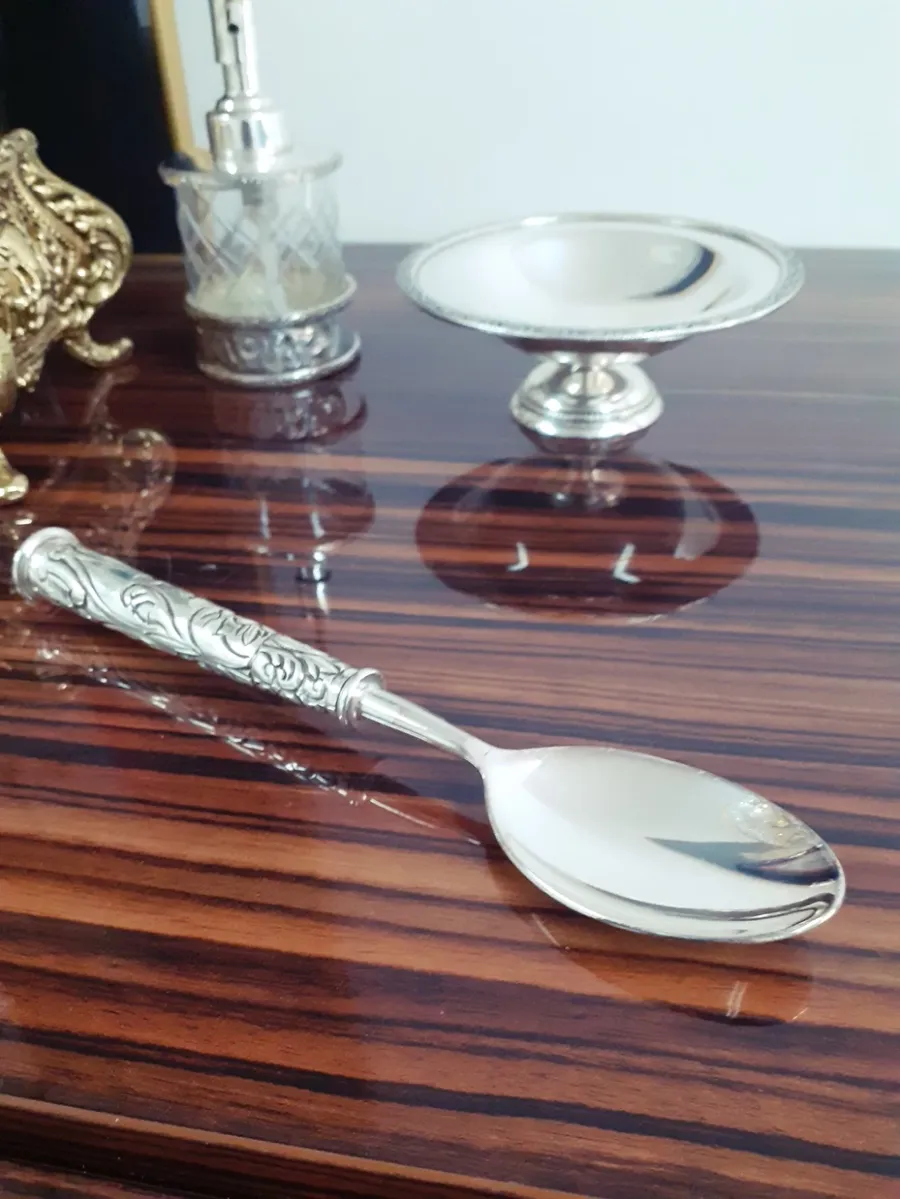
Silver-plated cutlery is simply ordinary metal (usually an alloy of nickel, copper, or steel) coated with a thin layer of silver. It’s neither “real” silver of 925 grade nor plain steel—it’s something in between, a more affordable compromise that used to be found in every elegant home. The problem? Today, we associate it with “special occasion luxury,” but also with a vague concern for health.
Why do we even think about it? Because we live in an era of booming interest in natural, safe solutions. We read about:
- “toxic metals” in cosmetics and cookware
- allergic reactions to nickel
- myths about “healing silver” (colloidal silver, anyone?)
- fashion for vintage and the fear that old = dangerous
No worries — further in the article, you’ll find out whether silver really “heals” or might actually be harmful, what EU regulations say, and how to use silver-plated cutlery sensibly without paranoia.
What are silver-plated cutlery really made of?
To understand whether silver-plated cutlery is safe, you first need to know what it’s actually made of. Because “silver-plated” doesn’t mean you’re holding a solid piece of silver—it’s more like a clever coating over a completely different metal.
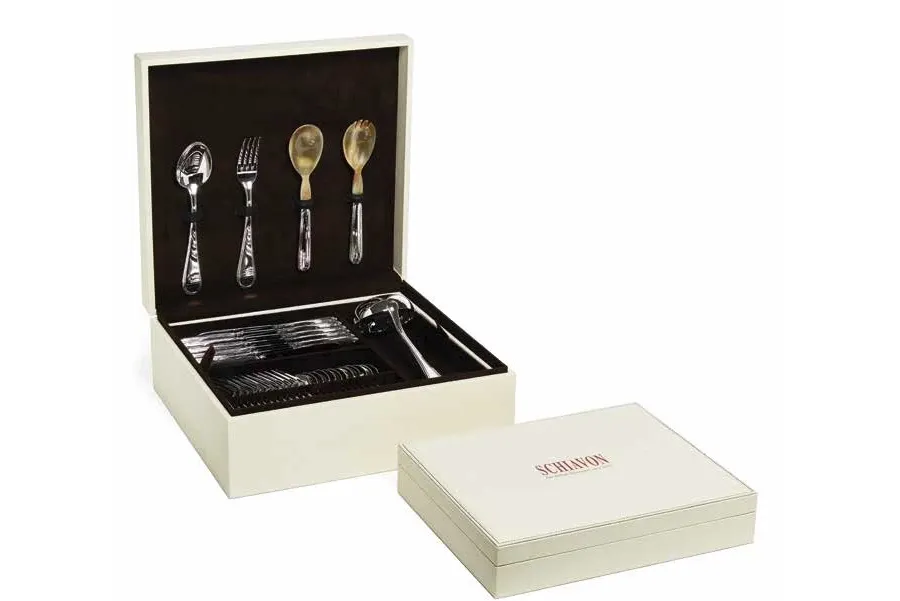
Metal inside, silver on top
Silver-plated cutlery typically consists of an 18/10 stainless steel core (sometimes a copper or brass alloy) coated with a thin layer of silver applied using an electrolytic process. We’re talking about a few, at most several dozen micrometers—for comparison, the average human hair is about 70 µm in diameter. The silver is usually 925 grade, meaning it contains 92.5% pure precious metal. This coating provides a refined shine and slightly alters the surface properties, but over time it can wear away, exposing the base metal underneath.
How to read markings on the handle
You may come across the hallmark EPNS ( Electroplated Nickel Silver) – this indicates a base made of a nickel, copper, and zinc alloy, coated with silver. EPBM ( Electroplated Britannia Metal) refers to an alloy of tin, antimony, and copper. The symbol Ag925/1000 confirms the silver content in the coating. Numbers such as “00” (the so-called triple layer) indicate the thickness—the more zeros, the thicker the layer.
| Type of cutlery | Ingredients | Typical markings | Appearance after years |
|---|---|---|---|
| Stainless steel | 18/10 steel, uncoated | “18/10”, “Inox” | Matte, resistant |
| Silver-plated | Nickel/bronze base + Ag | EPNS, EPBM, Ag925 | Shine, may wear off |
| Light silver | Silver 800-925 fineness | Silver hallmark, mint mark | Patina, high value |
Compared to solid silver, silver-plated items are much cheaper and lighter, but also less durable. Stainless steel wins in terms of resistance, but it lacks that elegant, silvery shine. To say something about health, however, we need to look further: at standards and studies that examine how much silver actually transfers into food.
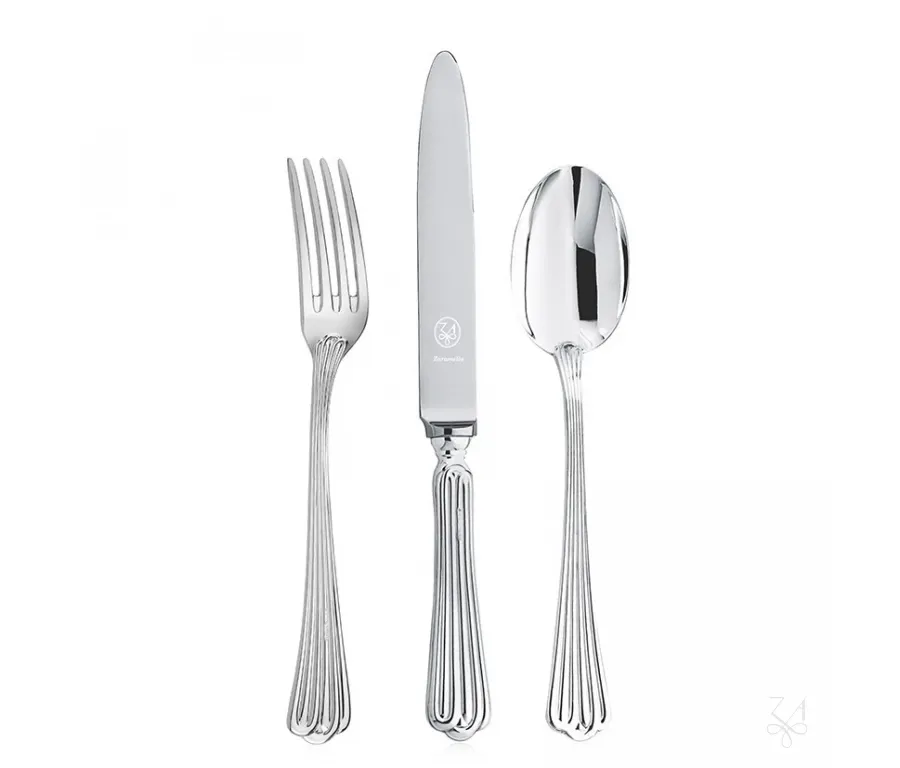
Silver safety in contact with food – what the standards say
If you believe the internet drama about “toxic cutlery,” I have something better for you: numbers. When it comes to health discussions, anecdotes don’t matter—what counts are hard standards and official positions from institutions. And when it comes to silver-plated cutlery, those are actually quite reassuring.
How is silver migration into food measured?
Laboratories test the safety of cutlery under truly extreme conditions—they use a 3% acetic acid solution to simulate acidic foods (lemons, tomatoes), keep the cutlery in it for hours at a specific temperature, and then measure how many silver ions have leached into the liquid. In everyday use—a quick meal, a rinse—the contact is much shorter and milder.
European silver migration limit is <2 mg/kg of food. Actual studies show values around <0.1 mg per meal —so many times below the threshold. For comparison, EFSA and WHO have set the tolerable silver intake at about 5 µg/kg body weight per week (which is around 350 µg per week for a 70 kg person), and daily safe levels are around 5 µg/day. The contribution of silver-plated cutlery to this total exposure? Virtually negligible.
| Parameter | Value |
|---|---|
| EU limit (migration) | <2 mg/kg of food |
| Actual measurement from research | <0.1 mg/meal |
| Tolerable intake (EFSA/WHO) | 5 µg/kg b.w./week (~350 µg/week for 70 kg) |
EFSA sees no health risk with typical use of silver-plated cutlery—there have been no reported cases of argyria (blue discoloration of the skin) associated with their use.
FDA, FAO, and the Polish GIS all say the same thing: there are no reports of health issues. Yes, with very prolonged contact with acidic foods, silver migration may be slightly higher, but we’re still talking about amounts considered non-toxic and “neutral” for healthy adults. In short: with normal use, silver-plated cutlery is safe.
Who are silver-plated cutlery a good choice for, and who should be cautious
The rules are the same for everyone, but bodies and life circumstances are not. What may be a completely safe choice for one person can raise legitimate concerns for another.
A healthy adult, a child, someone with allergies – different needs at the same table
For a healthy adult, silver-plated cutlery is a safe choice—whether you use it every day or only bring it out on special occasions. With a normal diet and basic hygiene, the risk is negligible. The amount of silver that could transfer from a fork to your soup is literally trace.
Kids and teenagers are a slightly different story. With lower body weight and developing bodies, it’s clear they’re more sensitive to foreign substances. Don’t panic, but it’s wise to limit contact between very acidic foods (like pickles or lemons) and silver cutlery. Want to be sure? High-quality stainless steel for kids is simply the smartest “default” option.
People with nickel allergies – be aware that the issue often isn’t with the silver itself, but with the base metal underneath the coating. If the silver layer wears off (which is common with vintage cutlery), the exposed nickel alloy can trigger a reaction. The solution? Silver-plated cutlery with a nickel-free stainless steel base, or cutlery made entirely of stainless steel or titanium.
Are you particularly sensitive to heavy metals or have chronic health conditions and want to minimize any potential exposure? Stainless steel will give you greater peace of mind—even though scientific data does not indicate any significant risk from silver in cutlery.
Antibacterial properties of silver – myths, facts, and missing evidence
Silver really does have some impressive properties—Ag⁺ ions can disrupt bacterial metabolism and, under the right conditions, kill a significant portion of microorganisms. But does that automatically mean that eating with a silver-plated spoon is a healthier choice? That’s where the issues begin.
What does silver really do to bacteria – and what doesn’t it do to your body?
The mechanism works as follows: silver ions bind to bacterial enzymes, block their cellular respiration, and inhibit cell division. Studies have shown that a solid silver surface can eliminate 99.9% of E. coli within a few hours. Sounds impressive, but typical silver-plated cutlery only has a thin layer of the precious metal—often partially covered by patina or microcracks—so their effectiveness is much lower. We’re talking about roughly a 20-50% reduction in bacteria, if any at all.
And those slogans from the internet: “the more silver, the healthier the food”, “silver purifies the body”? There are no randomized clinical trials confirming any health benefits of eating with silver cutlery in healthy people. That’s it.
Why a silver-plated spoon is neither a remedy nor a detox
Medical applications of silver—wound dressings, catheters, nano-silver filters—are a different scale and technology altogether. There, ion concentration is controlled, exposure is long-term, and the effect is measurable. Silver-plated cutlery is not a therapy, not a supplement, and does not “detox.” It can be elegant, it can be safe—but it will never replace hygiene or proper treatment. That’s all there is to it.
How to safely use and care for silver-plated cutlery every day
Even if you’re not concerned about the potential health effects of silver, it’s worth knowing how to use and care for silver-plated cutlery so it lasts long and remains safe. Proper care not only extends the life of your set—it also protects the coating from premature wear, which in turn minimizes the migration of metal ions into your food.
Washing, drying, storing – the basics of safe care
It’s best to wash cutlery by hand —in warm (not boiling!) water with a mild dish soap, then dry them immediately with a soft cloth. Prolonged soaking, especially in hot water, accelerates corrosion and dulling. Dishwasher? In theory, yes, but keep in mind that harsh detergents and high temperatures wear down the coating faster and can cause dark stains.
Avoid contact with acidic foods (lemons, vinegar, tomato sauce) and large amounts of salt for extended periods. If you’re serving a salad with vinaigrette, don’t leave the cutlery submerged in the bowl overnight. Acids increase silver migration and accelerate chemical reactions on the surface.
From time to time, cutlery darkens — that’s silver sulfide (Ag₂S). You can safely remove it by boiling the cutlery for a few minutes in a pot lined with aluminum foil, adding a tablespoon of baking soda. You can also use a gentle silver cleaner, but never harsh abrasive powders — they will rub through the coating to the base metal.
When your cutlery asks for a break: signs of coating wear
If you notice spots of a different color, patches of yellowish or coppery metal showing through, and especially tiny corrosion holes, the coating is worn out. It’s better to put such cutlery on display or have it re-silvered rather than use it every day.
Conscious choices for the future – how to use silver wisely
Doubts about silver-plated cutlery are natural—after all, myths about the toxicity of metals have circulated for years. Today, however, we have solid scientific knowledge and standards (FAO 2025, PZH 2025) that clearly show: with normal use, this cutlery is safe for healthy adults. The key is to remember three things:
- Silver is not a health supplement – it neither heals nor harms when it comes into occasional contact with food
- The migration of metals (nickel, chromium) remains within safe limits, unless you have an allergy.
- What matters is what’s on your plate, not what you eat with – cutlery is a tool, not a threat.
What does the future hold for us?
The market is already changing. Manufacturers are testing silver nano-coatings with stronger bactericidal properties, which could be introduced in hospitals and the food service industry. There is also growing pressure to tighten nickel limits, especially in products for children —hence the increasing number of nickel-free sets made from titanium or 18/0 steel. Sustainability is also coming into play: recycled silver is gaining popularity, as mining new resources puts a strain on the environment.
Regulations will probably move towards better ingredient labeling (there’s already a requirement for this in the EU since 2023), but honestly? The focus will be much more on the quality of ultra-processed food than on the cutlery itself.
Sony
Premium Journalist editorial team
Lifestyle & Health
