




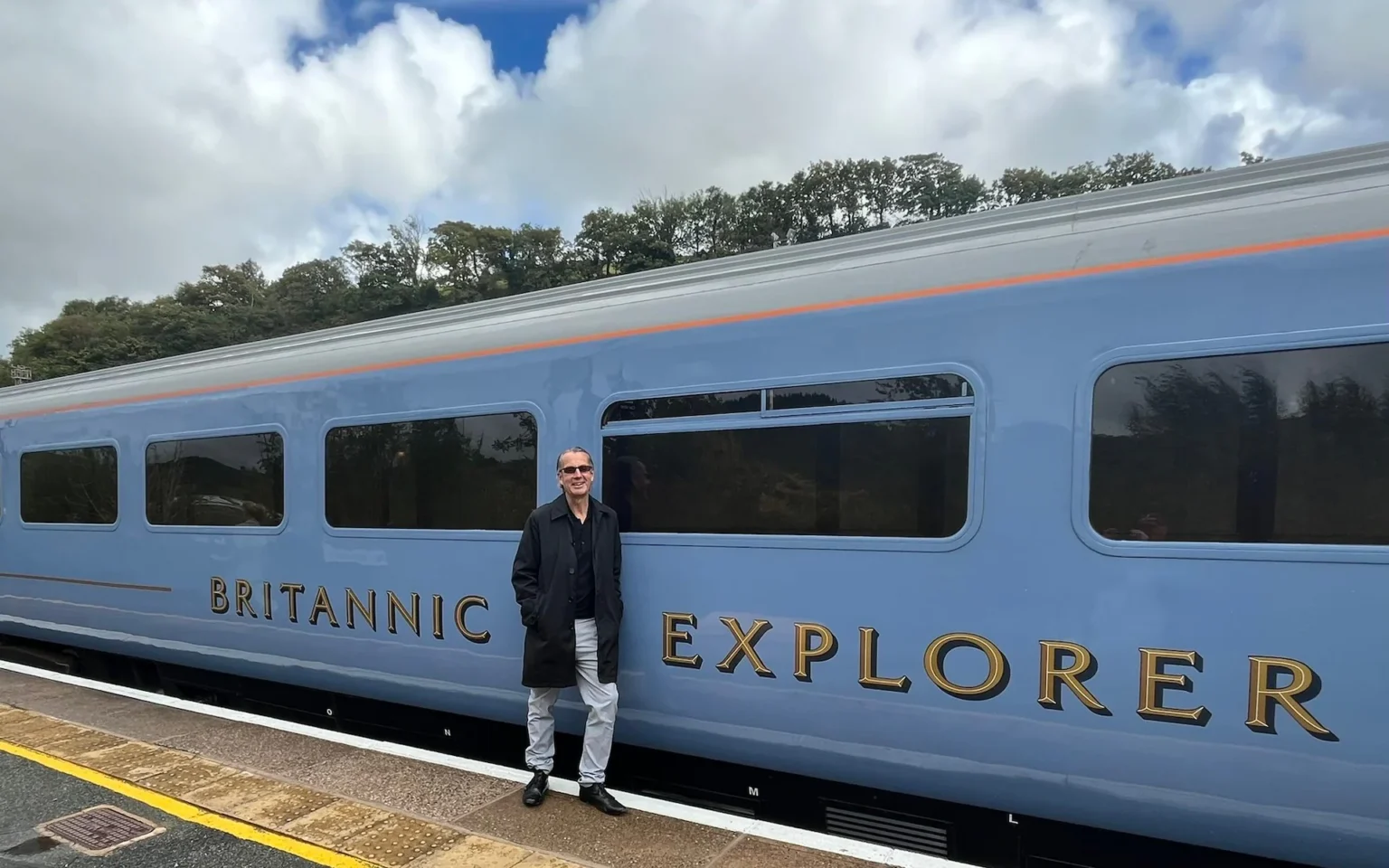
Have you ever heard a train whistle that sounds like the dawn of a new era? On July 21, 2025, that’s exactly what you’ll hear on the platform at London Victoria. A red carpet for eighteen guests, camera flashes from reporters, and the first departure signal for the Belmond Britannic Explorer —the first luxury sleeper train in England and Wales in decades.
The numbers speak for themselves. Eight cabins, prices starting at £11,000 for a three-day journey, and the grand opening just months away. Does it sound abstract? Not at all, if you look at what’s happening in the travel industry.
Belmond Britannic Explorer – the renaissance of luxury on rails
The pandemic has changed the way we think about travel. Slow travel—meaning unhurried, mindful journeys—is growing in popularity by around 20% year over year between 2024 and 2025. People want more than just a flight from point A to point B. They’re seeking experiences that will stay with them for years to come.
That’s exactly why Belmond decided to launch this project. It wasn’t just about creating another luxury mode of transport. It’s a response to a need that’s being talked about openly in hotels, airlines, and travel agencies around the world.
In the following sections, you’ll discover exactly how this project was created and what goes on behind the scenes:
- Chronology of the project’s inception and the rolling stock modernization process
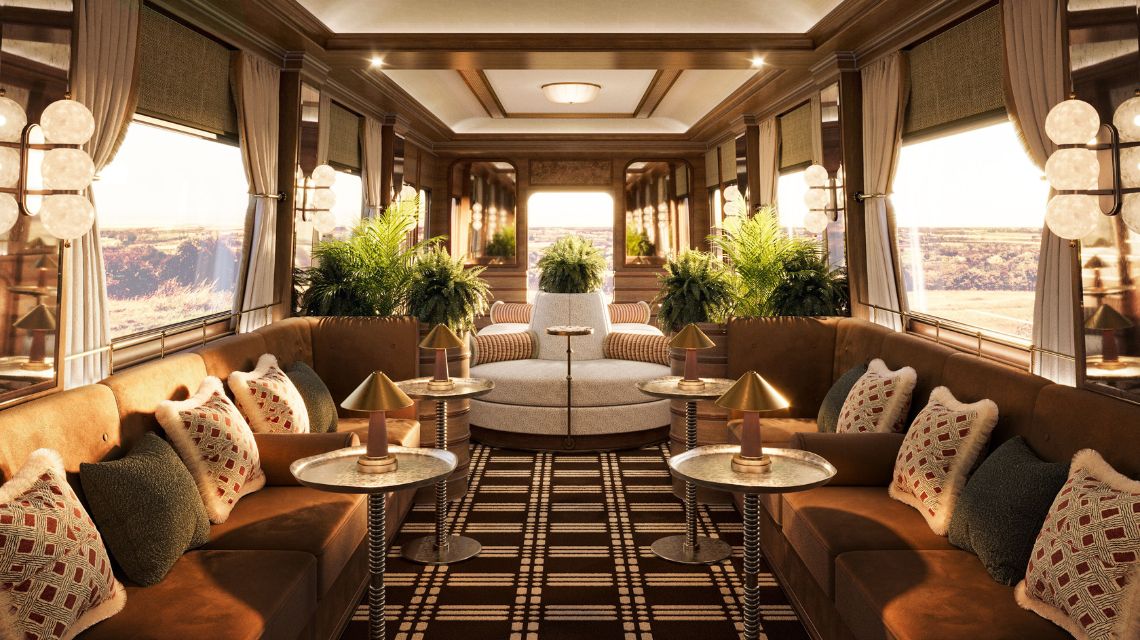
- Technical and architectural details of interiors
- Planned routes and onboard experiences
- Impact on the British tourism industry and expansion plans
Now, however, it’s time to look behind the scenes. From the first sketch to the finished carriage – the story of the Britannic Explorer is a fascinating tale of how dreams become reality on the rails.
From Sketch to Rail: Behind the Scenes of the Creation of Britannic Explorer
Actually, I never thought a train could have such a complicated genealogy. And yet, the Britannic Explorer is practically a reincarnation of the Irish Grand Hibernian —just in an English version.
The story began rather unremarkably. Grand Hibernian launched on August 30, 2016, marking Belmond ‘s first venture into the luxury rail travel market in the British Isles. For three years, it carried tourists around Ireland, but apparently, something wasn’t quite right with its profitability.
| Date | Event |
|---|---|
| 30/08/2016 | Inaugural journey of the |
| 14/10/2019 | The last course of the Irish version |
| 2022 | Storage of inventory pending decisions |
| Nov 2024 | Official announcement of the project |
| XII.2024 | Presentation of the “slow luxury rail” strategy by |
| 21/07/2025 | Planned inaugural trip |
The real turning point came after Belmond was acquired by LVMH. The French have a knack for spotting potential where others see only costs. Last November, an official statement was released: ” LVMH sees untapped growth potential in the luxury rail travel segment, especially given the rising interest in slow travel.”
It may sound like corporate speak, but it actually made business sense. England and Wales attract many times more tourists each year than Ireland.
Refurbishing the rolling stock turned out to be a true technical ordeal. The Grand Hibernian carriages were built to Irish standards, while the British Office of Rail and Road regulations are a whole different story. They had to replace entire electrical systems—Ireland uses different safety standards than the rest of the UK.
The most complicated part was meeting British fire safety and evacuation requirements. ORR enforces extremely strict rules for luxury passenger trains. Every carriage had to undergo an almost complete overhaul of its safety systems.
GB Railfreight joined as the operational partner at the final stage. They’ll be responsible for route logistics, scheduling, and compliance with the British rail traffic management system. Without their know-how, Belmond would probably have been stuck for years in Network Rail bureaucracy.
This whole venture really shows just how complex the luxury rail services market has become. It’s no longer enough to have beautiful carriages and a good menu. You have to navigate dozens of technical regulations, forge logistics partnerships, and somehow still make it all appealing to customers.
The July launch of the Britannic Explorer will be the real test of this painstaking transformation—and the first chance to see whether passengers will actually buy into the idea of luxury on rails, British style.
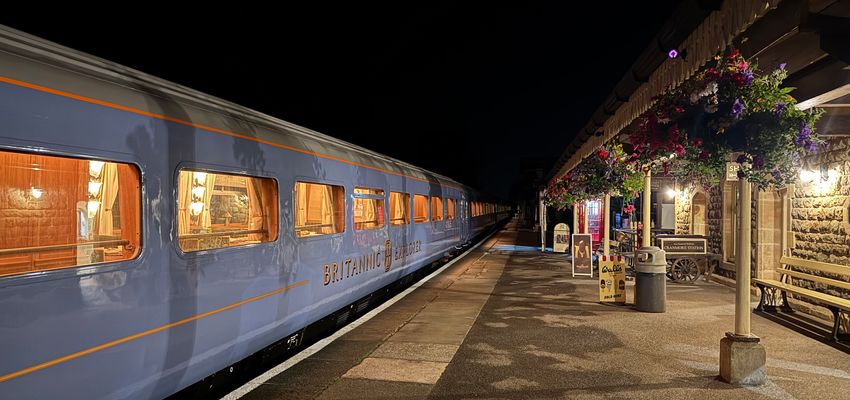
Life on Board: A Sensual Journey Through England and Wales
When you step on board, the first thing that strikes you is the scent of expensive wood and sea breeze. You can hear the gentle hum of the engines and the quiet conversations of other passengers. This is no ordinary train—it feels more like a luxury hotel on wheels.
Cabins – a home on rails
I feel like the designers really went the extra mile. There are 18 cabins divided into three categories, but honestly, even the basic deluxe is impressive. The beds can be folded into comfortable sofas during the day—a simple mechanism, but it works smoothly. I’ve seen various solutions in hotels before, but here everything is tailored to the rhythm of travel.
In the suites, the marble bathrooms have heated floors. It might seem like overkill, but when the train is passing through the Welsh mountains on a chilly morning, you appreciate every detail. The grand suite, on the other hand, features a separate living room. The price? Well, it’s not a journey for every budget.
Kitchen – 8 stars on the tracks
The cooking show is hosted by a chef with experience from top restaurants. The “Cornwall Coast” menu is his signature — steamed lobster with local cider and herbs. It may sound pretentious, but the flavor is genuinely authentic.
The kitchen is always bustling, which isn’t easy. Every ingredient is carefully sourced from local suppliers. The English breakfast comes with sausages from a specific farm in Devon. It might seem like an obsession with detail, but the difference in taste is unmistakable.
Wellness – uninterrupted relaxation
The wellness area is open around the clock. This came as a surprise to me – massages with lavender oils from the Bath area are available even at midnight. The masseur has access to local oils from various regions we pass through.
The sauna under the round skylight is a brilliant idea. You can watch the passing landscapes while you relax. In the evening, as the train travels through the Lake District, the view is beyond words.
Scenic routes
| Route | Length | Main attractions |
|---|---|---|
| Cornwall Express | 3 nights | St Ives, Land’s End cliffs, fishing harbors |
| Wales Discovery | 3 nights | Conwy Valley, Snowdonia castles, Gower coast |
| Lake District Journey | 3 nights | Windermere, Grasmere, Yorkshire Dales |
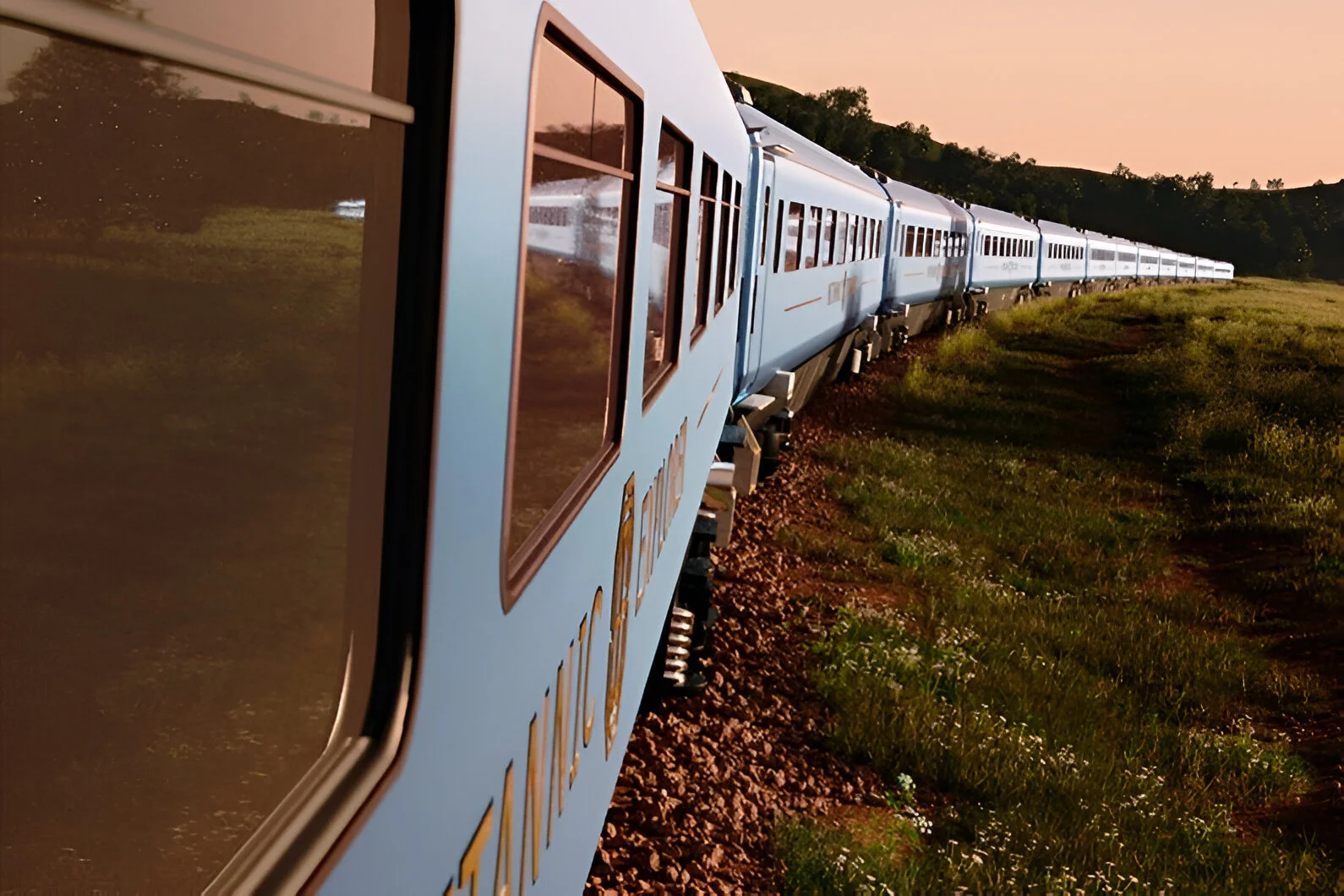
You can combine routes into a 6-night adventure. St Ives at sunrise, Conwy Valley shrouded in mist, Windermere in the rain—each landscape has its own unique character. The cabin windows are larger than those on standard trains, so the views are truly spectacular.
Apparently, more innovations are in the works for this project.
On the horizon: the future of luxury railways in the UK
The Britannic Explorer project was no accident. It’s proof that the UK rail industry has finally understood what travelers are looking for in 2024. I’ve been following this sector for years, and I can clearly see a shift towards quality over quantity.
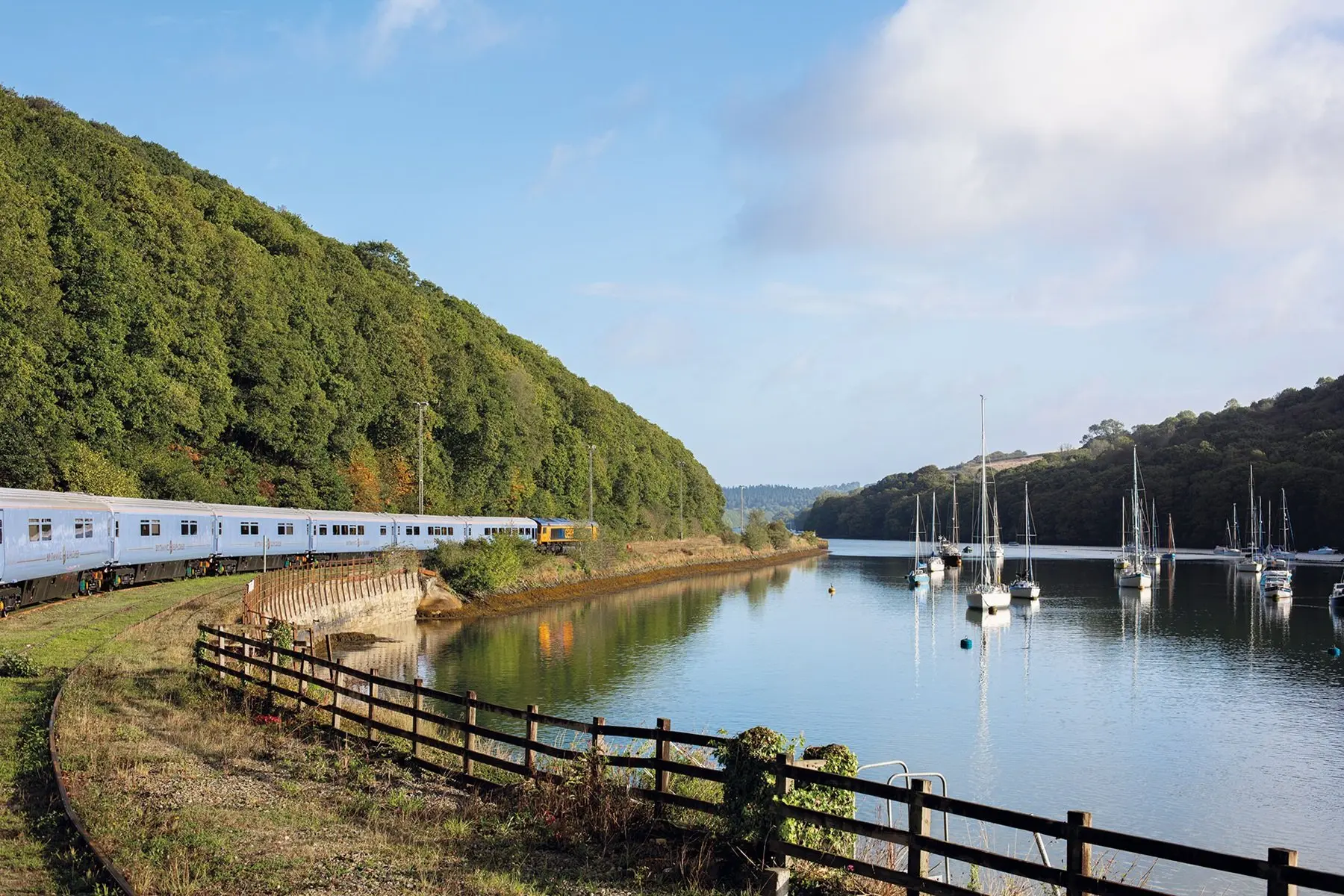
Three key takeaways from this project are game-changers:
– The renaissance of heritage doesn’t mean clinging to the past – it’s about smartly blending tradition with modern standards of comfort
– Sustainability is no longer a marketing gimmick; it’s a necessity – the introduction of Class 99 bi-mode locomotives in 2027 sends a clear message
– The value of immersive experiences now surpasses the classic notion of luxury based on gold and crystal
“The future of luxury rail travel is not about speed, but the depth of experience—a journey that transforms your perspective, not just your location.”
Market data is clear. The projected growth in demand for luxury rail travel in the UK by 2030 is 25.0–30.0%. The fourth route planned for 2026 is therefore not a whim, but a response to real demand.
Steps for the reader
For travelers: bookings usually open 11 months before departure. Don’t wait until the last minute—prime dates disappear within weeks.
For investors: the “slow luxury” sector requires patience, but returns are stable. Pay attention to companies investing in rolling stock and premium service infrastructure.
The vision for luxury rail in 2030? Smaller trains, greater personalization. More regional routes, fewer international giants. Technology subtly woven into the experience, not dominating it. These journeys will no longer be just for the elite, but for anyone seeking more than just transport from point A to point B.
The future of luxury rail in the UK begins today—the question is, will you be part of it as a passenger or an observer?
Michael
lifestyle editor
Premium Journalist
