




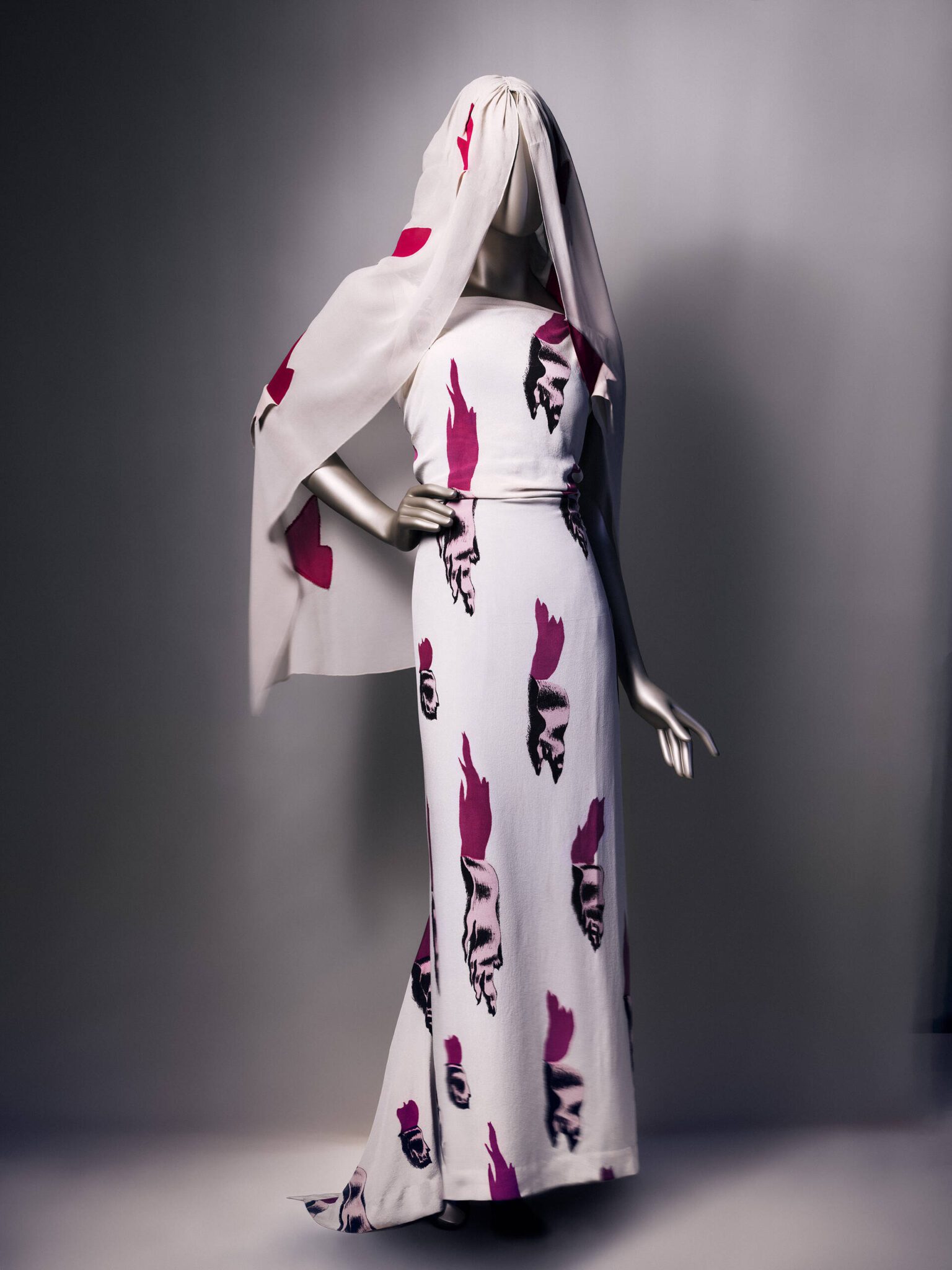
Fashion often reflects its era, but in the case of Schiaparelli, it becomes something much more — a dialogue with art, an experiment, and a provocation. The latest Schiaparelli exhibition in London proves that the boundary between wardrobe and gallery has, in fact, long ceased to exist.
Between Fashion and Art – Schiaparelli Exhibition in London
The exhibition “Schiaparelli: Fashion Becomes Art” has opened at the Victoria and Albert Museum and is already being hailed as one of the most important cultural events of the year. This is the first such comprehensive presentation of the Schiaparelli fashion house’s achievements in the UK. A brand that has been redefining the concept of elegance for nearly a century.
The exhibition will run until November 1, 2026. It has been prepared with a grandeur worthy of its heroine. This is not just a display of clothing. It is also a multidimensional story about how fashion can become a language of art.
From Roman roots to Parisian revolutions
The central figure of the exhibition is Elsa Schiaparelli. The designer who, in 1927 in Paris, founded her own fashion house and almost immediately began to upend the rules of the game. Her designs stood out not only for their form but also for their way of thinking. Instead of following trends, Schiaparelli created them. Sometimes she went against them. Most often, however, she followed her own path.
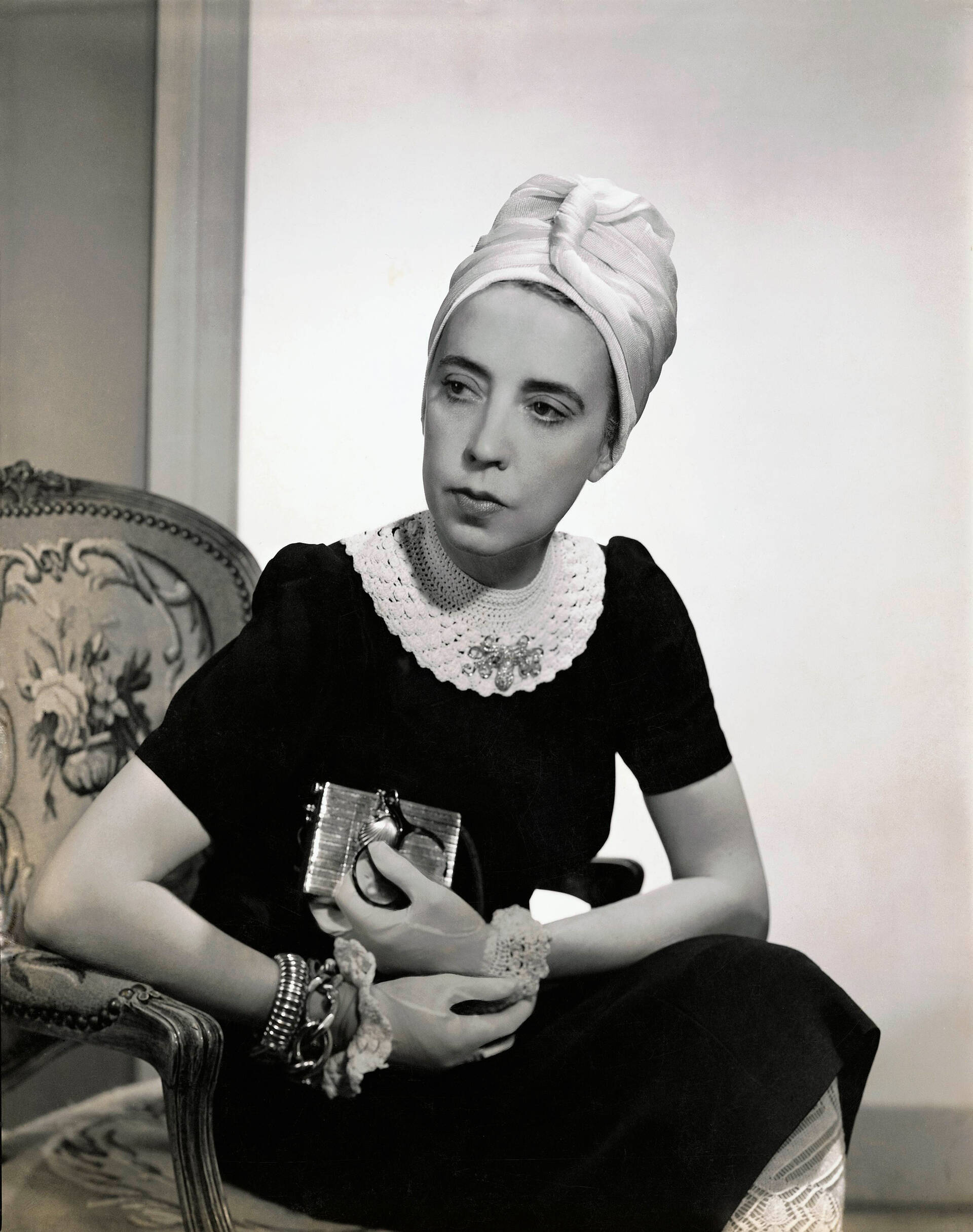
She was the one who introduced elements of surrealism into fashion, experimented with unconventional materials, and treated clothing as an artistic medium. Her famous “shocking pink” remains a symbol of courage and boldness to this day—qualities that are still fundamental to the brand’s DNA.
Over 200 objects and one cohesive story
The exhibition features over 200 exhibits. From haute couture, through jewelry and accessories, to photographs, paintings, and archival materials. The narrative guides visitors through decades of creativity. From the first designs of the 1920s, through the golden era of the 1930s, up to contemporary reinterpretations under the direction of Daniel Roseberry.
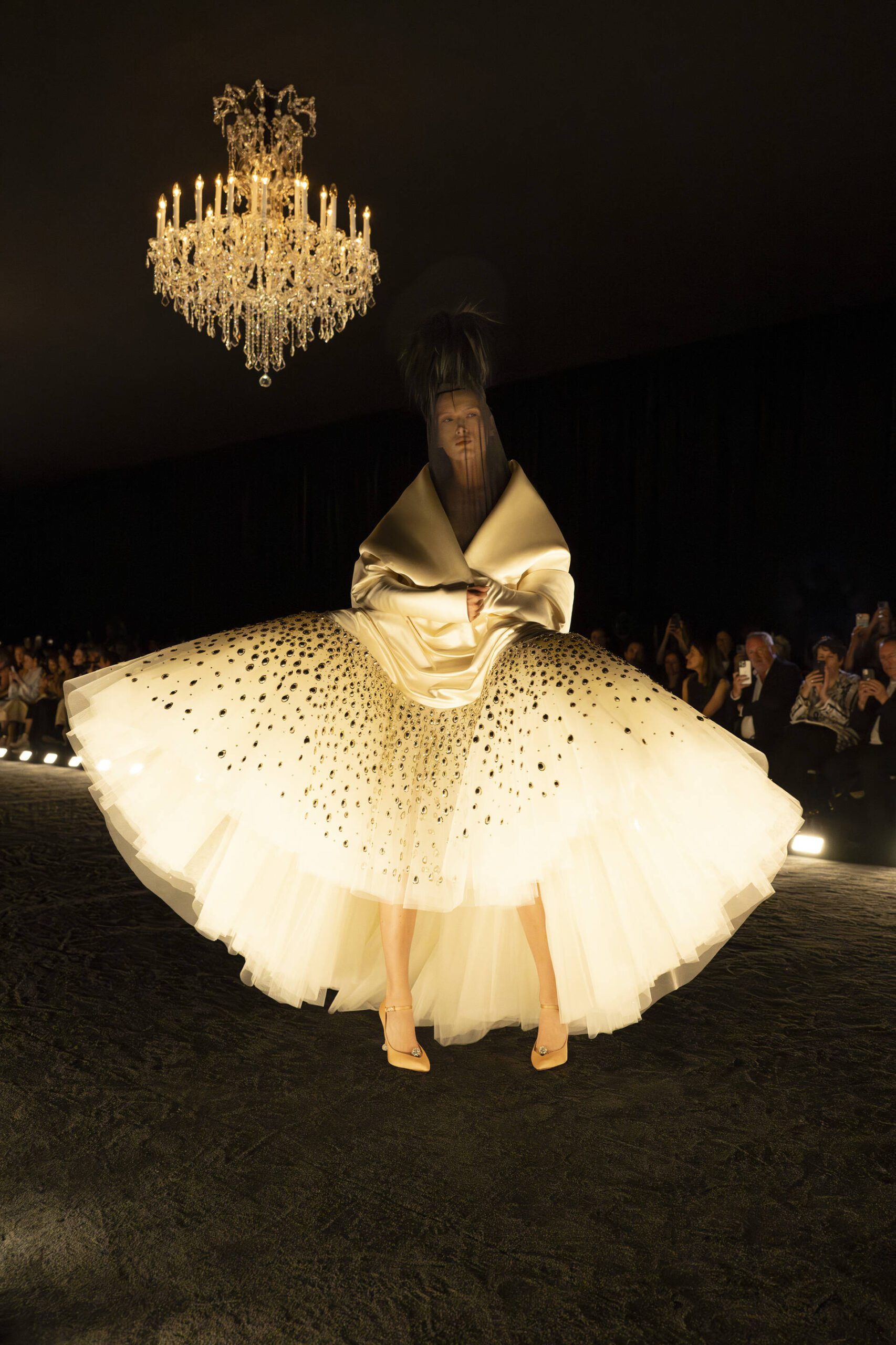
This is a particularly interesting comparison. It shows that although aesthetics change, the spirit of Schiaparelli remains the same: bold, theatrical, and uncompromising.
Fashion and Surrealism: A Creative Alliance
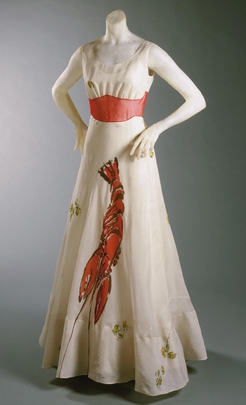
One of the most striking highlights of the exhibition are the designs created in collaboration with Salvador Dalí. Their joint works are now icons not only of fashion, but also of art history.
The “Skeleton” dress from 1938, featuring three-dimensional elements resembling human bones, demonstrates a fascination with the body and its structure. Meanwhile, the “Tears Dress” uses optical illusion to create the impression of torn fabric — unsettling, yet at the same time hypnotic.
It is in such designs that one can most clearly see how Schiaparelli pushed boundaries: she did not create “pretty” clothes, but meaningful ones.
Dialogue with the greatest artists of the 20th century
The exhibition also shows that Schiaparelli did not work in a vacuum. She was part of an intense, creative environment and collaborated with artists who today define the history of art — such as Pablo Picasso, Jean Cocteau, and Man Ray.
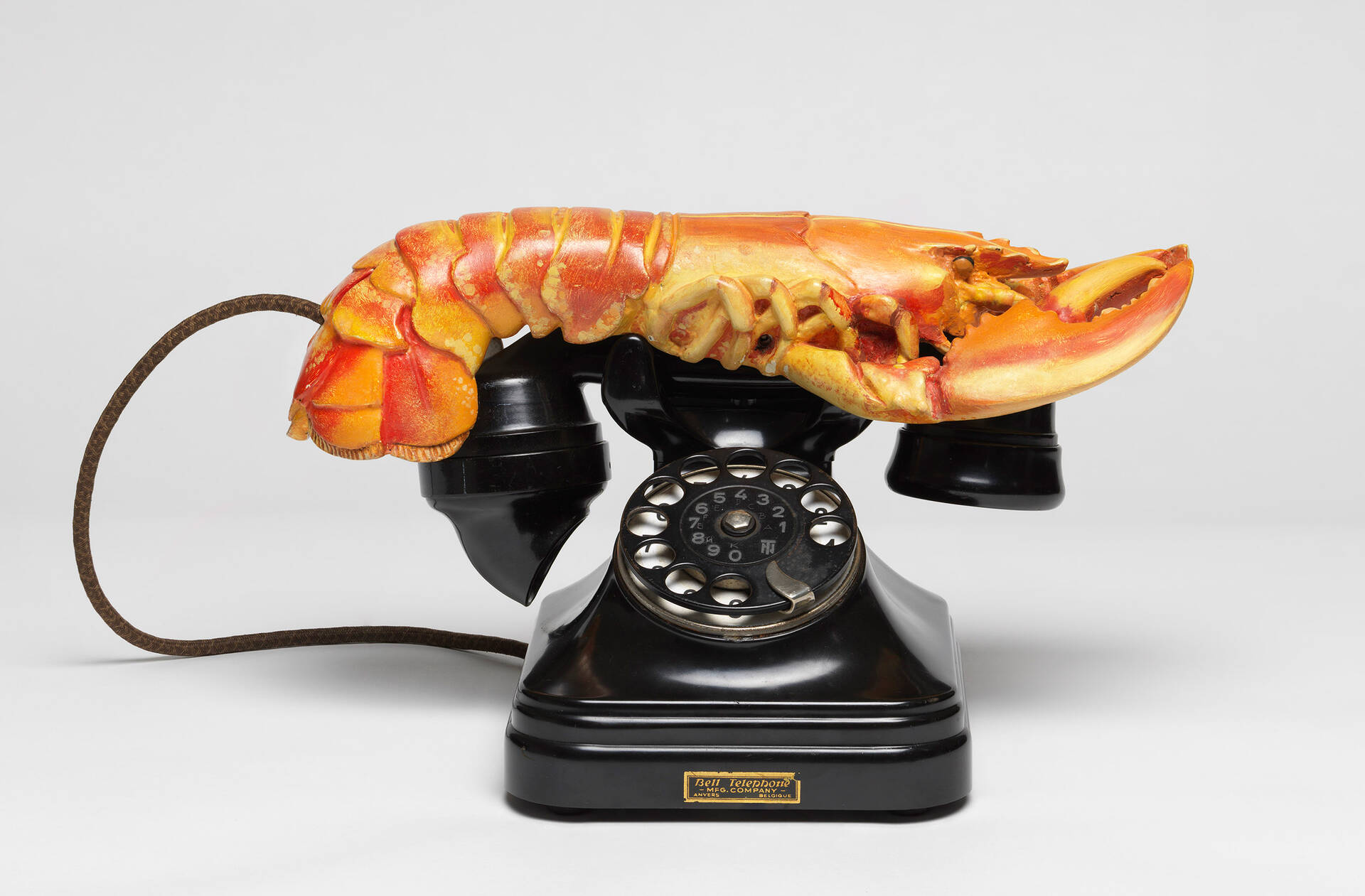
Their works are present in the exhibition. That is why they create a context for her projects and show how strongly fashion was (and still is) intertwined with other fields of creativity.
Why does this Schiaparelli exhibition in London matter today?
In an era dominated by minimalism and the “quiet luxury” trend, the return to Schiaparelli’s aesthetic feels like an awakening. It’s a reminder that fashion can be bold, intellectual, and full of emotion — that it doesn’t have to be just “pretty,” but can actually communicate something.
“Schiaparelli: Fashion Becomes Art” is therefore not just a journey into the past. It is an inspiring lesson in viewing fashion as a form of contemporary art — vibrant, provocative, and constantly evolving.
