




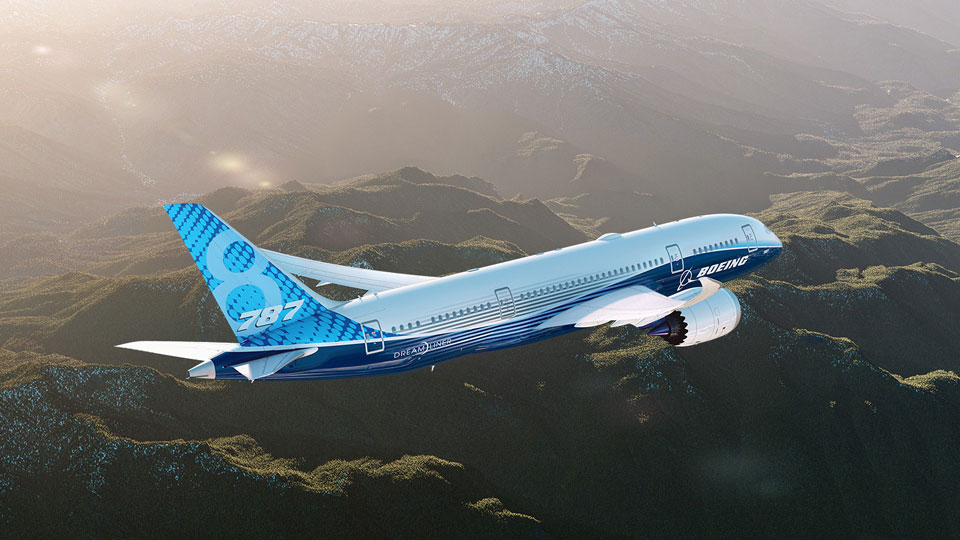
When the Boeing 787 Dreamliner first took to the skies in 2011, no one expected that by 2025 it would have carried over a billion passengers. This is no coincidence—it’s the result of a revolution in aviation comfort.
Boeing 787 Dreamliner – luxury that has become an everyday experience
Boeing launched the 7E7 program (later known as the 787) with a clear goal: a plane for 200-300 passengers that would fly farther than the Boeing 767 while using about 20% less fuel. Sounds technical? Yes, but the consequences are purely human.
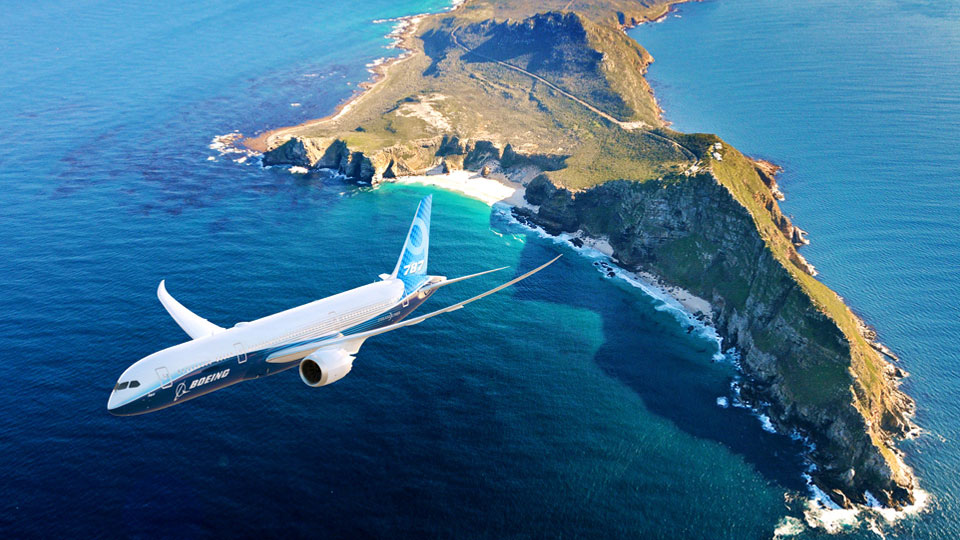
The Dreamliner has redefined “new luxury” in a way we haven’t seen before. It’s about comfort accessible to the many—not just those in business class. This is achieved by combining three key pillars:
- Ecology and lower CO₂ emissions
- Comfort even in economy class
- Accessibility for a wider range of passengers
Previously, luxury in the air was a privilege reserved for the few. The Boeing 787 changed that rule, becoming a global game changer for airlines. In terms of image as well—the aircraft’s composite fuselage and curtainless windows sound like science fiction, yet you board it on a regular scheduled flight. And suddenly, you feel the difference before anyone even explains why.
Comfort technology – how the Dreamliner cares for passengers’ bodies and senses
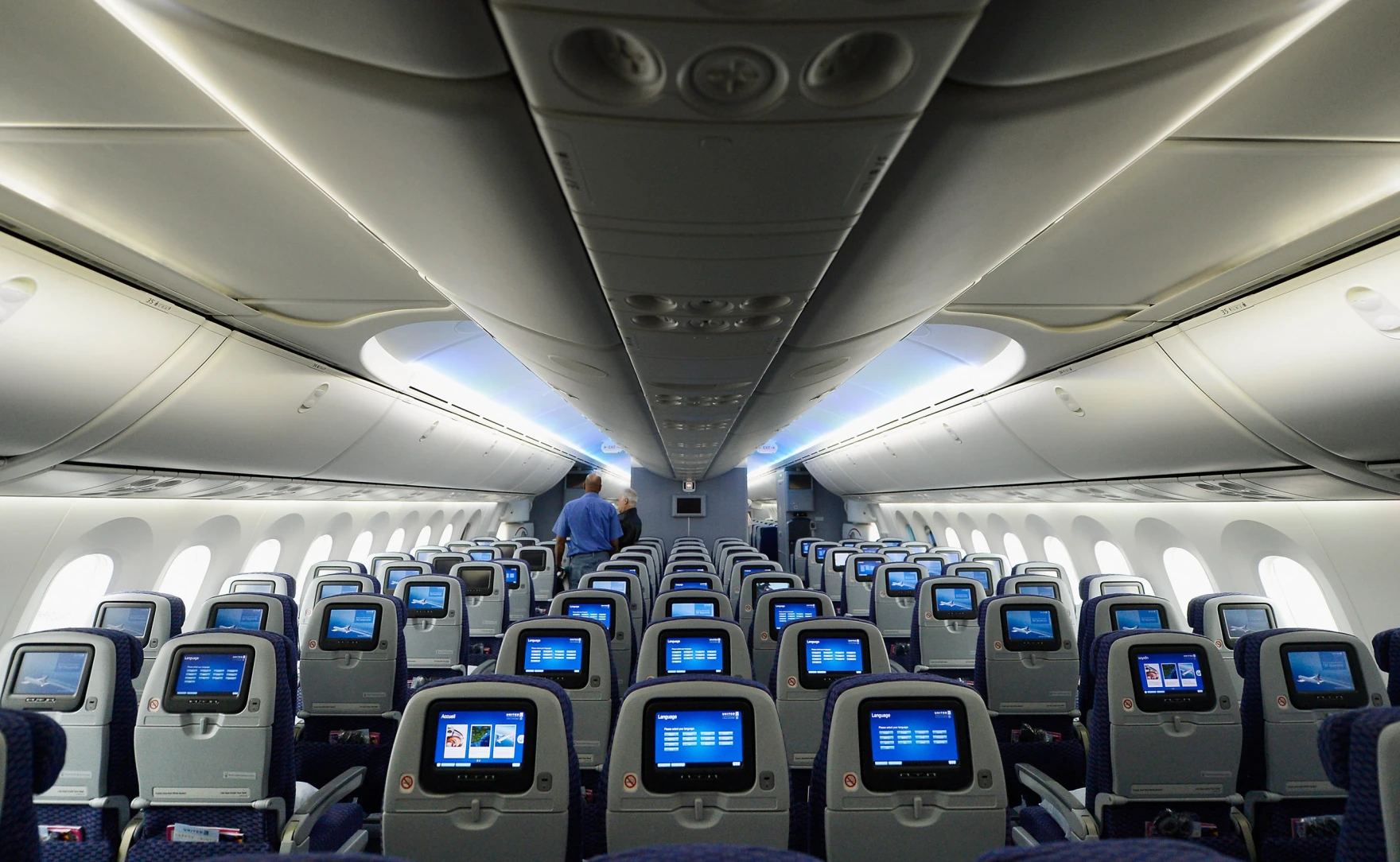
The first step aboard the 787—and you immediately feel the difference. Silence. Light streaming through the huge windows. Air that somehow… feels easier to breathe. It’s not a coincidence or marketing—it’s precise engineering, designed so your body simply feels better.
Better air and pressure, less jet lag
The Dreamliner is made of 50% carbon composites instead of aluminum. As a result, the cabin can withstand lower “altitude” pressure—about 1,800 meters instead of the standard 2,400 meters found in older aircraft. It also maintains higher humidity: 15-20% compared to just 3-5% in classic Boeings or Airbuses. The result? Less dehydration, fewer headaches, and faster recovery after a long flight. NASA and Boeing studies show that 787 passengers report up to 30% fewer jet lag symptoms.
| Parameter | 787 Dreamliner | Older aircraft |
|---|---|---|
| Cabin height | ~1,800 m | ~2,400 m |
| Humidity | 15-20% | 3-5% |
| Noise (on the ground) | -60% | standard |
Light, silence, and view – technology for the senses
The windows are 65% larger than in previous generations of Boeings and feature electronic dimming instead of traditional shades. LED lighting simulates different times of day, helping your body adjust to a new time zone. And the GE GEnx or Rolls-Royce Trent 1000 engines with chevron nozzles? So quiet that they generate 60% less noise on the ground—and in the cabin, this translates into a kind of “soft luxury ” you don’t even notice until you return to an older aircraft.
The Polish dimension of luxury – Dreamliner in PLL LOT livery
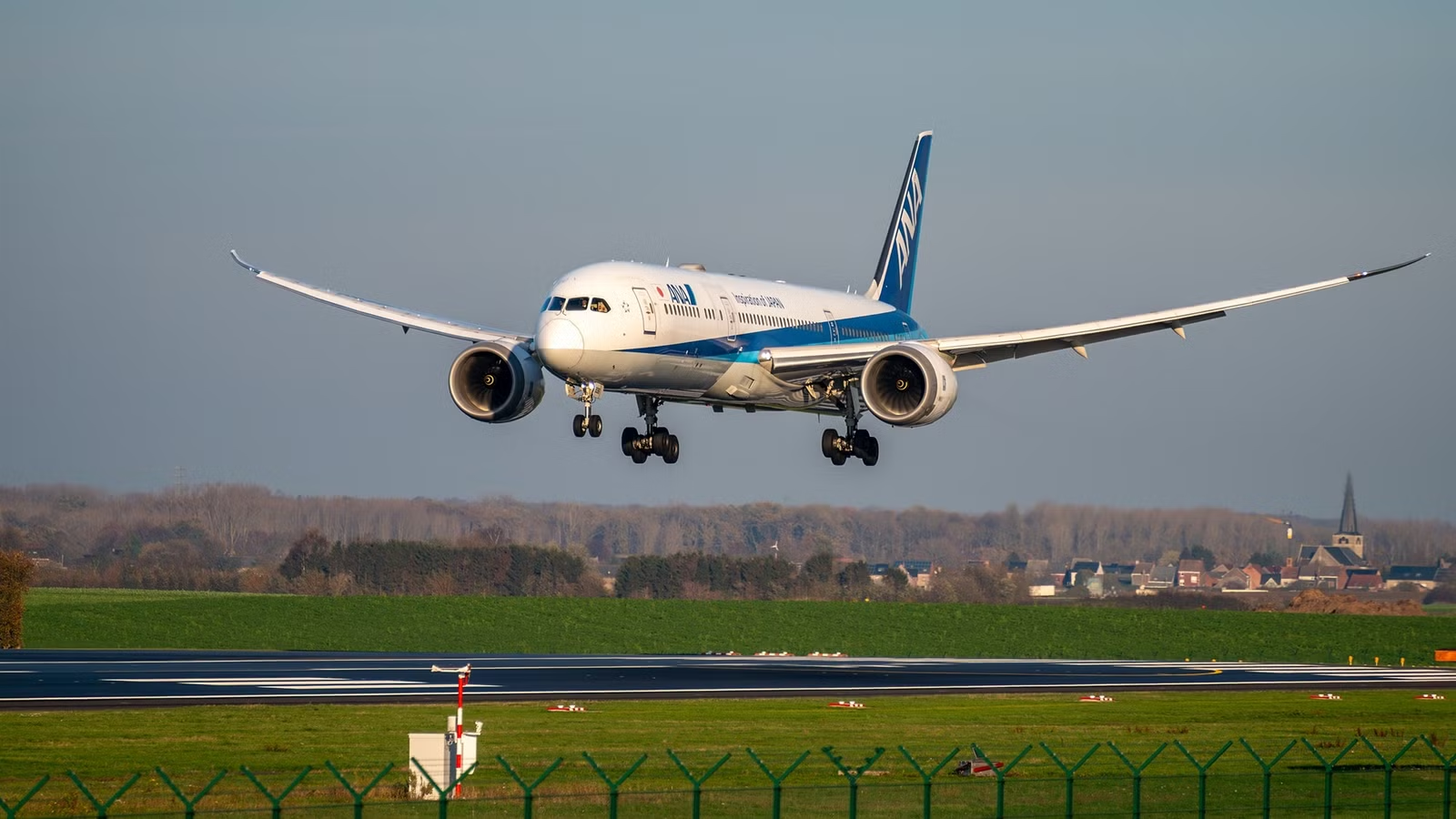
When, on January 15, 2012, a Boeing 787-8 in PLL LOT livery flew over Warsaw after a nine-hour test flight from Everett, it was a moment when luxury flying stopped being an abstraction for many Poles. Flight LO9787—with Captain Jerzy Makula and a Polish-American crew—lasted 9 hours and 38 minutes, and a ceremonial welcome with Anna Komorowska awaited at Okęcie. LOT became the first European carrier to operate the Dreamliner (SP-LRA), which sounded impressive—but the real change came later, when the 787 truly began to shape our flying experience.
Long range, new routes, concrete figures
Dreamliners opened the door for LOT to long-haul routes that were previously unprofitable or impossible:
- Warsaw -Los Angeles (direct)
- Warsaw-Delhi
- Warsaw-Tokyo
- Warsaw-Beijing and Newark
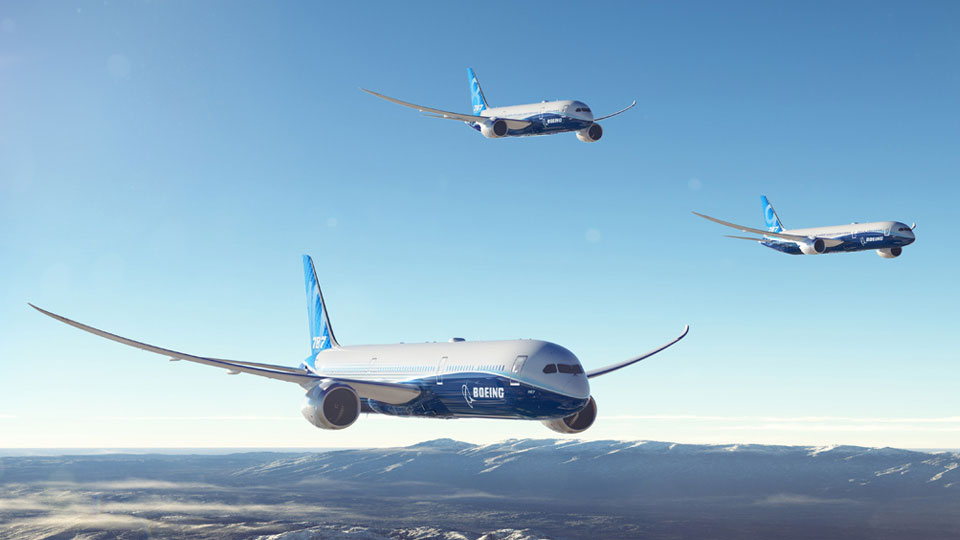
Warsaw has become a hub that saw a record 12 million passengers pass through in 2025. The 787 fleet (15+ aircraft) remains the backbone of this success, even though LOT has ordered 84 new Airbuses (around USD 11 billion).
| Year | Event |
|---|---|
| 2012 | First arrival of SP-LRA in Warsaw |
| 2019 | Delivery of 787-9 SP-LSG |
| 2023 | Refreshed interiors (business 1-2-1 staggered) |
| 2025 | 12 million passengers annually |
New business cabin – a symbol of premium quality
The refreshed interiors of LOT’s 787-9, updated in 2023—with a 1-2-1 staggered business class layout and warm color palette—have transformed the brand’s image. For many Poles, it’s this product, not the globally advertised “cabin humidity,” that defines true luxury in the skies. And it’s this very Dreamliner—ours, in white and blue—that has turned flying from a tedious necessity into a part of the journey we look forward to.
Where is luxury headed – the future of the Dreamliner and comfort in the clouds

Green luxury and the long life of the 787 program
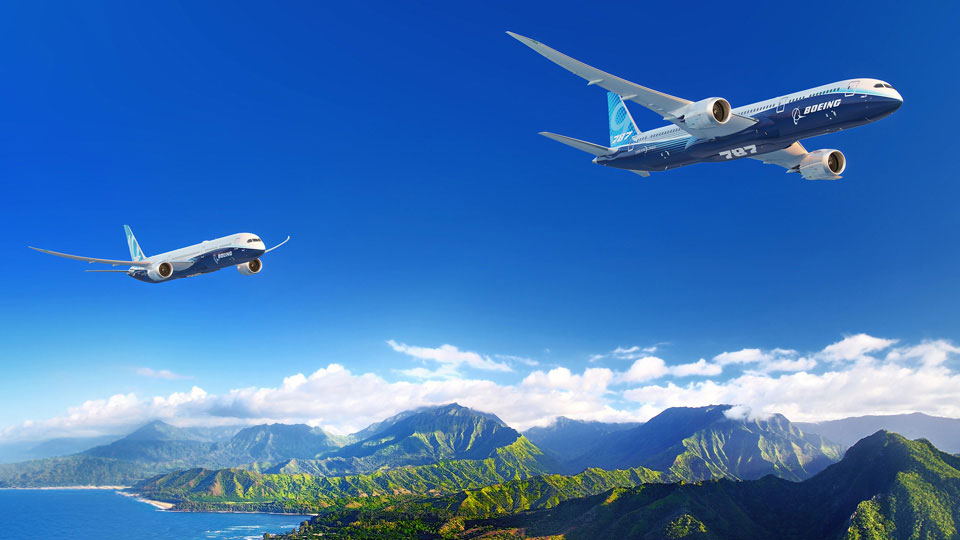
Boeing has already delivered over 1,100 Dreamliners, with another 700 aircraft in its order backlog, and forecasts predict more than 1,500 units by 2030. This demonstrates that the 787 will truly be one of the cornerstones of long-haul aviation for the next decade—perhaps even longer. Interestingly, the concept of “luxury in the skies” is now becoming intertwined with environmental awareness. The Dreamliner consumes 20–25% less fuel than the previous generation of wide-body aircraft, making it easier for airlines to implement sustainable aviation fuels (SAF). Boeing is already testing hybrid propulsion systems and hydrogen as the fuel of the future—for the business traveler conscious of the climate crisis, this is just as important as a comfortable seat.
What will luxury in the skies look like a decade from now
Cabins continue to evolve—from today’s 1-2-1 business class seats towards suites with private doors, VR entertainment, and personalized lighting. VIP versions (Boeing Business Jet 787) are now standard “flying palaces” for sheikhs and billionaires. Despite the first 787 crash (Air India, 12.06. 2025, just after takeoff), the statistics remain solid: one accident per over 5 million flights. When planning a trip, it’s worth checking the aircraft type—sometimes the comfort difference is greater than between budget and premium airlines.
Tony DI
aircraft editorial
Luxury Reporter
