




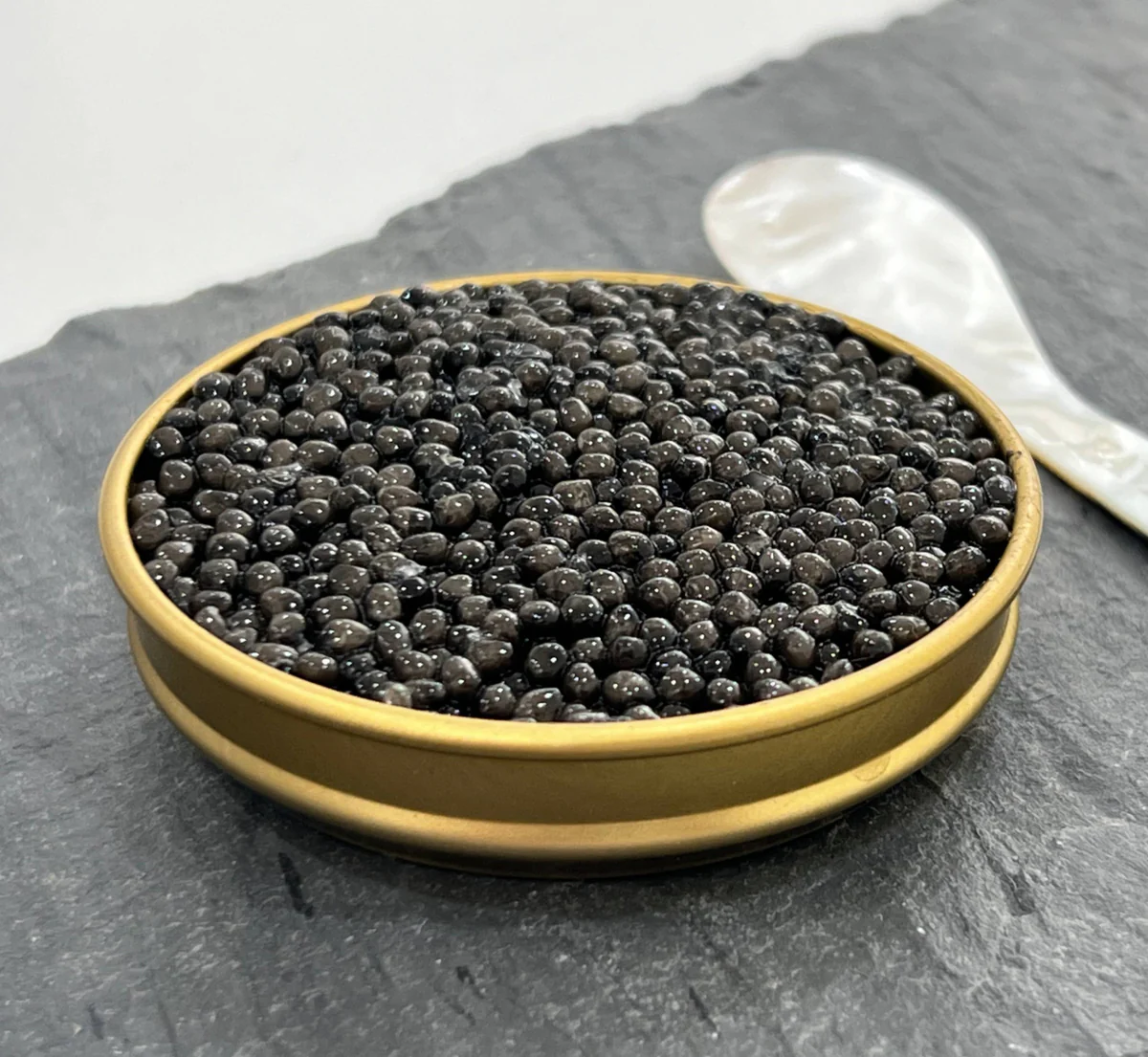
Once, sturgeon was so common in the Vistula River that its roe was served to rural workers as cheap food. Today, beluga—one of the most prized species—can cost up to $10,000 per kilogram. What happened?
Caviar from rare sturgeons continues to ignite the imagination
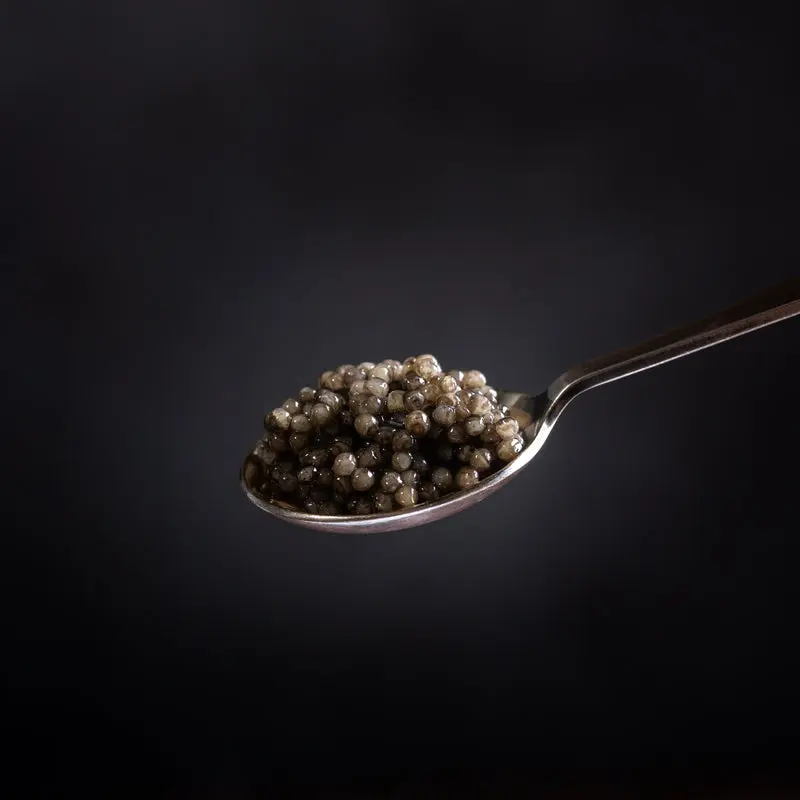
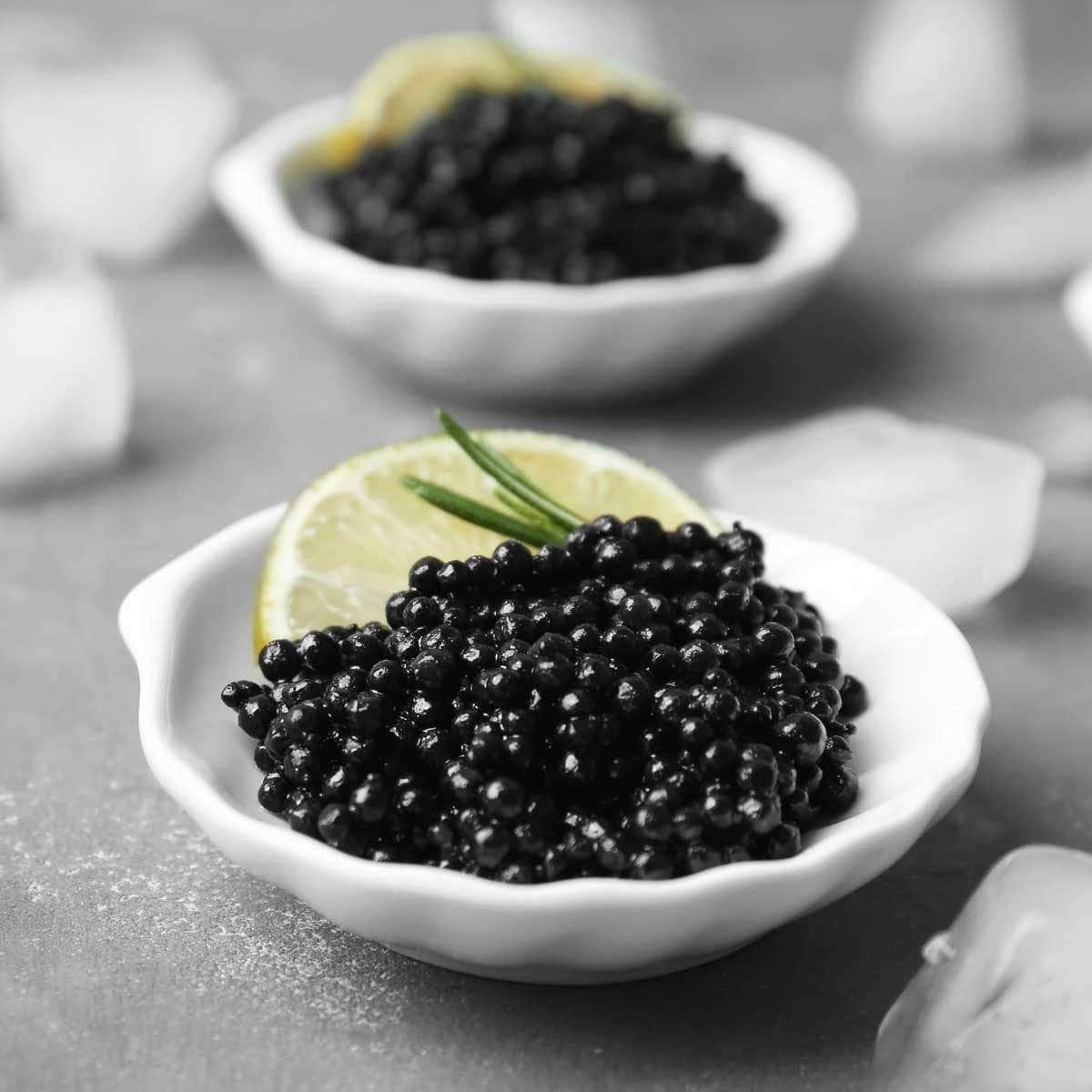
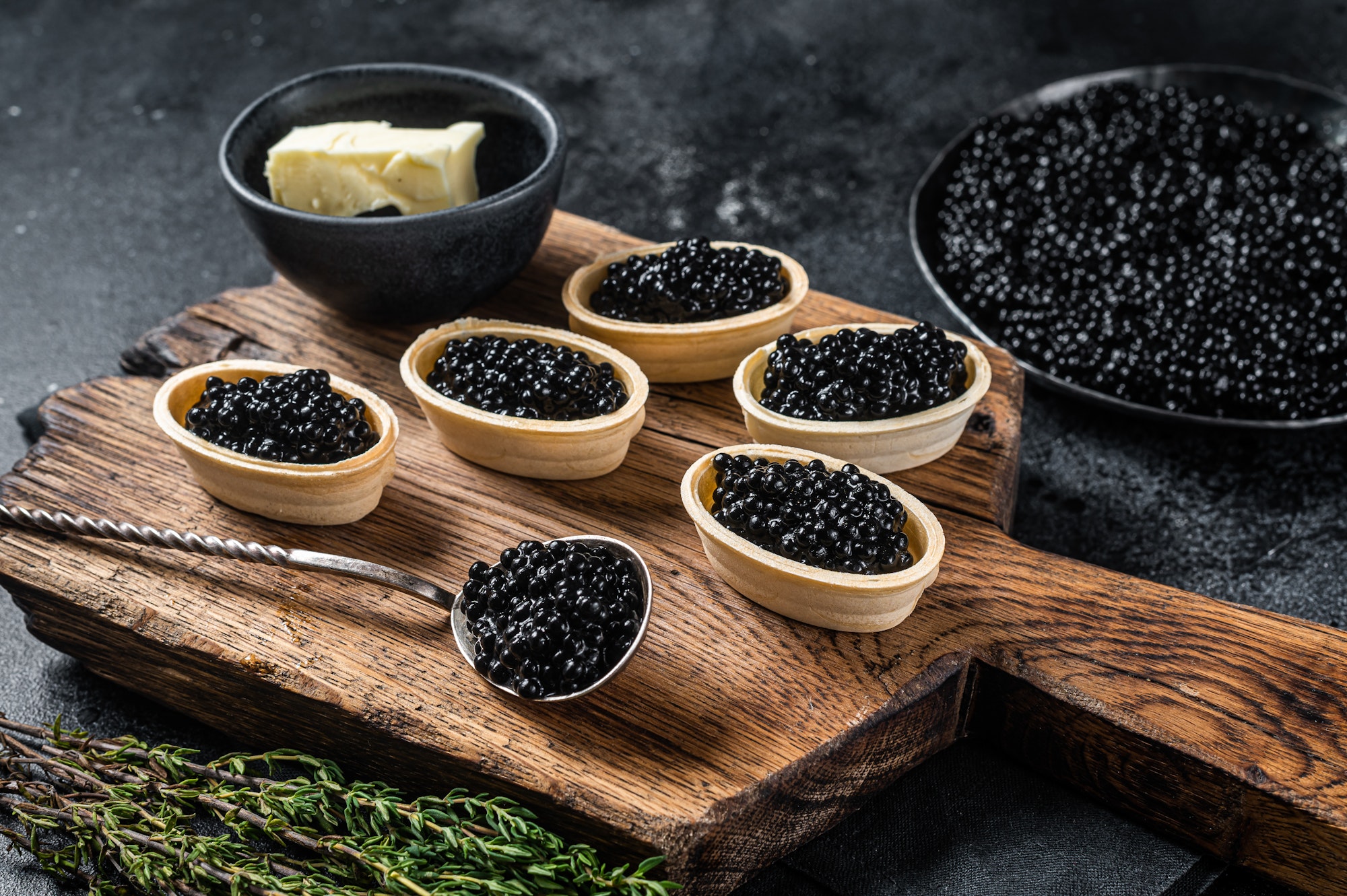
Caviar consists of unfertilized eggs from sturgeon fish—beluga, sterlet, European sturgeon, sevruga—not the ordinary “salmon roe” you find at the supermarket. These tiny, translucent pearls (2-3 mm) have a delicate membrane that bursts on the tongue, releasing flavors ranging from buttery to nutty to subtly briny. The color palette? From pale yellow through grey to classic black. Each shade, each variety—it’s a bit like wine tasting.
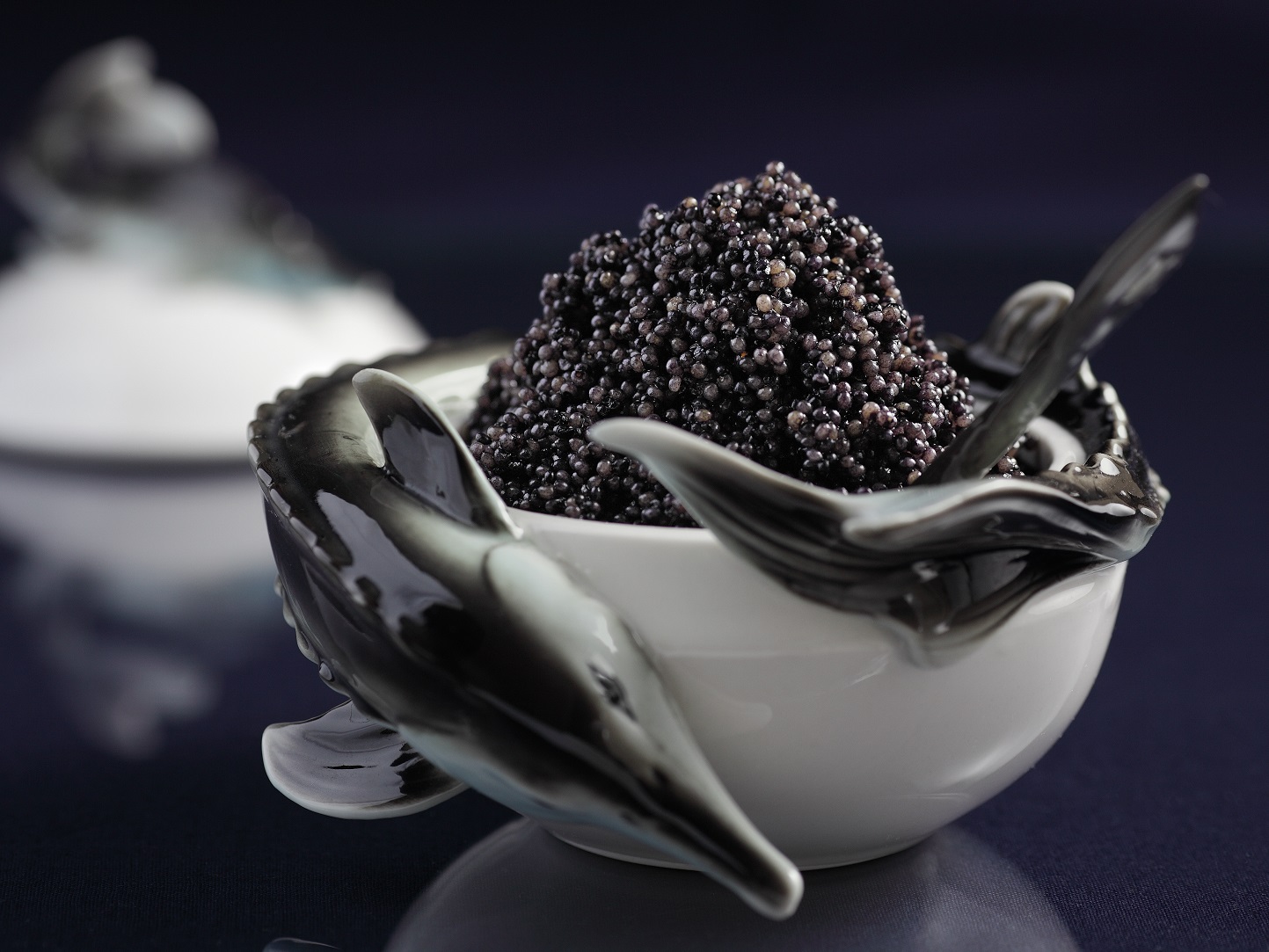
The global caviar market is now worth over USD 500 million a year, yet paradoxically—sturgeons are disappearing. Most species are protected under CITES, making every grain even more exclusive. And that’s exactly what fuels the fascination: rarity + flavor + status = a symbol of luxury discussed by chefs, collectors, and activists. The problem is, caviar today is not just a matter of taste—it’s a debate about ethics, sustainable farming, and the future of species that survived the dinosaurs but may not survive humanity.
From Persian delicacy to Polish farms – a brief history of caviar
Caviar is one of those flavors that bridge antiquity with modernity —though today it looks completely different than it did 2,500 years ago. Herodotus mentioned Persian caviar in the 5th century BC as a delicacy for the aristocracy, while the Chinese were fishing for sturgeon even earlier. Over the centuries, caviar from rare species took a strange path: at times it was a free snack in Russian taverns (eaten with black bread!), at other times a symbol of imperial opulence.
From Herodotus to the Tsars – the origins of the caviar legend
In medieval Venice, caviar trade was regulated as early as 1324, but the real boom came with 19th-century Russia and Iran—about 90% of the world’s production came from the Caspian Sea. Tsar Nicholas II exported beluga, and in interwar Poland, sturgeons from the Oder and Vistula provided local servings of the delicacy.
Overfishing, CITES, and the Birth of Sturgeon Farms
The 1990s were a disaster: sturgeon populations dropped by 85-95%. Between 1998 and 2000, CITES banned the export of beluga from the Caspian Sea. The response was aquaculture—China, Italy, and Poland began farming sturgeon in closed systems. The first beluga farms appeared in the Azores (2005), and a certified Polish sterlet farm followed in 2020—caviar shifted from a wild delicacy to a controlled product. Today, it’s a completely different game.
How luxury is created today – varieties, breeding, and controversies
Today, caviar from rare sturgeons is mainly a farmed product—the wild variety has virtually disappeared from the legal market. We’re talking about around 300–400 tons annually worldwide, with about 80% coming from aquaculture. But the prices? Still astronomical, driven by a complex mix of biology, economics, and considerable controversy.
The most valuable species and their prices
Beluga ( Huso huso) is the queen. Females mature at 15-22 years, and a kilogram of caviar costs $7,000-10,000. Osetra ( Acipenser gueldenstaedtii) is the “mid-range premium”: $1,000-3,000/kg, with a maturation period of 10-15 years. Sterlet ( Acipenser ruthenus) is the smallest and fastest (8-10 years), but still a luxury: $500-1,500/kg. The differences are due not only to grain size, but above all to the waiting time—each year means costs for feed, water, and supervision.
Breeding, numbers, and the shadows of the luxury market
China produces over 100 tons annually (mainly kaluga and osetra), Europe around 50 tons (Italy, France, Germany), Iran 20-30 tons. In Poland? Sterlet in Greater Poland and Podlasie – 5-10 tons of premium caviar per year, making it quite a serious player in the region. Modern farms rely on recirculating aquaculture systems (RAS): temperature control at 15-20°C, oxygen above 6 mg/l, sometimes hormonal stimulation (GnRH) to speed up spawning. There are also “no-kill” methods—massaging the belly instead of killing the fish—though these remain niche.
Controversies? Plenty:
- Wild beluga populations have dropped to less than 10% of their 1990 levels.
- Black market and counterfeiting (mixing with salmon roe, fake labels)
- Ethical dilemma: killing, hormones, farming conditions
- Sanctions on Russia and Iran drive up prices and fuel smuggling
Luxury comes at a price – and it’s not just about your wallet.
The future of caviar – how to choose wisely and responsibly
Caviar from rare sturgeons will be with us for a long time to come—but its face is changing. The global market, currently worth around $500 million, is growing by 5-7% annually, and forecasts suggest that certified aquaculture could supply up to 600 tons per year by 2030. This is good news for biodiversity—and for us, lovers of this luxury.
Where is the sturgeon caviar market headed?
The future lies in farms. Iranian expert Ali Akbar Khodaei puts it bluntly: “Farmed caviar is the future—wild is a myth.” More and more producers are opting for ASC or BAP certification, demonstrating transparency in the process. At the same time, science is moving forward—researchers are testing CRISPR gene editing to make sturgeons mature faster, as well as synthetic “caviar” made from seaweed for those who value taste over status. This isn’t science fiction; it’s the coming years, maybe a decade away.
My conscious choices when buying caviar
When buying caviar, I have real power. Here’s what I pay attention to:
- Certificates – CITES (international legality), ASC/BAP (farming standards)
- Label – species, country of origin, and packing date must be clearly visible
- Source – I prefer breeders with transparent communication, not anonymous brands
- Moderation – less often, smaller portions, better quality instead of frequent, suspiciously cheap deals
A conscious choice doesn’t mean giving up pleasure. It’s a way to enjoy luxury without guilt—while also voting with your wallet for the future of sturgeons. After all, every purchase is a decision about which industry you support.
Ziggy
Luxury Reporter editorial team
food & restaurants
