




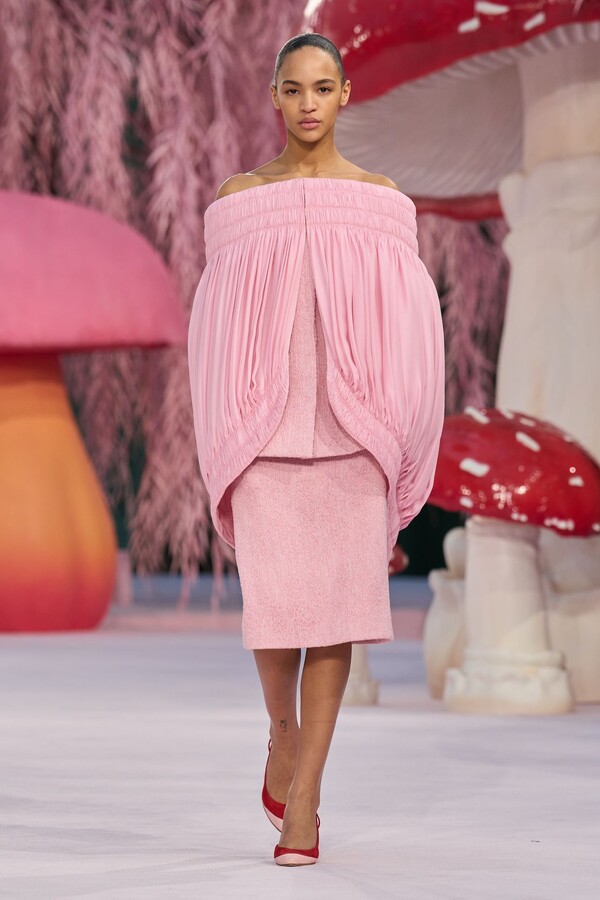
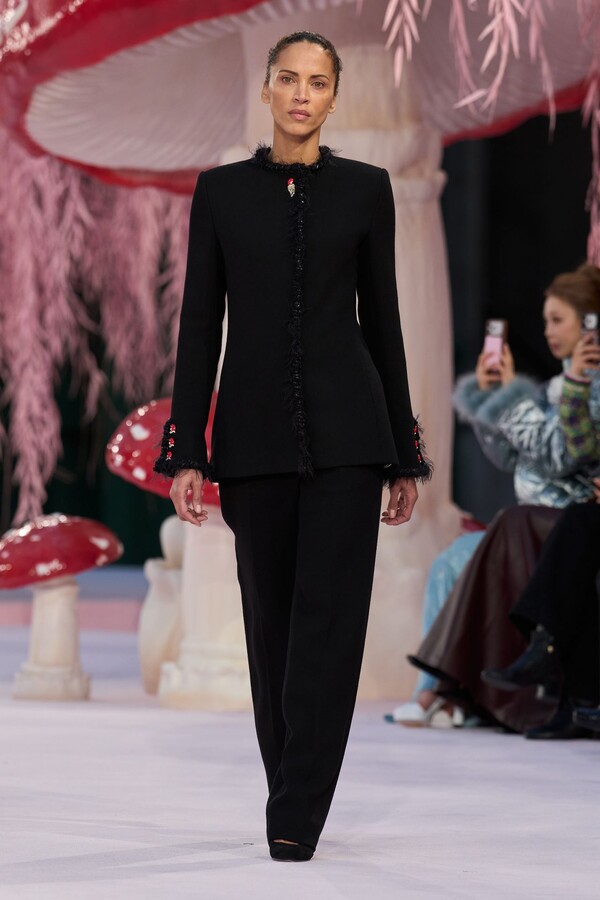
Under the glass dome of Paris’s Grand Palais, there was no monumental pomp or weight of history that usually accompanies debuts at major fashion houses. Chanel spring–summer 2026 haute couture is exceptional. Instead of boldness—a pastel dream, a pink mist, gigantic mushrooms straight out of a children’s fairy tale. A collection that is subtle, ethereal, fleeting. Almost like a fairy tale.
Matthieu Blazy, presenting his first haute couture collection for Chanel for the spring–summer 2026 season, did something surprising. Instead of trying to prove he deserved the position, he offered silence, lightness, and mindfulness.
Chanel spring–summer 2026. Disarming the legend without destroying its foundations
It was one of the most anticipated debuts of recent years, and at the same time one of the calmest haute couture shows we have seen in a long time. Blazy did not try to compete with the legend of Chanel or its “armor” built from tweed, symbols, and recognizable codes. On the contrary – he decided to disarm it. That is why he worked meticulously. Layer by layer. To the very essence. To the soul of fashion.
A waking dream under the dome of the Grand Palais
The designer conveyed his vision of fashion through the metaphor of a daydream. The collection began with almost invisible reinterpretations of classic forms. The tweed suit existed here only as a memory, captured in transparent chiffon, fastened with delicate chains and pearls. This was Chanel in a state of suspension. That is why the spirit of the past does not weigh down, but floats in the air.
A woman in motion, not in construction
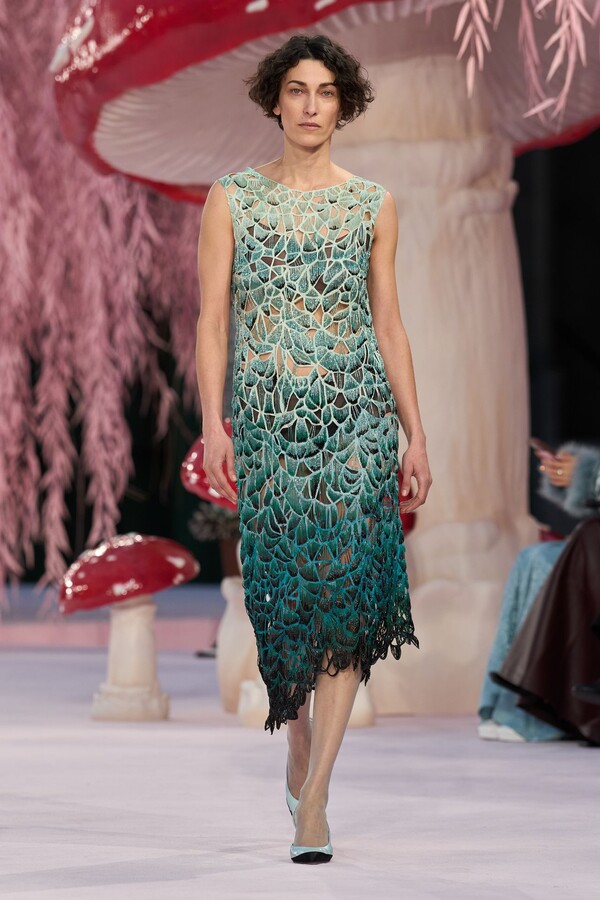
From this ethereal silence emerged a story of a woman in motion. A free woman. Blazy consistently avoided constructions that impose a shape on the silhouette. His designs moved together with the body. The materials used made them respond to a gesture, a step, even a breath. That’s why this haute couture is devoid of theatrical rigidity, yet impressive in its craftsmanship.
Craftsmanship that imitates nature
Technically, the collection was a showcase of the Chanel atelier’s capabilities. Materials mimicked nature. Thus, raw threads created the illusion of bird feathers, raffia transformed into black plumage, and trompe-l’oeil organza resembled an everyday set of a tank top and jeans—a motif close to Blazy’s aesthetic, here translated into the world of haute couture.
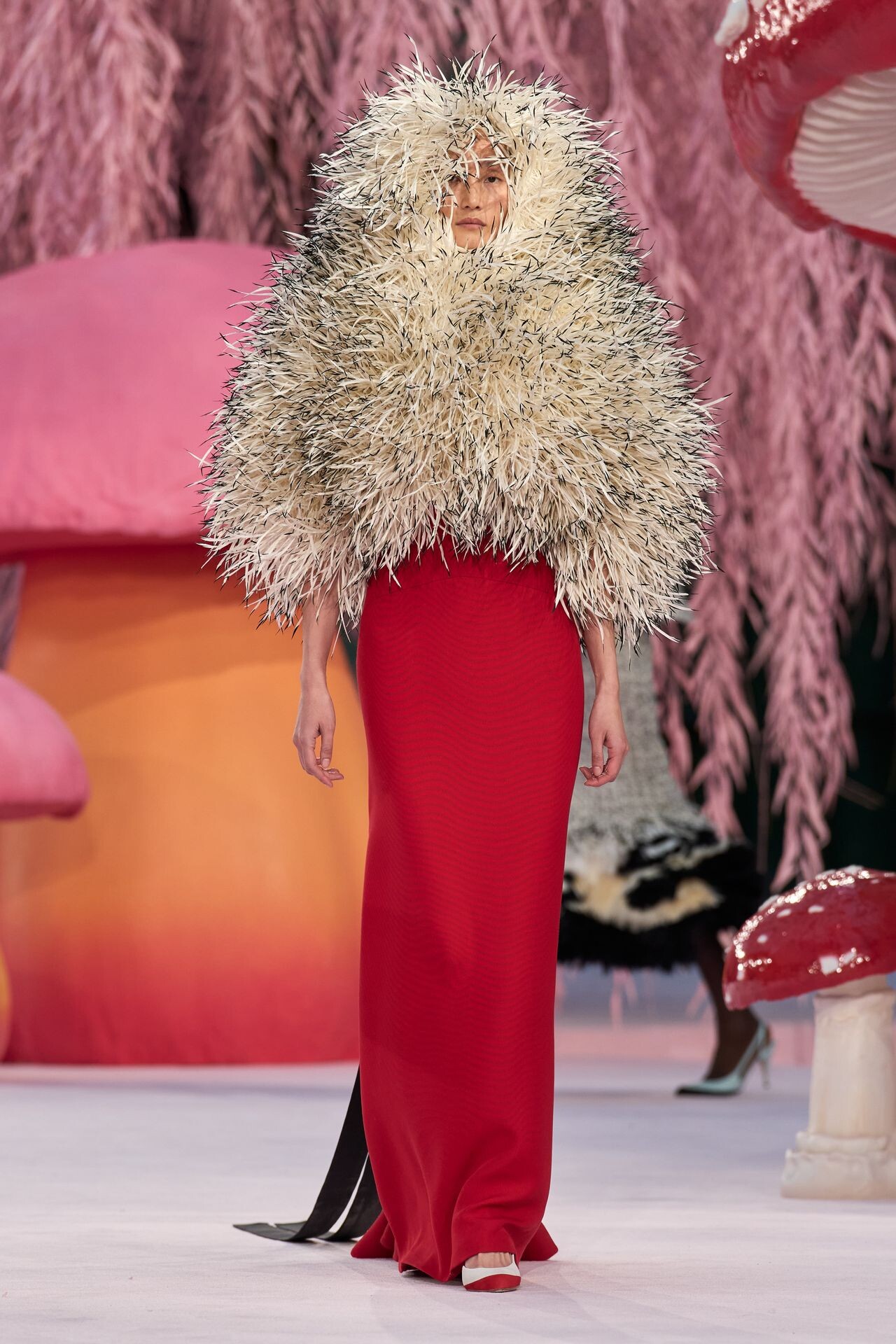
The final red dress with a soft, cocoon-like construction on the shoulders was like a manifesto of “mushroom couture”: organic, strange, beautiful in its ambiguity.
New proportions, same DNA
One of the key elements of the collection became a new proportion: below-the-knee skirts paired with long tops, tunics, and blazers. This duo—potentially risky—in Blazy’s interpretation turned out to be surprisingly light. The fabrics behaved like voile, draping the silhouette without restricting it. This is elegance that doesn’t dominate but accompanies.
Intimacy in the world of luxury
An important, though subtle, gesture was inviting the models to sew personal symbols and messages into the garments. This detail introduced something rare into the world of Chanel: intimacy. Haute couture ceased to be merely a display of perfection—it became a vehicle for identity.
Can Chanel speak in a whisper?
Blazy’s debut can be interpreted as a deliberate shift of focus: from total looks to individuality, from the “wow” effect to emotion, from the weight of heritage to its meaning.
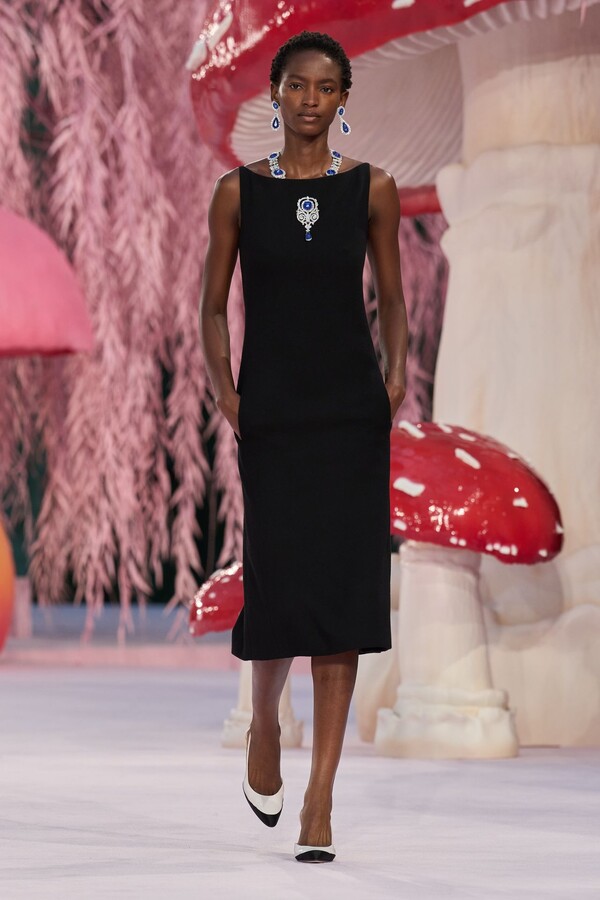
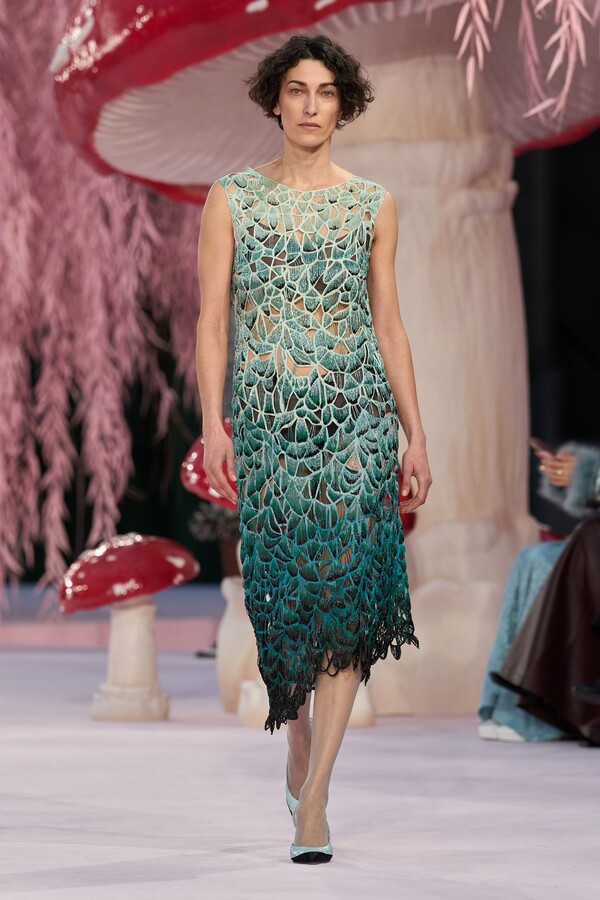
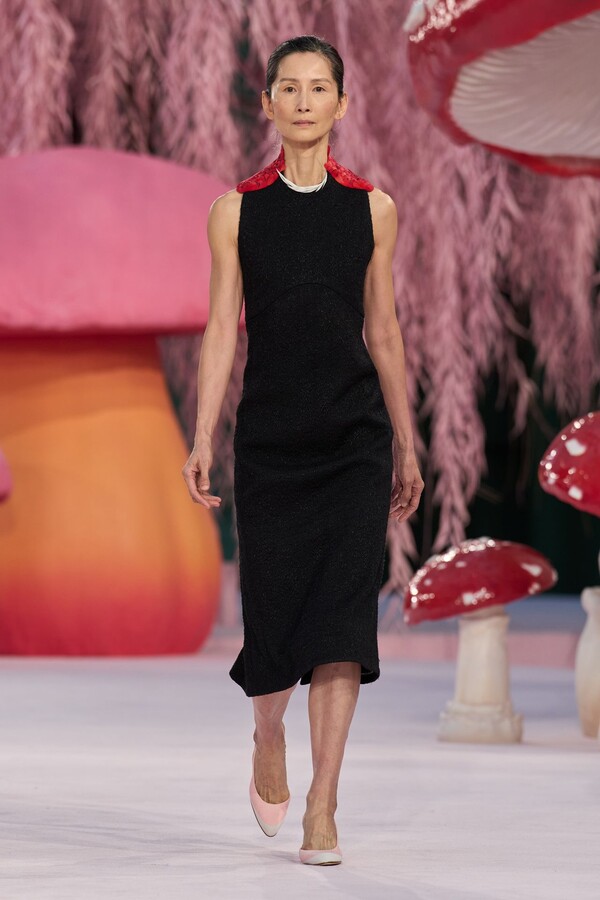
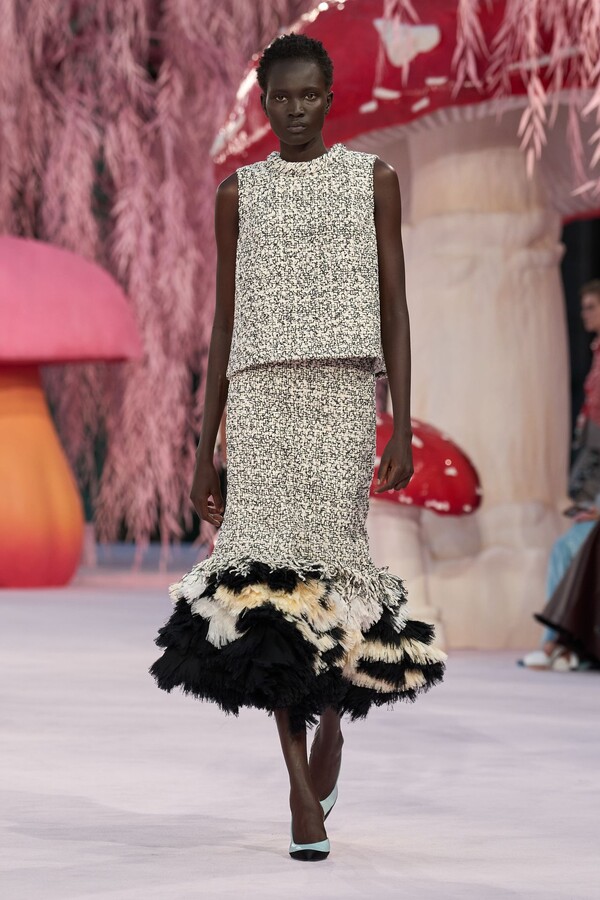
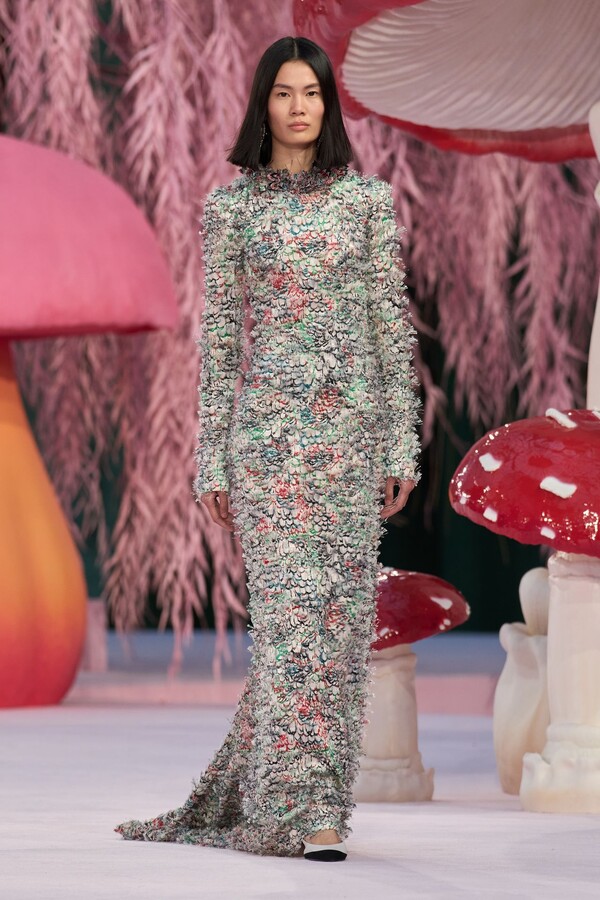
The designer seems to be asking whether Chanel—the iconic brand—can speak in a whisper today. And whether that whisper might sometimes be more persuasive than a shout.
Fashion as a space of freedom
Will clients, accustomed to the power of classic tweed, embrace this new, poetic lightness? That question remains open. One thing is certain, however: spring–summer 2026 is a collection that doesn’t try to convince everyone. It invites. To dream. To pause. And to see fashion not as armor, but as a space of freedom.
