




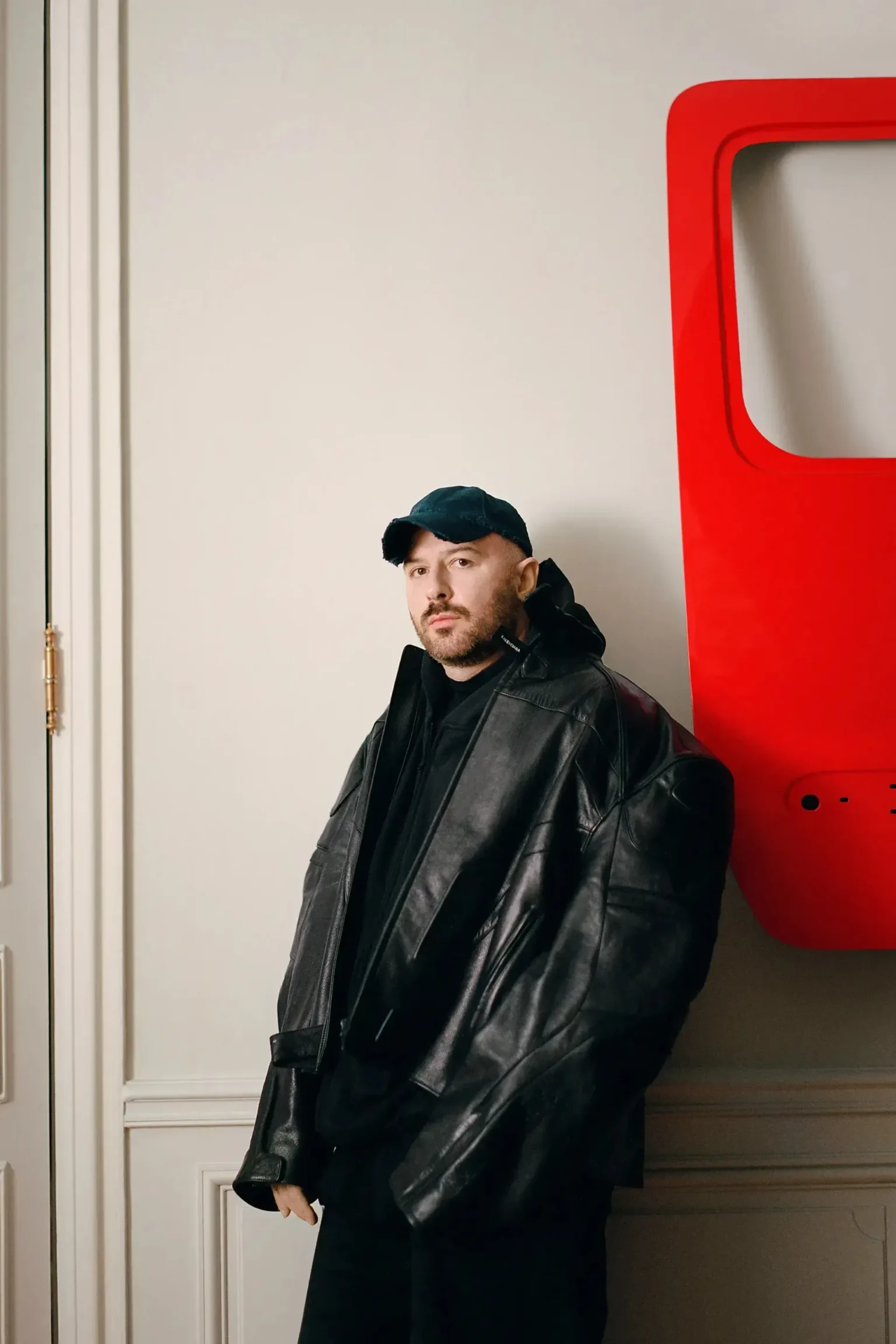
136 136 views within the first six hours – Gucci hasn’t seen such a reaction to an Instagram post in years. On March 13, 2025, at 2:30 PM Italian time, the fashion world stood still. A brief announcement on the official @gucci profile hit like a bombshell: Demna Gvasalia becomes the new Artistic Director of the fashion house. No fanfare, no lengthy explanations. Just the fact.
Shock in the luxury market: Demna’s groundbreaking appointment
But why now? Why is this decision causing such a stir?
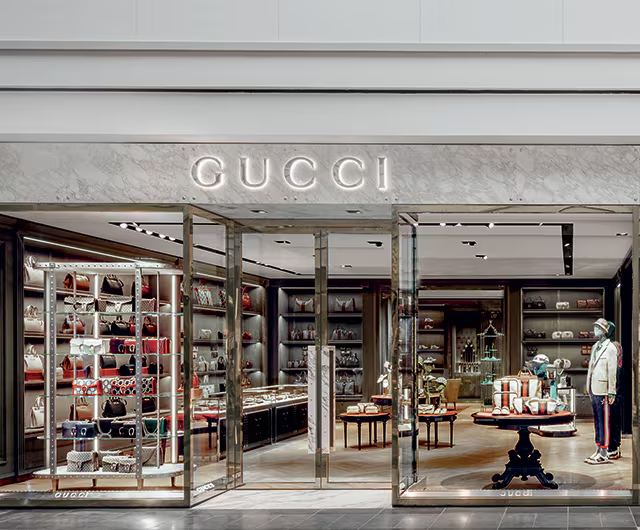
The context is harsh – Gucci recorded a 20% drop in sales in 2024. These are not numbers to be taken lightly in the world of luxury. Kering needed someone who could reverse this trend. And they chose the architect of streetwear, the man who spent years building Balenciaga.
François-Henri Pinault, CEO of Kering, makes no secret of what’s at stake:
“This is a bold move that will bring new energy to Gucci. We need someone who understands both the heritage and the future.”
The word “bold” here is an understatement. It’s more of a desperate move by someone who knows that conventional solutions no longer work.
What does this appointment actually mean for the entire industry? First – it marks the end of safe choices in fashion houses. Second – it’s an admission that the line between luxury and streetwear no longer exists. Third – it’s a signal to younger consumers that Gucci wants to speak their language.
In the next sections, we’ll take a closer look at Demna’s career and the aesthetic that has defined the last decade in fashion. We’ll also analyze the challenges he’ll face at Gucci and the industry’s reaction to this unexpected appointment.
One thing is certain – boredom in the world of luxury is officially over.
From Tbilisi to Milan: Demna’s Career and Aesthetic
When Demna Gvasalia when he was ten years old, his family fled war-torn Georgia. I remember reading an interview where he mentioned that in Düsseldorf, he wore the same clothes for months—not by choice, but out of necessity. That refugee experience shaped his perspective on fashion in a way no one had anticipated.
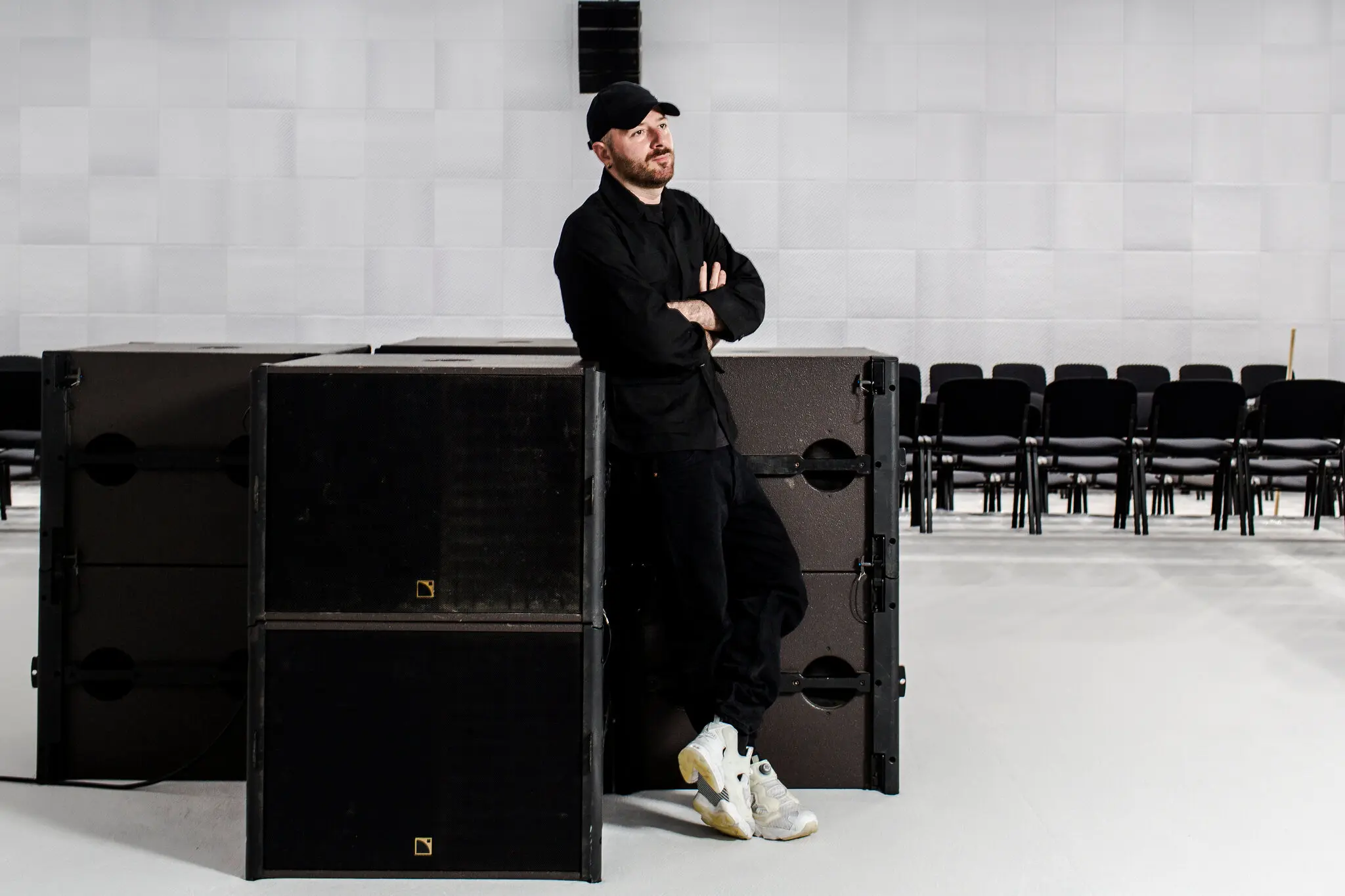
2014 brought Vetements. A brand that… well, was hard to define. He co-founded it with his brother, but Demna quickly became the face of the brand. I remember the industry’s shock—hoodies costing thousands that looked like they came from a thrift store. People were buying them like crazy.
Then came Balenciaga in 2015. And that’s when things got interesting.
- 2017: a bag just like the one from IKEA for “$2,145” – the internet went wild
- 2022: destroyed sneakers that looked like someone had found them in the trash
- 2021: collaboration with Kanye on the album “Donda”
Every project sparked controversy, but also admiration. Demna has a talent for creating things that both shock and fascinate. His aesthetic is a blend of luxury and street style, high fashion and irony.
Interestingly, he always speaks about fashion as a social message. He doesn’t just design clothes—he tells stories. About migration, about identity, about how fashion can be a tool for commenting on reality.
In Balenciadze for a decade, he built an empire based on deconstructing everything that fashion held sacred. Proportions? Turned upside down. Classics? Transformed beyond recognition. Luxury? Completely redefined.
Now, he faces a new challenge. Gucci it’s a different league, different traditions, a different audience. But it’s this very unpredictability that could be its greatest strength.
Gucci’s Strategic Shift: Business and Creative Impacts
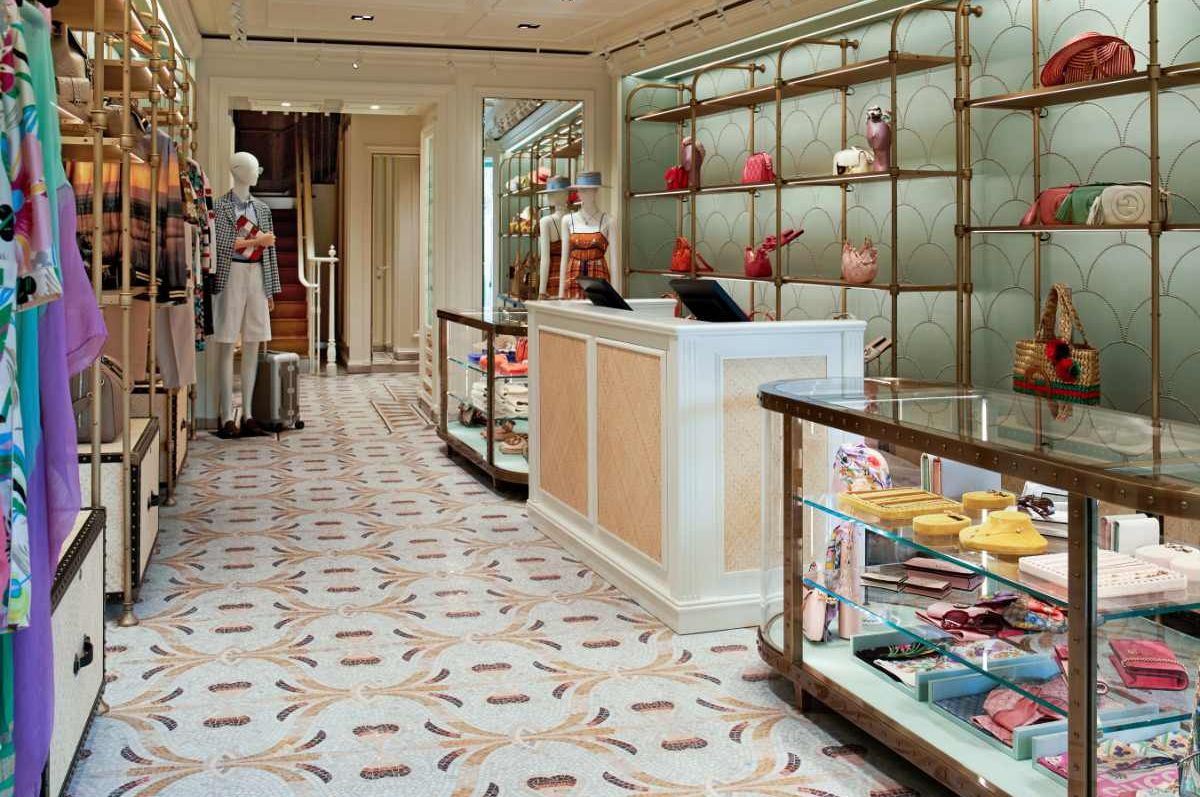
A 20% drop in 2024 – this was probably Gucci’s worst year in a decade. But maybe that’s exactly why appointing Demna as creative director feels like such a bold move?
Analysts are already talking about the “Demna effect” and are forecasting revenue growth of up to 30% by 2027. It sounds optimistic, though it’s worth remembering these are still just projections.
The first concrete projects have already been announced. In September 2025 This year, we’ll see a 35-minute film showcasing the SS26 collection—a rather unusual format for a fashion presentation. At the same time, the “Shift Sneaker,” a new sports shoe model, will be launched. Interestingly, a collaboration with Lee Know has already been planned, showing that Gucci is clearly targeting a younger demographic. Reactions on social media are sharply divided – some see it as a revolution, while others view it as the end of an era.
| Aspect | Before Demna | After Demna |
|---|---|---|
| Annual sales | 20% decrease (2024) | Forecast: 30% growth by 2027 |
| Presentation format | Traditional shows | 35-minute videos |
| Key products | Bags, accessories | Sneakers, streetwear |
| Target group | 35+ premium | 18-35 luxury streetwear |
Industry media are cautiously optimistic. WWD writes about a “calculated risk,” while Vogue Business highlights the potential in the young consumer segment. The competition is also watching closely—apparently, there’s some tension at Saint Laurent and Balenciaga.
What strikes me is the pace of change. Usually, such transformations in luxury fashion houses take years. Here, everything is happening very quickly. Maybe that’s the key to regaining their position? Or perhaps moving too fast will have the opposite effect.
So far, the market is reacting calmly. Kering shares have risen by 8% since the announcement, but that may just be the initial response. The real test will come next year, when the first collections hit the stores.
The way forward: what can we expect from the Demna era
The Demna era at Gucci is more than just a change of creative director—it’s a real test of whether luxury fashion can find its place in a new world. The stakes are high, as it’s about the future of one of the most recognizable brands in the world.
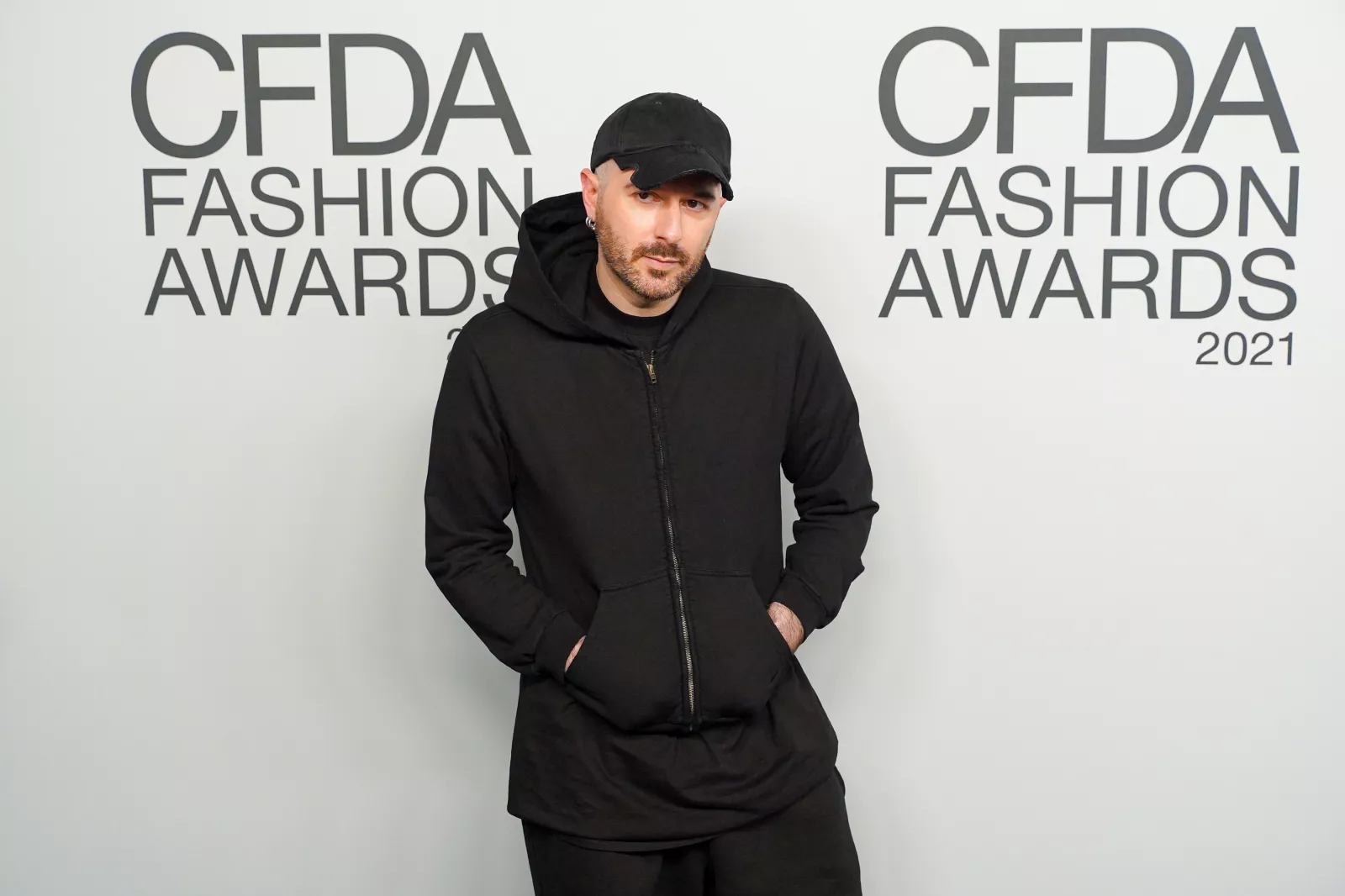
The fashion market will have to adapt to a new reality over the next two years. Artificial intelligence is already transforming the way collections are presented—some brands are experimenting with virtual shows, while others are opting for films instead of traditional runways. Demna, after all, has long enjoyed mixing formats, so we’ll likely see something unconventional.
Milan Fashion Week in 02/2026 will be a pivotal moment. That’s when Demna’s first full show for Gucci is scheduled. It’s already clear this will be an event watched closely by the entire industry—not just out of curiosity, but because the outcome will reveal whether Kering’s strategy is working.
What can you do as an observer of these changes? First—mark 02/2026 in your calendar. This show will be a true test. Second, it’s worth tracking MIV (Media Impact Value) indicators—a great way to measure the real impact of new collections on brand perception. Third, consider how these changes might influence your own decisions—whether as a consumer or as an investor.
The luxury industry is currently going through a period of uncertainty. Younger generations shop differently than their parents, sustainability is no longer a trend but a requirement, and social media is changing the way brands communicate with their clients. Under Demna’s leadership, Gucci will need to find a balance between the brand’s heritage and modernity. Watching Gucci’s next moves in the coming months may prove to be a fascinating lesson in how luxury adapts to new times.
