




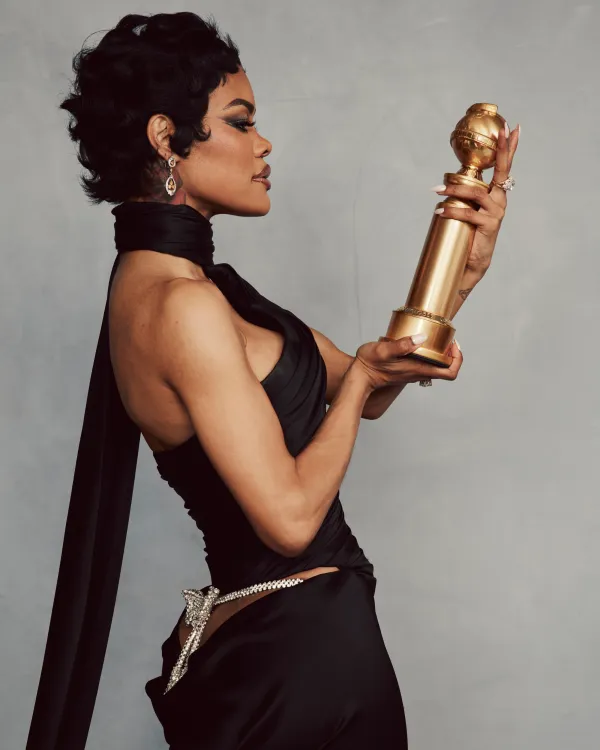
A decade ago, the red carpet was a temple of haute couture. Today, it serves simultaneously as a fashion show, an advertising campaign, and content tailored for Instagram and TikTok algorithms. This year’s Golden Globes 2026 perfectly illustrated this shift. On one hand, we witnessed spectacular glamour, hand embroidery, and deliberate references to the Golden Age of Hollywood. On the other, there were outfits designed to work just as well in a five-second social media clip as they do in a photojournalist’s lens.
The red carpet as the new center of fashion communication
The modern red carpet is now one of the most important marketing tools for fashion houses. A gown worn by a celebrity at the Globes can generate more reach than a traditional advertising campaign. Designers no longer create solely “for the expert’s eye.” They also design with smartphone framing, video dynamics, and meme potential in mind.
The Golden Globes 2026 were, in this respect, an exceptionally self-aware showcase. Three trends dominated: black glamour and sheer fabrics, bold colors designed to shine under the flash, and a return to the archives—but filtered through the aesthetics of the 21st century.
The most important creations of the evening – fashion that builds a narrative
The most excitement was sparked by Teyana Taylor’s outfit. Her black, ultra-sexy creation featuring an exposed “diamond thong” was hailed by American media as the most viral look of the gala. It’s a symbol of pushing the boundaries of dress codes at events that, until recently, were considered bastions of classic elegance. Here, it wasn’t just about the beauty of the gown, but about the message: the red carpet is now a place for performance, not just for showcasing attire.
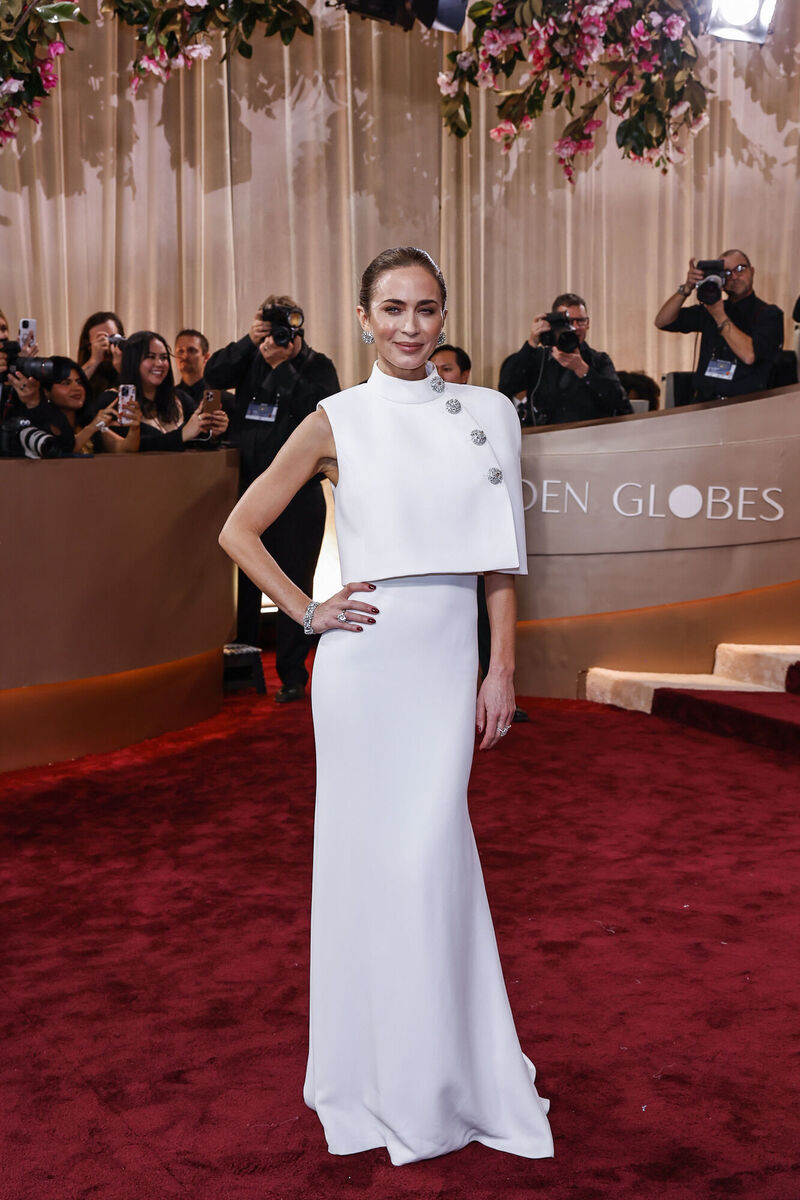
Emily Blunt’s gown by Louis Vuitton was from a completely different register. The gold-and-silver creation, featuring a structured corset and a soft, shimmering skirt, demonstrated how contemporary glamour merges sculptural form with the theatricality of light. It was a perfectly thought-out red carpet look: striking in motion, photogenic from every angle, and at the same time rooted in a classic understanding of luxury.
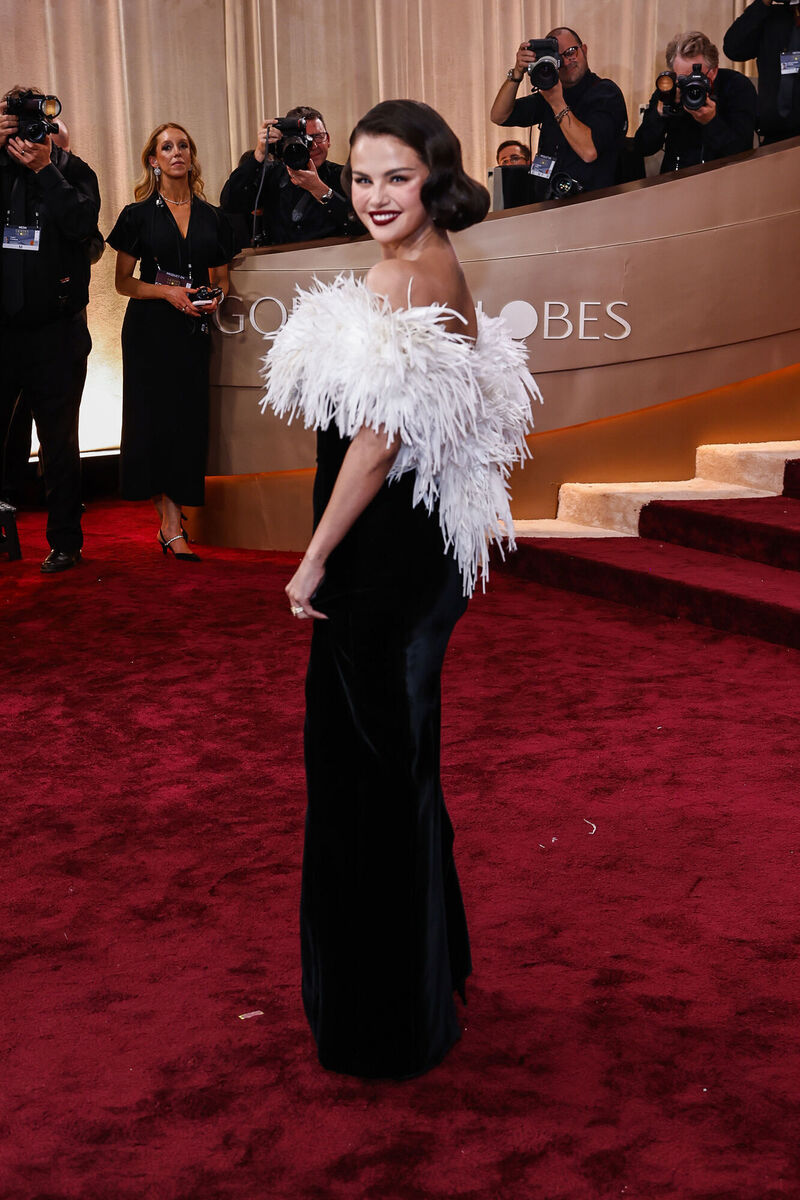
Selena Gomez opted for Chanel and an old Hollywood aesthetic. Her strapless, “feathered” gown looked like a reinterpretation of archival designs from the 1950s, but filtered through a contemporary lightness. This is exactly the strategy that major fashion houses use today: drawing on their own history, but telling it in a language that works well on social media.
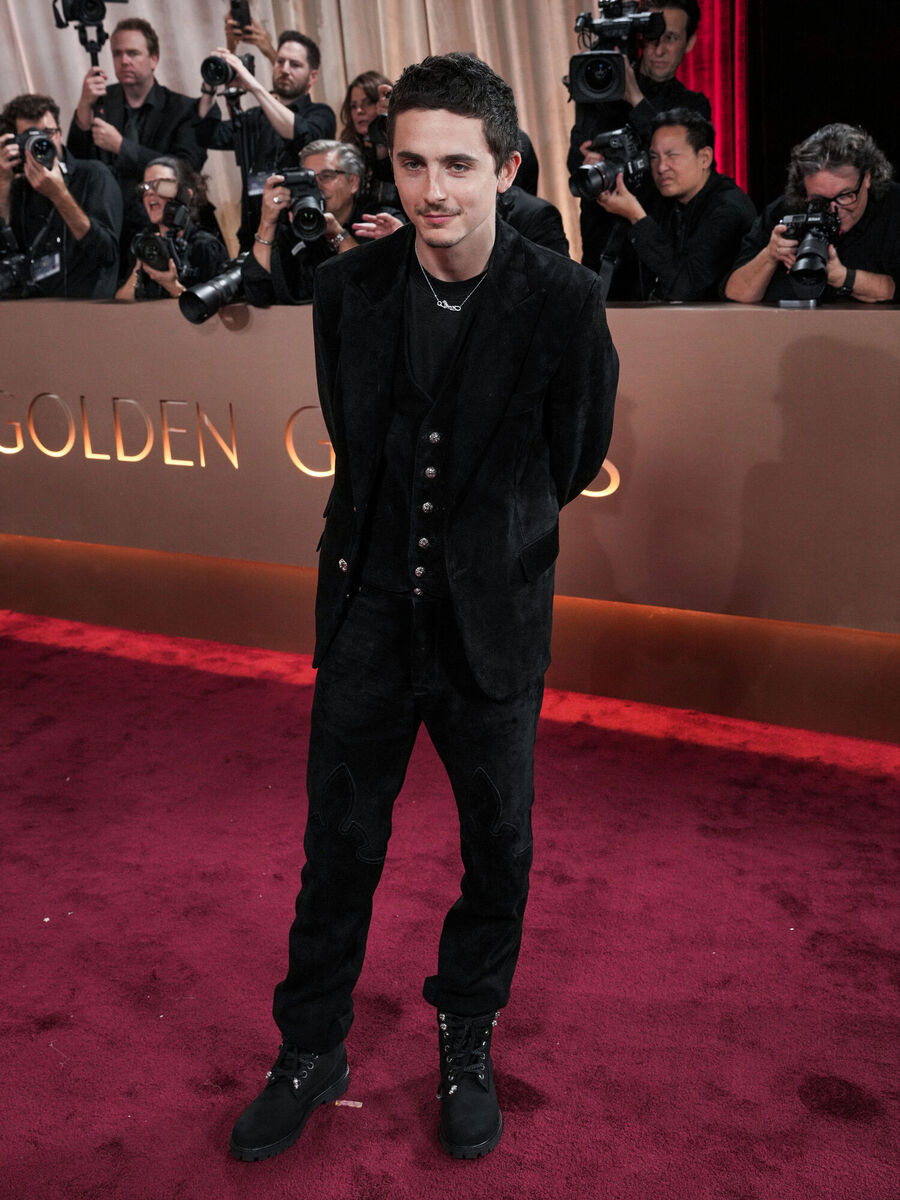
In men’s fashion, Timothée Chalamet attracted the most attention in a velvet Chrome Hearts suit, paired with bold Cartier jewelry. This is a clear sign that the classic tuxedo is losing its monopoly on elegance. The men’s red carpet is increasingly becoming a space for expression, a flirtation with rock aesthetics and jewelry, which just a few years ago would have been considered too extravagant.
On the opposite end was Rose Byrne’s gown—an emerald, crystal-embroidered dress that took over 200 hours to create. It’s proof that craftsmanship still has its place, but today it must be enhanced with color and light designed to “work” on screens and through lenses.
Who shone not only with fashion, but also with awards
This year’s Golden Globes were also an important artistic moment. Jessie Buckley won the award for Best Actress in a Drama for her role in “Hamnet,” cementing her position as one of the most intriguing actresses of the younger generation. In the comedy or musical category, Rose Byrne triumphed for “If I Had Legs I’d Kick You,” combining artistic success with fashion — her outfit was one of the most highly praised of the evening.
Timothée Chalamet was named Best Actor in a Comedy or Musical for “Marty Supreme.” Meanwhile, his look became one of the most talked-about men’s outfits of the gala. Among the series winners, the names of Rhea Seehorn, Noah Wyle, Jean Smart, and Seth Rogen stood out in particular. This automatically translated into interest in their fashion choices.
This shows that today, fashion and awards operate within the same media circuit. Styling is part of the narrative of artistic success, and artistic success enhances the power of styling.
Which fashion houses won the evening
Louis Vuitton has strengthened its position as the master of next-generation Hollywood glamour. Emily Blunt’s look, along with several other sculptural corset-based silhouettes, demonstrated that the brand is consciously building the image of a fashion house that understands the cinematic nature of the red carpet.
Chanel, on the other hand, consistently proves that an archive today is not a museum, but a living tool of communication. Selena Gomez’s styling was the best example of this—classic in spirit, yet designed to suit the aesthetics of modern media.
Chrome Hearts, in collaboration with Cartier, surprised everyone at the Globes by creating one of the most talked-about men’s looks. It’s a sign of the times: the red carpet is no longer the exclusive domain of haute couture houses, but is also becoming a space for brands rooted in street and rock culture.
Is the red carpet still a showcase for sartorial craftsmanship?
This is one of the most frequently asked questions in the fashion world today. The answer is not straightforward. The artistry of craftsmanship still exists—embroidery, corset constructions, and hand finishes remain the foundation of many creations. However, the way it is evaluated has changed.
In the past, mastery was measured by the perfection of cut and craftsmanship. Today, there is yet another dimension: the ability of a creation to come alive in the media. A dress must be beautiful not only in person, but also on a smartphone screen, in motion on video, in the condensed format of a Reel. The designer thus becomes not only a craftsman, but also a visual strategist.
What are red carpet creations today?
Today’s outfits are no longer just clothes. They are statements. About an actress’s image, about a brand’s identity, about the direction in which visual culture is heading. A red carpet creation doesn’t have to be the most beautiful in the classic sense—it just needs to be meaningful, talked about, and memorable.
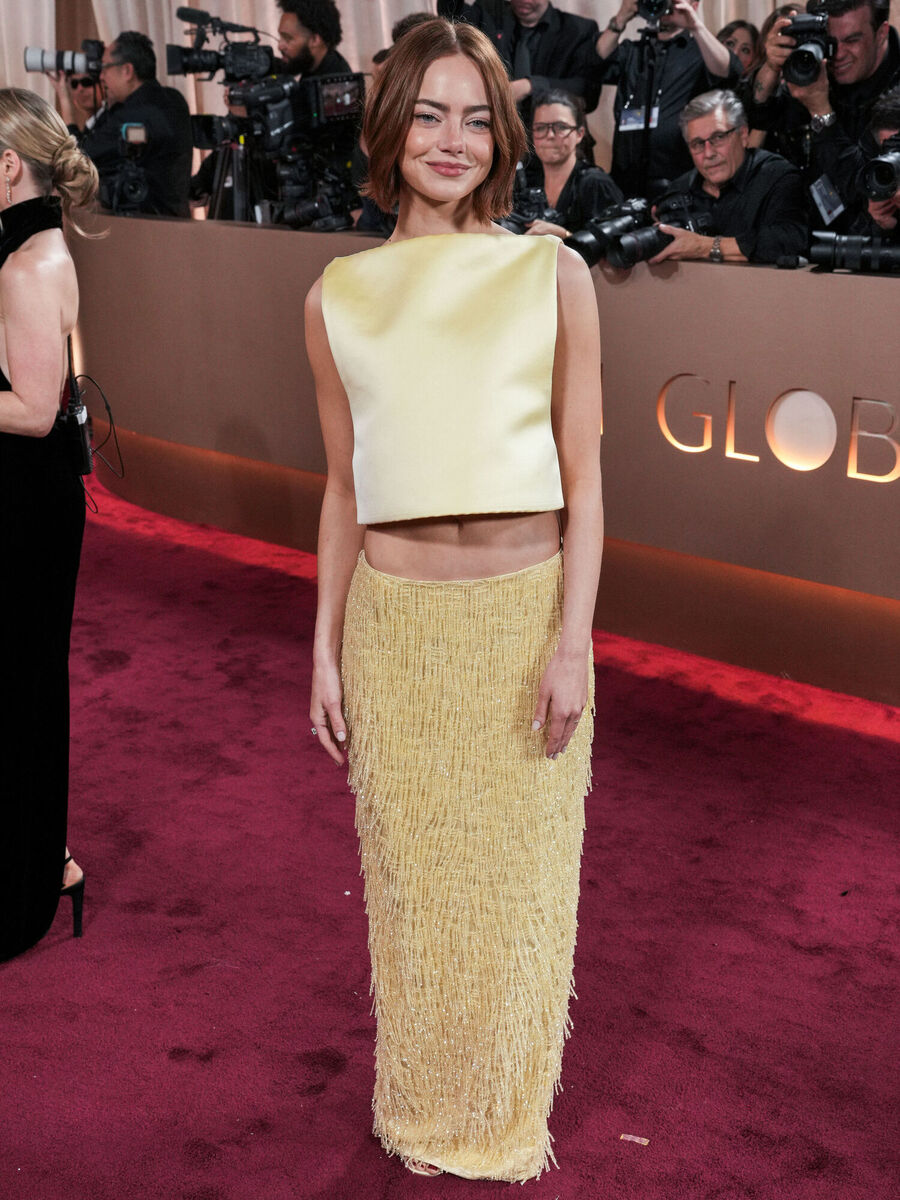
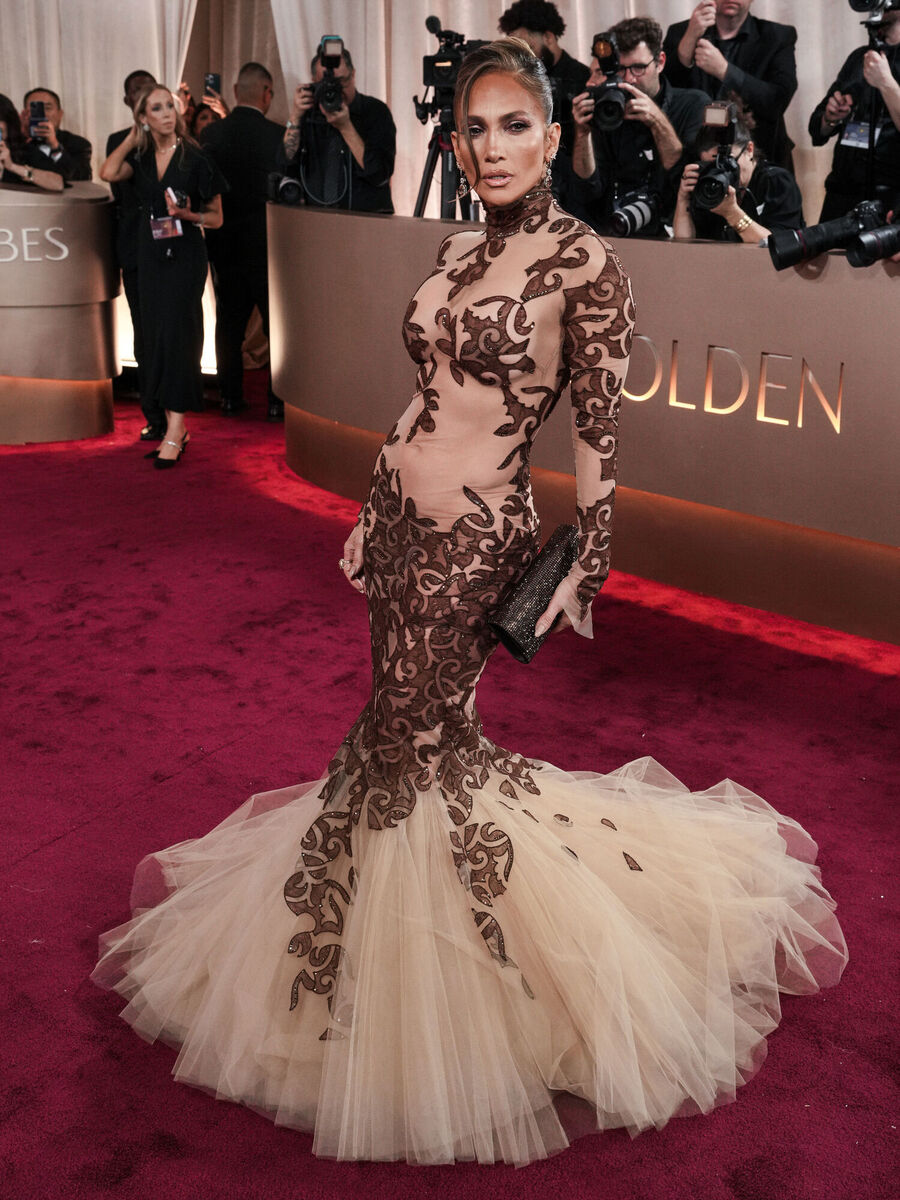
The Golden Globes 2026 perfectly showcased this transformation. From Teyana Taylor’s spectacular provocation, through Hollywood glamour by Louis Vuitton, to archival elegance from Chanel. Each of these looks was part of a bigger story. Not just about fashion, but about how prestige, recognition, and emotion are built today.
The red carpet has not ceased to be a stage for fashion. However, the repertoire has changed. Instead of a single act titled “craftsmanship,” today we witness a multi-layered spectacle: craftsmanship, image strategy, and viral culture all in one setting. And that is precisely why red carpet fashion continues to fascinate. Not only because of how it looks, but also because of what it says about our times.
