




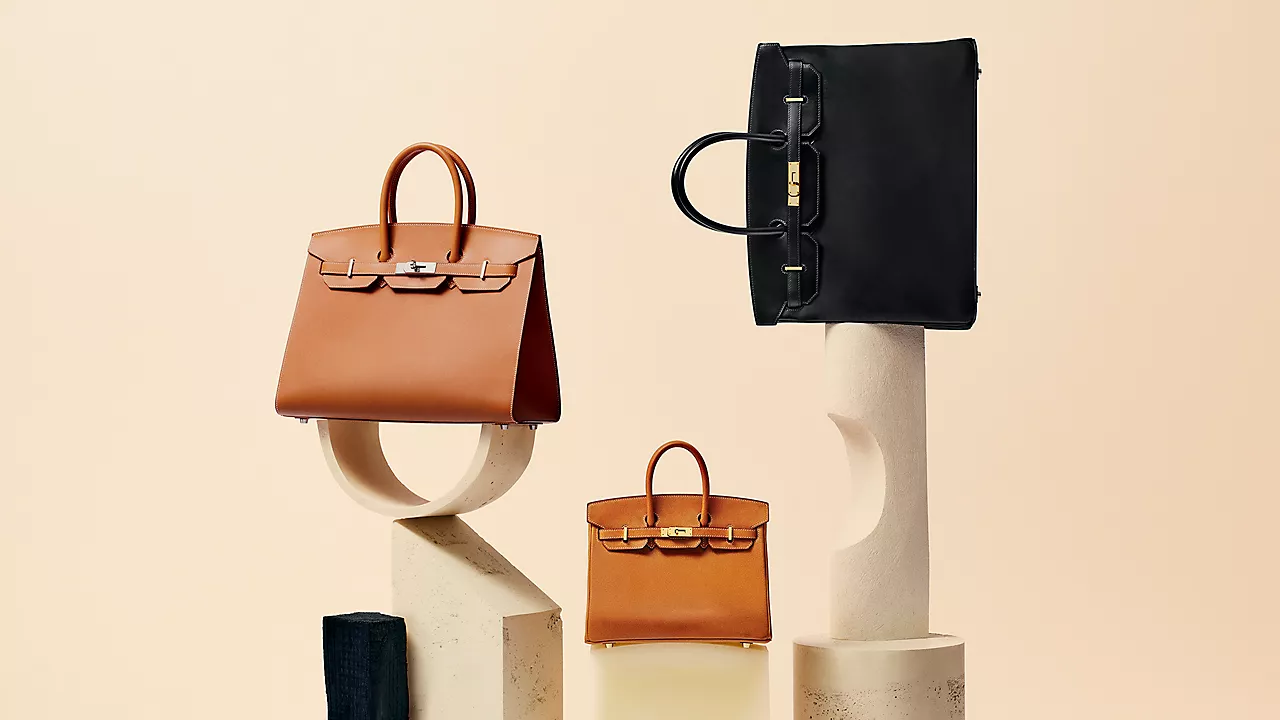
The luxurious Birkin bag has long been regarded as a symbol of prestige and exclusivity. For many people around the world, it is not just a wardrobe accessory but also an investment. At auctions, it fetches prices higher than gold or works of art. It’s no wonder that the rules surrounding its sale spark strong emotions. In the United States, a lawsuit unfolded that attracted the attention not only of fashion enthusiasts but also of lawyers specializing in antitrust law. The Hermes vs. client case will go down in history.
Hermès vs clients – allegations of a “hidden lottery”
Three customers have sued the French fashion house, claiming that in order to buy a Birkin bag, you first have to spend a fortune on other accessories—scarves, shoes, or jewelry. According to the plaintiffs, Hermès boutiques operate a kind of “hidden lottery.” People with the “right purchase history” are moved to the front of the waiting list, while new customers are left with no chance. They argue that this is an unfair practice that artificially inflates the real price of the iconic bag.
Court ruling: Hermès may decide who can buy a Birkin
The case was decided by Judge James Donato in California. This is the second time he has dealt with the Hermès vs clients dispute. Once again, he ruled in favor of the French fashion house. In the September 2025 verdict, he stated that although the sales policy may seem strict, it does not constitute a violation of fair competition rules.
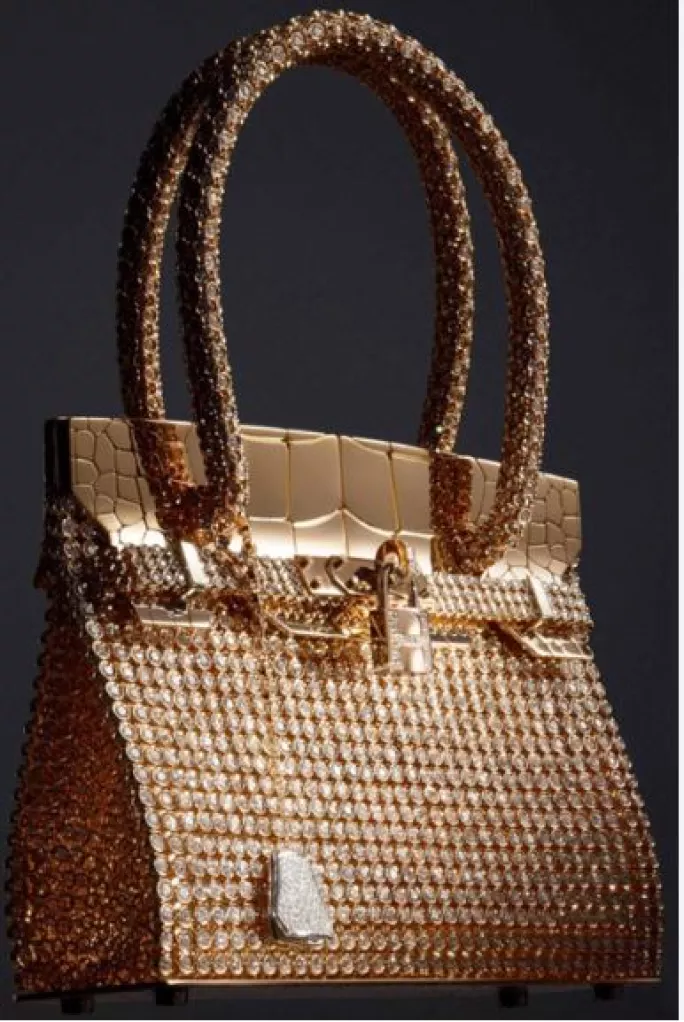
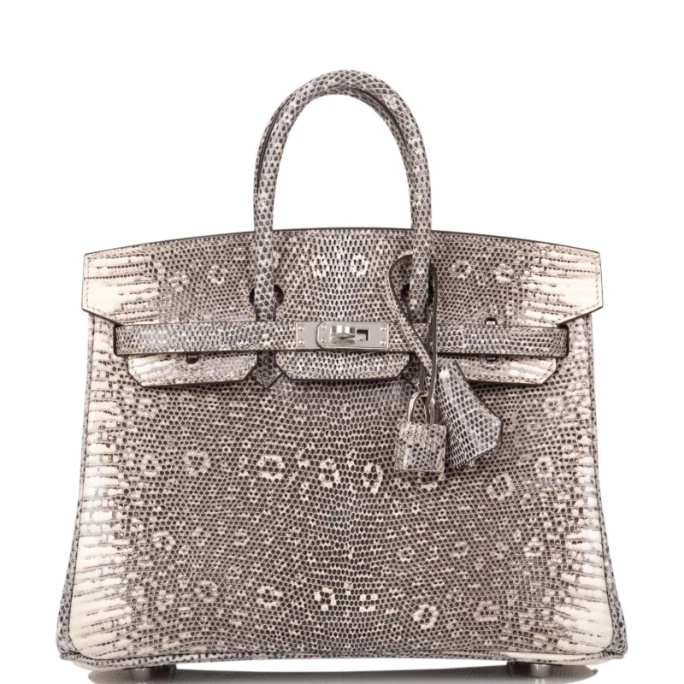
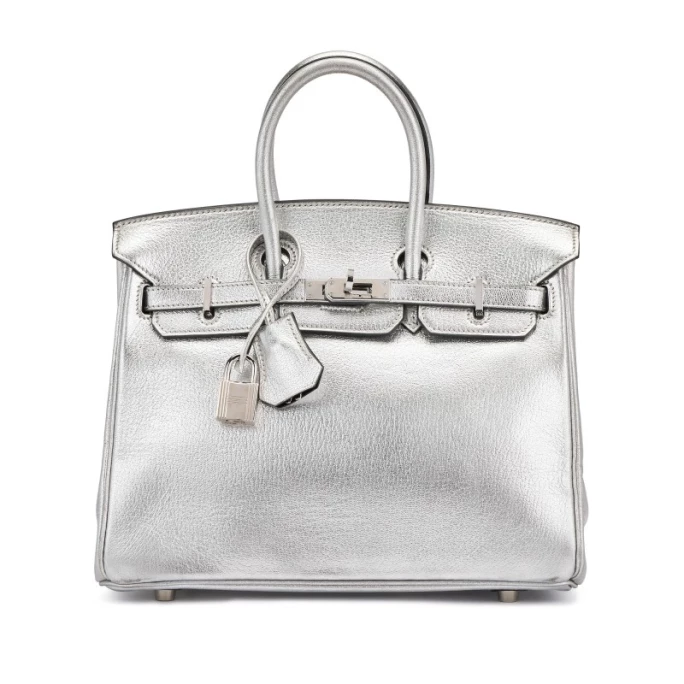
“It may be the case that Hermès reserves ‘Birkin’ bags for those customers who spend the most, but this practice does not break the law,” the judge wrote. Furthermore, he stated that the plaintiffs will not be able to appeal this decision. As a result, the verdict is stirring even more controversy.
Why did Hermès win?
What was crucial for the court was that the luxury goods market is competitive. As Donato pointed out, if Hermès requires customers to spend large amounts, it opens the door for competitors who can offer their own luxury handbags without additional requirements. This means that the brand’s exclusivity-based policy remains within the bounds of the law. Such a sales practice does not constitute a monopoly. Therefore, Hermès is right and can continue to sell the Birkin bag to “selected” customers.
Birkin bag – luxury beyond reach for most
The verdict in the Hermes vs. client case clearly shows that the Birkin bag remains an absolutely exceptional item.

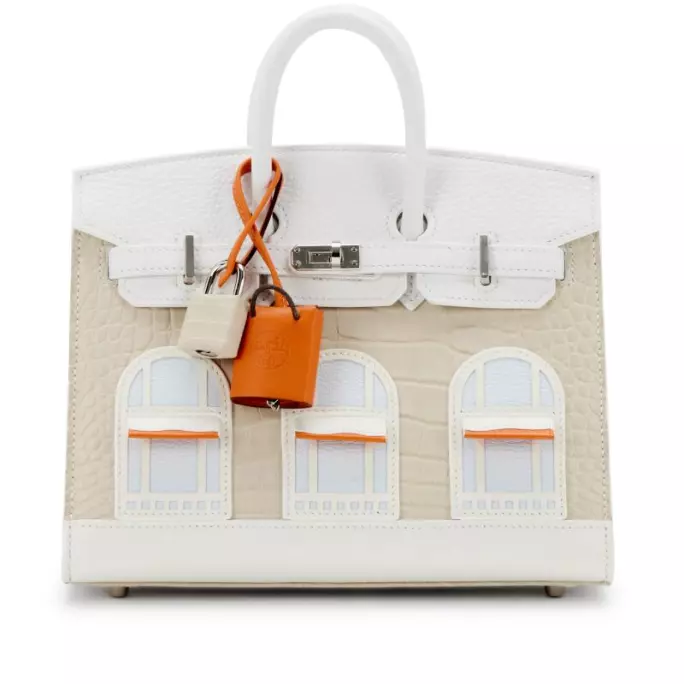
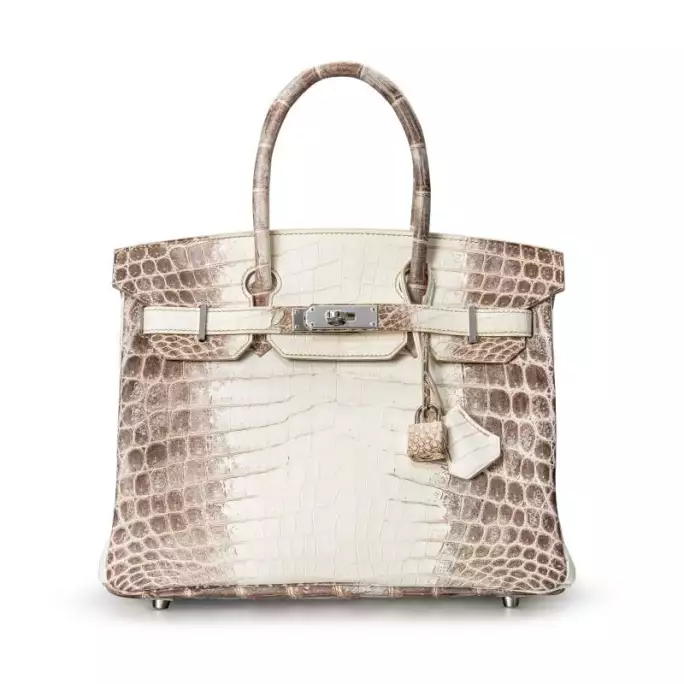
Available not only to those with the means, but also to those who have spent years building a relationship with the brand. Hermès’s strategy is not about mass sales, but about nurturing the product’s status and uniqueness. Perhaps that’s why it is the only brand that remains unaffected by the crisis in the luxury goods market.
Hermès vs clients – what’s next?
Although the losing clients can no longer appeal the decision, the case has sparked a global debate. Some admire Hermès for its consistency in maintaining the prestige of the Birkin bag. Others, however, see it as an example of discrimination and artificially restricting access. Regardless of opinions, one thing is certain. The Hermès vs. clients case has confirmed that luxury brands have the right to decide who can join the ranks of owners of the world’s most coveted handbags—and under what conditions.
