In 2024, premium apartments around the world are increasingly regulating the temperature on their own, ordering electricity from the cheapest source, and ventilating rooms—all without a single touch. This isn’t science fiction, but hyper-automation: a fusion of AI, machine learning, IoT, and sensors that creates a zero-touch home.
Hyper-automation in premium residences – from smart home to zero-touch living
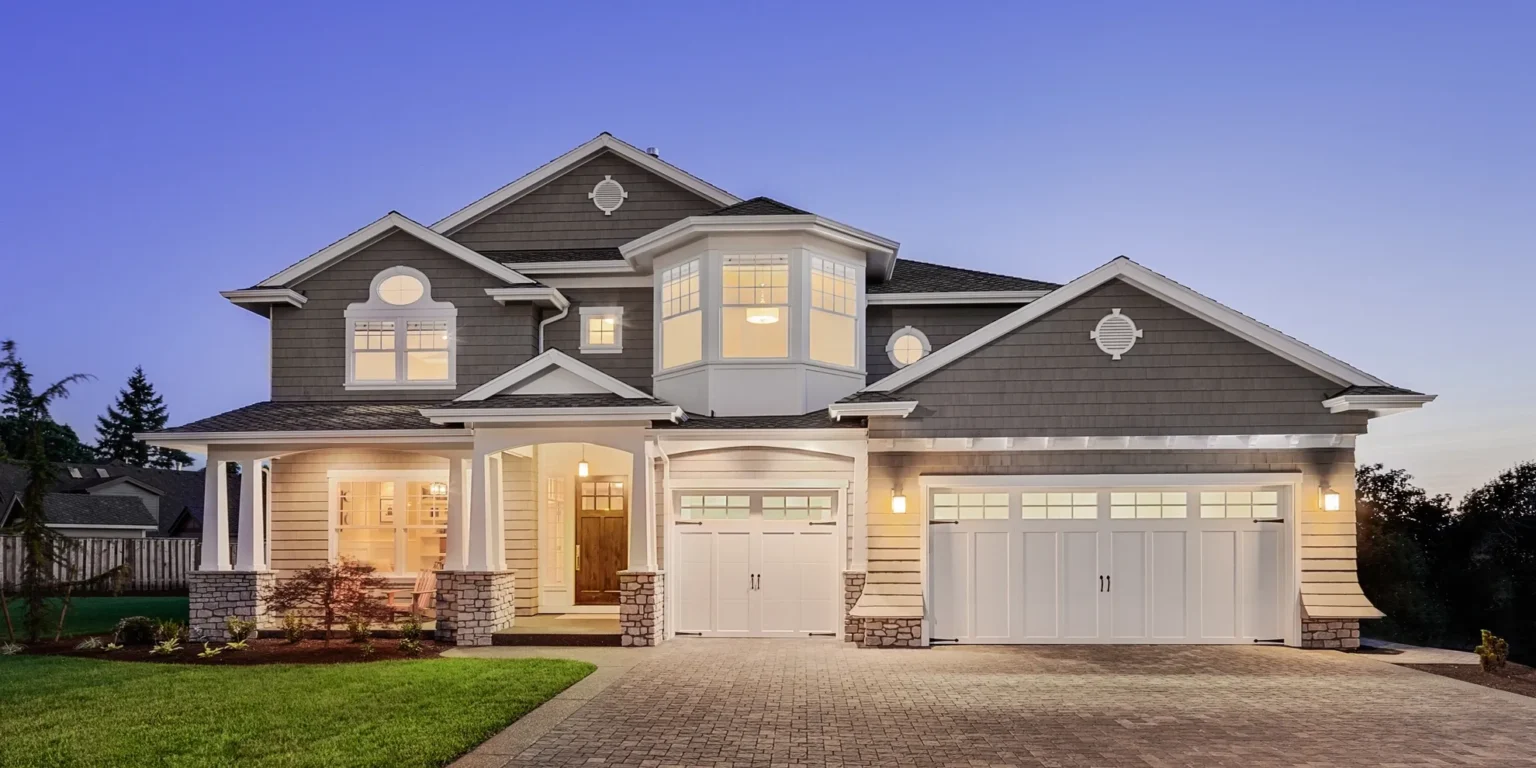
photo: homeautomat.in
For years, evolution was slow. In the 1990s, we had simple BMS systems in office buildings; around 2010, Nest appeared—a thermostat that “learned” the owner’s preferences. But the real breakthrough came after 2020: the pandemic locked us in our homes, AI stopped being science fiction, and the EU tightened ZEB (zero-energy building) standards. On top of that, the Matter standard emerged, uniting previously fragmented devices into a single system. Suddenly, the home became autonomous—it doesn’t wait for commands, it anticipates your needs.
Today, the global smart building market is worth about $58.4 billion (2023) and is growing by 11–13% annually. In Poland, hyper-automation solutions are just starting to break through—mainly in the segment of residences over 1,000 m², where investors are looking not for gadgets, but for real autonomy. Now, let’s see how this works technically in practice.
How does a single panel work for the entire house
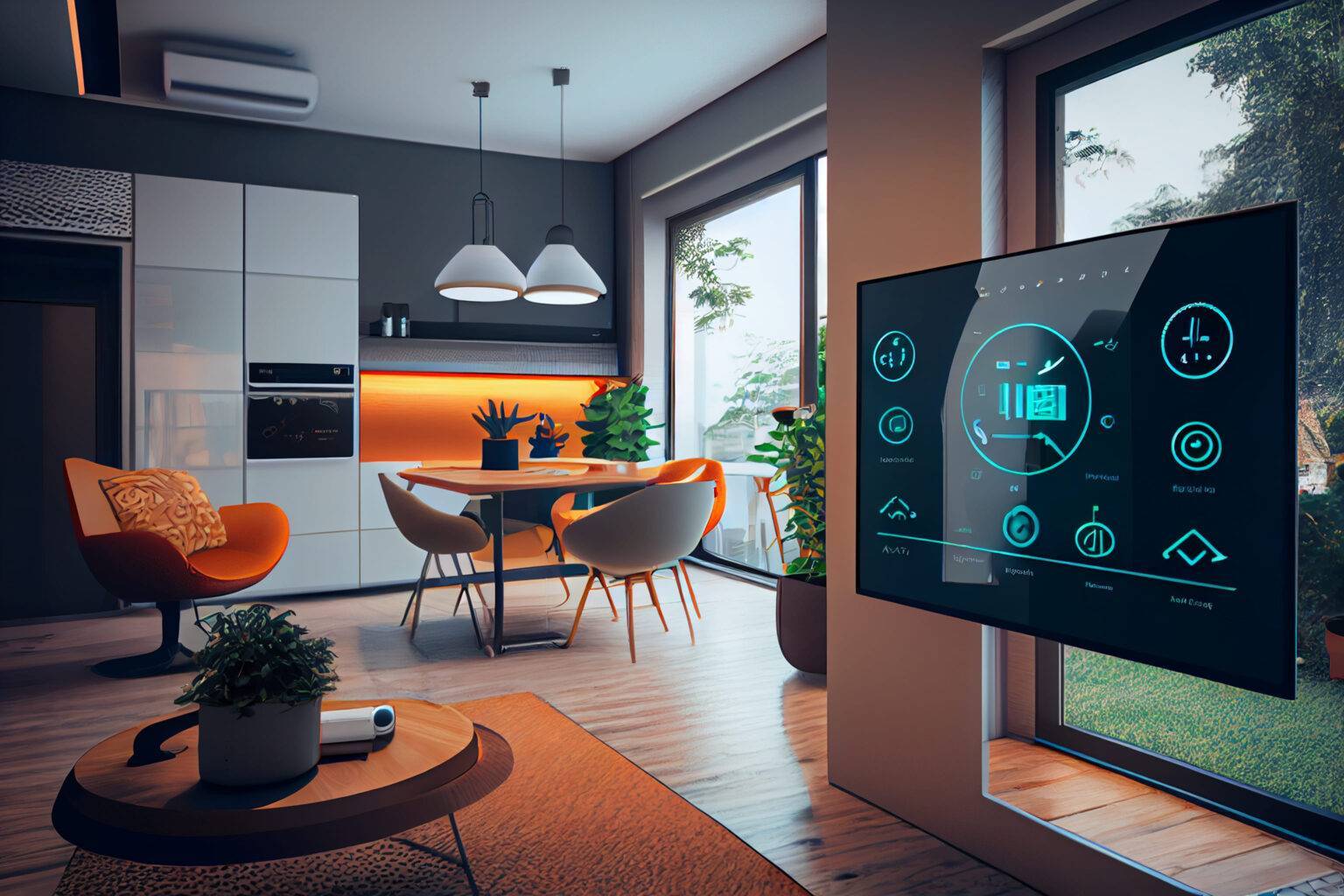
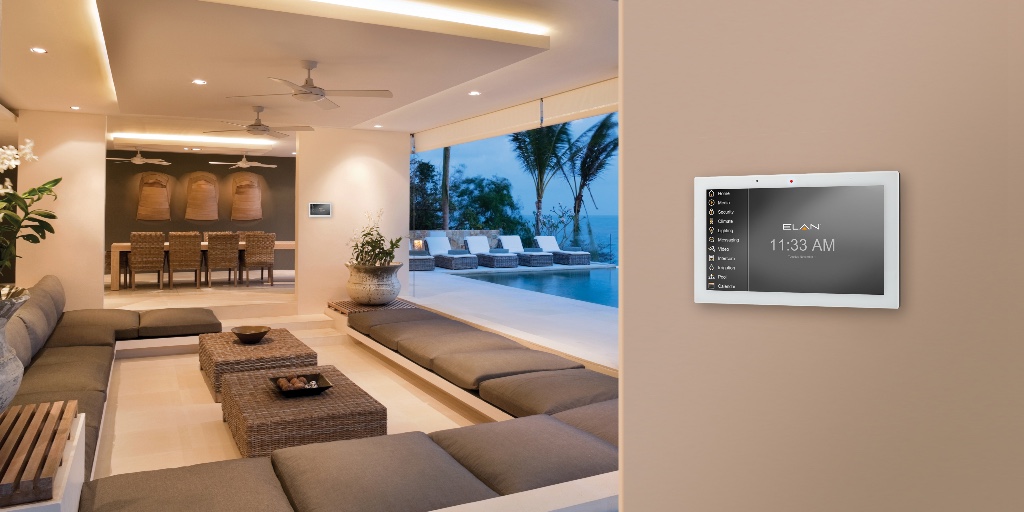
The owner tapped three icons on the 27-inch panel—the light in the living room dimmed to a cozy level, the air conditioning adjusted the temperature, and the garden blinds lowered as the sun stopped bothering the guests. One touch, three seconds, and the entire residence was ready for the gathering. That’s what hyper-automation looks like in practice.
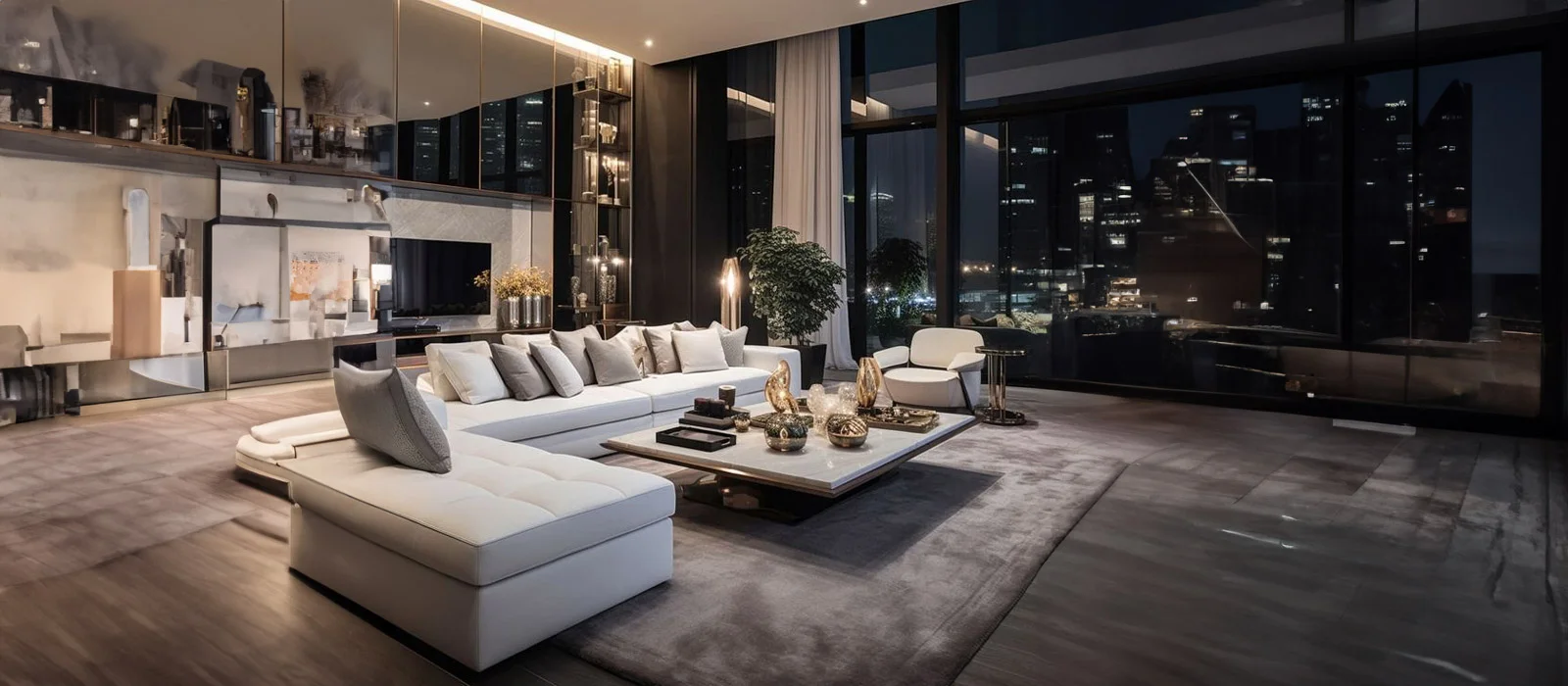
photo: aehl.in
One panel, many systems
The central hub in a premium residence is not just an ordinary tablet—it’s typically a 10-27″ 4K display, installed in strategic locations throughout the home, plus a mobile app as its mirror image. From this “cockpit,” you control:
The magic lies in the fact that the devices come from different manufacturers—KNX for climate control, Zigbee for sensors, Z-Wave for security—but the gateway protocols connect them, creating a single ecosystem. The Matter standard is starting to simplify this, although in the ultra- premium segment, reliability and BACnet for building systems remain the top priorities.
AI as the residence butler
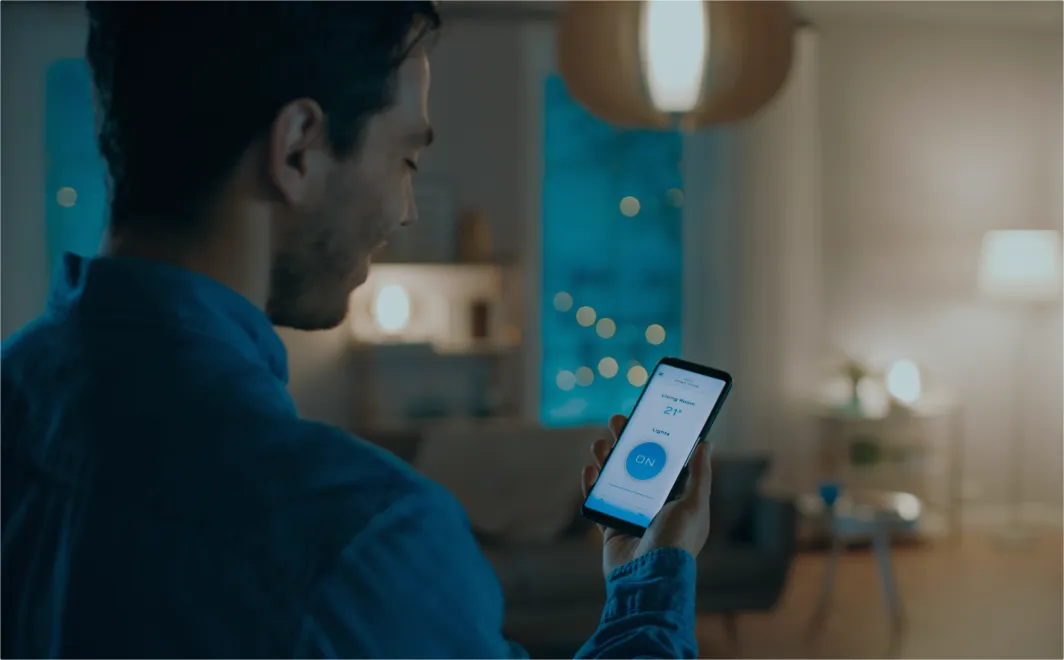
This is where true automation begins. The system learns your habits—it knows that on Mondays at 6:30 you brew coffee, so it heats up the coffee machine a minute earlier. It integrates with your calendar: if it detects an evening meeting, it automatically prepares the reception area. Edge computing (local servers like NVIDIA Jetson) processes data from hundreds of sensors in real time— without sending anything to the cloud, which means privacy and offline operation.
Concrete examples? The EMS system monitors PV production on the roof, predicts energy consumption based on the weather, and decides whether to charge the battery or sell the surplus to the grid. The humanoid robot NEO receives voice commands through the same panel—it can serve drinks to guests or collect a courier package. And all of this works locally, with no delays.
In the next section, we’ll look at how much such infrastructure costs and what real savings it brings over the course of a year.
Costs, savings, and challenges of hyper-automation
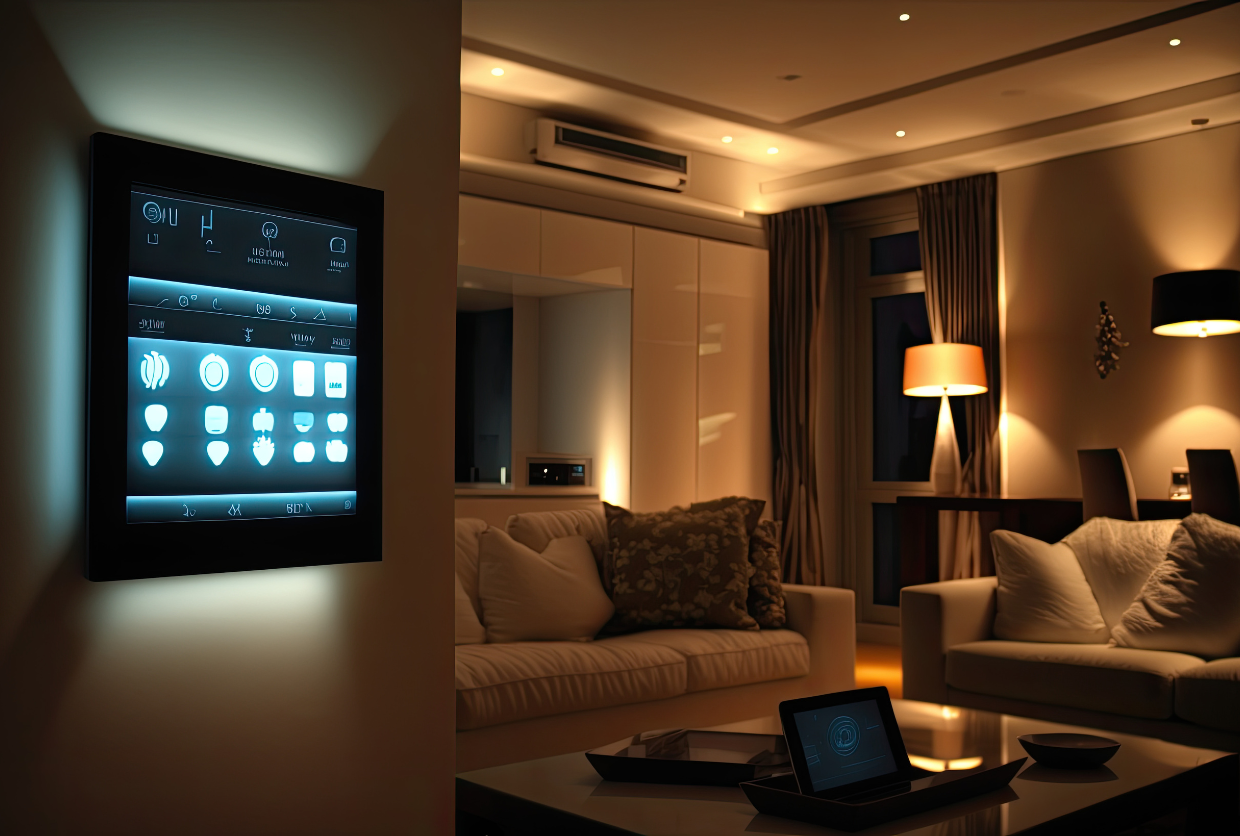
photo: blueprintrf.com
How much does a “house that thinks for you” really cost? In Poland, fully hyper-automating a residence of 500–2,000 m² is an investment of 300,000–800,000 PLN, with the AI control panel alone accounting for 50,000–120,000 PLN. This usually represents 3–8% of the total value of a premium property—which may sound harmless, but in practice, it means a budget equivalent to… a second apartment.
How much does hyper-automation cost in a premium residence
Element
Estimated cost
Comment (premium)
Panel + AI + integrations
50,000–120,000 PLN
The heart of the system, licenses, calibration
Sensors, actuators, BMS
150,000–400,000 PLN
The more zones, the higher the price
Installation, programming
100,000–280,000 PLN
At least 2-3 months of work
Return on investment? Theoretically possible through energy savings (PV + storage + EMS optimization can reduce bills by 40-70% annually), but we’re talking about a 10-15 year horizon. This is still a privilege of the top 1% segment.
Between Luxury and Reason – Profits and Risks
Benefits:
Energy self-sufficiency and lower fees
Comfort without compromise (climate, lighting, security)
Status and sustainability combined
Polish companies (e.g. Tech Sterowniki) are exporting solutions to the EU – the quality of support is increasing
Risks:
AI service and update costs: 10-20% of the value per year
Blackout = “a home is helpless without electricity”
Data privacy (who has access to the logs?)
Controversy: “luxury for the 1%” in times of energy crisis
“This isn’t a gadget. It’s a conscious choice—I’m paying for convenience, and for the risk that comes with it.”
photo: leadingway.lk
A step towards a zero-touch home
EU regulations—especially the EPBD directive and the upcoming Zero Emission Building standard—don’t ask whether you want to go green. They simply require it. In Poland, we’re debating mandatory photovoltaics, while in Brussels, the energy efficiency bar is raised every season. For premium residences, this isn’t bureaucracy—it’s a catalyst: the larger the home, the more you need an energy management system (EMS) that autonomously decides when to store power from PV and when to switch to the grid. This is where hyper-automation becomes a necessity, not a luxury.
Regulations and trends we can’t ignore
Looking ahead to the next decade, we see several clear directions. First: 3D printing of home components—walls and floors “printed” on-site, with built-in wiring channels and sensors. Second: humanoid robots (e.g., 1X NEO) that not only clean but also service installations and receive deliveries. Third: quantum-secure security, since in ten years today’s encryption will no longer be sufficient. Fourth: biodegradable finishing materials—microbiologically grown marble, self-cleaning fabrics. And finally, adaptive interiors—movable walls, glass with variable opacity—all controlled by AI in real time.
photo: intive.com
Hyper-automation isn’t just a showpiece —it’s the cornerstone of strategy, comfort, security, and property value. Those who design edge-cloud architecture and leave room for modular upgrades today will simply add a new module in ten years. Those who ignore it will have to replace the entire system. The choice is yours.