




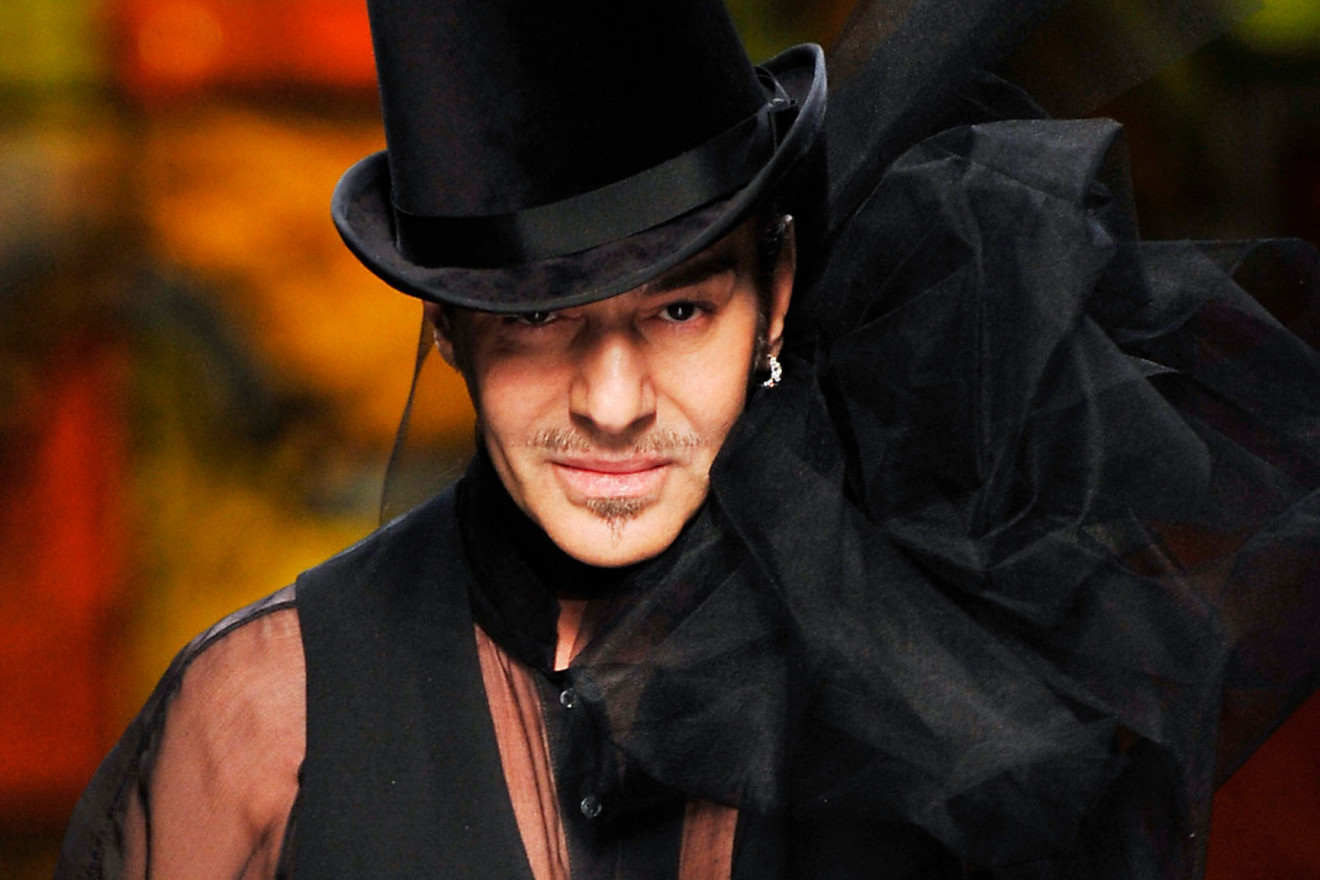
The fashion world has seen it all – the downfall of legends, comebacks from oblivion, and spectacular collaborations. But the news that John Galliano is entering a two-year partnership with Zara has sparked more than just the usual buzz. This is not another capsule collection or a marketing experiment. It’s a move that challenges the very foundations of the divide between luxury and mass market.
Are we witnessing a misalliance? Or perhaps a new order in fashion is emerging?
John Galliano. The designer who turned fashion into theater
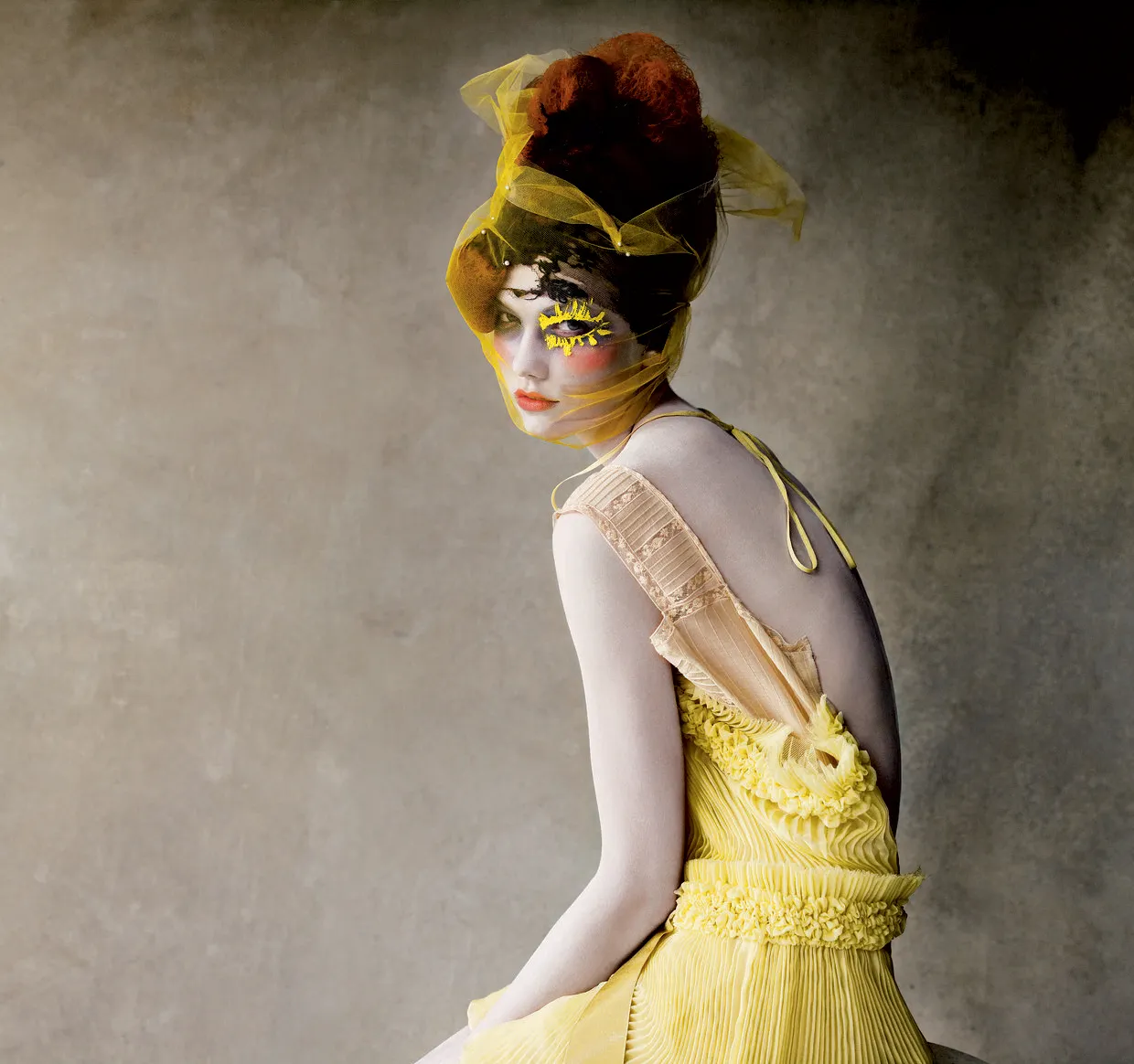
Galliano has always been more than just a designer. At the height of his career at Dior, he created shows that went down in history. Full of drama, emotion, and narrative. He was the one who turned fashion into a spectacle, where clothing was only part of a larger story.
His designs – like the iconic Saddle Bag or theatrical haute couture collections – redefined the concept of luxury. They were extravagant, often controversial. Always recognizable.
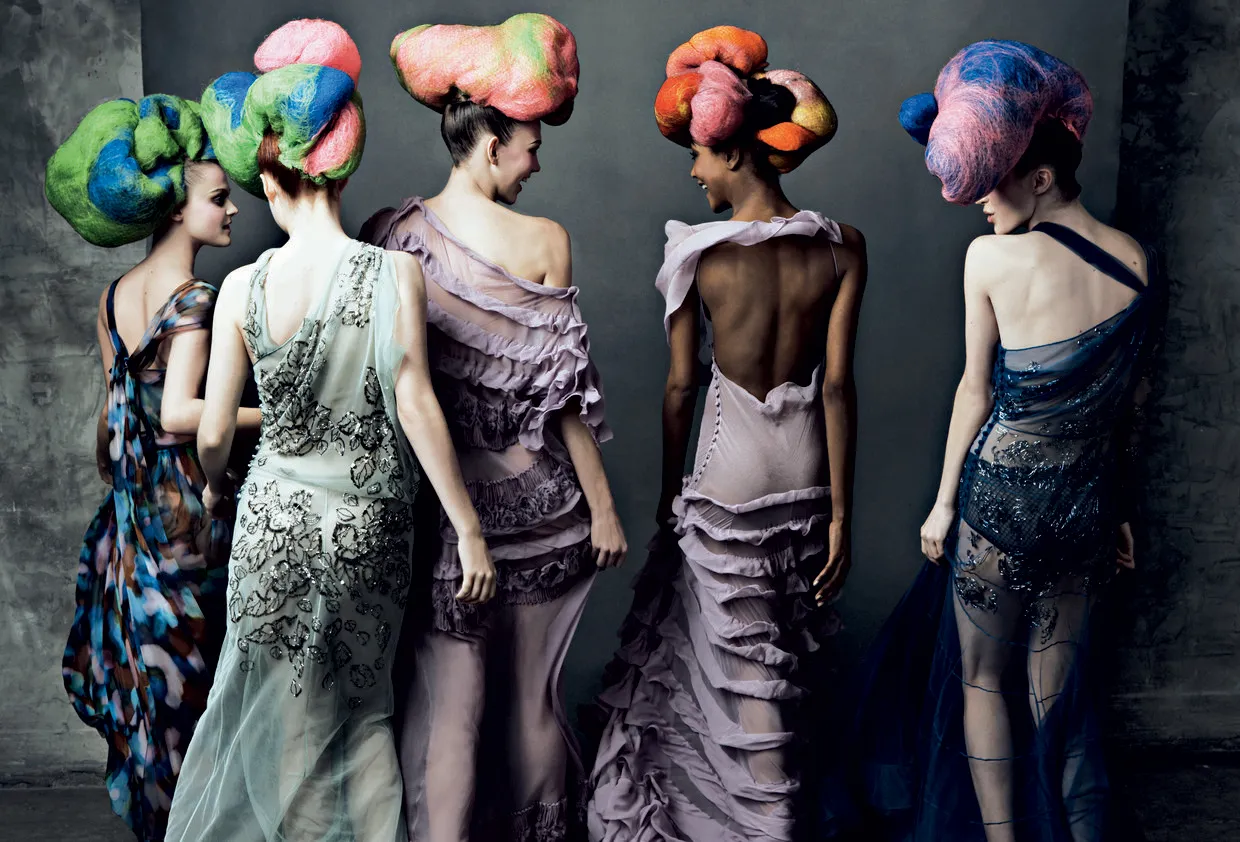
After his downfall in 2011 and departure from Dior, it seemed that his career had come to an end. However, his comeback at Maison Margiela proved that Galliano is capable not only of creating, but also of reinventing himself.
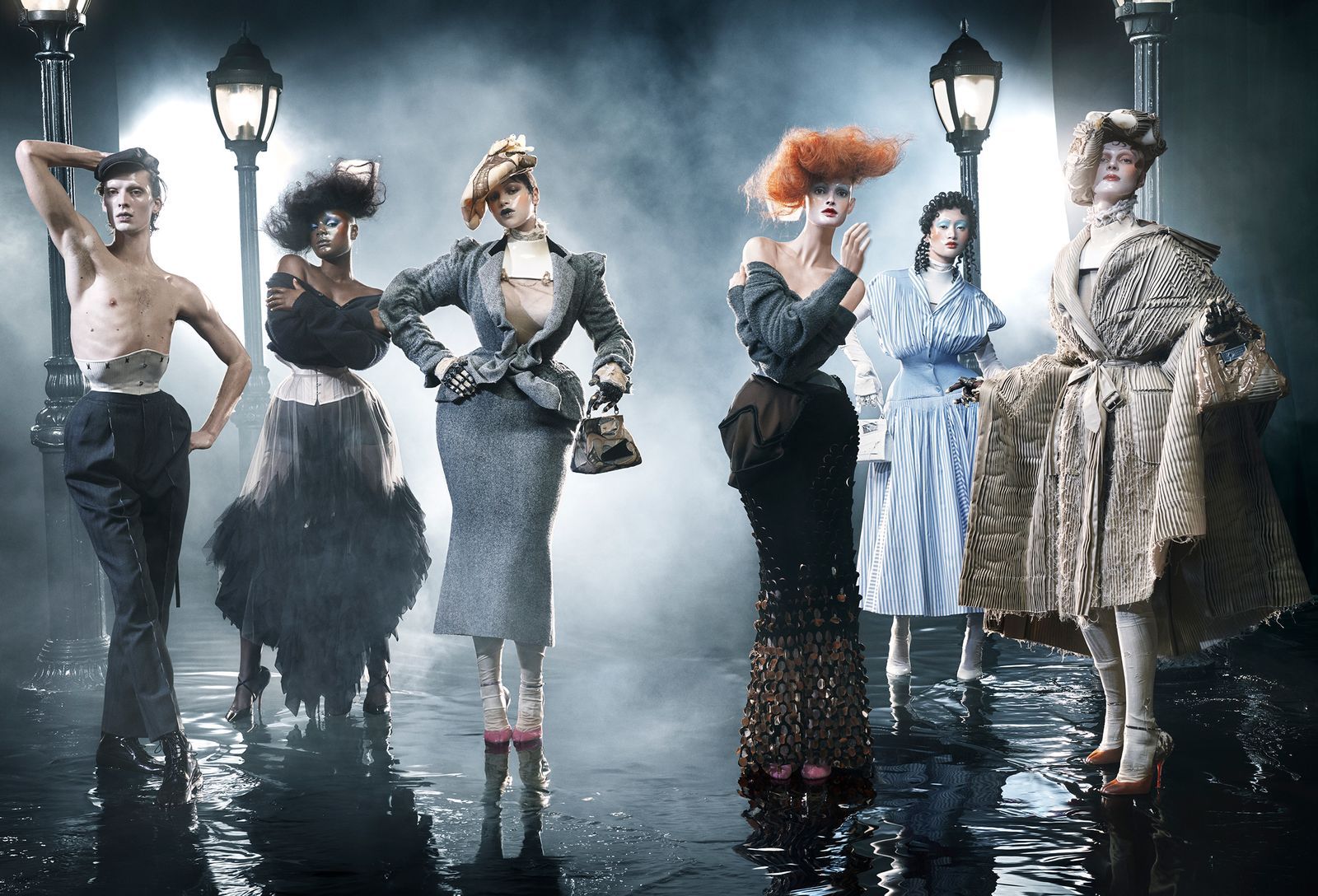
There his style became more experimental, deconstructivist. Therefore, less spectacular, more intellectual.
Zara: an empire of speed and pragmatism
On the other hand, we have Zara – a brand owned by Inditex, one of the most powerful clothing conglomerates in the world. It is a symbol of fast fashion: speed, accessibility, and the ability to respond instantly to trends.
Zara doesn’t create legends. Zara sells clothes.
That’s why the decision to invite Galliano for a two-year collaboration seems so radical. A designer who for decades worked in the world of exclusive craftsmanship is suddenly entering the realm of mass production.
Not a collection, but a reinterpretation
The key element of this collaboration often escapes initial reactions: John Galliano is not designing from scratch. Instead, he works with Zara’s archives, transforming existing designs into new forms.
It’s a subtle but fundamental difference.
On one hand, it limits his creative freedom. On the other, it gives him access to something he never had even in luxury fashion houses: a vast database of what truly works on the market.
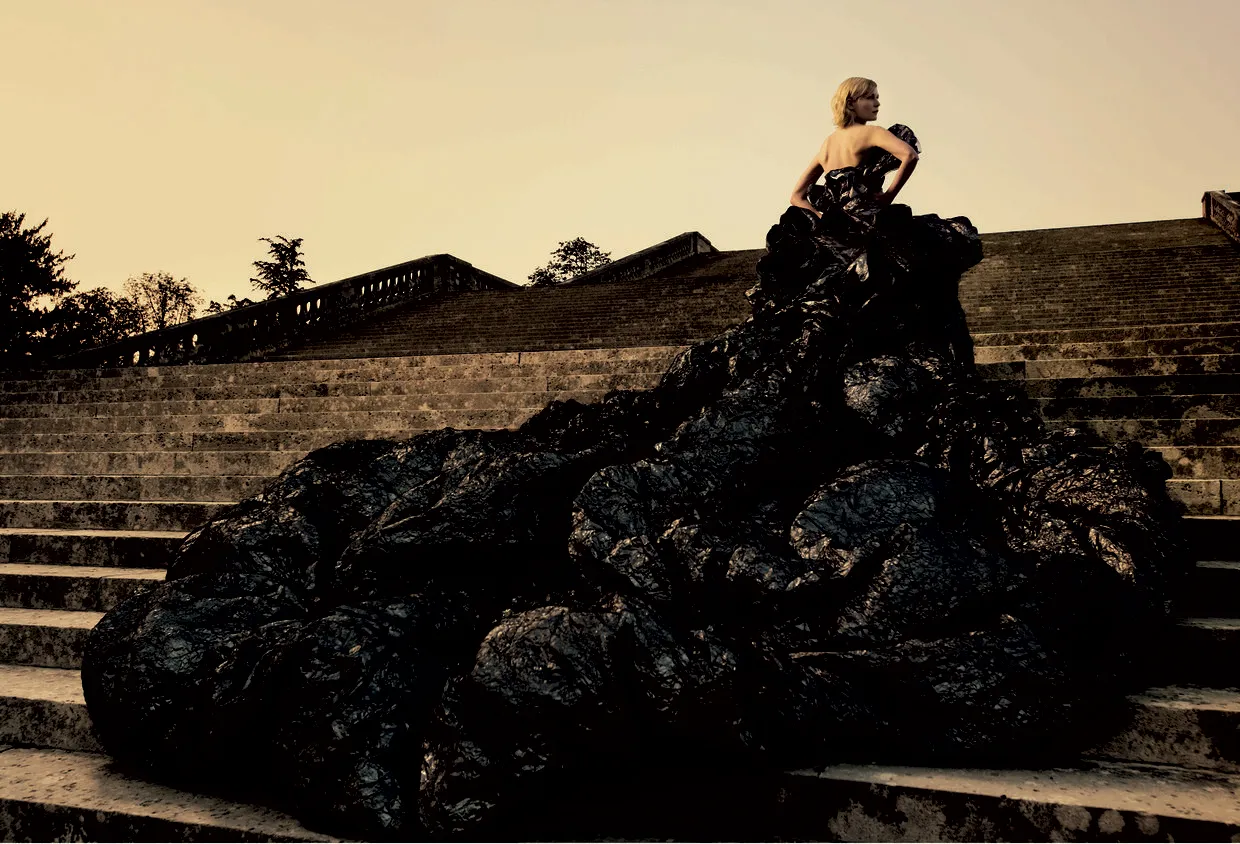
This is not pure haute couture. It’s more of an experiment: what happens when a visionary designer is given a ready, proven material and begins to transform it.
Mésalliance or strategy?
For some, it’s a betrayal of ideals. Critics say outright: Galliano has “sold out” to the mainstream, diluting his own legend.
For others, it’s a move ahead of its time. In a world where the boundaries between luxury and accessibility are becoming increasingly blurred, such collaboration seems less shocking than inevitable.
Because the truth is uncomfortable for the industry: it’s no longer just fashion houses that set the trends. Increasingly, it’s the chain stores that do.
Why this collaboration is dividing the industry
The division of opinions is not accidental. In fact, it’s about more than just one collaboration.
This is a clash of two visions of fashion:
The first says that luxury must remain exclusive, unattainable, and elite.
The second assumes that style and creativity can—and even should—reach a wide audience.
John Galliano at Zara stands exactly on that boundary.
Does this have a chance to succeed?
This is where theory ends and practice begins. The success of this collaboration will not be determined by enthusiastic reviews or the opinions of industry authorities, but by the customer—the same one who chooses every day between a simple T-shirt and something more expressive. If the collections turn out to be too conservative, they will disappear into the crowd and go unnoticed; if, on the other hand, they go too far towards extravagance, they may not find buyers. That is why the whole art will lie in capturing the delicate balance between the designer’s vision and real wearability. The place where fashion ceases to be just an idea and starts to live on the street.
Fashion at a Crossroads
Galliano’s collaboration with Zara is more than just a seasonal curiosity. It’s a sign that fashion is entering a new phase—less hierarchical, more fluid.
Perhaps in a few years, the presence of big names in chain stores will no longer surprise anyone.
Or perhaps it will turn out that it was just a one-time experiment.
However, for now, one thing is certain. When a haute couture legend meets the king of fast fashion, there is no compromise. There is tension. And it is precisely from tension in fashion that the most interesting things are born.
