




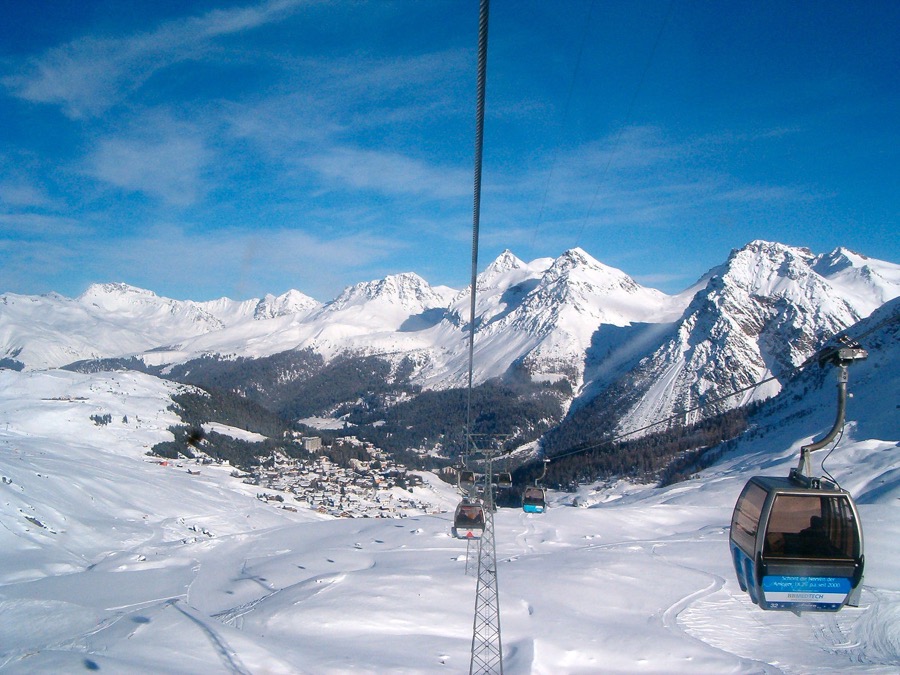
Imagine this: you’re standing atop Rothorn (2,865 m above sea level), with the turquoise Heidsee lake shimmering before you and kilometers of freshly groomed slopes waiting behind your back. This is exactly what Lenzerheide offers—a popular ski resort in the Swiss canton of Graubünden, combining an Alpine atmosphere with surprisingly easy access for residents of the Old Continent.
Lenzerheide is an alpine paradise closer than you think
The resort is located at an altitude of 1,450–1,600 m above sea level, in a sunny valley sheltered from the winds, which in practice means more days with blue skies and fewer icy gusts on the lifts. For several years now, Lenzerheide has formed a joint resort with neighboring Arosa (Arosa Lenzerheide), offering skiers 225 km of slopes to choose from. You don’t have to worry about getting bored by the third day—the scale is impressive. And that’s why it’s so popular, because nowadays the length of the slopes defines a premium resort.
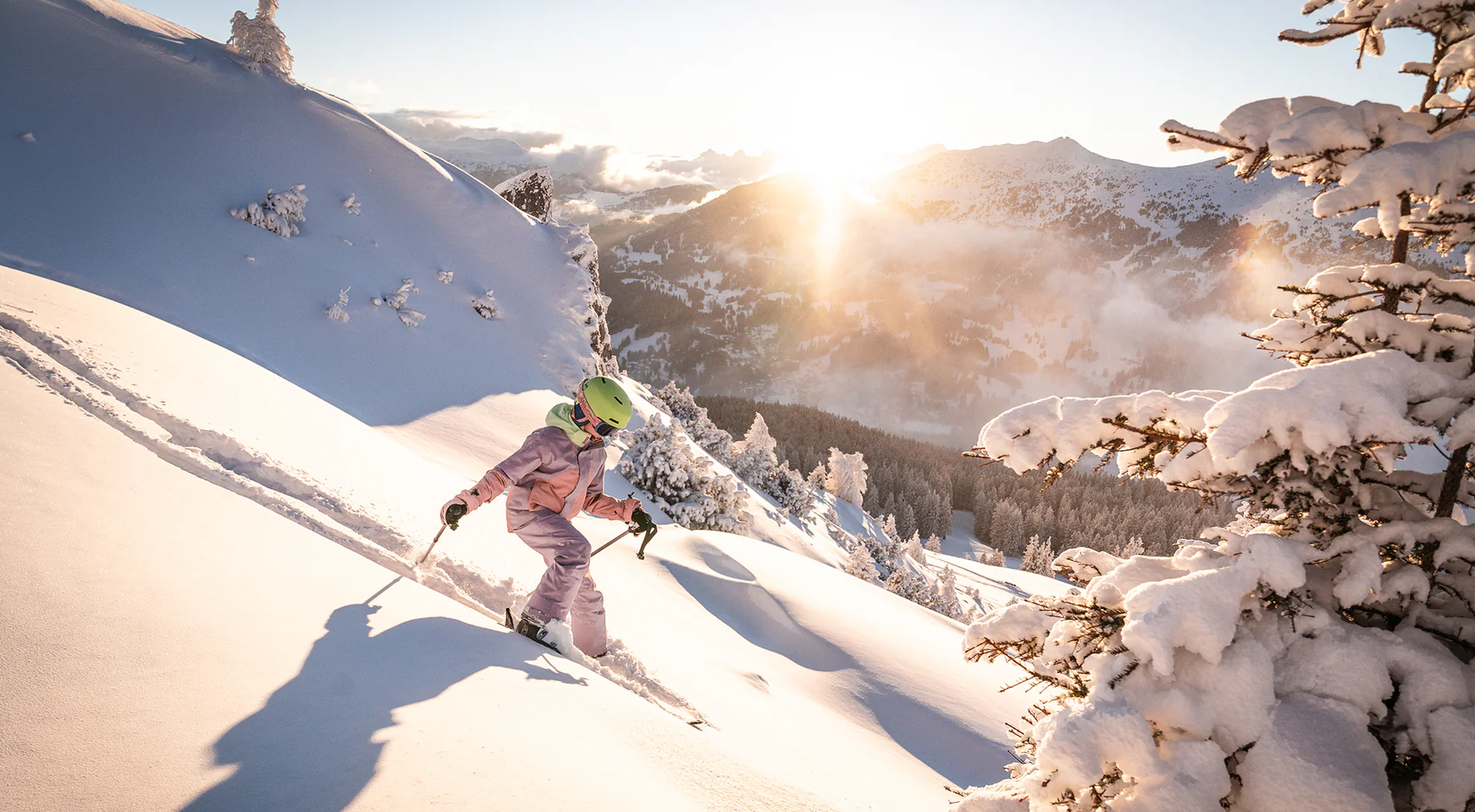
Why is it worth paying attention to this particular resort
- Year-round fun – skiing and snowboarding in winter, single-track biking and swimming in Heidsee in summer
- Without the crowds like in Zermatt or St. Moritz, but with top-level infrastructure
- Family-friendly atmosphere – many hotels adapted for children, ski schools with Polish instructors
- The connection with Arosa offers variety, from red slopes to gentle blue runs
In the following sections, I will show you what the winter offer looks like (trails, snow, ice rinks), what to do in the summer, and how to plan your trip step by step.
The winter side of Lenzerheide means slopes, lifts, and snow
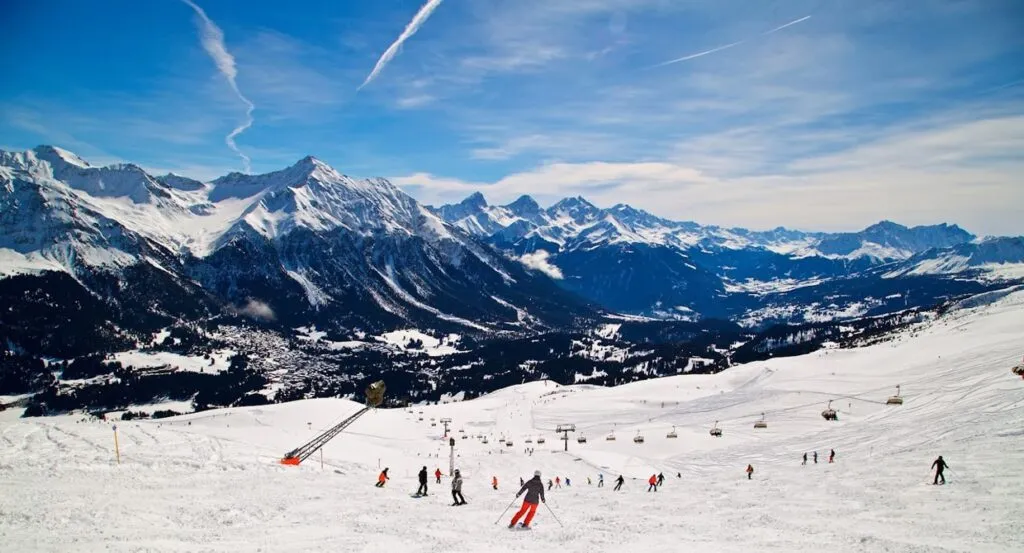
When you first hit the slopes on a snowboard or skis in Lenzerheide, you’ll immediately sense the scale of this place. This isn’t just a single slope with a few lifts—it’s a vast, well-developed ski area that offers you a variety of options throughout the entire winter season.
How many slopes and lifts are waiting for you in Lenzerheide
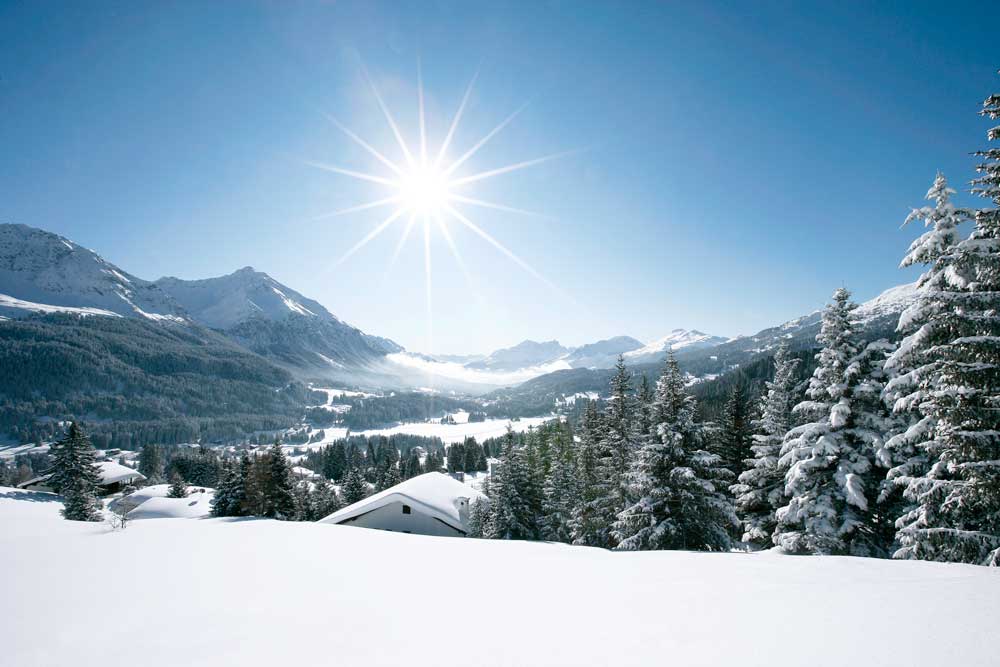
Lenzerheide itself offers about 155 km of ski slopes, but if you include the entire connected Arosa Lenzerheide system, you have around 225 km at your disposal. There are 42 lifts (about 20 on the Lenzerheide side), and the vertical drop reaches 1,168 meters, with the highest point being Parpaner Rothorn at 2,868 m above sea level.
Add row aboveAdd row belowDelete rowAdd column to leftAdd column to rightDelete columnParameterValueLength of slopes (Lenzerheide)~155 kmNumber of lifts~20 (42 in the entire system)Highest point2,868 m (Parpaner Rothorn)Vertical drop~1,168 m
Routes for every level and Women’s World Cup
The difficulty structure is quite demanding: only 12% of the runs are easy, 46% are intermediate, and as much as 42% are black, challenging descents. Since 2014, the Women’s Alpine Skiing World Cup competitions have been held here, and the slopes are FIS certified, so if you enjoy a challenge, you’ll feel like a pro.
Snow? 98% of the slopes have artificial snowmaking, the snow cover is typically 5-6 m, and the season lasts roughly from November to April, sometimes May. Additionally:
- ice rink on the frozen Heidsee
- snowparks for freestylers
- maximum capacity ~30,000 skiers per day
- family atmosphere, no crowds
And Lenzerheide isn’t just about winter—the resort is vibrant in summer as well.
Summer, history, and the atmosphere of the place: Lenzerheide beyond the slopes
A summer morning over Heidsee, see a lake with an area of just over 0.2 km ² – the scent of fresh Alpine meadows fills the air. From the very first rays of sunlight, cyclists are drawn to the famous Bike Kingdom, while hikers rack up their daily step counts on over 200 km of trails. Lenzerheide in summer? It’s a completely different story than in winter.
Lenzerheide in summer is a paradise for hikers and cyclists
When the snow disappears, the resort area opens up to activities that can sometimes be even more impressive than skiing itself:
- over 100 km of cycling routes – from family rides to the extreme Flow Country Park
- Lenzerheide Bike Festival (July) – an event that attracts MTB riders from half of Europe
- swimming in Heidsee and water sports (the water can be cold, but on hot days it’s a lifesaver)
- in winter, the lake freezes and becomes a natural curling rink
From a mining village to an Alpine resort
The history of the place dates back to the 15th-16th centuries, when it was mainly pastures and mining areas. The first guesthouse appeared around 1879, followed by the development of the hotel industry ( e.g. the legendary Hotel Danis). The real boom came in the 20th century, but the breakthrough? The year 2013 – the merger with Arosa, which overnight made Lenzerheide one of the largest Swiss resorts.
Today, only about 500 people live here permanently. The lake is called “Lai” in Romansh, the air is filled with the tradition of Grisons, and the local authorities are strongly committed to sustainable tourism. Quite a contrast to the mass resorts, isn’t it?
How to plan a trip to Lenzerheide and what next?
Lenzerheide is a resort that truly operates year-round – ski slopes in winter, bike trails and mountain hikes in summer. But when is actually the best time to visit, and what should you know before you go?
For whom and when to go
The resort is perfect for families with children (gentle slopes, snow parks), intermediate skiers seeking variety, and mountain biking enthusiasts. The winter season lasts from December to April, and the summer season from June to September — in both cases, you have full infrastructure and open lifts.
Logistics are simple: from Zurich airport it’s about a 2-hour train ride to Chur, then a direct bus to Lenzerheide. The resort offers around 5,000 beds in a dozen or so hotels and apartments, so book in advance, especially during peak season.
As for the budget, a daily skipass is approximately 80 CHF, but always check the latest offers online. It’s worth buying your skipass in advance online; sometimes you’ll get a discount.
The future of the resort – investments and sustainable development
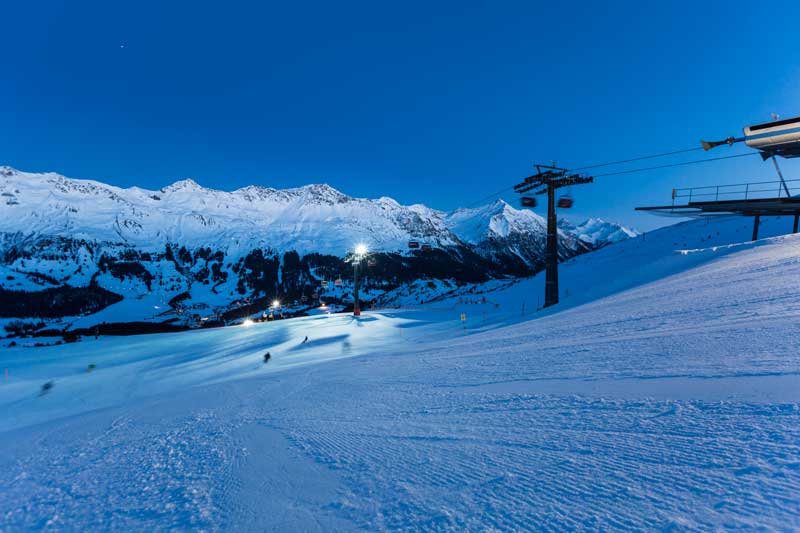
Lenzerheide is aiming for climate neutrality by around 2030. They are already introducing e-buses, expanding e-bike charging stations (with more locations coming in 2025), and modernizing ski lifts. Year-round tourism is on the rise—the resort is no longer just a winter destination. If you’re planning a trip a few years ahead, it’s a great choice.
Max
mountain enthusiast
lifestyle & sport
Premium Journalist
