




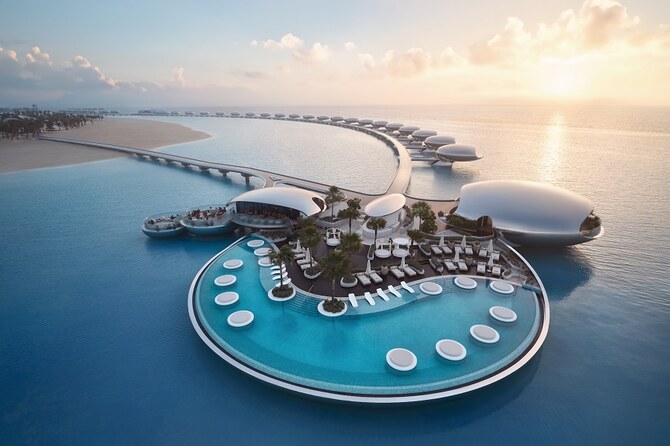
Tens of billions of dollars are currently flowing toward the Red Sea—this is probably the most ambitious wave of tourism investment the region has ever seen. And all of it is aimed at creating something more than just ordinary beachfront hotels. We’re talking about entire miniature towns designed to redefine the concept of luxury vacation.
New Red Sea resorts – premium version
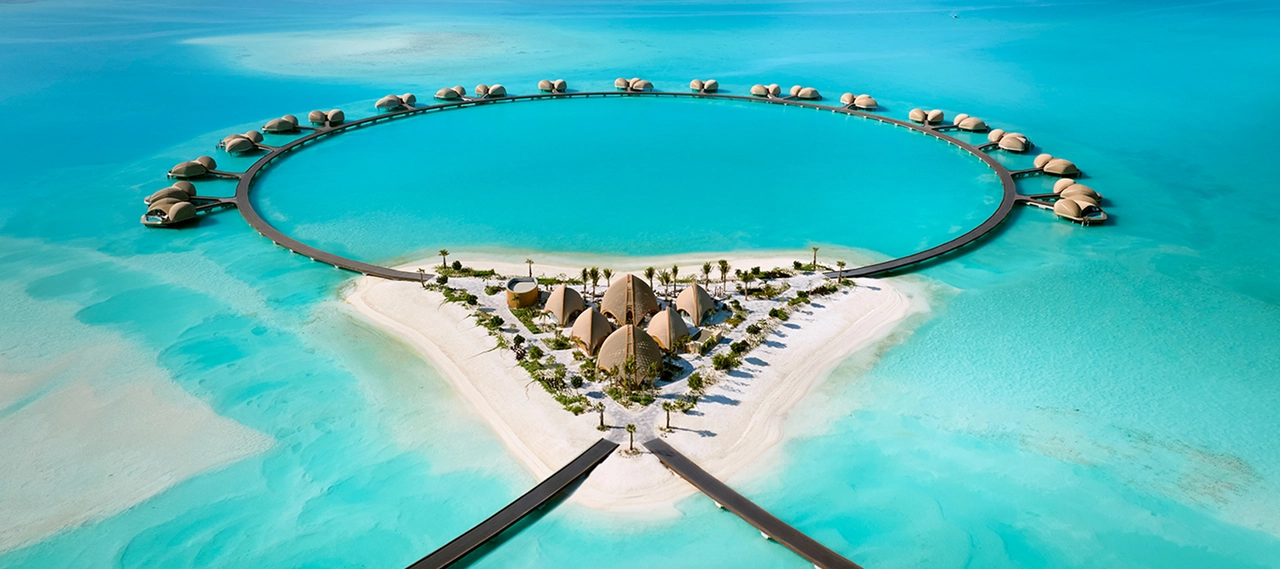
These complexes are not just five-star hotels. They are integrated projects that combine:
- Hotels and 5-7 star villas
- Artificial lagoons with controlled water purity
- Private beaches available exclusively for guests
- Shopping, dining, and entertainment zones all in one place
Sounds impressive? Exactly — and that’s why both Egypt and Saudi Arabia have bet on this card. For the Saudis, it’s part of Vision 2030, an attempt to make the economy less dependent on oil. Egypt, on the other hand, wants to move beyond the Suez Canal as its main source of revenue.
But why the Red Sea in particular? Well, it’s one of the most beautiful bodies of water in the world — crystal-clear water, around 250 species of coral, and biodiversity that attracts divers from all over the globe. Perfect conditions for snorkeling, diving, and simply admiring underwater life.
To understand how we got to this point, it’s worth going back in time a bit.
From fishing villages to billion-dollar projects – the background of change
From Hurghada to Sharm El‑Sheikh – the birth of resorts
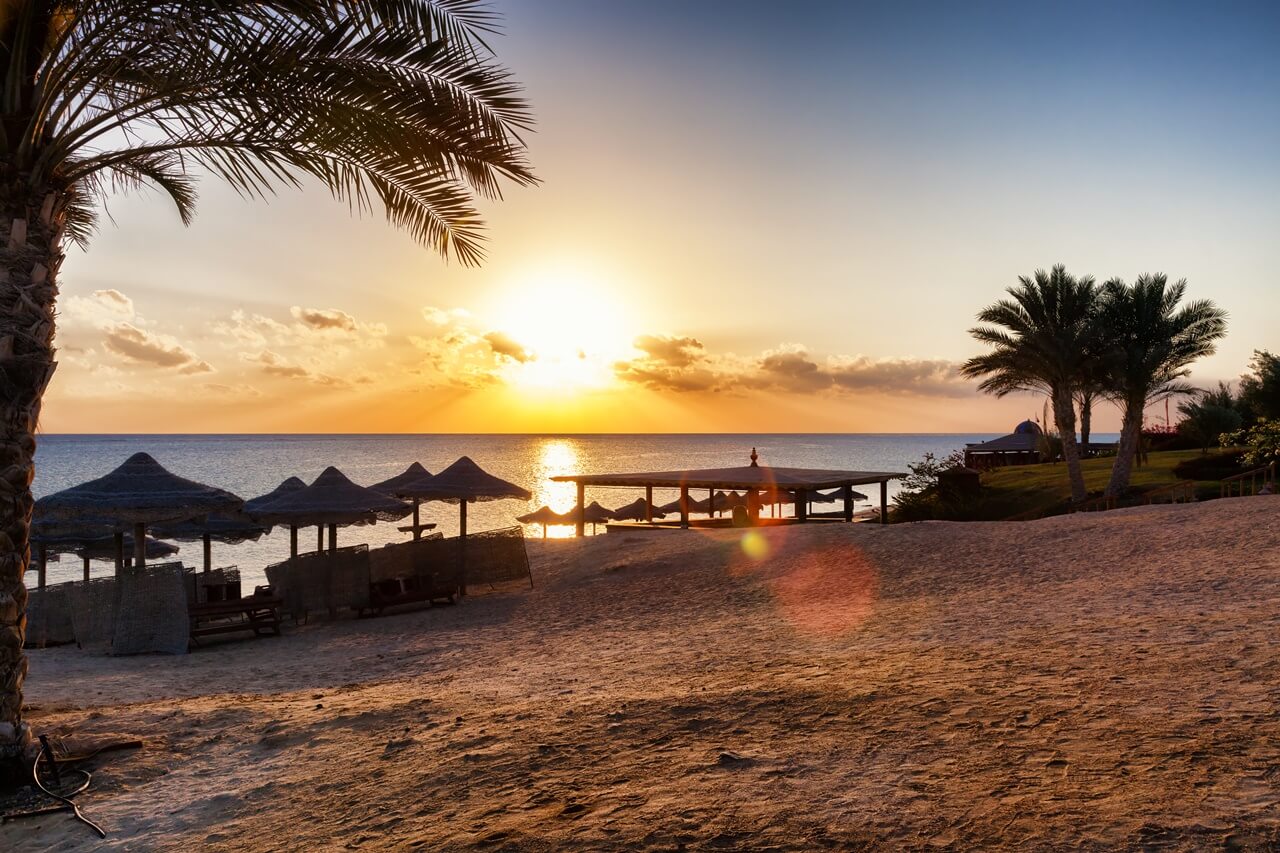
In the 1970s, the Egyptian government looked at sleepy Hurghada and a few fishing harbors around Sharm El‑Sheikh and saw… dollars. Mass tourism took off at full speed: all-inclusive, cheap packages, bus rides to the beach. The 1980s and 1990s brought the first international brands – Hilton, Four Seasons – which opened up the premium segment, but still followed the model of “lots of rooms, low prices.”
Crises and Vision 2030 – a Turn Towards Ultra-Luxury
Then came the shocks. The Arab Revolution of 2011 caused a mass exodus of tourists, and the Metrojet crash in 2015 was a heavy blow—a drop of about 80%, Sharm looked like a ghost town. Egypt and Saudi Arabia realized: competing on price is a dead end. The launch of Vision 2030 programs after 2016 changed everything—the focus shifted to mega-projects (Red Sea Project, NEOM) and “high-end” tourism, not just more rows of umbrellas.
Evolution? From cheap packages to ultra-luxurious, intimate resorts with eco-friendly PR, under pressure from groups demanding sustainable development. The first Red Sea Global hotels opened their doors in 2024—symbolically inaugurating a new phase of competition. History set the stage: today’s billions are a response to decades of trial, error, and dramatic strategy shifts.
What sets the new complexes apart – luxury, ecology, and technology
Once, the tourist “all-inclusive” experience by the Red Sea meant a single hotel, a pool, and a buffet. Today, entire self-sufficient towns are being built here, where luxury blends with technology and—at least on paper—concern for the coral reef. The question is whether these elements can truly be reconciled.
Egyptian mega-projects: Marassi and a new resort near Hurghada
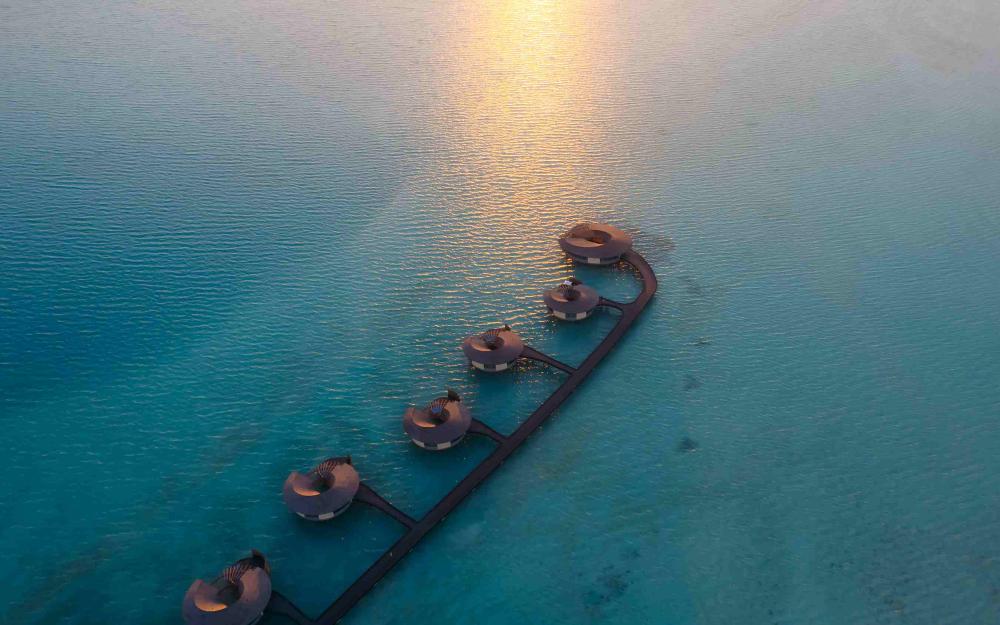
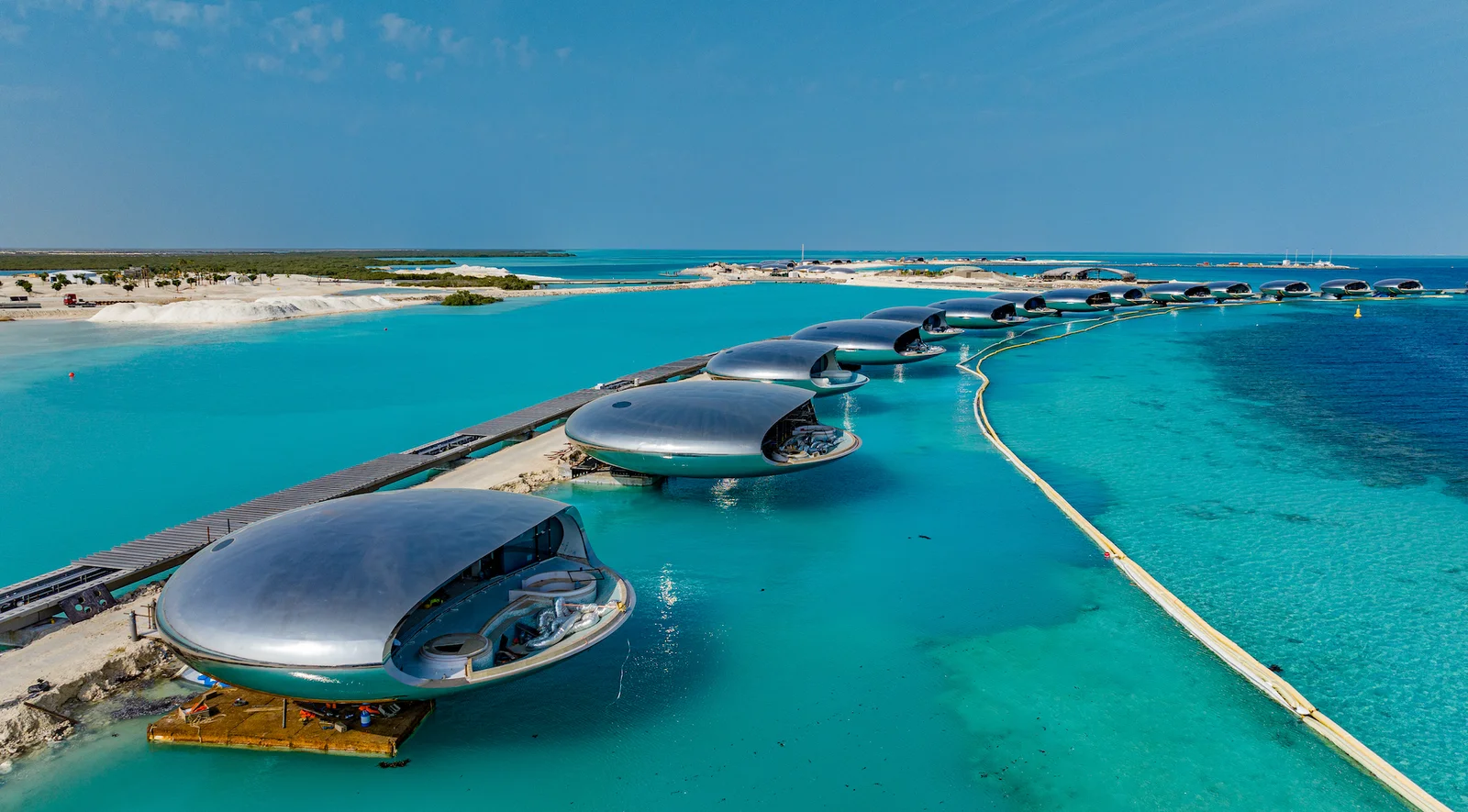
In Egypt, the scale is impressive. Marassi Red Sea – that’s 12 hotels, about 400 meters of beach, artificial lagoons sprawling over 10 hectares, and a price boldly set at 900 billion EGP. South of Hurghada, another one is in the works – 12 super-luxury brands, floating accommodation cabins inspired by the Maldives, 500 shops. All under the banner of “destination resort”: here you have a shop, a gallery, a club, SPA, even your own ambulance. Why leave?
Red Sea Global – zero-carbon luxury in Saudi Arabia
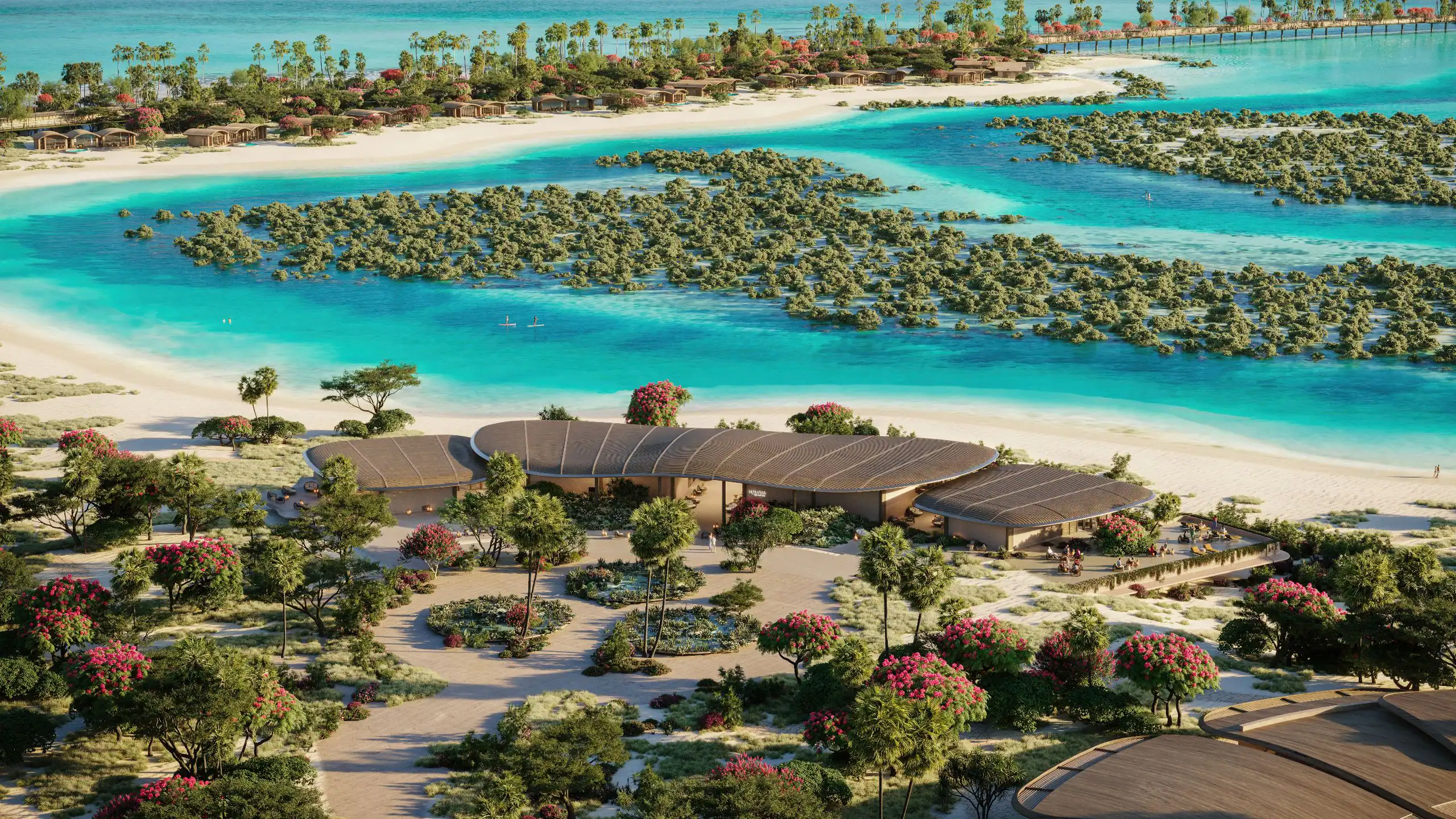
Saudi Arabia is raising the bar even higher. The Red Sea Global area covers 28,000 km²—90% remains untouched. The plan: 50 resorts by 2030, 100% renewable energy, zero carbon footprint. Six Senses and Ritz‑Carlton Reserve are already operating, reef monitoring is done by drones, and plastic has been eliminated. Sounds beautiful, doesn’t it?
Key differences:
- Egypt: more accessible (though still premium), large-scale investments, less privacy
- Saudi Arabia: exclusive VIP, vast protected zones, zero-carbon philosophy
- Both: declare the protection of reefs (around 250 species of corals), but environmentalists warn—the construction on such a scale poses a risk to these fragile ecosystems.
The future will show to what extent these promises of ecology will prove to be real, and to what extent they are just greenwashing.
Where is the Red Sea coast heading – opportunities and risks
The stakes are not just about the comfort of your winter trip. It’s also about what the entire Red Sea coast will look like in a few years — and whether you’ll still find coral reefs, safe beaches, and affordable prices there.
Goals for 2030 – who will win the race for tourists?
Egypt has set itself an ambitious goal: 30 million tourists annually (in 2024, it was 14.9 million). Saudi Arabia is going even further—it aims to attract 100 million visitors and increase tourism’s share to around 10% of GDP, with traffic on the Red Sea expected to double. Competition is intensifying, along with pressure to build ultra-luxurious private islands, expansive wellness zones and medical spas, as well as to personalize services using AI (reservations, guest service). Higher-level all-inclusive is becoming the norm.
But there are also serious risks:
- Safety – in September 2025, a shark invasion forced the closure of around 10 beaches in the Hurghada and Makadi areas, including those at 5* hotels. Memories of terrorist attacks still raise concerns.
- Ecology – coral bleaching, construction pressure, and pressure on ecosystems.
- Social tensions – rising property prices and local tensions.
How to travel and invest responsibly on the Red Sea
For Polish tourists, Egypt remains attractive — relatively low prices and numerous charter flights to Hurghada. But before booking, it’s worth checking:
- Current beach safety standards
- Eco certificates of the resort
- Opinions on the quality of service and rescue operations
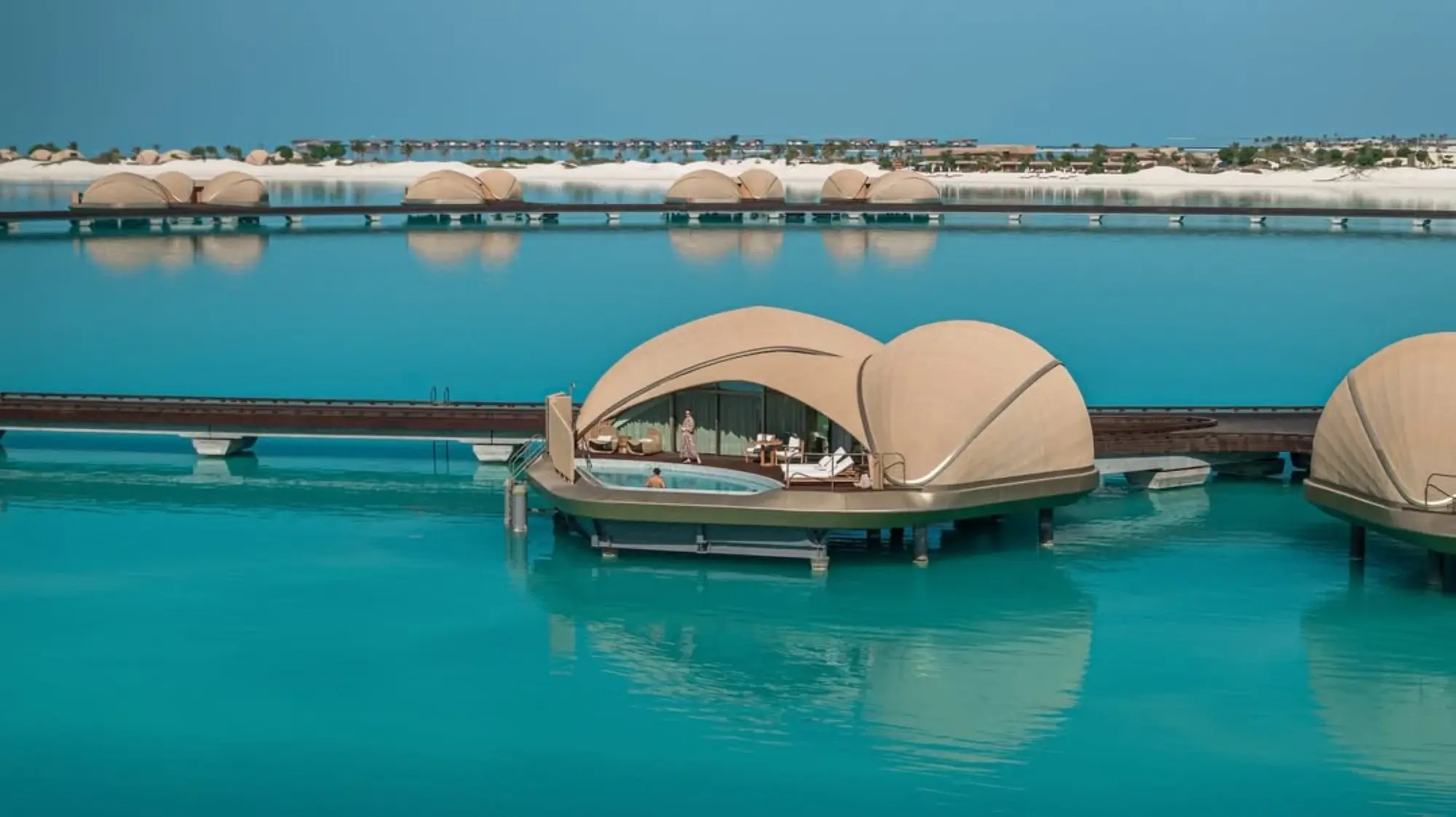
If you are considering buying an apartment – compare prices to the Maldives and assess the long-term stability of the project. Responsible choices today can pay off tomorrow.
NOah
travel & lifestyle editorial team
Luxury News
