




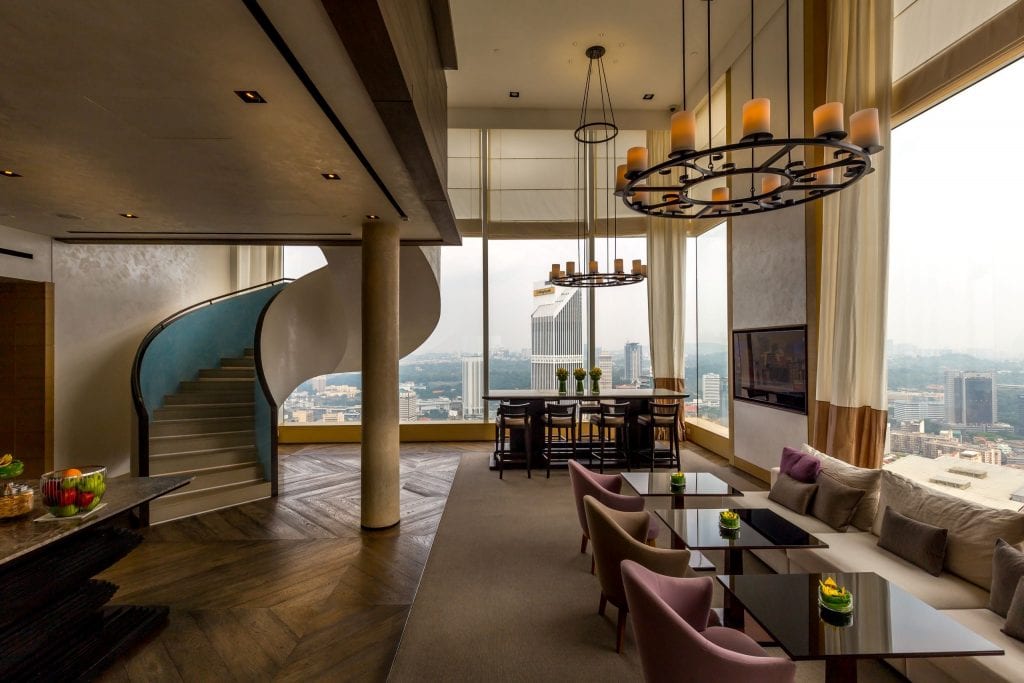
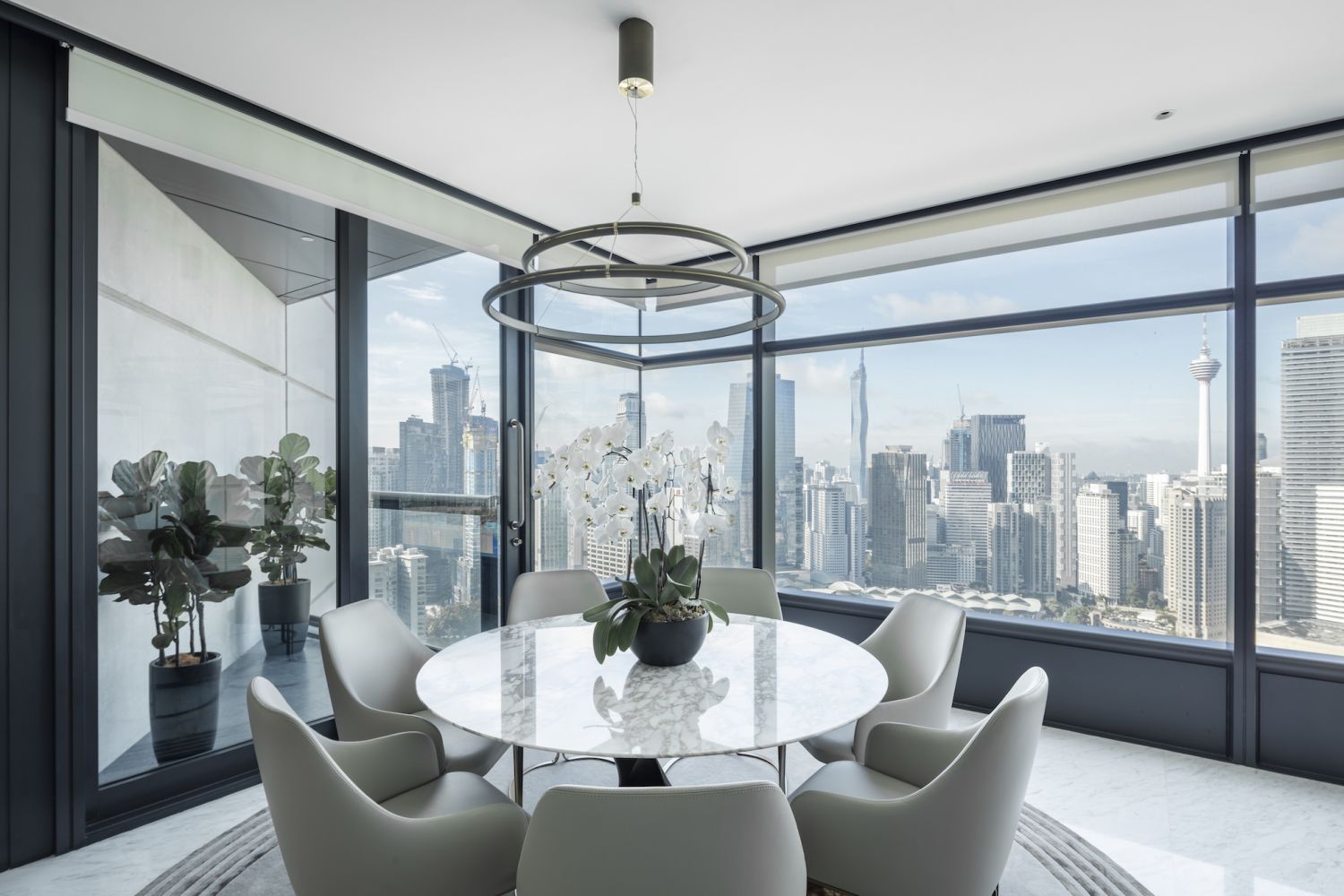
Apartment with a view of the Petronas Towers for €4,800 per m²? In Kuala Lumpur, that’s a standard price in the premium segment. By comparison, in Singapore you’ll pay 87% more for a similar standard.
Why do we calculate in euros and per m²
In Malaysia, prices are listed in ringgit (MYR) and square feet (psf). This can be inconvenient for Europeans. That’s why in this article I’ve converted everything to euros per square meter based on the April 2026 exchange rate: 1 MYR ≈ €0.215 (so 1 EUR ≈ RM 4.65). One square foot is about 0.093 m², so 1 m² ≈ 10.76 psf.
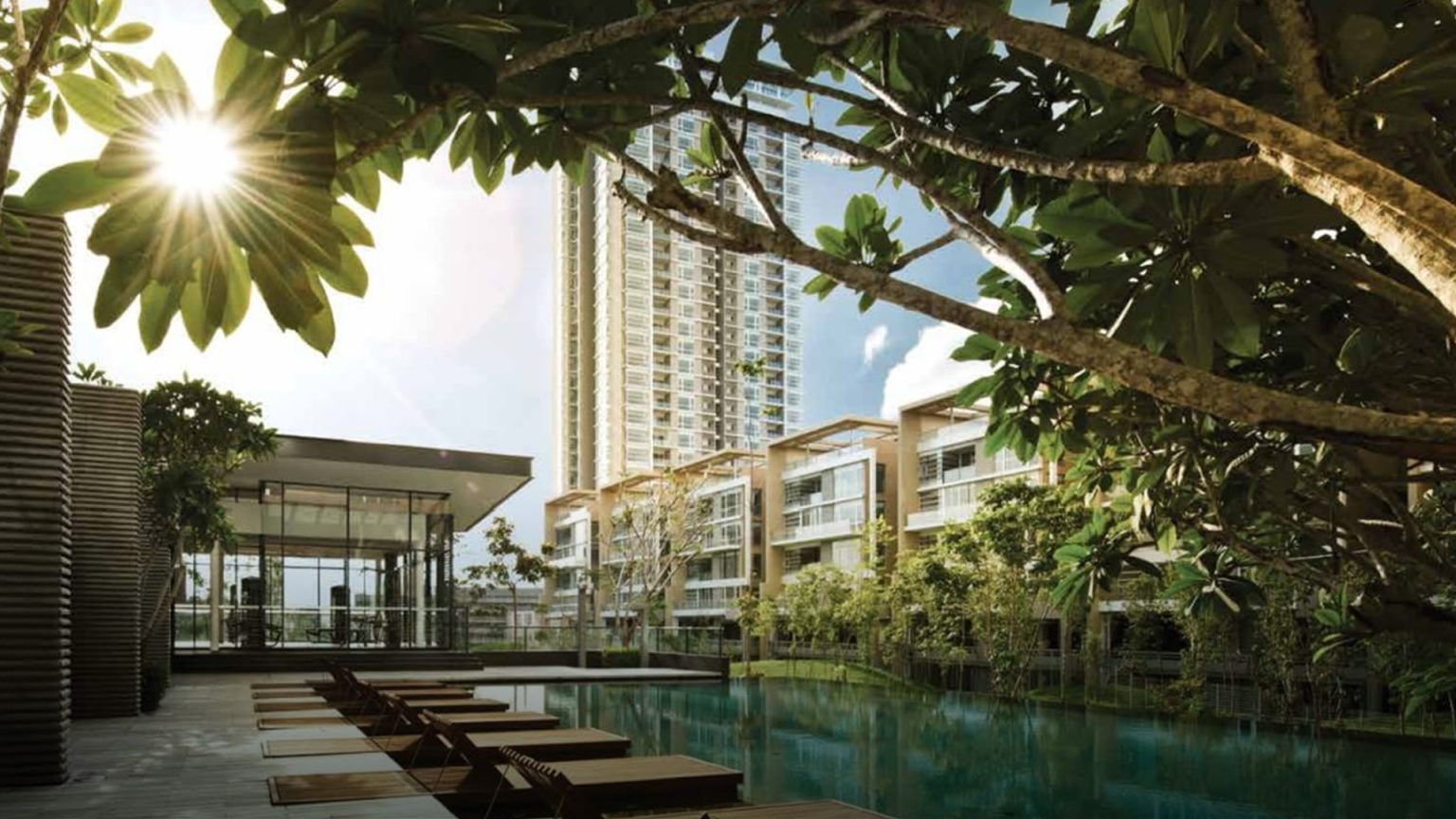
When I say “luxury,” I mean apartments above RM 1–2 million (≈ €215,000–430,000) in the best locations: Kuala Lumpur, Penang, Johor Bahru. These are projects with names like Four Seasons, Ritz-Carlton, or Banyan Tree. The standard? 24/7 concierge, rooftop pools, gyms, smart home features.
Why 2026? The residential market in Malaysia is currently growing at 5.33% annually (forecast), post-pandemic demand has returned, and visa conditions for foreigners are improving. In the following sections, you’ll see specific price ranges in euros for individual cities and what influences these rates.
Price benchmark 2026: KL, Penang, Johor – in euros per m²
In Kuala Lumpur, premium-class apartments in KLCC or Mont Kiara currently reach RM 2,500-3,500 per psf, which at an exchange rate of 1 MYR ≈ €0.215 amounts to €3,000-5,000 per m². For the whole KL City area, the average is somewhat lower: RM 2,400-2,600 psf, or about €2,600-2,800/m². It’s worth noting that 1 m² is approximately 10.76 square feet, so the conversion factor is about €23/m² for each RM/psf.

| Location | MYR/sq ft | €/m² | Examples |
|---|---|---|---|
| KLCC/Mont Kiara | 2,500–3,500 | 3,000–5,000 | Four Seasons Place, Binjai on the Park |
| KL City (average) | 2,400–2,600 | 2,600–2,800 | Various central districts |
| Penang Island | 700–1,200 | 2,500–4,000 | Seaside projects |
| Johor Bahru (serviced) | 550-711 | 1,800–3,000 | Increase of +20.8% y/y to RM 711 psf |
Examples of specific premium addresses
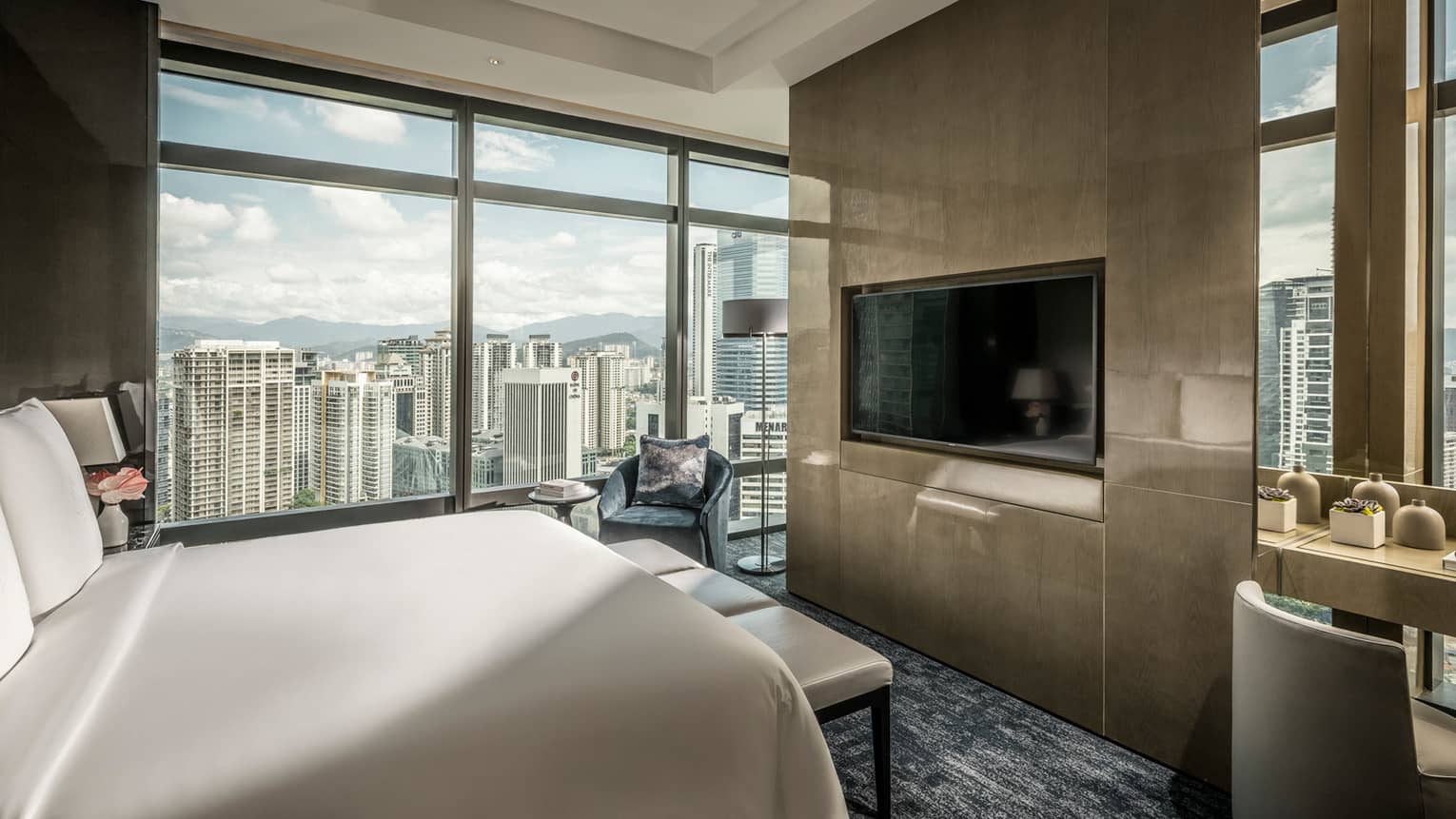
Four Seasons Place records transactions of around RM 10.5 million (≈ €2.26 million), marking a +16.7% year-on-year increase. Binjai on the Park shows even greater momentum: RM 5.75 million (≈ €1.24 million), a jump of +34.8%. Ritz-Carlton Residences start from RM 4.3 million (≈ €924,000). Branded residences in the KLCC area regularly exceed RM 3,000 per square foot, representing a clear price premium.

What drives the market and what does it mean for buyers in 2026
Foreign capital drives Malaysian luxury mainly through the MM2H program, which requires the purchase of real estate for RM 600,000–2,000,000 ( depending on Silver-Platinum level). In most states, the minimum threshold for foreigners is RM 1,000,000, which automatically channels foreign capital into the premium segment. The main players? HNWIs from China and Singapore. But note, from 01.2026 the transaction fee for foreign buyers jumps from 4% to 8%, increasing entry costs.
Perspectives, returns, and risks
The market appears stable. In 2025, a record 416,000 transactions were recorded with a total value of RM 241.9 billion, of which 61.8% were in the residential segment. KL accounts for 48.6% of the total value, with the average for high-rise developments at RM 375,000 (Q3 2025). Yes, the overhang exceeds 30,000 units (condominiums make up ~47%), but the luxury segment accounts for only a small portion of this backlog.
Forecasts? For 2026, residential growth +5.33%, luxury may grow at a CAGR of 6.44% through 2031. JB, thanks to RTS and SEZ, has a chance for +15%, JLL forecasts serviced apartments in JB could see up to +20.8% to RM 711 psf. Estimated gross rental yields: KL 4.5-6%, Penang 4-5.5%, JB 5-7%.
But there’s a catch: Forest City. Low occupancy, a ghost town in full swing. Avoid locations based solely on promises of future infrastructure.
What do the numbers tell us?
Numbers tell interesting stories, but always in context. The luxury apartment market in Malaysia is not just about statistics; it’s a combination of visa policies, property taxes, the stability of the ringgit, and the overall health of the regional economy. The average price alone doesn’t reveal whether it’s a good time to buy until you compare it with the pace of change and development plans for specific districts.
Reading this data objectively means one thing: take all factors into account, not just the attractiveness of the price. Location always wins over a discount in a poor area. The Malaysian market offers value, but it requires a conscious decision based on hard facts, not emotions.
Stevv
