




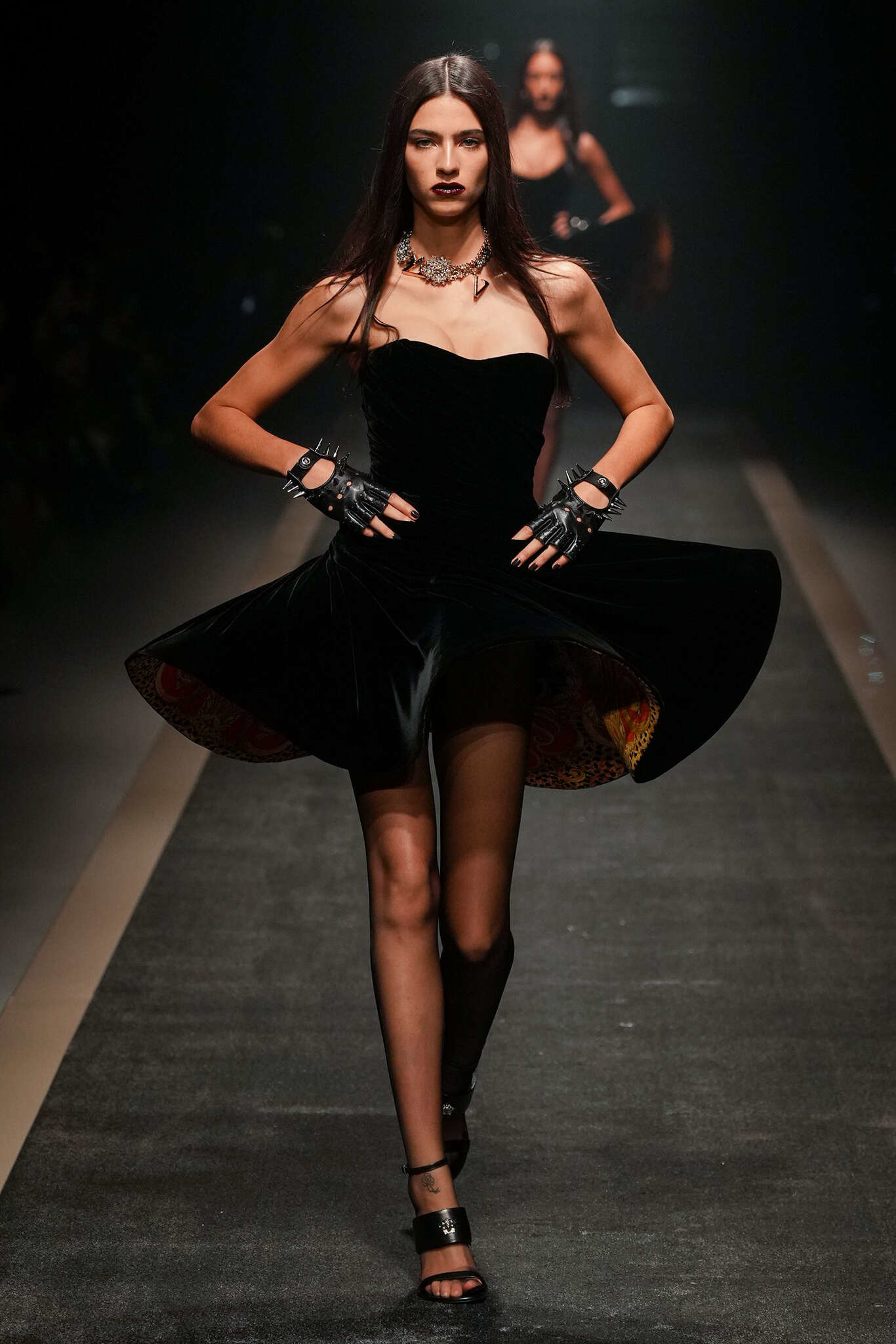
The Italian fashion house Versace has found itself at the center of one of the most talked-about industry shake-ups in recent years. Donatella Versace’s departure, the lightning-fast acquisition of the brand by Prada Group for as much as $1.4 billion, and the equally sudden farewell to her successor, Dario Vitale, have created an atmosphere of unprecedented uncertainty. In just a matter of days, the brand that spent decades building its status as an icon of Italian luxury has been forced to confront a question that is growing louder among both clients and market analysts: what does the future hold for Versace?
The future of Versace and the departure of Dario Vitale
The resignation of Dario Vitale, who took on the role of creative director just nine months ago, came as a real shock to the industry. The designer, known for his perfectionism and many years at Miu Miu, had not shown up at the office for several days. This immediately sparked speculation. A few dozen hours later, the brand officially confirmed the split, which will take place on December 12.
The context of this decision is no coincidence. Vitale took the helm after Donatella Versace. His appointment, in turn, marked the beginning of a new chapter. After the presentation of the first SS26 collection, commentators were anticipating stability, growth, and a clear creative vision. However, the announcement of his departure came right after the Prada Group takeover, sparking a wave of speculation. Insiders point to tensions stemming from the designer’s previous ties with Prada and the company’s reluctance to rehire employees who once chose to leave. Unofficially, it is said that Vitale did not want to return to a company where he had spent fifteen years. This cast doubt on the future of his collaboration with the new owner.
The future of Versace after the acquisition by Prada Group
The acquisition of Versace by Prada Group is one of the most significant transactions in the history of Italian fashion. With a value reaching $1.4 billion and the speed of its completion, it confirms that the fashion house had been in a strategic deadlock for some time. Under Capri Holdings, the brand experienced declining sales, particularly noticeable in key Asian markets. Additionally, it was gradually losing the distinctiveness that had set it apart from the competition for decades.
Prada Group declares its intention to restore the brand’s “cultural power.” In practice, this means a thorough recalibration of all areas of operation—from production to communication and collection management. Lorenzo Bertelli has taken the helm at Versace, and his initial decisions already signal the integration of the brand with Prada’s Italian production network.
This is a step that can enhance the quality and consistency of the offering. However, it also carries the risk of excessive homogenization of the aesthetic, something Versace clients have always been particularly sensitive to.
Versace’s position in the luxury market
Versace is currently at a crossroads. This moment could just as easily lead to a spectacular comeback as to a prolonged loss of identity. The luxury goods market demands stability, consistency, and clear leadership. At the moment, the brand lacks these crucial elements. Vitale’s departure has interrupted the process of creative repositioning, which was meant to fuse Gianni Versace’s maximalist legacy with a modern take on luxury.
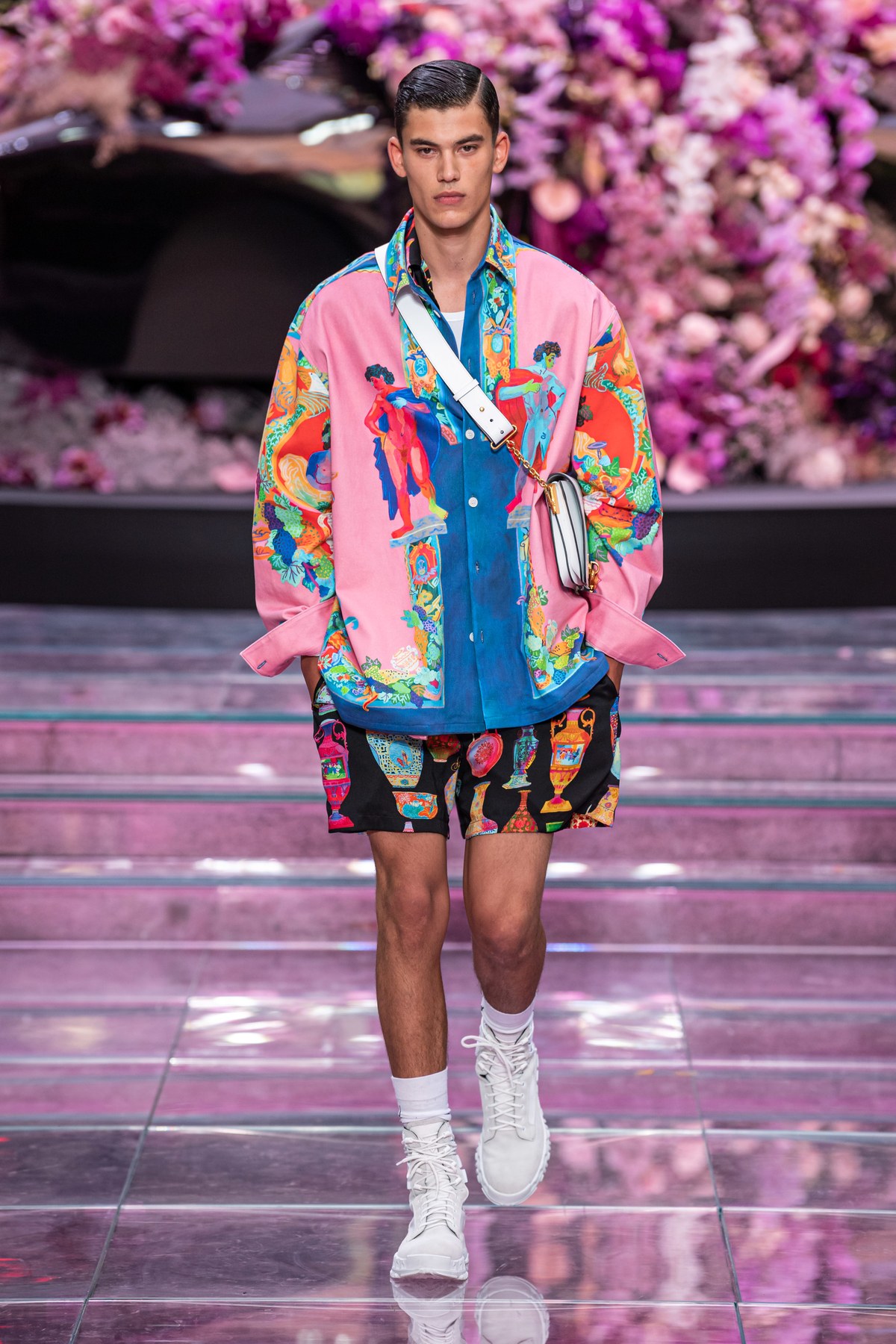
For clients who have identified the brand for decades with sensual glamour, bold colors, and mythological motifs, the current lack of a central vision is cause for concern. On the other hand, integration with Prada and strengthening the high luxury segment could spark a renewal. However, these efforts will only succeed if carried out consistently and with respect for the house’s aesthetic heritage.
The future of Versace and expectations for the new creative director
The industry is abuzz today with speculation about Dario Vitale’s successor. Designers associated with Prada and Miu Miu are most frequently mentioned, but there is also talk of giving a chance to emerging talents who could bring fresh energy and build a new narrative around the brand. However, time is short — if the new creative director is not announced in the first months of 2026, there is a risk that upcoming shows will be postponed or prepared without a cohesive vision.
Time for decisions that will shape the coming decades
Versace stands today at a historic crossroads. On one hand, it boasts a rich heritage and immense potential; on the other, it faces the deepest creative and structural turbulence in years. Within the industry, this is seen as an “all or nothing” moment. If Prada manages to combine its resources with the brand’s original spirit, Versace could become a spectacular example of Italian luxury’s revival. If not, it risks losing its position to younger, more disciplined competitors.
One thing is certain: the future of Versace will be decided in the coming months, and every decision—from strategic to creative—will be closely watched by the entire fashion world.
