




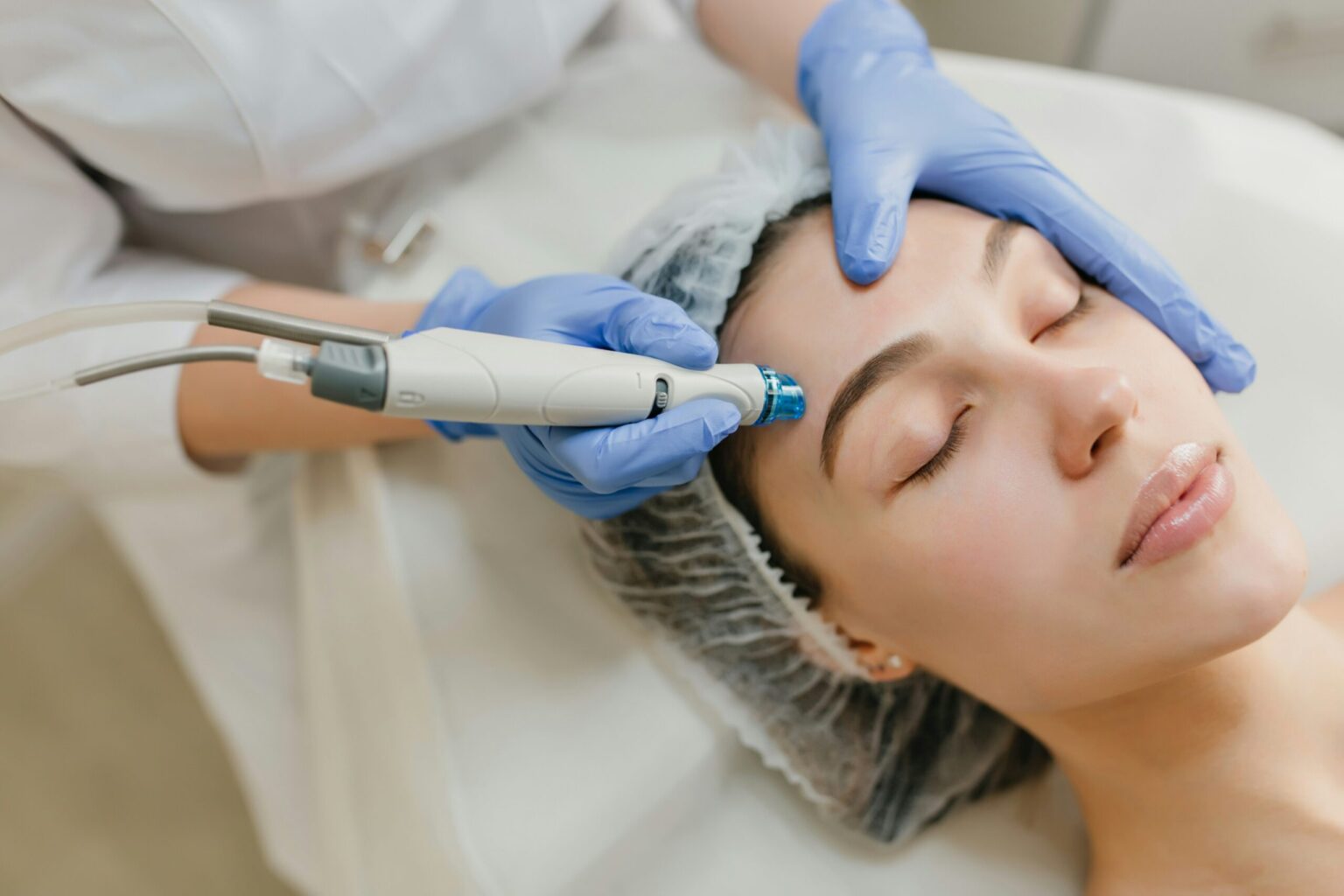
The global aesthetic medicine market in 2025 will exceed $85 billion —and every year, millions of people search online for the answer to one question: “Will this treatment help me?” This is where RealSelf comes in—a platform where patients share reviews, before-and-after photos, and rate the results of hundreds of thousands of treatments. And while it may sound like just another review site, RealSelf’s data is now one of the best barometers of what people really want—not what clinics want to sell them.
Trends in Aesthetics 2025 – Why Does the RealSelf Report Matter?
The most interesting shift? We’re moving away from the “plastic look.” More and more people want to be a better version of themselves, not someone else. “Tweakments,” meaning subtle enhancements, personalized treatments, and a natural effect—these are the key phrases running throughout the entire 2025 trend report.
In the following sections of the article, we will explore:
- Which specific treatments are growing in popularity (and which are losing it)?
- What does the Polish market look like compared to global trends?
- Is AI really changing the way we plan procedures?
The RealSelf report is not just a curiosity—it’s a roadmap to where beauty is headed. And it’s worth reading before someone convinces us to get a “must-have” treatment that’s actually going out of style.
RealSelf as a market barometer – how the trend report is created
RealSelf has been operating since 2007—initially as a forum where patients shared reviews of aesthetic procedures. Over time, the platform gathered so much data that it was able to publish reports showing what truly interests people in aesthetic medicine. Today, it is one of the most reputable sources of data on trends in the beauty industry.
From a patient forum to a global aesthetics barometer
A breakthrough came with the introduction of the RealSelf Most Loved and State of Beauty series—reports based on millions of reviews, searches, and surveys. The platform has been analyzing data since 2010, so you can see the evolution of interests: the Botox boom after the 2008 recession, the “selfie effect” (an increase in interest in procedures due to the popularity of social media), the “Zoom boom” during the pandemic when everyone started staring at their faces on screens. The latest reports touch on topics like AI and regeneration.
What data underpins the RealSelf 2025 report
RealSelf gathers information from several sources: user reviews (over 10 million), search data on the platform, surveys, and market analyses. They are visited by around 100 million people annually—this scale means that the trends are not editorial inventions, but a reflection of real patient needs. The reports answer questions from doctors (“what will patients be asking about?”) and from those interested themselves (“is this procedure worth considering?”). In the next section, we’ll see which treatments and keywords dominated 2025.
The most important trends for 2025 according to RealSelf – a global perspective
What exactly do the global RealSelf data for 2025 show? Well, patients today want something completely different than they did a decade ago — and the numbers confirm it.
Tweakments instead of makeovers – what patients want today
The most important trends shaping aesthetics in 2025 are:
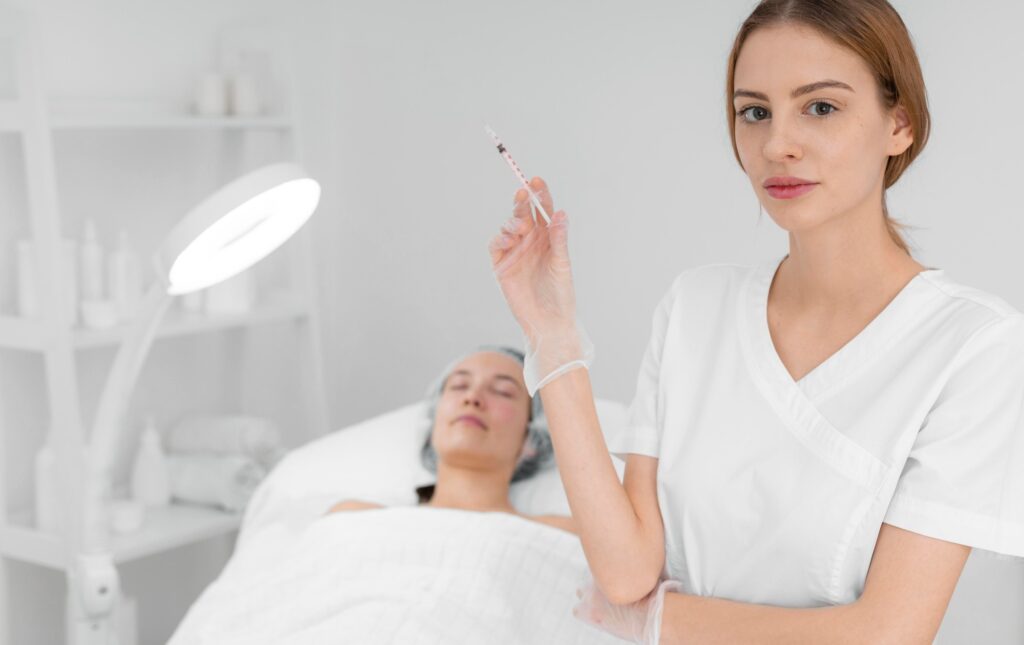
- Naturalness and “tweakments” – subtle enhancements instead of drastic changes; a 34% year-on-year increase in interest
- AI and treatment personalization – algorithms help predict outcomes and tailor procedures (28% of clinics already use this)
- Regenerative treatments – platelet-rich plasma (PRP), biostimulators growing by 41% annually
- Men in clinics – the share of male clients has increased to 15.6% of all procedures (ISAPS data)
- Eco-friendly fillers – biodegradable HA without BDDE are gaining popularity, although they remain niche
Top treatments 2025: from Botox to liposuction
The global podium is as follows:
| Treatment | Position | Worth It |
|---|---|---|
| Botox | #1 | 94% |
| HA fillers | #2 | 91% |
| Liposuction | #3 | 88% |
Botox reigns supreme—over 8 million procedures are performed annually in the USA alone. The average satisfaction rate for non-invasive procedures hovers around 89-92%, showing that patients rarely regret their decision.
Who uses it and why – demographics and social media
Women still make up about 84% of patients, but men are catching up. Younger clients (ages 25-34) now account for nearly 30% of the market — a result of the “Instagram Face” trend and exposure to TikTok filters. The “Ozempic Face” phenomenon (sunken cheeks after drastic weight loss) is driving demand for fillers up by another 19%. Social media is responsible for 62% of first-visit decisions — filters have become the norm, and their absence… is shocking.
Poland through the filter – how global trends are reflected in our market
While RealSelf publishes global statistics, the Polish aesthetic medicine market has its own dynamics—even though Instagram filters look exactly the same here. The industry’s value in Poland is already around 2.5–3 billion PLN annually, with a year-on-year growth rate of 15–20%. Interestingly, the popularity structure of procedures does not correspond one-to-one with the RealSelf ranking.
What treatments do Poles choose – figures from 2025
| Treatment | Share % | Comment |
|---|---|---|
| Botox | ~32% | Still number one, mainly women 35+ |
| Fillers (lips, cheeks) | ~28% | Boom in the 25-34 age group |
| Microneedle mesotherapy | ~18% | Popular as “soft start” |
| Laser hair removal | ~12% | The proportion of men is increasing (approx. 25%) |
| Lifting treatments (RF, HIFU) | ~10% | More and more often instead of surgery |
Profile of a Polish patient? Above all, it’s a woman (78%), but the percentage of men is growing at the fastest rate in history—now reaching 22%. According to the report “Polska za filtrem 2025,” as many as 41% of people opting for procedures are under 30 years old. The average age for the first aesthetic treatment is 28—two years younger than in 2020.
Instagram, TikTok and filters – new consultation offices
About 64% of patients admit that their decision to undergo a procedure was influenced by content from social media. Beauty filters on Instagram and TikTok have stopped being just fun—they have become a point of reference. “I want to look like I do with this filter” is a sentence aesthetic doctors hear every day.
Ethics and regulations – the darker side of the boom
However, the rapid development of the market brings serious challenges:
- Lack of certification: it is estimated that approximately 15% of procedures are performed by individuals without proper medical qualifications
- Cosmetologists beyond their competencies: injections performed by cosmetologists remain a gray area
- Corrections of unsuccessful procedures: now account for approximately 18% of all visits to renowned clinics
- No central registry: no authority monitors the number of adverse events or complications
The Kliniki.pl report makes it clear — the boom in aesthetics is outpacing the development of legal and ethical regulations. Further market growth depends not only on demand, but above all on the quality of services and patient safety.
AI, simulations, and regeneration – the technological face of new trends
AI in the clinic – from 3D simulation to therapy planning
Technology is no longer a futuristic add-on—it has become a silent advisor in aesthetic medicine clinics. The RealSelf report shows that 62% of consultations already use AI tools: 3D simulations overlay potential results onto the patient’s face, algorithms analyze skin condition at the microscale, and beauty planners suggest treatment schedules. Interestingly, patients who use such visualizations report 34% higher satisfaction after the procedure—mainly because their expectations were realistic from the very beginning.
AI does not make decisions for the doctor, but it reduces the risk of “I thought it would be different.” This changes the entire dynamic of the conversation—instead of guesswork, there is a concrete image to discuss.
Exosomes, polynucleotides, Morpheus8 – regeneration in practice
Regenerative treatments are one of the fastest-growing segments (forecasts predict an 18% annual growth rate until 2027). Why? Because they don’t “add” anything, but rather renew what we already have:
- Exosomes – nanoparticles that stimulate stem cells; 3-4 sessions, cost approx. 1200-1800 PLN/session
- Polynucleotides – DNA fragments that improve elasticity; a series of 2-3 treatments, ~900-1400 PLN each
- PRP (platelet-rich plasma) – the patient’s own blood; 2-3 sessions, ~600-1000 PLN
- Morpheus8 – microneedling + radiofrequency; single session ~2500-4000 PLN, results visible after 1-3 months
The result? Not a dramatic transformation, but the skin “comes alive”—less dullness, more elasticity. This is holistic beauty in practice.
Eco-friendly fillers and sustainable aesthetics
New trend: biodegradable fillers (e.g., RHA based on long-chain hyaluronic acid), which break down naturally and require less surgical intervention. Informed patients ask not only “how much does it cost,” but also “what is it made of and how long will it stay in my body.” Clinics respond: less synthetic material, more substances that mimic natural processes. Even here, ecology is making its mark.
What’s next for aesthetics? How to wisely follow trends after 2025
The RealSelf 2025 Report is not a final destination—it’s more of a moment to pause and reflect on where we’re actually headed. The main shift? We’re moving away from dramatic transformations toward subtle enhancements and holistic beauty. Patients are increasingly asking not “how drastically can I change?”, but “how can I maintain a natural look and care for my skin’s health in the long run?”. It’s a shift in mindset, not just fashion.
Forecasts after 2025 – where is the aesthetics market heading
The global aesthetic medicine market is expected to reach around 32 billion dollars by 2030, with an average annual growth of about 11-13%. The biggest surge is anticipated in the area of regenerative treatments (platelet-rich plasma, cell therapies) and AI solutions—from “predictive beauty” (algorithms forecasting aging based on genes) to robotics assisting surgeons. Within the next 3-5 years, personalized “aging maps” may become standard, showing which treatments will make sense in 10 years. It sounds futuristic, but the technology is already here.
How to Use Trends Responsibly – Tips for Patients and Doctors
For patients:
- Use AI simulations, but treat them as guidance, not a promise – the outcome always depends on individual biology.
- Verify the contractor’s qualifications: certificates, experience, reviews (not just those on Instagram)
- Don’t give in to social media pressure – filtered photos are not the standard of reality
- Ask about possible complications and recovery time – every procedure carries some risk
For doctors and clinics:
- Invest in continuous education – technologies change every few months
- Price transparency and realistic expectations build trust more than flashy “before-after” results
- Introduce eco-friendly solutions (biodegradable packaging, reduced carbon footprint) – this is important for younger patients
Data from RealSelf reports is a tool for better understanding the market, but not an oracle. What matters is an informed approach, tailoring to the individual, and ethical standards—then aesthetics serve health, not the other way around.
Maja/Premium Journalist
M
