




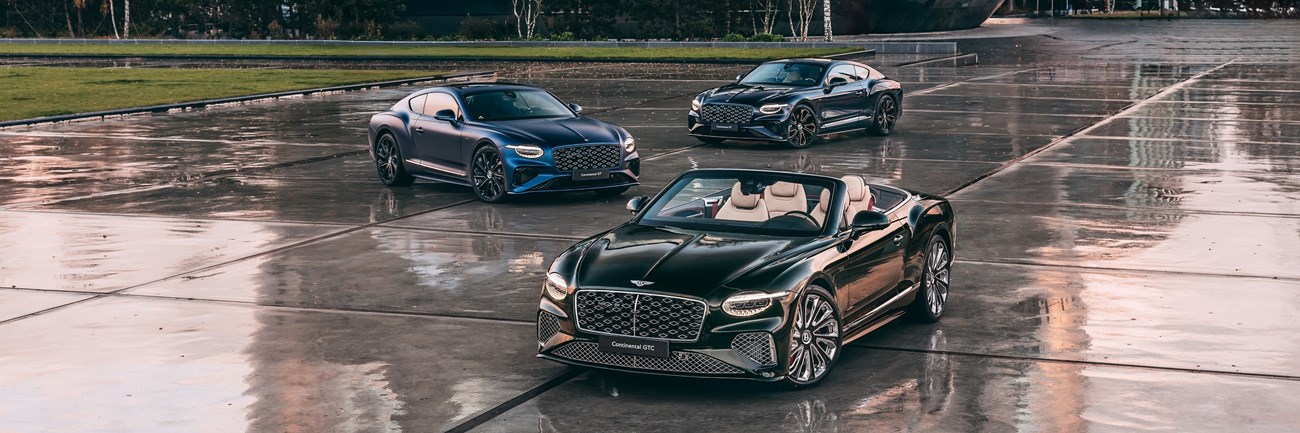
You see the word “Mulliner” on the Bentley emblem and wonder – is it some British term? A special brand “language”? No, it’s simply a surname. And it’s a name that truly means a lot in the world of luxury cars.
Mulliner originates from H.J. Mulliner & Co. – a historic coachbuilding workshop that, since the 19th century, crafted carriage bodies and later exclusive automobiles. Today, Mulliner is a fully-fledged division of Bentley Motors, responsible for personalization and entirely bespoke projects tailored to the client. When you see a car with the Mulliner badge, you know it’s not just a standard showroom model.
In practice, this means:
- Personalization almost without limits – from unique leather colors to wood from a specific tree
- Handcrafted artistry – hundreds of hours of expert work
- “Bespoke” projects – tailor-made cars, often produced as one-of-a-kind models
Sounds intriguing? In the following sections, we’ll dive deeper — you’ll discover the history of the workshop, see specific models, and find out what Mulliner’s current offerings look like, as well as which trends are shaping the future of this division.
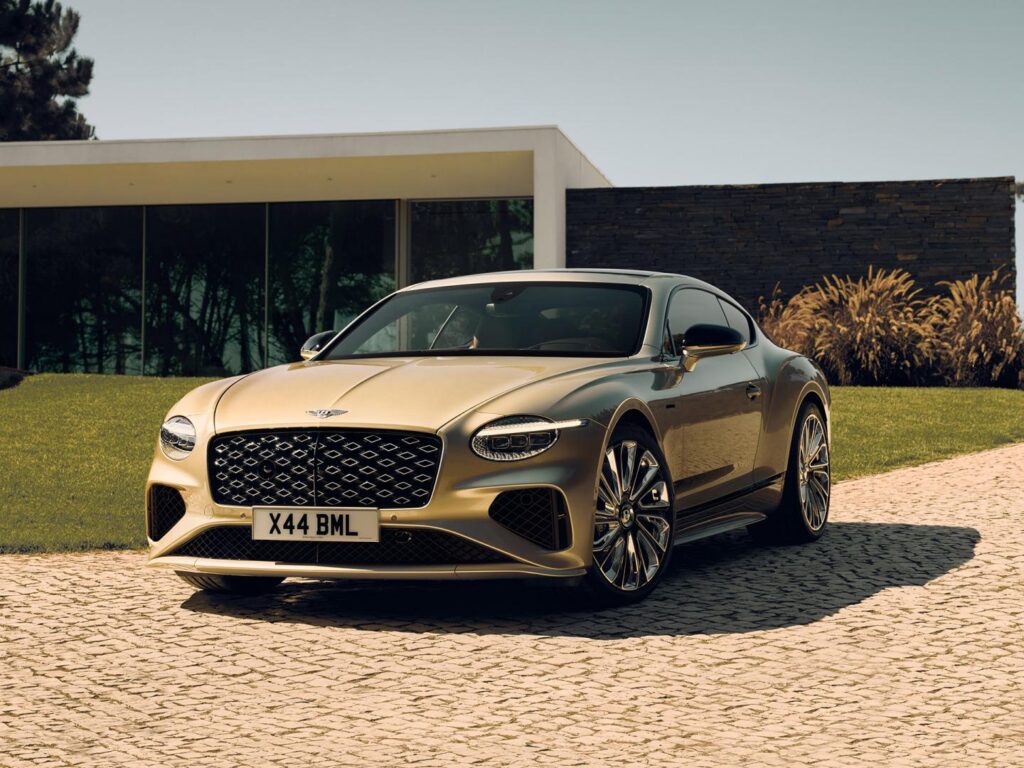
From coopers to Bentley – the history and evolution of Mulliner
When you first see the “Mulliner” name on a luxurious Bentley, few people realize that this name carries a legacy spanning over 260 years. This is not a marketing invention—behind this badge stands a true manufactory that has survived acquisitions, changes of ownership, and the automotive revolution.
Roots of craftsmanship: from 1760 to the first carriages
The history begins modestly. Around 1760, the Mulliner family ran a cooper’s workshop in London—they made barrels, not luxury vehicles. It wasn’t until 1810 that Henry Holland Mulliner established a carriage manufacturing business. It was there that they earned a reputation as masters of detail and precision craftsmanship. When the automotive era arrived, switching from horses to combustion engines was a natural step.
From Rolls-Royce to Bentley Mulliner – key dates
In 1923, H.J. Mulliner & Co. built the first bodies for the Bentley 3 Litre model. This marked the beginning of a long relationship. Then came turbulent times: in 1931, Rolls-Royce took over the company, and later Mulliner Park Ward was established. The brand survived despite changes in ownership, and in 1998, when Volkswagen Group acquired Bentley, a revival began. In the 21st century, the Bentley Mulliner division was created—the official personalization team, which has produced, among others, the Mulsanne W.O. Edition (2018), Flying Spur Mulliner (2021), and the ultra-limited Batur (2022).
This artisanal continuity—from carriages to modern hypercars—explains why the name “Mulliner” means so much today.
What does Mulliner mean on the Bentley nameplate today – offer, models, examples
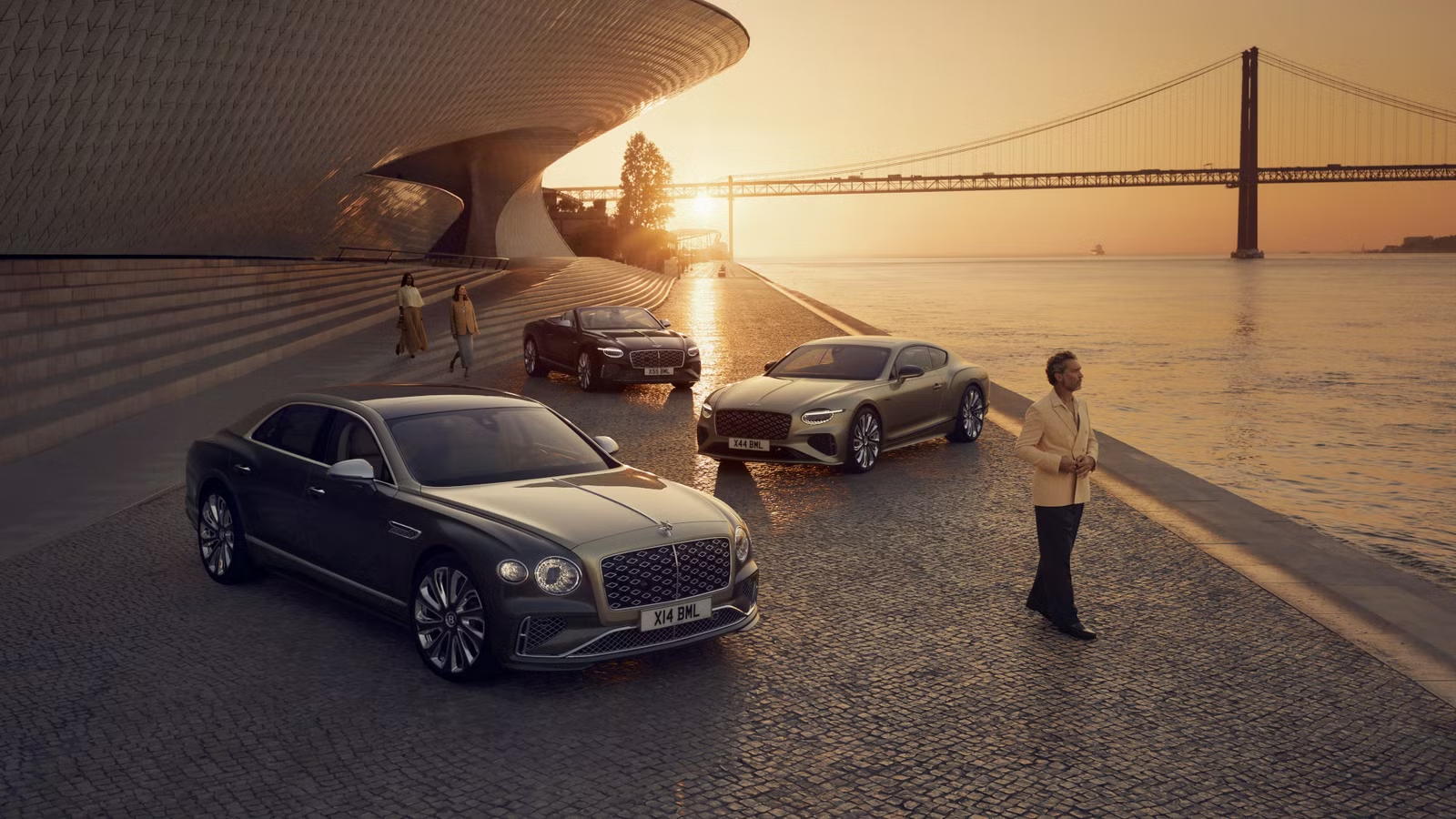
What does the Bentley Mulliner offer look like today
Since 2021, Bentley Mulliner has been operating as a fully-fledged production division in Crewe, bringing together over 100 craftsmen and specialists. Interestingly, complete Mulliner projects account for less than 1% of Bentley’s total production. This truly is a piece of genuine exclusivity.
What exactly does the client get? The list is impressive:
- Palette for 25 Mulliner paints and even 17 million finish combinations
- Marquetry – hand-laid natural wood inlays
- “Heritage hides” leather – without embossing, preserving natural characteristics
- 3D-polished chrome and Naim audio system (about 2,200 W)
- Massage chairs, advanced technologies
Examples of Mulliner models and limited editions
The contemporary range includes, among others, the Continental GT/GTC Mulliner, Flying Spur Mulliner, and Bentayga Mulliner. But the real gems are the one-off projects:
- Batur – 740 HP, 0-100 km/h in 3.4 s, only 18 units
- Bacalar – only 12 units produced
- Mulsanne W.O. Edition – limited edition of 100 units
- Continental GTC Mulliner × Boodles 2024 – 1 unique piece
- Dutch Masters 2025 – 3 cars inspired by Rembrandt, Vermeer, and Van Gogh
The Mulliner package can increase the price by 50-100% compared to the base version. On the Polish secondary market (OLX, AutoScout24), such a car starts at around 500,000 PLN and up. Enthusiasts see this as the pinnacle of luxury. Critics? They say it’s overpaying for details.
How to use the “Mulliner language” when choosing a Bentley
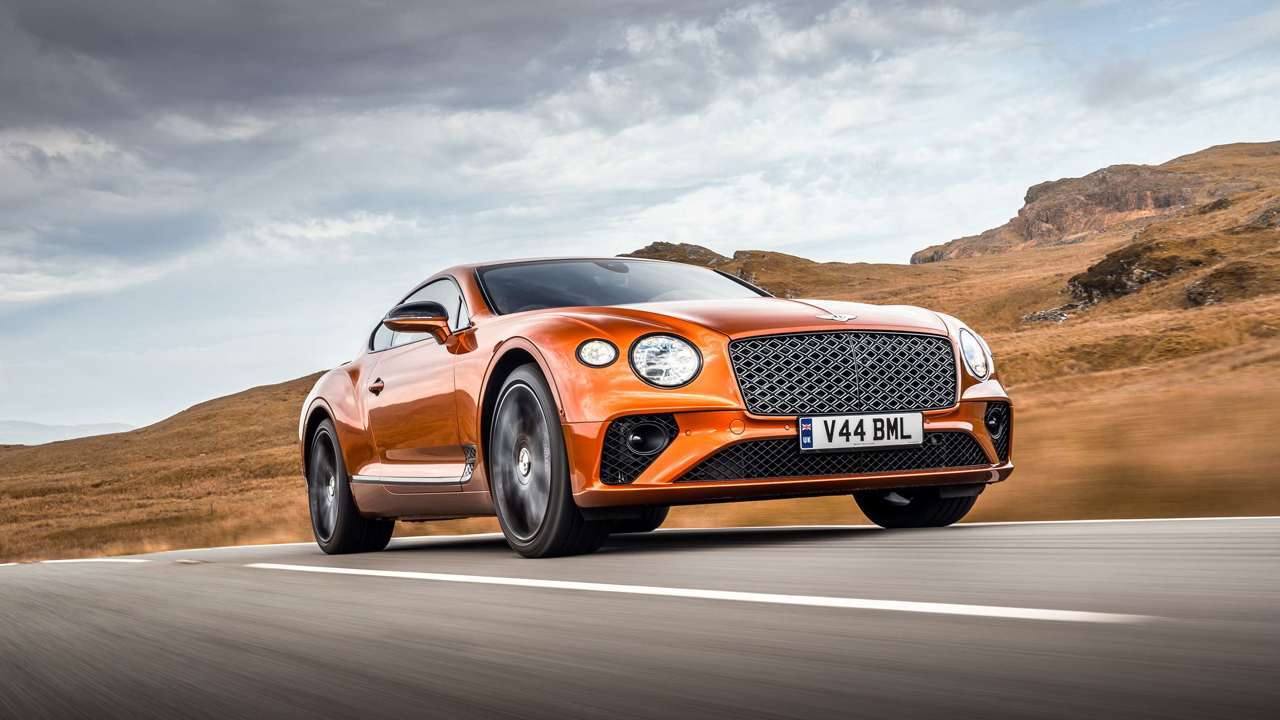
When the Mulliner designation truly makes sense
When you see the Mulliner emblem on the hood of a Bentley, it’s a sign that the car has gone beyond the standard configuration—someone has invested time (and considerable funds) in customization. For today’s buyer, such a badge means a higher level of finish, a limited edition, or even a one-off project. The question is: when is it actually worth paying extra?
Mulliner makes the most sense for:
- Collectors – limited edition models (such as Batur or Bacalar) appreciate in value faster than standard versions
- People seeking uniqueness – if you want leather in an unusual color, wood inlay, or embroidered initials, you can make it all happen here
- High-performance enthusiasts – the most extreme Bentleys (Speed, Carbon Body Kits) often bear the Mulliner seal
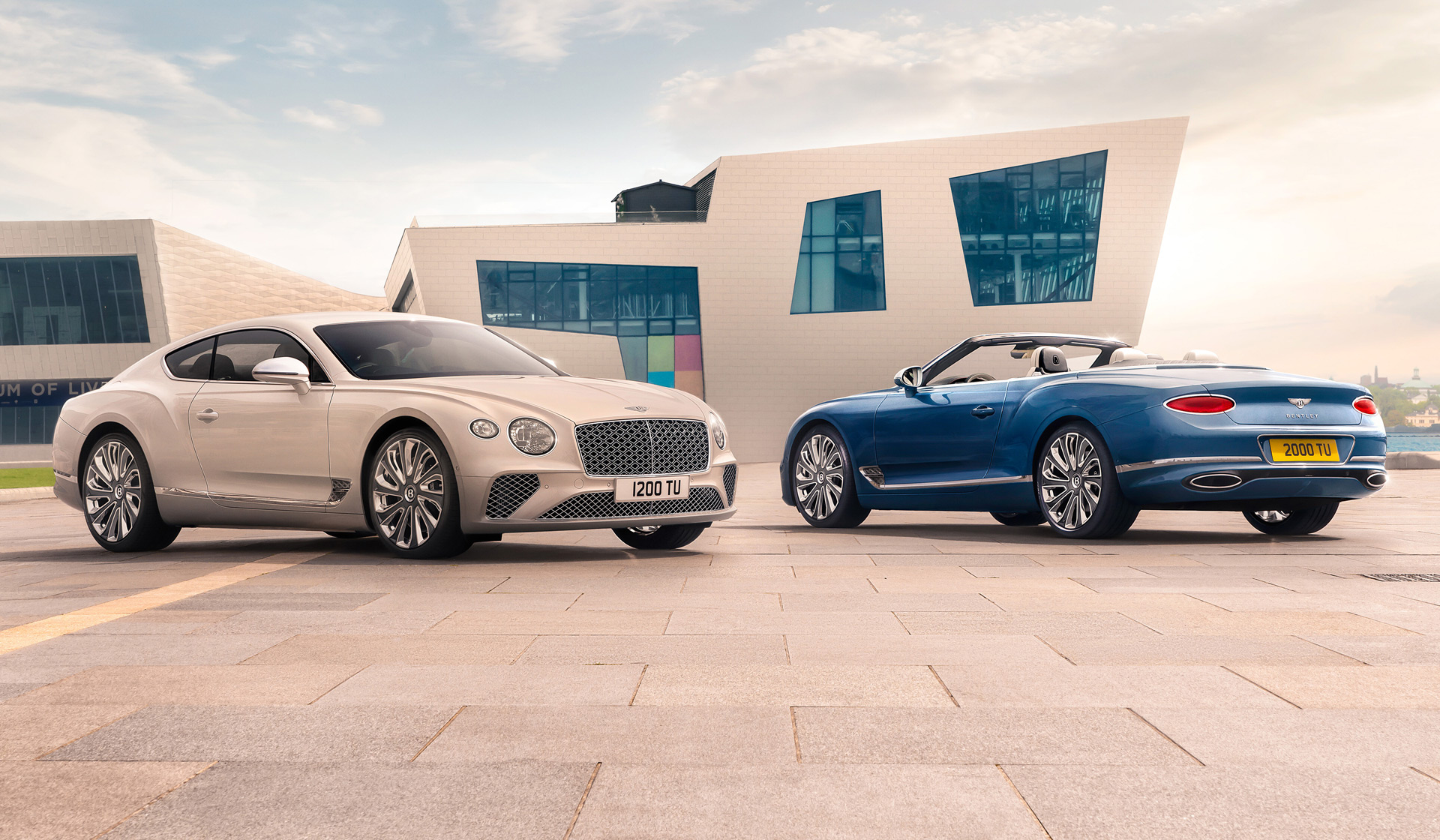
On the other hand, if you’re only planning standard driving in a premium car, the regular Continental may be sufficient — you’ll still enjoy plenty of luxury without paying extra for customization.
Mulliner in the future: electrification and sustainable luxury
After 2026, Bentley will switch entirely to electric vehicles, and Mulliner is already announcing “one-off” projects in this direction. We can expect sustainable materials—recycled leather, FSC wood, fabrics made from plant fibers. For the brand, it’s an opportunity to show that craftsmanship and ecology can go hand in hand.
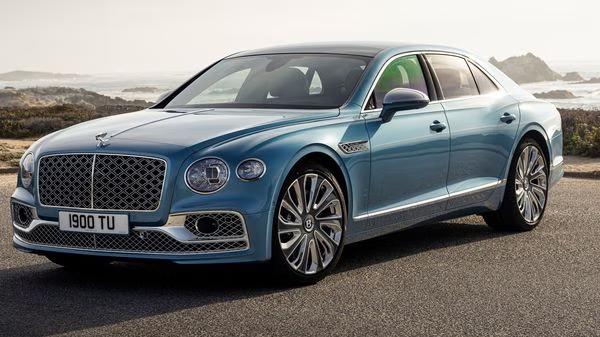
When browsing listings—whether at a dealership or on OLX—pay attention not only to the “Mulliner” label itself, but also to the car’s specific history and the extent of modifications. The difference between a simple styling package and a true bespoke project can be enormous.
Pavel 77
Luxury Reporter editor
for Luxury News
