




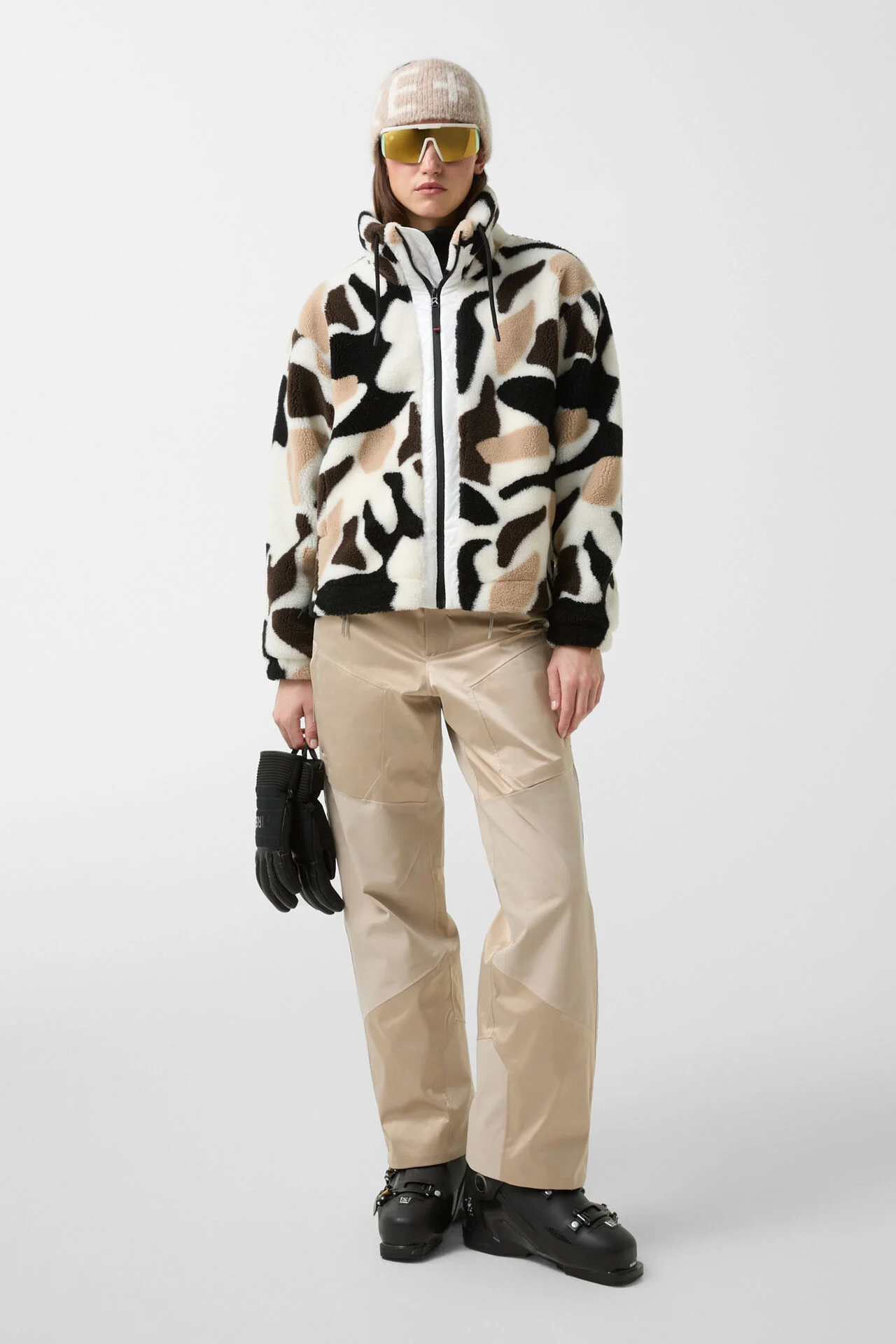
Can luxury go hand in hand with extreme functionality?
This question has been on my mind ever since I first saw a skier coming down a difficult slope in a jacket that looked straight off the runway. But it wasn’t just any brand. It was Bogner Fire + Ice.
Actually, it’s an interesting story with this brand. Bogner has been around since 1932—it was founded in Munich. Over 90 years on the market is no coincidence. Especially in an industry where a single season can bury a company.
What is Bogner Fire + Ice? – from the flame of passion to innovation
Fire + Ice is not a separate company, as many people think. It’s a sub-brand of Bogner, aimed at those who don’t want to choose between style and functionality. Dynamic sports enthusiasts who one day hit the slopes, and the next… well, do something completely different.

I remember once talking to a ski instructor. He told me that Alpine brands have something that simply can’t be imitated. That mountain vibe, that culture. You can’t just invent it at a desk in Warsaw or Krakow.
In this article, I want to show three things:
• How a brand with Alpine roots has survived for nearly a century
• Why Fire + Ice is more than just sportswear
• What the future holds for this brand
You know what? It’s easy to make a ski jacket. It’s much harder to create one that makes you feel confident on the slopes and elegant in a restaurant. And it’s even more challenging to maintain that standard for decades.
The story of Bogner is a fascinating journey from a small Munich atelier to a global icon of luxury sportswear.
Roots and evolution of the brand
How did a small ski workshop from the 1930s become synonymous with luxury in winter sports? The story of Bogner is, at its core, a tale of a family that has spent decades steadily building its reputation.
| Year | Key event |
|---|---|
| 1932 | Willy Bogner senior opens a small ski workshop in Munich |
| The 1950s | First successes in manufacturing ski equipment for professionals |
| 1962 | Willy Bogner Junior takes the helm of the company |
| The 1960s–1970s | Expansion into the ski apparel market, presence at the Olympic Games |
| 1972 | Bogner becomes the official supplier for the German Olympic team |
| The 1980s | Strengthening the position in the segment |
| 1989-1991 | The launch of the Fire + Ice line as a response to the growing popularity of extreme sports |
| The 90s | Further development of both product lines |
Senior Bogner started out as a craftsman—he literally made skis by hand in his workshop. But the real breakthrough came with the next generation. Willy Junior had a completely different approach to business. He was both an athlete and a visionary.
It was under his leadership that the company began to blend sports with fashion. The Olympic Games became a natural stage for the brand —not only as an equipment supplier, but also as an image creator. Bogner stopped being just a manufacturer and became synonymous with a lifestyle.
The late 1980s and early 1990s marked another pivotal decision—the birth of Fire + Ice. Extreme sports were gaining popularity, and young people were looking for something beyond traditional skiing. Fire + Ice was the answer to these changes—it preserved the Bogner DNA, but with a more rebellious twist.
Interestingly, over all these years, the company has managed to avoid major crises. The family-run model turned out to be a perfect fit—each generation brought something new to the table without breaking with tradition. This is a rarity in an industry where many brands experience dramatic highs and lows.
However, stability did not mean stagnation. Bogner consistently strengthened its premium position without chasing every trend. This philosophy paid off—the brand achieved iconic status, with products that are instantly recognizable.
Such a history means that Bogner’s contemporary offering is firmly rooted in tradition, yet unafraid of innovation.

Offer and technological advantages
Bogner Fire + Ice is a brand that truly knows how to combine functionality with style. It’s not just about looking good on the slope —though that matters too. It’s about having gear that performs when you need it most.
The current range looks like this:
Ski jackets | B-Dry Pro technology | from €350
Ski pants | Ergonomic cut Ski-Fit | from €280
Base layers | Material Thermo-Active | from €120
Accessories (gloves, goggles) | Various technologies | from €80
I just bought a jacket from their latest collection and I have to say—the difference is noticeable. The breathable materials really work. You don’t get that feeling of overheating underneath during intense rides. The waterproofing is also top-notch; I tested it on my last trip to the Alps.

Material technologies are their strong suit. B-Dry Pro isn’t just a marketing gimmick—the fabric truly wicks moisture while protecting against the wind. The ergonomic cuts also make a real difference. The jacket doesn’t restrict movement, even during dynamic turns.
And of course, we have to talk about the price. This is a premium segment—€200-500 for a jacket is standard. Some models go even higher. But if you think about it, a good jacket will last for years.
I remember my friend, a skier with over a dozen years of experience. He bought a Bogner Fire + Ice jacket three seasons ago. He skis 40-50 days each season, in all kinds of conditions—from powder to ice. The jacket still looks brand new. He says it was the best investment of his skiing life.
That’s exactly what this brand is about. A sporty spirit with an urban aesthetic. You don’t look like a tech geek, yet you have top-tier gear. You can wear this jacket to dinner at a restaurant after a day on the slopes.
Bogner Fire + Ice hits the mark – it combines everything a modern skier needs.
Hit the slopes: how to embrace the legacy of Bogner Fire + Ice
Now that you know what Bogner Fire + Ice has to offer, it’s time to take action.
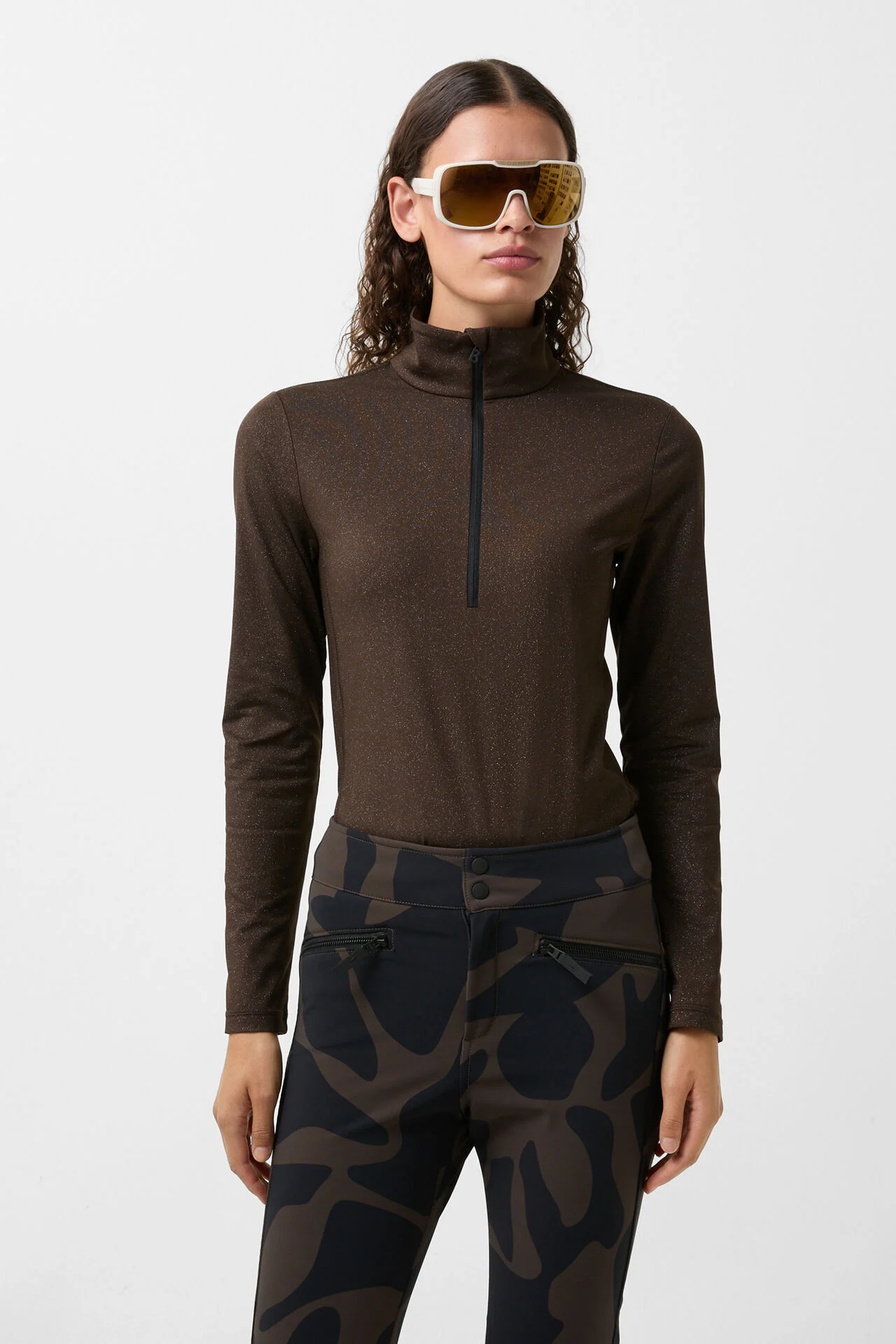
Here are the key takeaways to remember:
- Bogner Fire + Ice is not just about fashion, but above all about functionality – every piece of clothing has its technical purpose on the slopes.
- Investing in a quality ski jacket pays off over years of use, especially if you ski frequently.
- The brand’s urban style means your ski wear will work just as well for everyday occasions.
- Breathable fabric technologies and membranes are essential for comfort during long days in the snow.
- Choosing the right model depends more on the conditions you ride in than on your skill level.
When choosing a specific model, first consider where you’ll be skiing most often. Icy Alpine slopes require something different than the Polish mountains. Check offers in official online stores at the end of the season—prices can drop by 30-40 percent then. It’s also worth keeping an eye on sports outlets, which regularly clear out collections from previous years.
The winter sports industry is clearly moving towards sustainable materials. By 2025, most manufacturers, including Bogner, plan to significantly increase the share of recycled fabrics in their collections. E-commerce is becoming an increasingly important sales channel, which means better product availability and more online promotions.
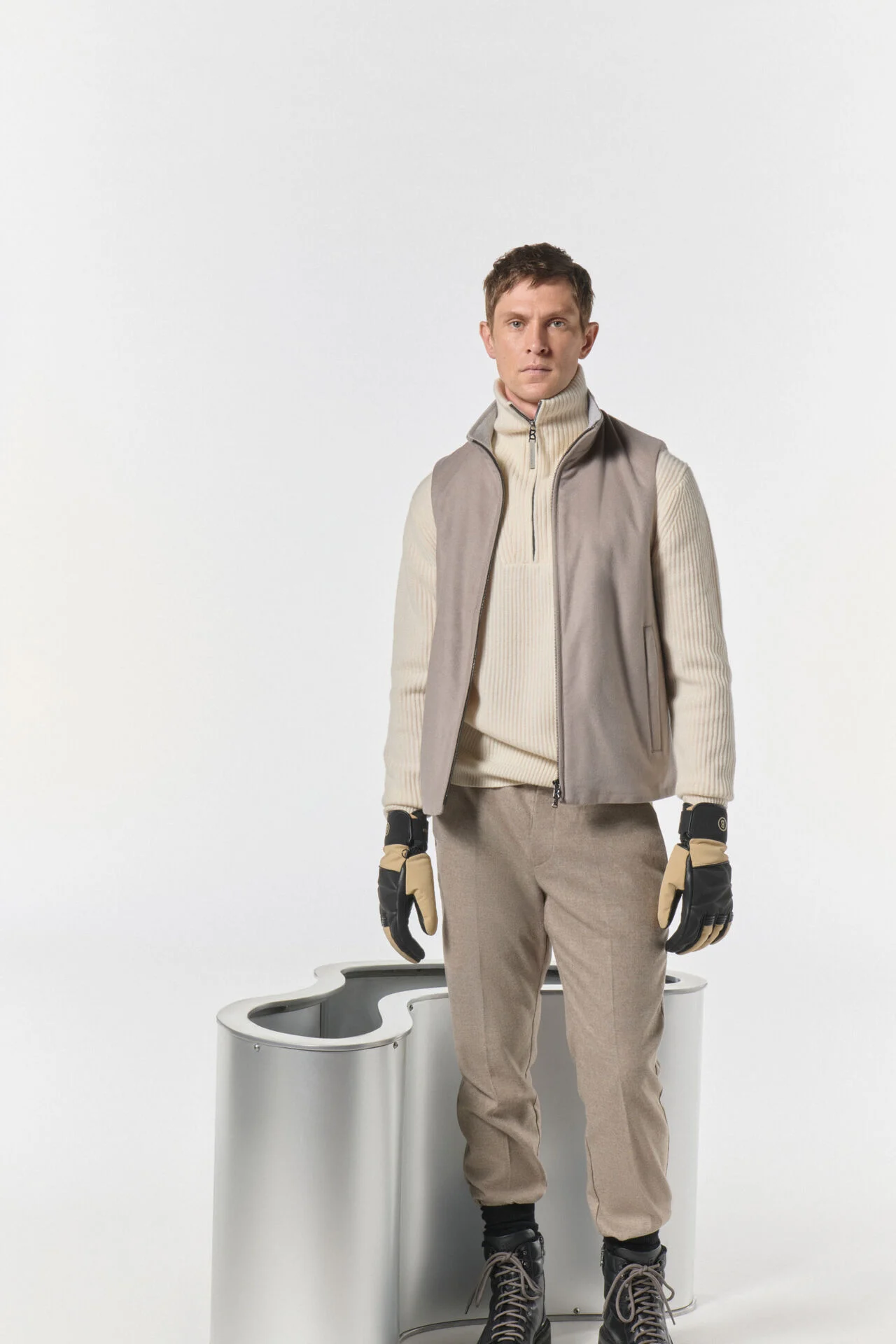
The best time for your first purchase? Right now, before the season starts, when you have the full range of sizes and colors to choose from.
John
sports editor
Premium Journalist
