




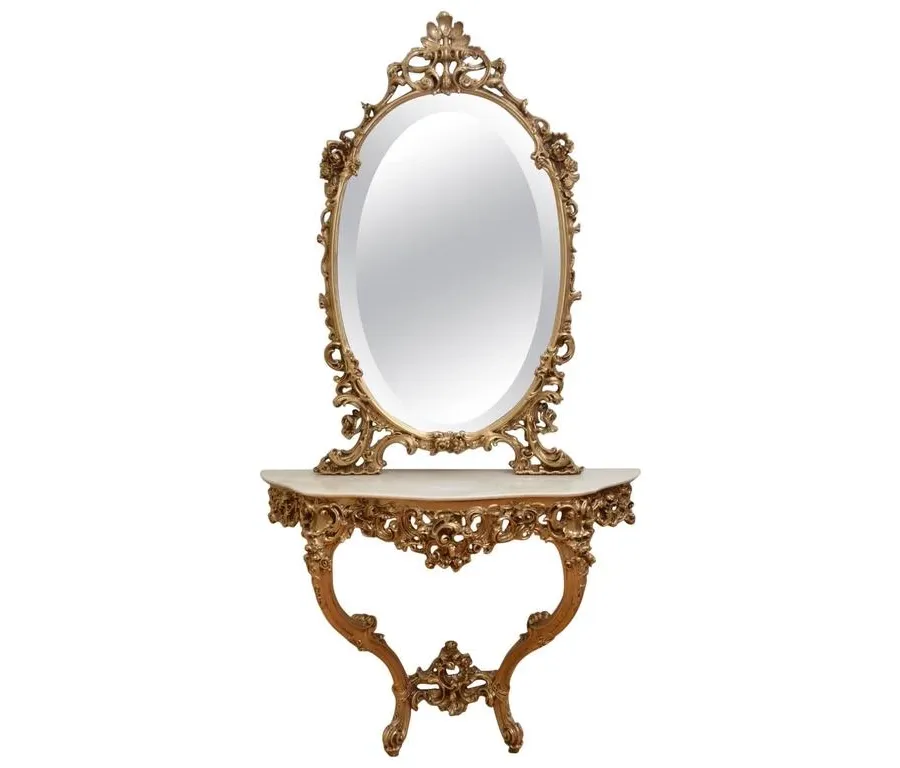
Antique mirrors have long held a special place in interior design. They evoke a sense of history, elegance, and craftsmanship that has stood the test of time. Although for years they were associated mainly with classic residences or palace salons, today they are increasingly appearing in modern homes, lofts, and minimalist apartments. Their strength lies in their versatility. That’s why, when chosen well, they can harmoniously complement almost any aesthetic.
Antique mirrors are not just utilitarian objects. They are elements that create the atmosphere of an interior, bringing in light and visual depth. At the same time, they give it a unique character. Aged glass, subtle patina, or carved frames make the space cease to be one-dimensional and gain a sense of refinement.
Do antique mirrors suit only classic interiors?
This is one of the most frequently asked questions—and at the same time, a myth that is increasingly being debunked. Of course, antique mirrors fit perfectly in classic, French, or glamour interiors. Antique mirrors emphasize the luxurious character of a space and enhance the elegant style of interior design. However, contemporary interiors rarely stick to a single, strictly defined style. More and more often, they are the result of consciously blending different eras and aesthetics.
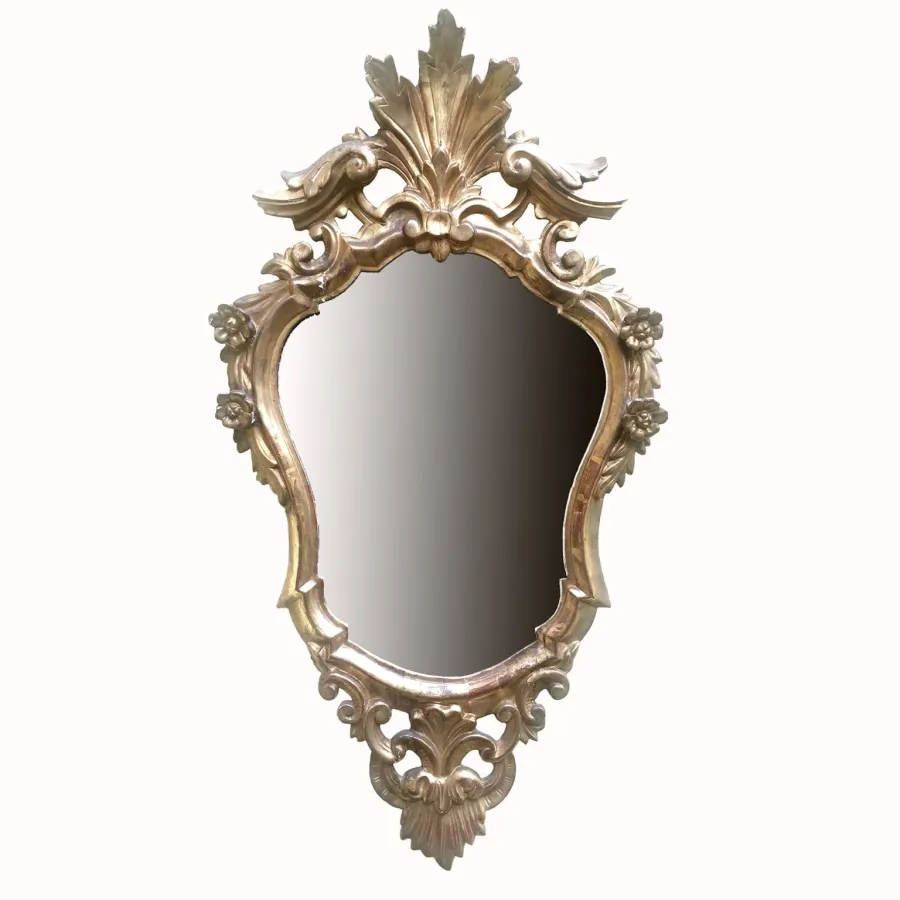
In modern interiors, an antique mirror acts like jewelry. A single striking element that catches the eye and breaks the simplicity of the form. Placed against a smooth wall, concrete, or paired with minimalist furniture, it introduces a contrast that enlivens the arrangement and adds depth. It is precisely this ability to engage in a dialogue with modernity that makes antique mirrors so highly valued by interior designers.
What does an antique mirror add to an interior?
The presence of an antique mirror changes the way we perceive a space. Above all, it reflects light—both natural and artificial—making the interior brighter and more spacious. In smaller rooms, it can visually enlarge them. In larger ones, it adds a sense of lightness.
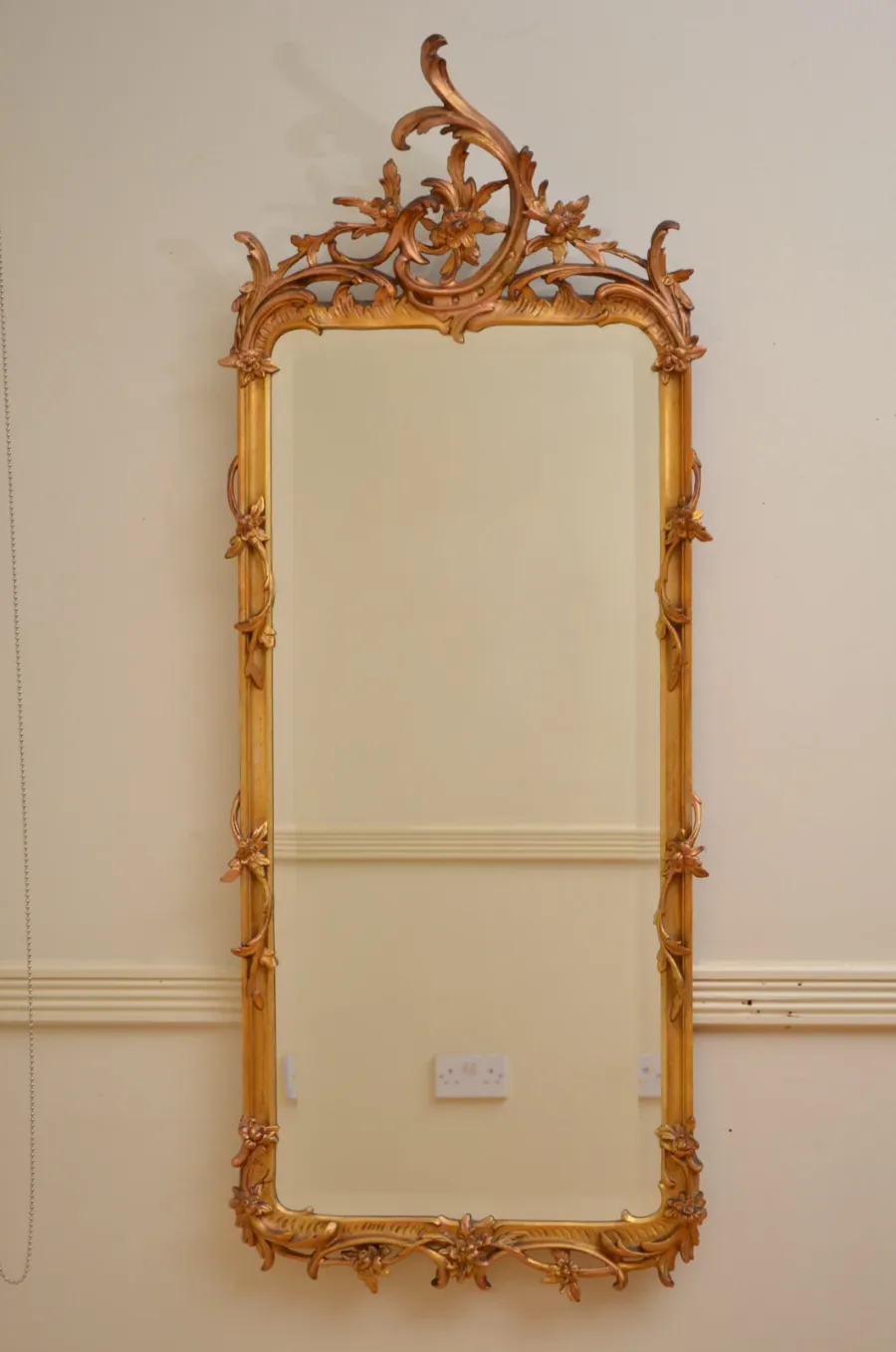
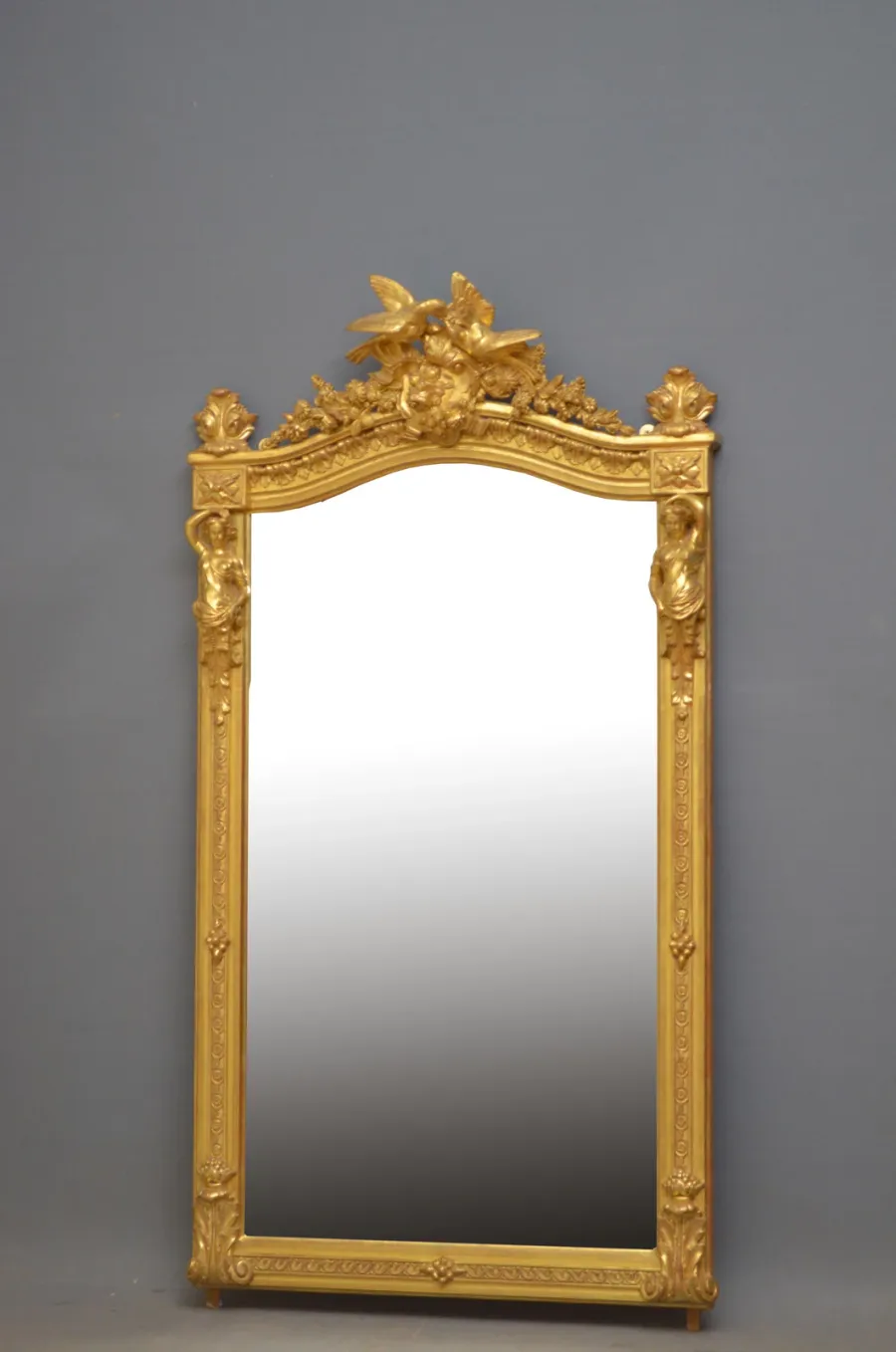
The emotional aspect is equally important. Mirrors with a history bring an aura of mystery and a sense of continuity to the interior. They make the space feel less anonymous, giving it a personal and slightly artistic character. This is an element of interior design that “tells a story” and makes the space more refined.
Antique mirrors in the living room – elegance takes center stage
The living room is the place where an antique mirror truly reveals its full potential. Hung above a sideboard, console, or fireplace, it often becomes the focal point of the arrangement. It draws the eye, organizes the space, and gives it a distinguished character. Intricate antique ornamentation forms the heart of the entire décor.
In smaller living rooms, a mirror serves an additional practical function. It brightens up the interior and makes it appear larger, especially when it reflects a window or a light-colored wall. In larger spaces, it can provide an elegant backdrop for decorations, sculptures, or vases, creating a cohesive and harmonious whole. Increasingly, you can also find arrangements of several mirrors in the living room in various shapes, which together create a striking, artistic wall. For such an arrangement, it’s worth choosing one decorative antique mirror with an intricate frame and a few simpler, complementary ones.
Antique mirrors in the bedroom – an atmospheric accent with soul
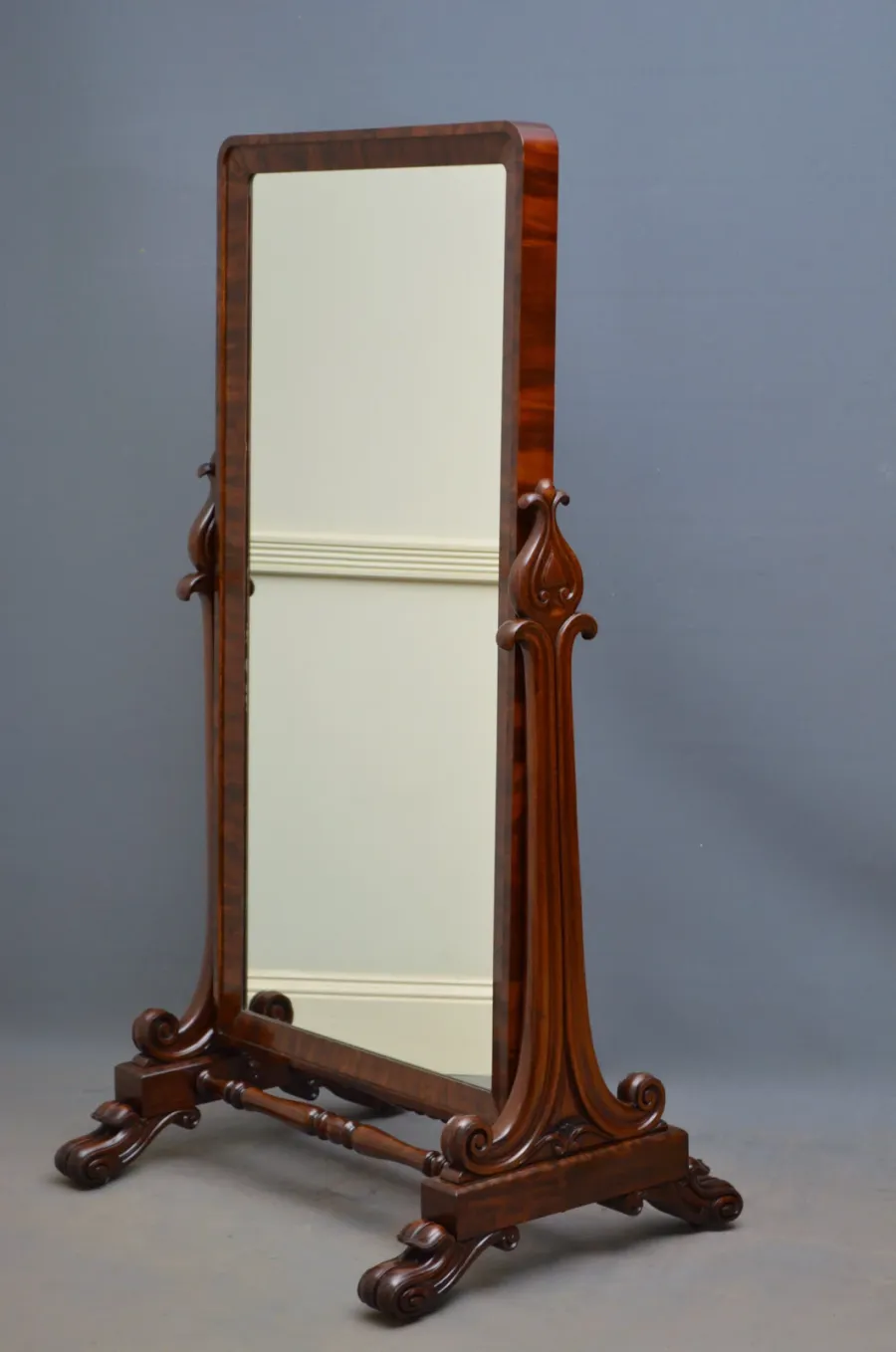
In the bedroom, an antique mirror introduces a completely different kind of elegance—more subtle and intimate. Placed above a dresser or vanity, it adds lightness to the interior and visually enlarges the space without dominating the arrangement. Tall standing mirrors leaning against the wall give the bedroom the feel of a luxurious apartment.
Interior designers often emphasize that it’s worth placing a mirror in this space so that it reflects soft lamp light, curtains, or plants, rather than directly exposing the bed. This way, the bedroom gains a more atmospheric and cozy character.
Not just the living room and bedroom – where else will an antique mirror work well?
Antique mirrors are increasingly appearing in hallways, corridors, and bathrooms. In narrow passageways, they help visually expand the space and create an impression of elegance right from the entrance. In the bathroom, when hung above the sink, they can completely transform its character. That’s why they give it the style of a luxury hotel or a private spa.
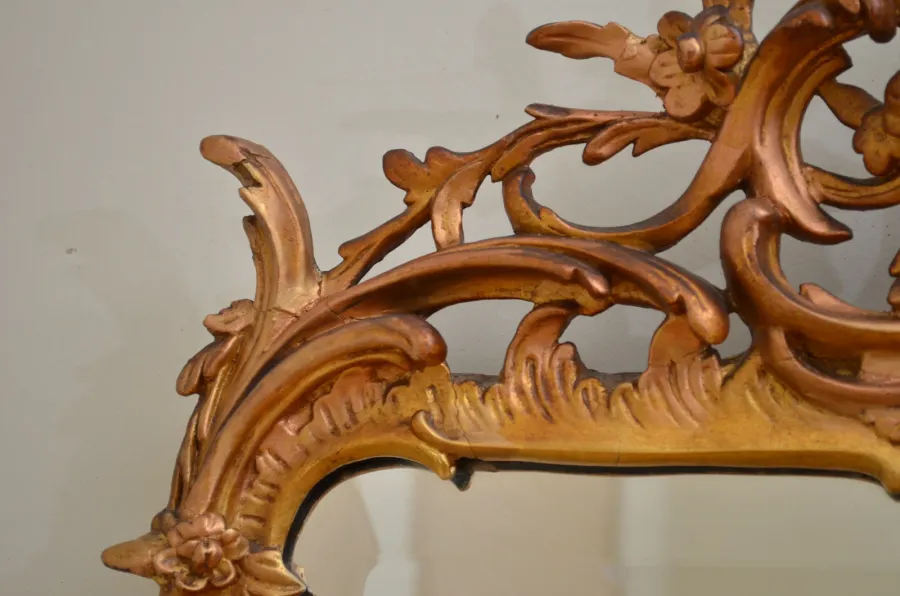
An equally interesting place for an antique mirror is a study or home library. Combined with wood, books, and a subdued color palette, it emphasizes the prestige of the interior and creates an atmosphere of focus.
An antique mirror as a conscious choice
Choosing an antique mirror is a decision that goes beyond fleeting trends. This is because a mirror in an interior is a timeless element that adds depth, class, and individual character to a space. Whether it appears in a classic living room, a modern apartment, or an eclectic bedroom, it always brings something more to the space than just a reflection.
An antique mirror proves that modernity and history don’t have to be mutually exclusive. On the contrary – it’s their combination that makes interiors more authentic, interesting, and full of soul.
