




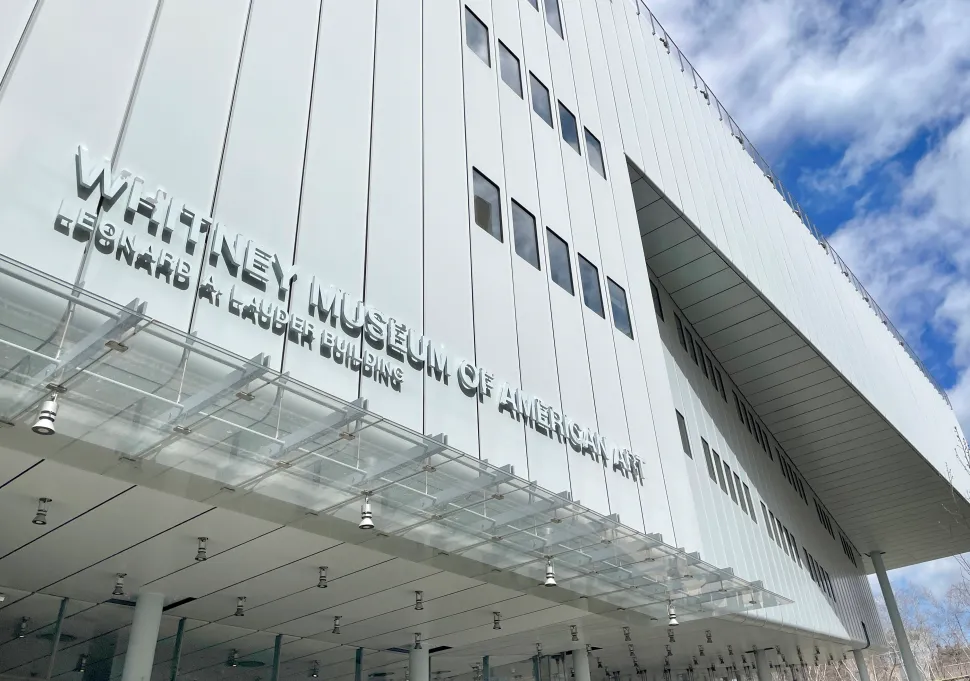
The eighty-second edition of the Whitney Biennial is not just an exhibition. It serves as a barometer of what is happening in American art right now. In 2026, the museum is opening most of its spaces to works by 56 artists, duos, and collectives—most of whom are creators whose names are only just beginning to circulate more widely. Let’s remember that previous editions have propelled completely unknown individuals to the forefront of the most important collections.
Whitney Biennial 2026 in New York – scale, atmosphere, and significance
Interestingly, this edition strikes a balance between boldness and accessibility. On one hand, we see a lot of experimentation (which has always sparked controversy); on the other, the curators strive to ensure that the wider audience does not feel lost. It is precisely this tension that makes it worthwhile to be there in the first weeks, when the discussion about what we are actually seeing is still ongoing.
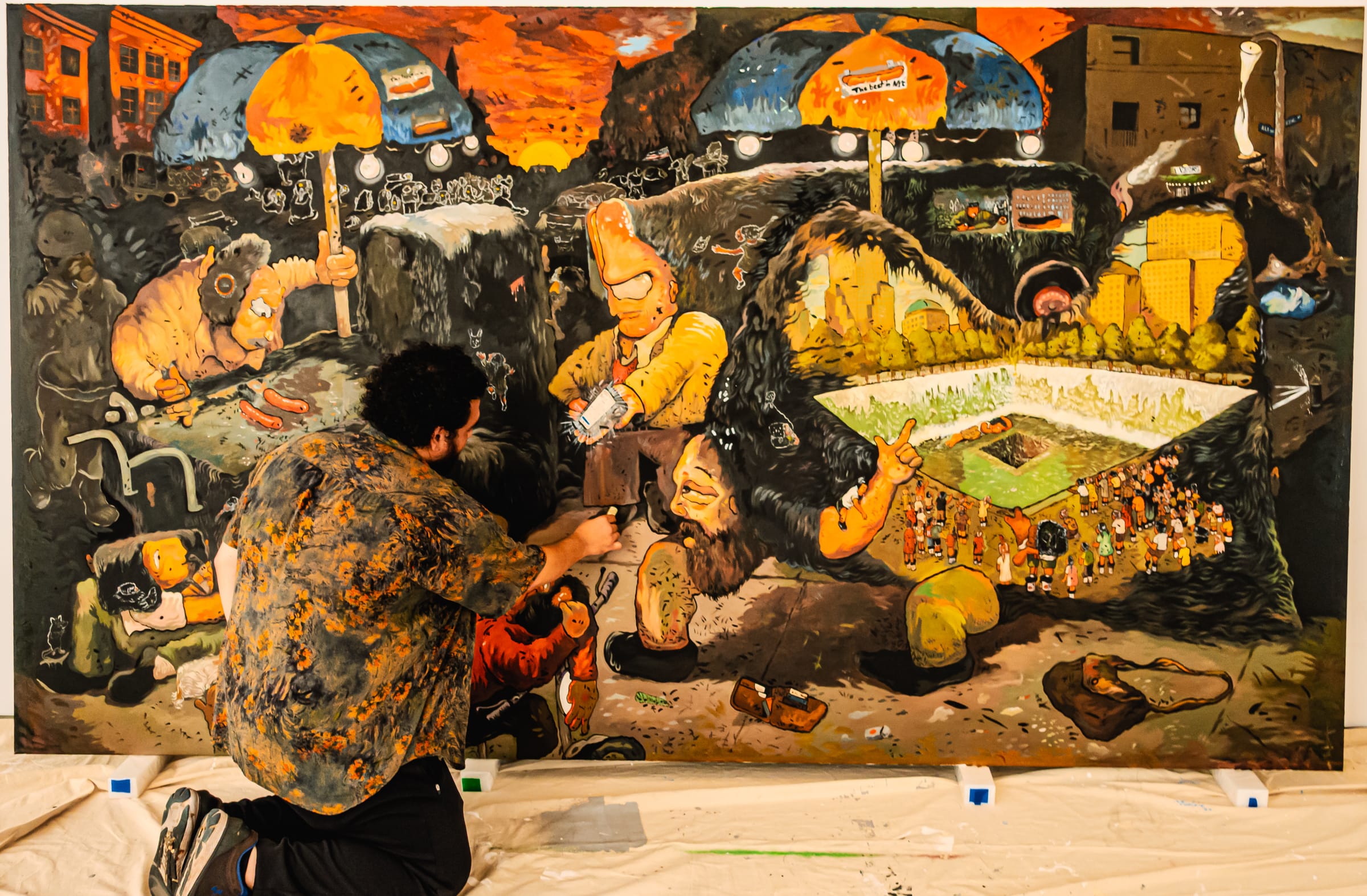
The Renzo Piano building in the Meatpacking District adds a sense of place to the entire experience. The light, the industrial context outside the windows, the multi-level spaces—all of this shapes how the works are perceived. This is an experience that simply cannot be recreated later in a catalog or online coverage.
In the next section, we will show the curators’ vision for this edition and how it translates into the practical aspects of your visit.
The vision and method of the 2026 curators
This year’s edition is curated by four curators from the Whitney Museum: Marcela Guerrero (DeMartini Family Curator), Drew Sawyer (Sondra Gilman Curator of Photography), Beatriz Cifuentes (Biennial Curatorial Assistant), and Carina Martinez (Rubio Butterfield Family Fellow). Interestingly, this is the first time since 1996 that the Biennial is curated exclusively by the museum’s in-house team. Their method? Over 300 studio visits with artists, both in 25 US states and abroad (Honolulu, Vienna, Sharjah, São Paulo). They didn’t follow a predetermined theme; instead, they let conversations guide them. From these meetings emerged a vision they themselves describe as:
żywe, nastrojowe studium współczesnej sztuki amerykańskiej ukształtowanej przez moment głębokiej przemiany.
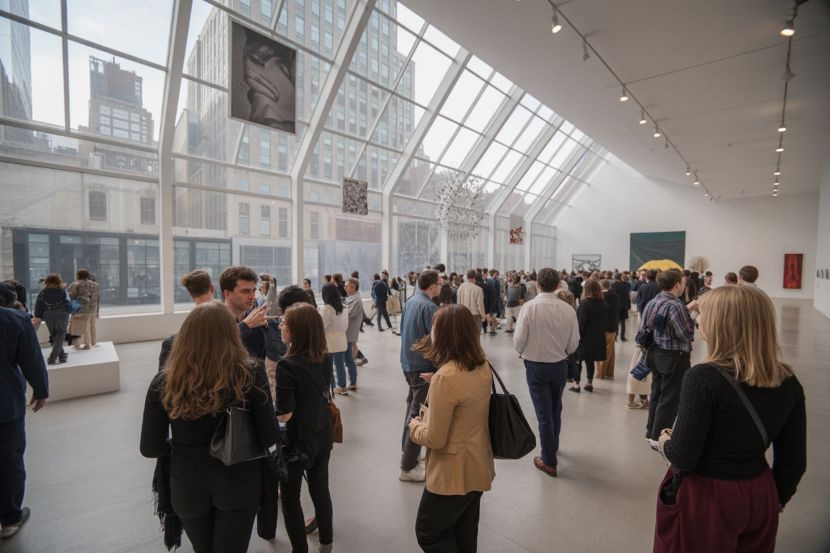
Relationality as a framework of experience
The main theme here is relationality, understood in a broad sense: interspecies kinships, family bonds, geopolitical connections, technologies that unite and divide, shared mythologies, infrastructures of everyday life. The curators deliberately highlight both tensions and tenderness, with humor blending into unease. The entire concept stems from a diagnosis of the art field, which they summarize as follows:
Strukturalnie niestabilny, a jednak pełen możliwości.
The exhibition aims to show how artists today negotiate ways of coexistence in a time of profound change. It sounds ambitious, but also concrete.
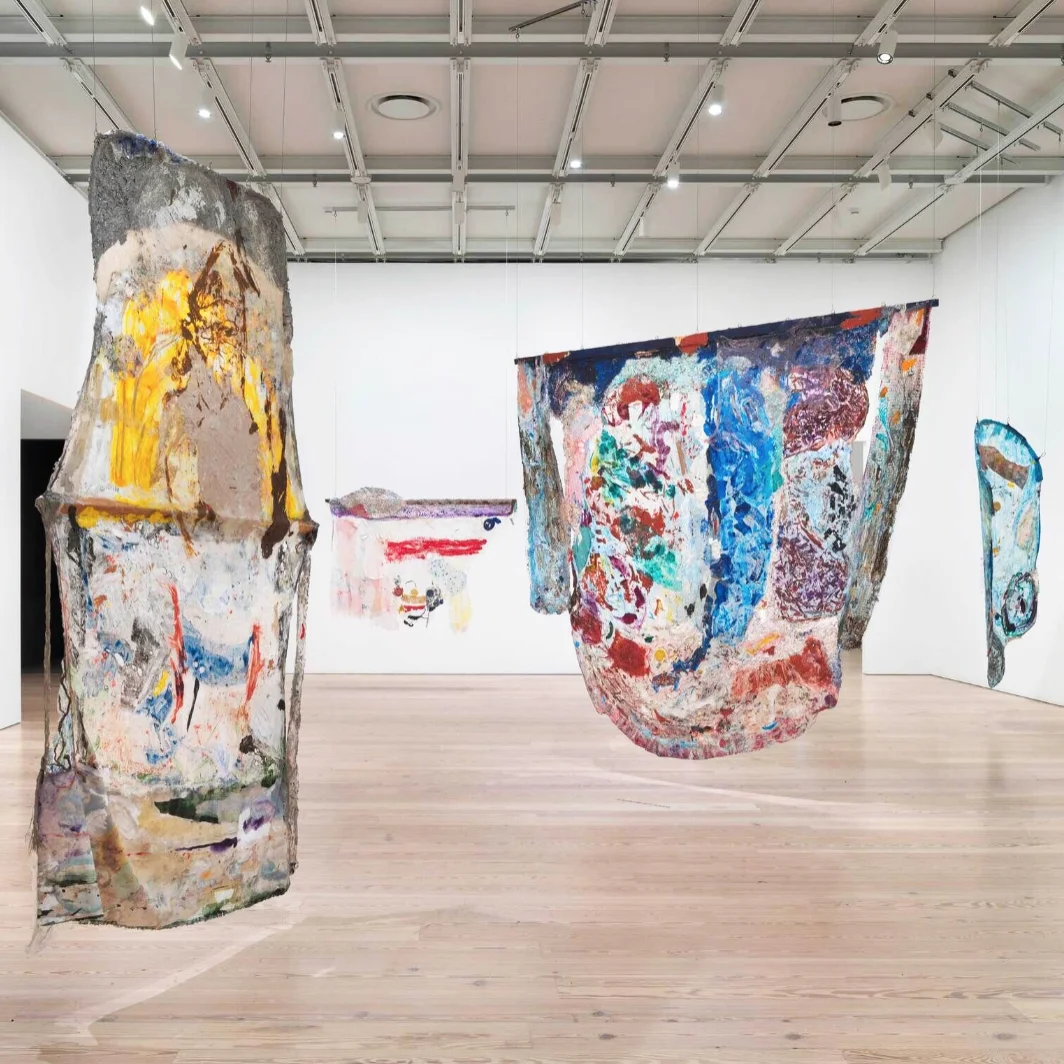
Dates and times
The exhibition will open to the public on March 8, 2026, so when planning your visit, it’s worth marking that weekend in your calendar. Interestingly, the inauguration coincides with ” Free Second Sundays “, which means free admission every second Sunday of the month. Before that, there will be preview days for Whitney Museum members (March 4-7) and a press preview on March 3 from 10:00 AM to 1:00 PM.
| Date | Event |
|---|---|
| 03/03/2026 | Press Preview (10:00-13:00) |
| 04-07.03.2026 | Member Previews |
| 08.03.2026 | Public opening |
| 23/08/2026 | Exhibition closing |
Tickets go on sale January 13, 2026. The exhibition will occupy several floors of the Renzo Piano building in the Meatpacking District, and will also feature performances, public meetings, and online content.
Tickets and availability
This is the first edition after expanding the free admission program, which is truly a game changer. Anyone under the age of 25 gets in for free, globally, with no additional conditions. Other programs like “Free Second Sundays” are also available. The catalogue (500 pages, over 400 illustrations, design: Mỹ Linh Triệu Nguyễn) will be published on April 14, 2026 by Yale University Press for $50. Series of free public programs, such as “Inherited Imprints” (February 2026) or the curators’ meeting at NYU (January 28), provide additional context before your visit.
Between tension and tenderness: what does this edition teach us?
This edition of Whitney reminds us that contemporary art does not have to choose between political sharpness and emotional depth. We have seen how female artists combine personal sensitivity with a broader social context, how intimate gestures become a form of resistance. This is perhaps the most important lesson from this exhibition: authenticity does not weaken when we talk about collective issues.
The Biennale also shows that the curatorial selection of female voices is not a political gesture, but simply a reflection of where the energy in art is today. Reality is changing, and with it, so is who tells its story and how.
Ultimately, Whitney 2026 proves that museums can still teach us something about the world we live in.
Sonia
Luxury Reporter editorial team
