




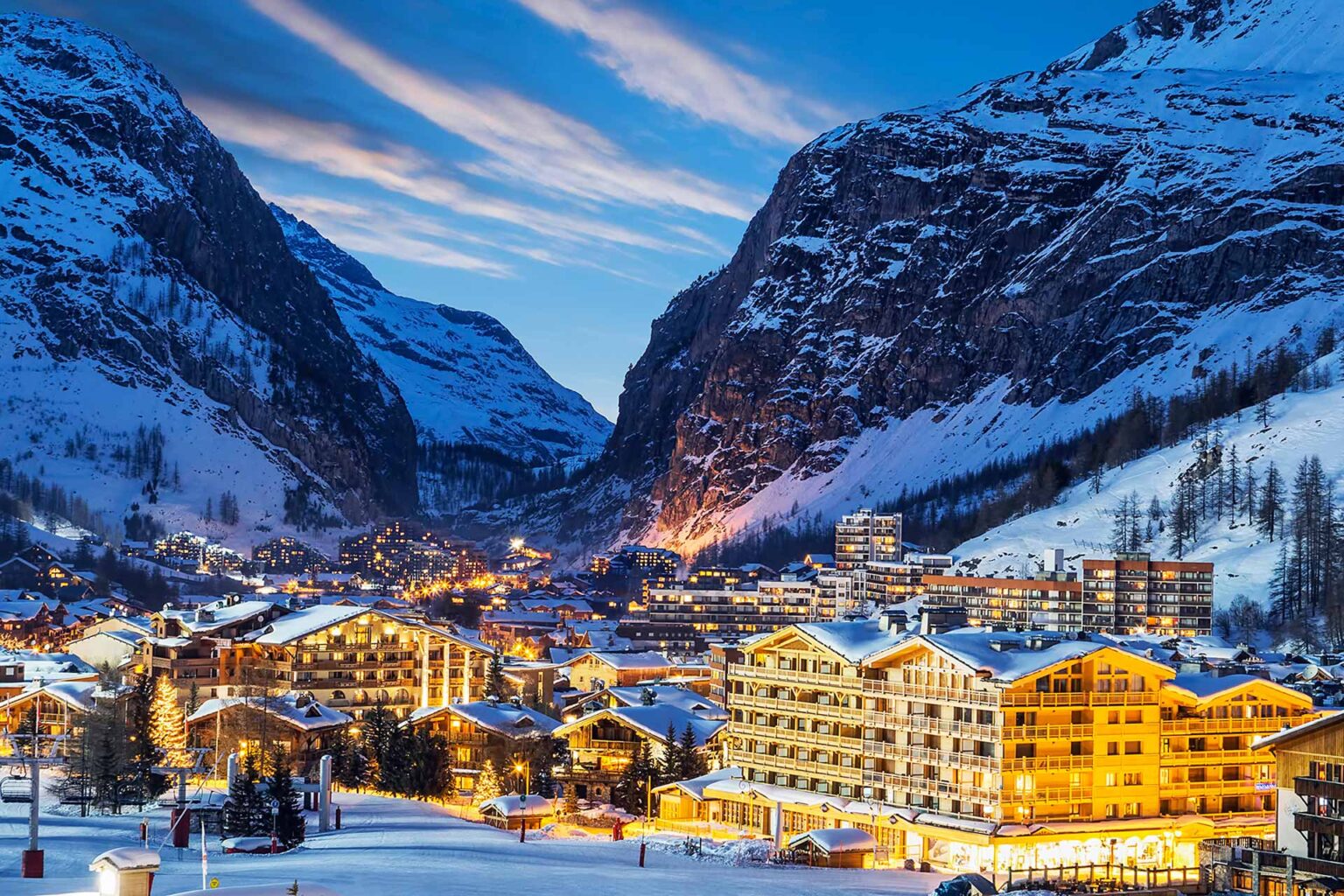
A one-day ski pass in Val d’Isère currently costs around 69 euros, while the European average is about 45 euros—a difference of more than 50%.
Anyone who has ever planned a ski trip in the Alps has probably come across this name. And probably also checked the prices. Maybe even gulped, looking at the cost of accommodation or lunch on the slopes.
Val d’Isère is no coincidence. We’re talking about a resort that consistently ranks at the top of the most expensive ski destinations in Europe. In 2025, the average price per square meter of real estate there is €18,500, making Val d’Isère the most expensive ski property market in France.
Why is Val d’Isère so expensive – The Alpine price mystery
But what does a “luxury resort” actually mean? It’s not just about the ski pass. It’s the whole package—from the apartments and restaurants to basic services. Everything there simply costs more than anywhere else.
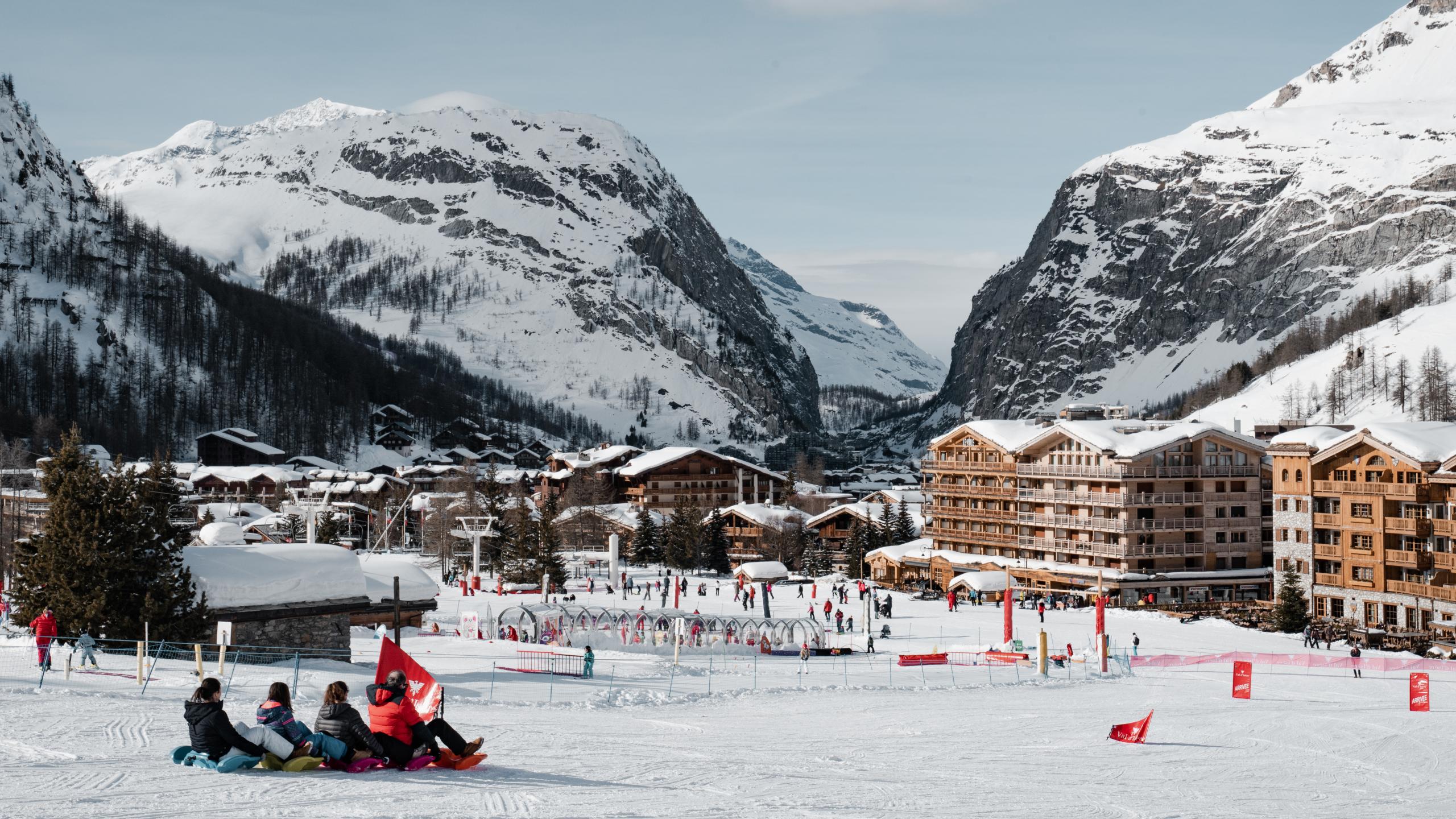
Why is this happening? Where does this price come from, a price that sounds like a joke to many?
To understand this, you need to look at three key dimensions:
- History and Tradition – how Val d’Isère has built its reputation since the 1960s
- The modern resort economy – pricing mechanisms at work today
- Future prospects – can this exclusivity last
Each of these axes reveals a different piece of the puzzle. Because Val d’Isère is more than just a spot on the map—it’s a brand, a symbol, something akin to the Rolls-Royce of ski resorts.
The truth is, these prices didn’t come out of nowhere. Behind every euro, there’s a specific decision, a strategy, and sometimes just a coincidence that happened to work out.
From Shepherds to Olympic Glory – The Roots of High Prices
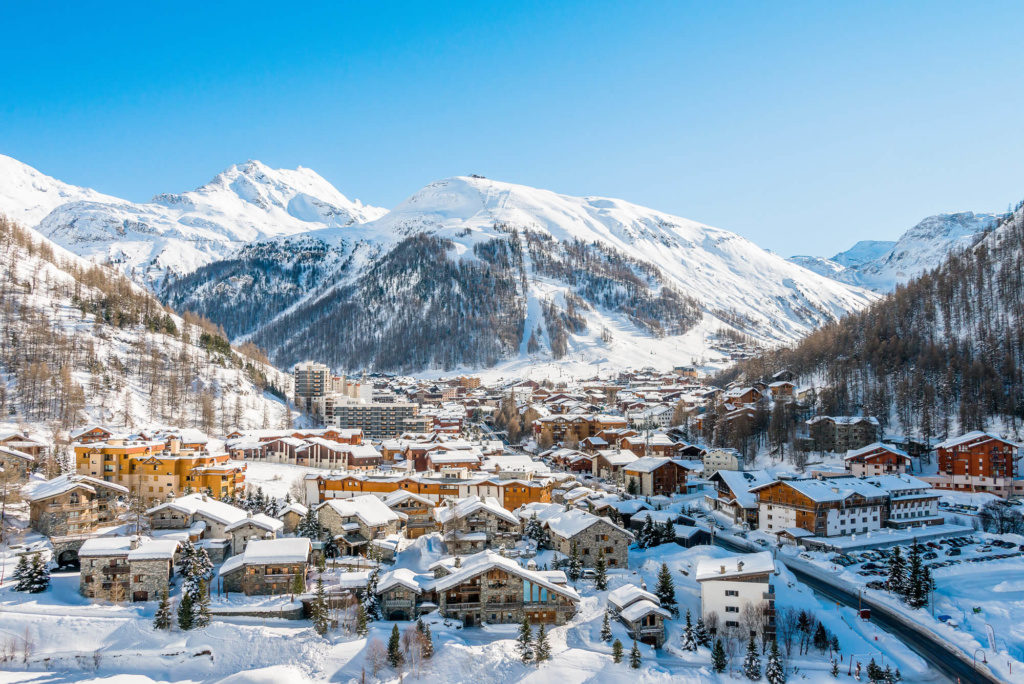
Val d’Isère is now synonymous with luxury, but back in the 1930s it was just an ordinary Alpine shepherds’ village. How did a place where goats were once raised become one of the most expensive resorts in the world?
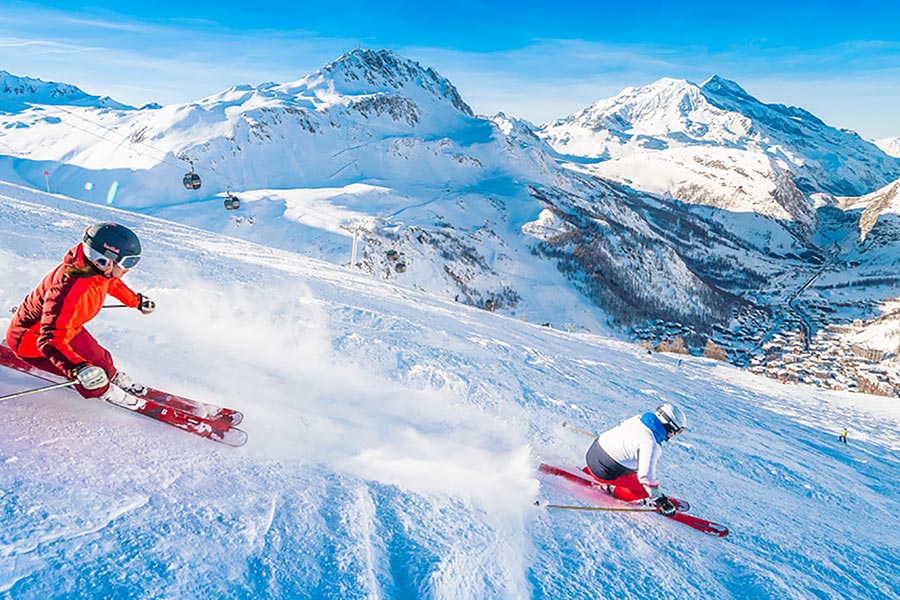
It all began with a simple decision by the local authorities. In 1937, the first ski lifts were launched. It may sound trivial, but it was a revolution. Suddenly, wealthy French people from Lyon and Paris had a reason to come here. Infrastructure attracts money—it’s that simple.
The real boom came after the war, when Vanoise National Park was established in 1963. On one hand, it meant nature conservation; on the other, the prestige of the place soared dramatically. Tourists love protected areas—especially those with deep pockets.
The 1960s and 70s were a time of wild expansion. Concrete hotels sprang up like mushrooms after the rain. Architecture? Irrelevant. What mattered was capacity and speed of construction. Everyone wanted to cash in on the skiing craze.
“Jean-Claude Killy’s three gold medals in Grenoble in 1968 put the French Alps in the spotlight across Europe. Val d’Isère became synonymous with skiing excellence.”
But the real turning point came with the 1992 Albertville Olympics. Val d’Isère hosted the alpine events, and it became clear—this was no ordinary resort. This was an Olympic arena. Money poured in. New hotels, luxury
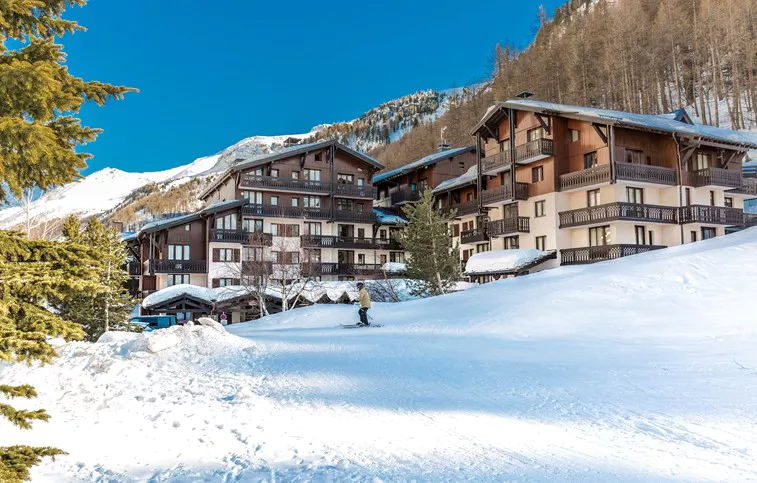
After 2000, an interesting shift occurred. Strict building restrictions were introduced. No more concrete giants. Every new development had to match the Alpine style. Paradoxically, these limitations drove prices even higher. Less supply, more demand.
The surge in real estate prices after 2010 was spectacular. Apartments that in the 1990s cost as much as a flat in an average French city have now reached the level of Parisian penthouses. Every stage of development added prestige, and prestige translates into higher prices.
From shepherds’ huts to Olympic arenas – each transformation has driven up the cost of staying here. Today, we see the effects of this process everywhere.
The mechanics of modern pricing – demand, costs, and regulations
Why is it that now, in 2024, a single day on the slopes in Val d’Isère costs as much as an entire weekend in Zakopane? This isn’t a coincidence or just regular inflation.
Let’s start with what we can see with our own eyes. Demand in Val d’Isère has reached levels other resorts can only dream of. Premium chalets are booked at 90-95% occupancy throughout the entire winter season. The luxury of choosing between several options is gone—you either book a year in advance or look elsewhere. Owners are well aware of this and set their prices according to what the market is willing to pay.
But the real issue lies in operating costs. Artificial snowmaking is now a necessity, not an option. Producing snow for 300 kilometers of slopes in a single day requires about 15,000–20,000 kWh of energy. With current electricity prices in France, that means 3,000–4,000 euros per day just for snow. No wonder skipass prices have risen by 25–30% over the past three years.
The lift system also needs to be upgraded to meet new safety standards. Each lift is an investment of several million euros, and Val d’Isère has more than 40 of them.
The 2025 Loi Climat et Résilience introduces further burdens. Since January, owners are no longer allowed to rent out apartments classified as F or G in terms of energy efficiency. In a mountain resort where most buildings date back to the 1970s and 80s, this means mass renovations or the withdrawal of thousands of accommodation units from the market. The result? Even lower supply, even higher prices.
Actually, this can be presented in a simple table:
| Factor | Val d’Isère | The average of the Alps |
|---|---|---|
| Day ski pass (€) | 62.00 | 48.50 |
| Energy cost per km of route (€/day) | 14.80 | 9.20 |
| % of premises requiring modernization | 68% | 45% |
These numbers speak for themselves. It’s not about the operators’ greed, but real economics. Costs have gone up, demand remains steady, so prices have to follow.
Interestingly, other Alpine resorts are facing similar issues, though on a smaller scale. Val d’Isère as a premium brand simply cannot afford to lower its standards. It’s a vicious circle—high standards lead to high costs, which must be passed on to customers.
It’s also important to remember that the winter season brings just 4–5 months of revenue, which must cover the year-round costs of maintaining the infrastructure. Every day without snow is a loss that can never be recovered.
The mechanism is simple, though painful for your wallet. Limited supply, rising operational costs, and increasingly strict climate regulations are creating price pressure that won’t be eased even by a drop in demand. And demand? It’s not decreasing at all—quite the opposite.
Paths for the Future – How to Get Off the Price Cliff?
To sum up what we already know – price mechanisms on the slopes work like a spiral, demand grows faster than supply, and we end up paying more and more for the same thing.
Now the question is: what happens next? Here are a few scenarios for 2030 that I believe are realistic.
Forecast of ski price growth (% per year):
2025 ████████ 8%
2026 ██████ 6%
2027 ██████ 6%
2028 █████ 5%
2029 ████ 4% (base scenario)
2030 ████ 4%
The baseline scenario assumes an annual growth of 5-7% until 2028, followed by a slight slowdown. Optimistic? Perhaps it could drop to 3-4% if the resorts start thinking long-term. The pessimistic scenario is continued growth of 8-10%, which would mean a day pass could cost 400 złoty.
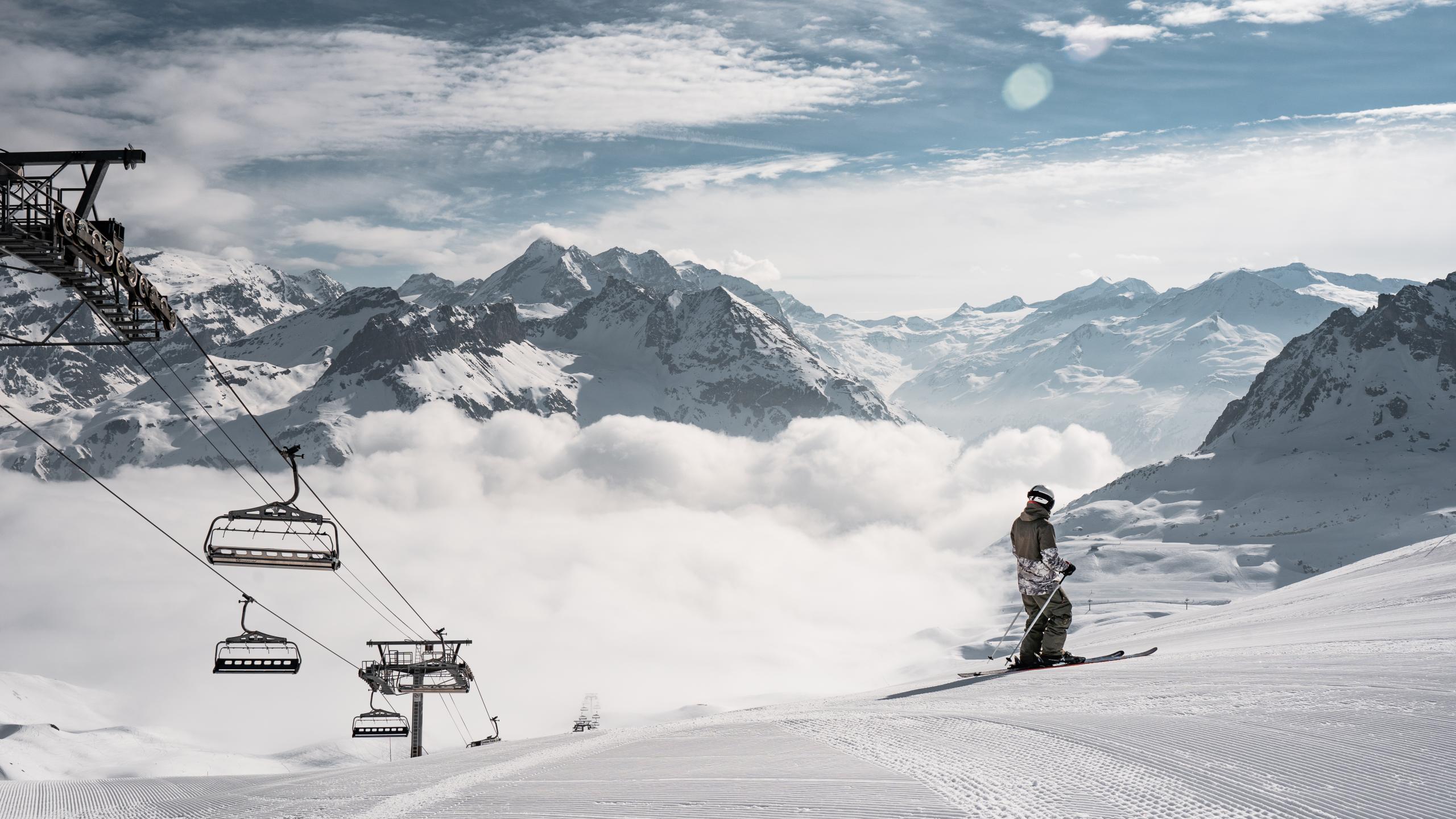
However, I see one way out – year-round use of the infrastructure. In the summer, the same routes can be used by cyclists and trekking enthusiasts. Depreciation costs would then be spread throughout the year, not just the ski season.
Some ministries are already doing this. And rightly so.
What we can do starting tomorrow:
- Buying passes in autumn – the difference can be as much as 30%
- Avoid weekends and school holidays like the plague
- Search for accommodation and ski pass packages
- Consider season passes if you ski frequently
- Track early bird promotions starting from August
The truth is, we also need to adapt. You can’t drive like you used to and pay like you used to. But you can drive smarter.
The resort that first realizes that long-term price stability is a better solution than short-term profits will be the winner. And us? We need to vote with our wallets.
Maybe it’s time to stop complaining and start taking action – both as tourists and as a community that can influence how this business develops.
Stev
travel editor
Premium Journalist
