




The MICHELIN Local Gateway Award 2026 is one of the new special MICHELIN Guide awards for hotels. This time, inspectors were not looking solely for exceptional design, luxury, or level of service. What proved most important was something harder to define: the hotel’s ability to authentically showcase the place in which it is located.
Among the five nominees are properties from Bhutan, Indonesia, Italy, South Africa, and China. They share one thing in common – they are not luxury enclaves cut off from their surroundings. On the contrary, they serve as a gateway to discovering the local nature, culture, history, and traditions. As MICHELIN emphasizes, these are hotels that simply could not exist anywhere else.
MICHELIN Local Gateway Award 2026: five hotels, five completely different worlds
Gangtey Lodge, Bhutan – luxury beneath a Himalayan monastery
In the Gangtey Valley, luxury meets the rugged landscape of Bhutan. Gangtey Lodge is situated above the Phobjikha Valley, near the Gangtey Monastery, founded in 1613. The location is one of the property’s greatest assets – the windows offer views of Himalayan forests and the agricultural scenery of the valley.
Guests can enjoy traditional Bhutanese wooden baths, take part in morning prayers at the nearby Buddhist college, and sometimes even join a private meditation session with a lama. In autumn, endangered black-necked cranes migrating from Tibet appear above the monastery. MICHELIN has therefore recognized not only the hotel itself, but also the opportunity to directly immerse oneself in the culture and landscape of Bhutan.
Nihi Sumba, Indonesia – island, horses, and the Pasola tradition
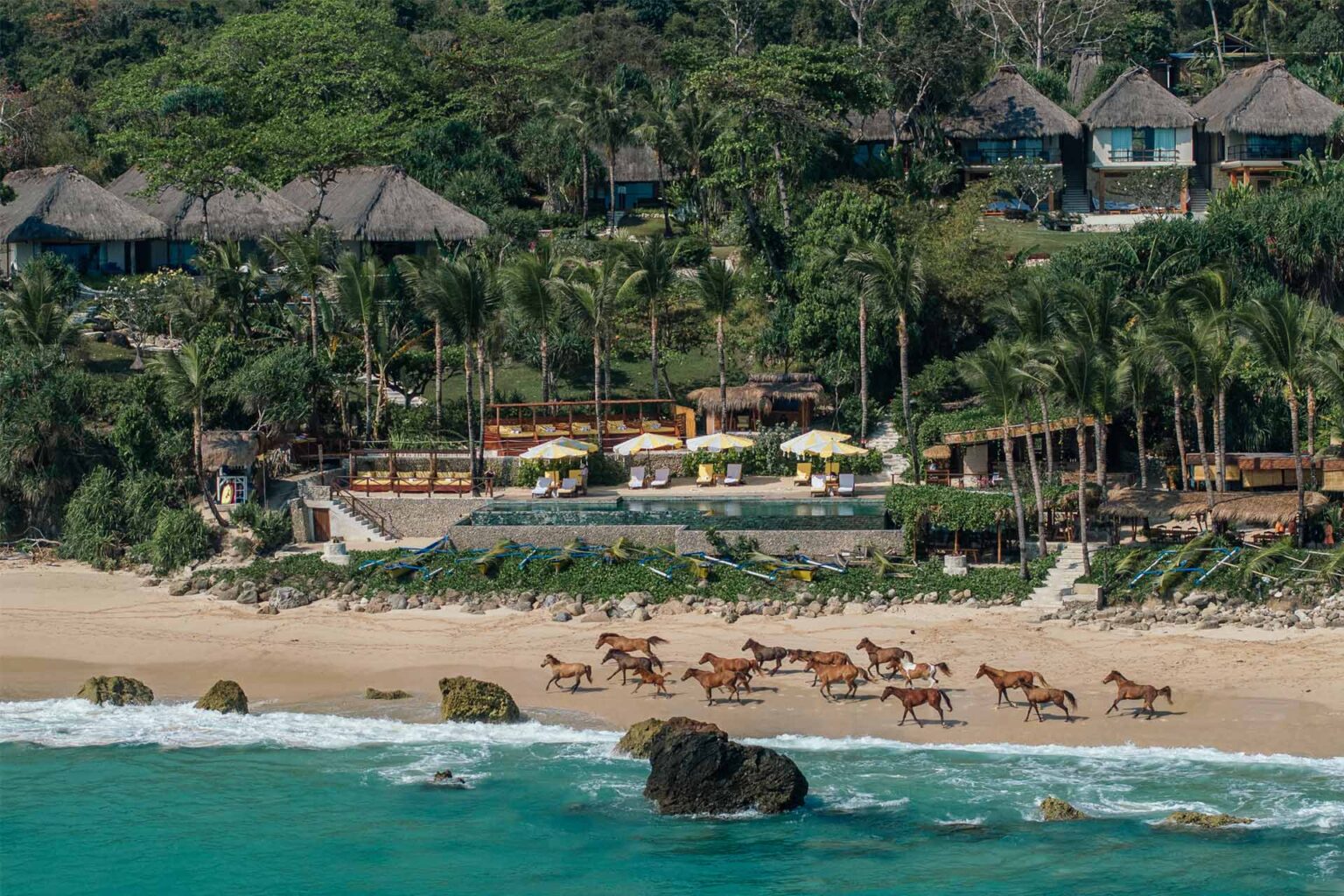
On Sumba, an island located about an hour’s flight from Bali, Nihi Sumba offers an experience completely different from a typical Indonesian resort. The hotel is situated between the jungle and the beach, and its connection with the local community is an integral part of the entire stay concept.
One of the most distinctive experiences is Pasola – a traditional ceremony that takes the form of a horseback war game, with a history dating back hundreds of years. Guests can also ride Sumbanese horses to the ocean at sunrise or enjoy the famous Occy’s Left surfing spot. MICHELIN also highlighted the work of the Sumba Foundation, which supports, among other things, education, access to clean water, and malaria prevention programs.
Cascioni Eco Retreat, Sardinia – luxury rooted in the farm
Cascioni Eco Retreat reveals a less obvious side of Sardinia. Just a few minutes from the famous Costa Smeralda, the hotel is immersed in a rural landscape of olive groves, fields, and wetlands.
The property was established on the site of a former farm, and locality here is literal: their own olive oil, honey, fruit, herbs, and wool from Sardinian sheep all become part of guests’ everyday experience. The estate also includes 18 hectares of the protected Saloni Lagoon area, home to over 180 species of birds. It is precisely this authenticity—instead of copying a luxury resort from anywhere in the world—that secured its nomination.
Londolozi Game Reserve, South Africa – 100 years of safari history
Londolozi Game Reserve has a history dating back to 1926 and will celebrate its centenary in 2026. Located on the Sand River in the Sabi Sand region, the property has become one of the pioneers of luxury safari experiences.
This is a place where you can observe Africa’s Big Five, with a particular emphasis on leopards. However, Londolozi offers much more than a classic safari: various programs have been prepared for photography enthusiasts, families, honeymooners, and wellness seekers. Conservation, education, and support for local communities are also of great importance here. In this case, MICHELIN recognizes not only the spectacular natural surroundings, but also the hotel’s multi-generational relationship with the land on which it operates.
Amanfayun, China – a hotel that stays connected to the village
The fifth nominee is Amanfayun in Hangzhou. It is one of the most remarkable examples of combining a luxury hotel brand with local architectural heritage.
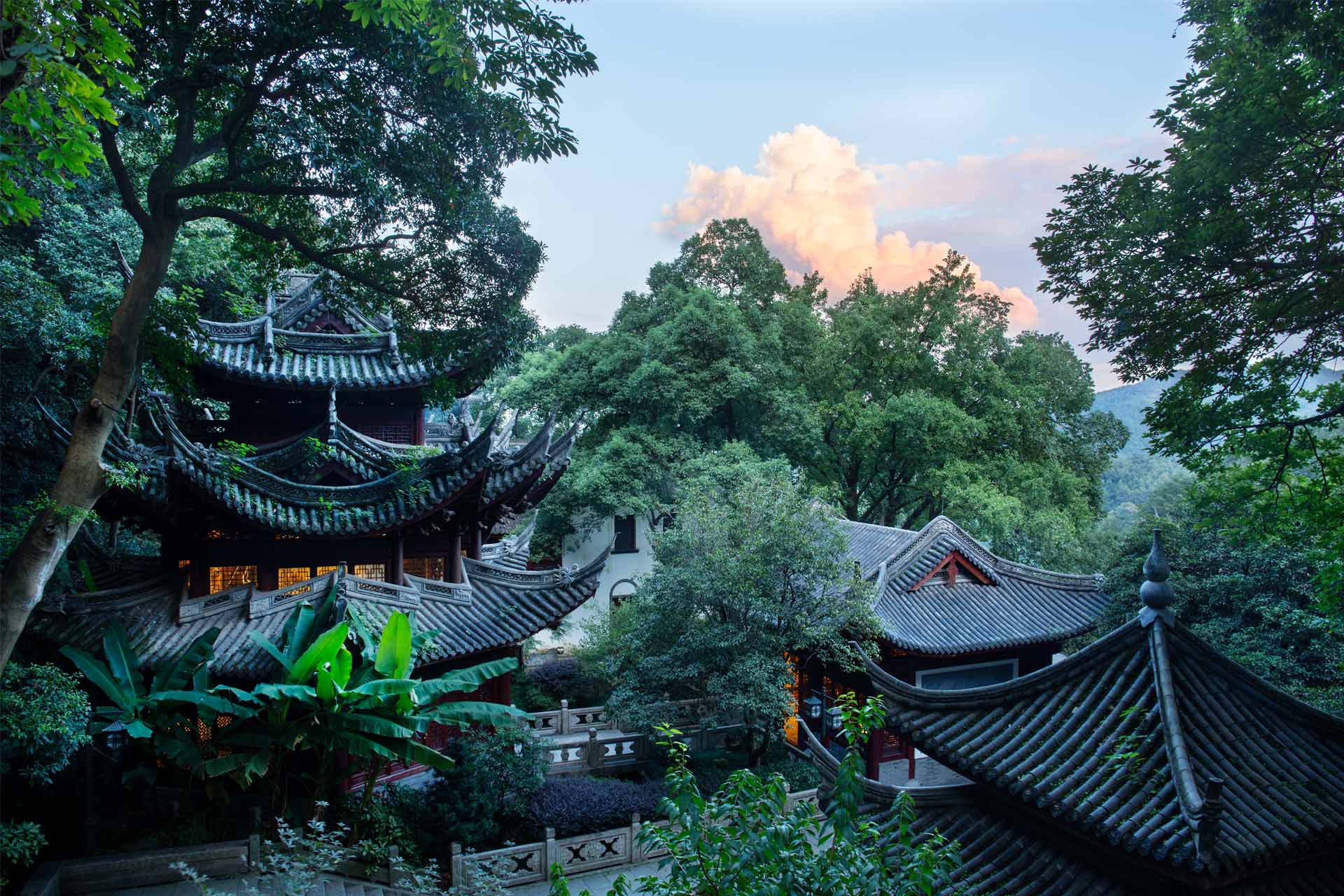
Instead of building modern villas from scratch, Aman restored 46 historic courtyard houses, preserving their traditional character while adapting them to contemporary standards. The hotel is located on a route connecting seven ancient Buddhist temples, and its paths are still frequented by locals and monks. Guests can visit Longjing tea plantations, learn calligraphy or traditional painting, and stroll along the UNESCO-listed West Lake.
What does the MICHELIN Local Gateway Award 2026 really mean?
This year’s nominations reflect a shift in the way luxury hospitality is perceived. MICHELIN Local Gateway Award 2026 does not simply reward the most beautiful or the most luxurious hotel. What matters is whether the hotel truly allows the traveler to understand the place they have arrived at.
We discover Bhutan through Buddhist rituals and Himalayan landscapes, Sumba through horses and local traditions, Sardinia through its agricultural heritage, South Africa through safaris and nature conservation, and Hangzhou through restored architecture, tea, and Buddhist culture.
The winner of the MICHELIN Local Gateway Award 2026 will be announced on September 18, 2026, together with this year’s global MICHELIN Key selection for hotels.
