




The global jewelry market was worth approximately USD 381.5 billion in 2025. With numbers like these, precision in terminology is not just an academic formality—it’s essential to even know what we’re talking about.
Why do the names raise doubts?
In Poland, we say ” biżuteria jubilerska “, while in the West you’ll hear “fine jewelry.” Are they the same? In most cases, yes, although each term has its own nuance:
- Jewelry craftsmanship highlights the artistry, the workshop, the local jeweler with a studio on the corner of the street.
- Fine jewelry sounds more marketing-oriented, global, and fits campaigns by Cartier or Tiffany.
- Border? Fluid. European brands often use both terms interchangeably, depending on whether they’re writing a description for a customer in Warsaw or exporting to Germany.
The problem is that there are other terms circulating alongside them: demi-fine, fashion jewelry, costume jewelry. And that’s where the confusion begins. Which ones cost a fortune, which are just for the season, and which are something in between? Don’t worry, we’ll break it all down and show you how to recognize each type in practice.
Definitions and boundaries
When we enter a jewelry store or browse online catalogs, we often come across terms that seem clear at first, but it quickly turns out that the boundaries between categories are somewhat blurred. Let’s try to clarify this.
What is behind fine jewelry?
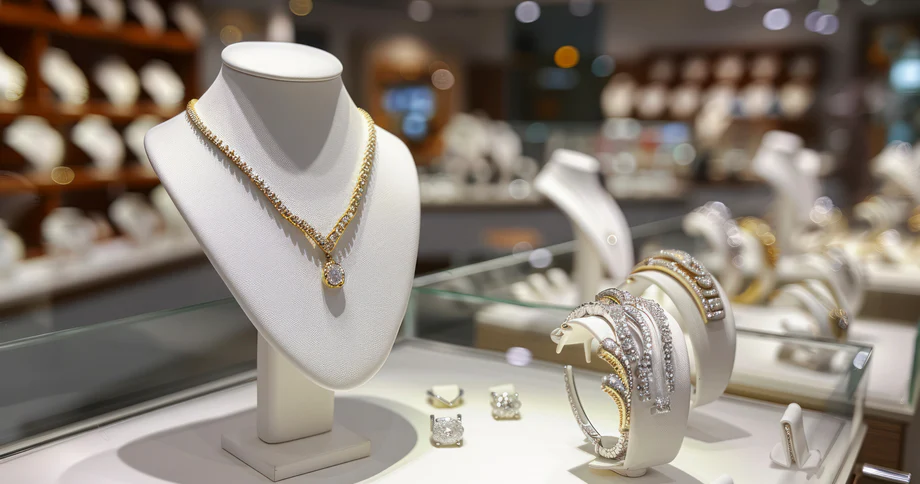
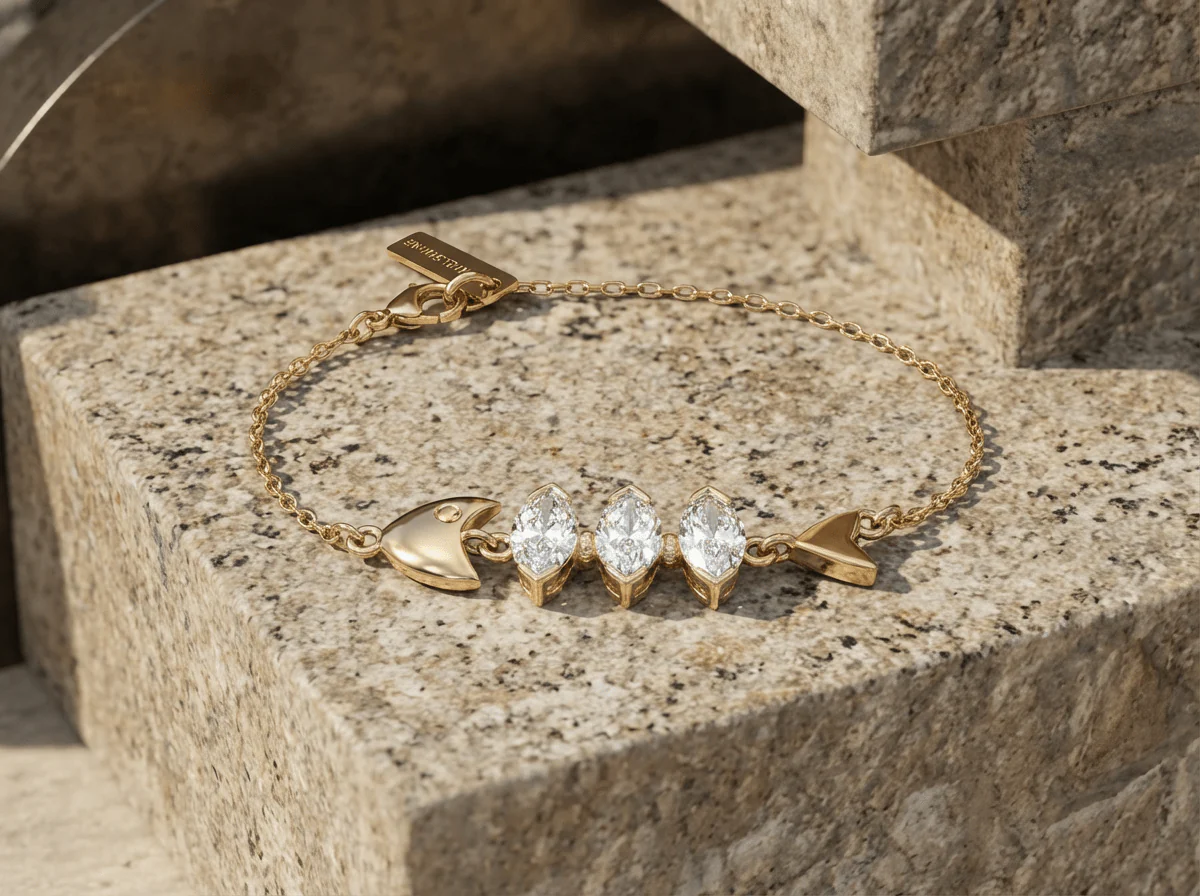
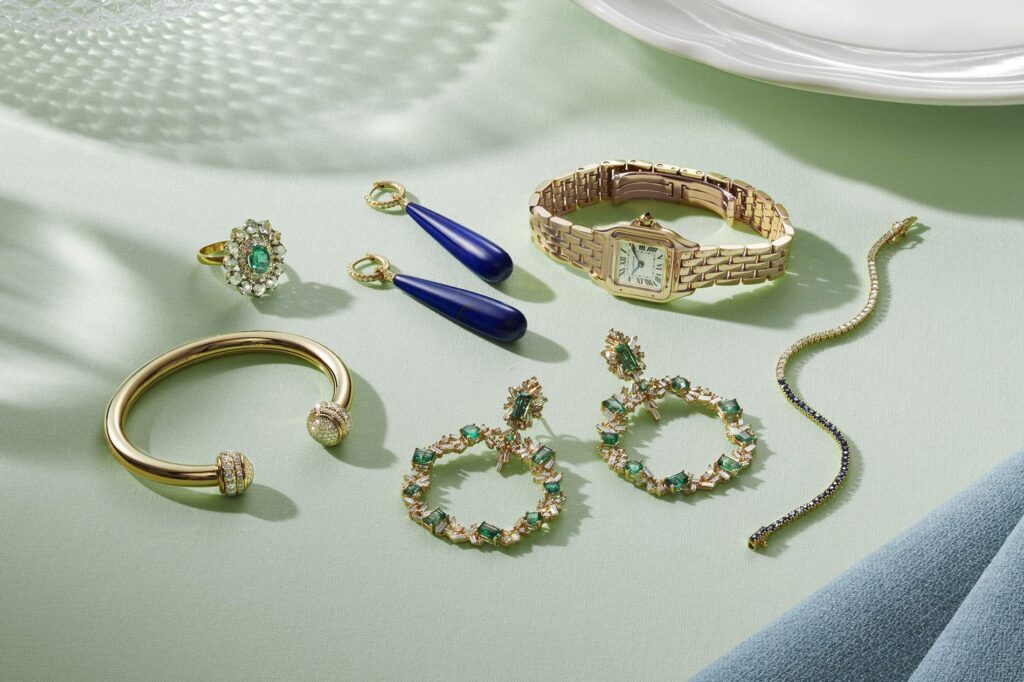
We’re talking here about jewelry made from solid precious metals: 14K-18K gold, platinum, sometimes 925 silver. Add to that natural gemstones, diamonds, sapphires, rubies, emeralds, or pearls. This kind of jewelry is durable, can be repaired or modified, and its value usually holds over time.
Where do demi-fine and fashion rank?
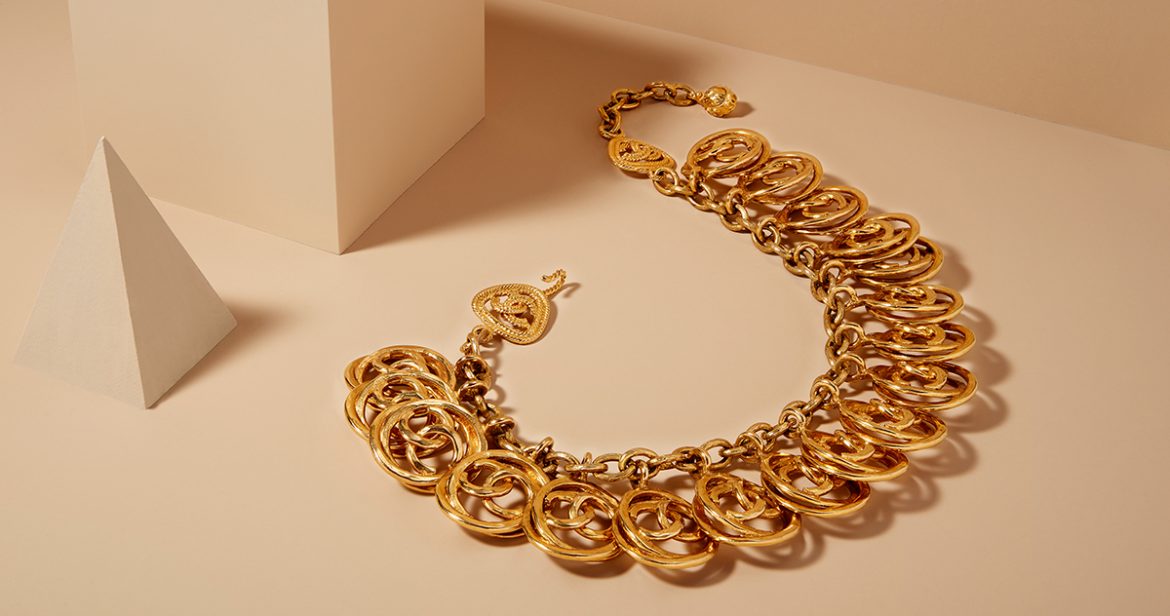
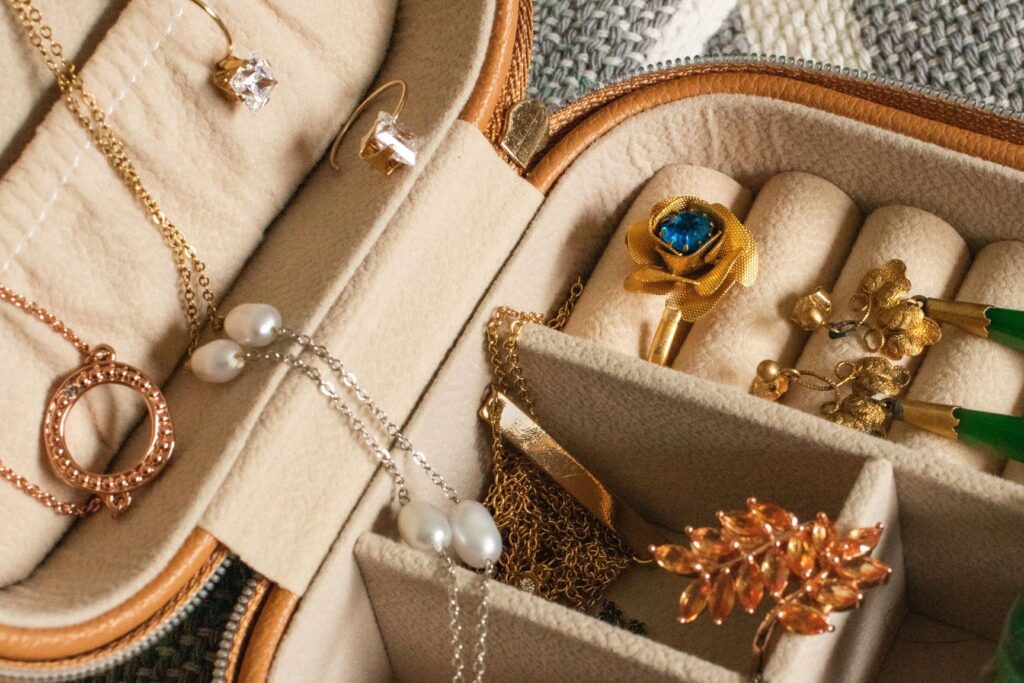
Demi-fine is something in between: 925 silver or a thick layer of gold plating (vermeil), natural stones or high-quality synthetics. More durable than fashion jewelry, but the resale value will likely be symbolic. Fashion jewelry, also known as costume jewelry, is made from non-precious metals like brass, zinc, thin gold plating or PVD, crystals, and imitations. It wears out faster and is mass-produced. Interestingly, this trend flourished in the 1920s, thanks in part to Chanel.
At the top of the pyramid is high jewelry (haute joaillerie): rare materials, hundreds of hours of handcrafting, unique pieces from Cartier or Van Cleef & Arpels.
| Category | Materials | Durability/value | Example |
|---|---|---|---|
| Fine/jewelry | 14K-18K gold, platinum, natural diamonds | High, can be resold | Diamond engagement ring |
| Demi-fine | 925 silver, vermeil, synthetics | Average, low resale | Gold-plated earrings |
| Fashion | Brass, zinc, imitations | Low, worthless | Necklace from the drugstore |
| High jewelry | Rare stones, unique pieces | Very high investment | Cartier Collection |
It is worth noting that laboratory-grown diamonds (LGD) are chemically identical to natural ones and are increasingly appearing in fine jewelry lines, although discussions about their “aura” are still ongoing.
Jewelry vs. fine jewelry – is it the same thing?
The first thing we check: the metal hallmark. If you see “750”, you have 18-carat gold (75% pure metal), “585” is the popular 14K, and “925” means sterling silver. In Poland, genuine jewelry passes through the Assay Office and receives official hallmarking—a tiny stamped mark, usually inside a ring or near the clasp of a chain.
It’s similar when it comes to gemstones.
Construction and documentation
You can recognize good craftsmanship by the details: solid elements instead of hollow ones, precise settings (prongs holding the stone, bezels), even soldering, symmetry. Fine jewelry can be serviced, the ring size can be changed, a prong can be repaired, it can be adjusted. Noble metals do not rust like base metals and do not leave green marks on the skin.
Just be careful with “home tests” using a magnet or acid. They are no substitute for documentation: the product card, warranty, or the reputation of the place of purchase. Only all these together can give you confidence that you are holding genuine fine jewelry in your hands.
The names may change, but the quality remains
Whether we refer to it as jubiler’s jewelry or use the English term fine jewelry, ultimately it comes down to the same thing: craftsmanship and the nobility of materials. The different names are simply the result of local linguistic traditions and cultural influences, but the standards remain unchanged. Precious metals of 585 fineness or higher, gemstones and semi-precious stones, precise workmanship. These elements define valuable jewelry everywhere, no matter what we call it.
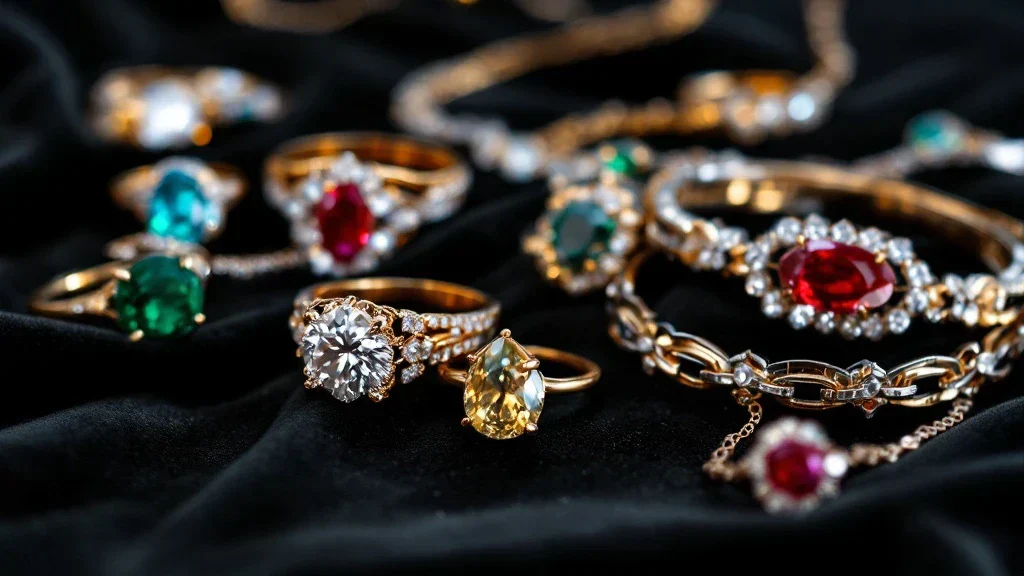
Interestingly, the name itself says little about the actual value of a given product. We have already seen that even in accessible fashion, you can find pieces made of real gold, while in the fine jewelry segment, there are sometimes disappointing executions. What matters is what you see under a magnifying glass and on the label—the metal’s purity, the origin of the stones, the setting technique. The rest is marketing.
Sonix
Luxury Reporter editorial team
for Luxury News
