




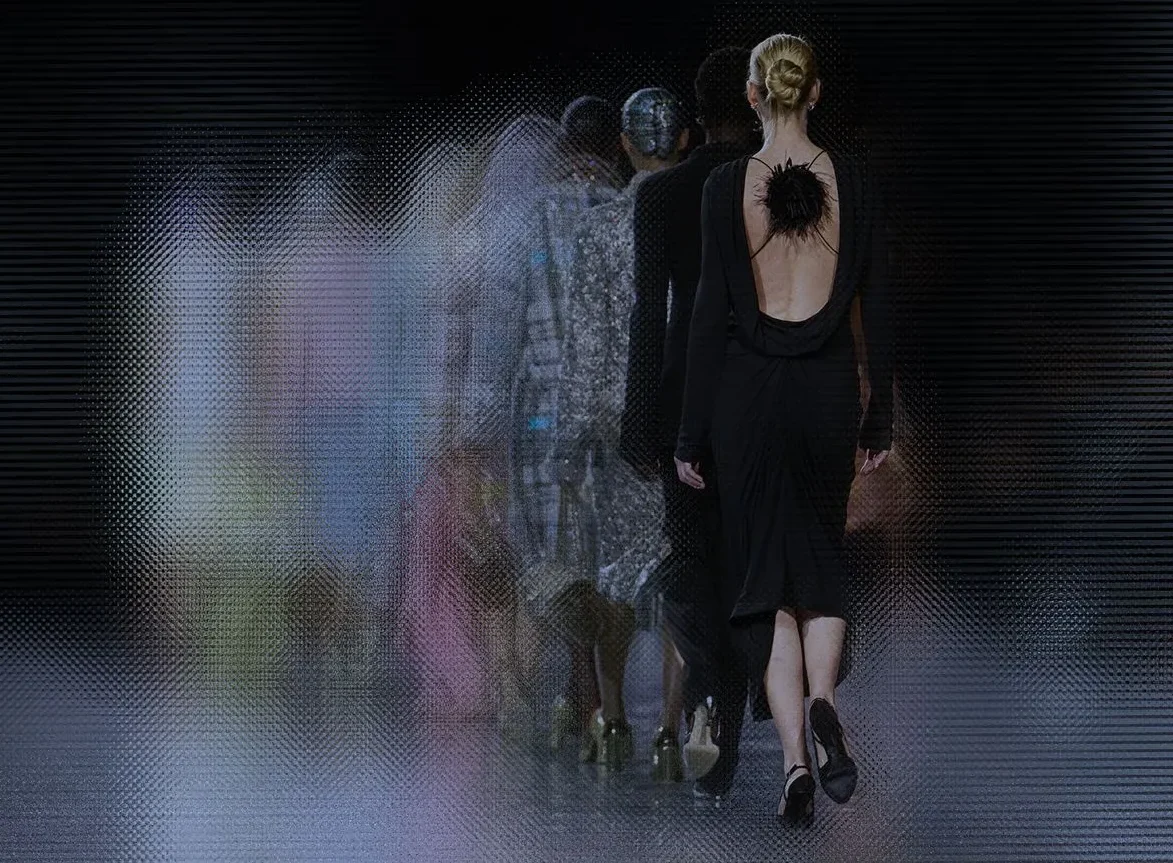
In a world where trends change faster than the seasons, the quarterly Lyst report has become one of the most important barometers of what truly captures the audience’s attention. The latest edition – Lyst Index Q1 2026 – is not just a ranking of brands. It’s a much more intriguing story about how fashion, luxury, and… attention work today.
New leader, same DNA
In first place is Chanel —a symbol of classic luxury that in recent years has generally avoided spectacular “viral” moments. However, its return to the top does not simply signal a turn back to tradition. Rather, it proves that heritage can triumph today only when it skillfully operates within the modern media ecosystem.
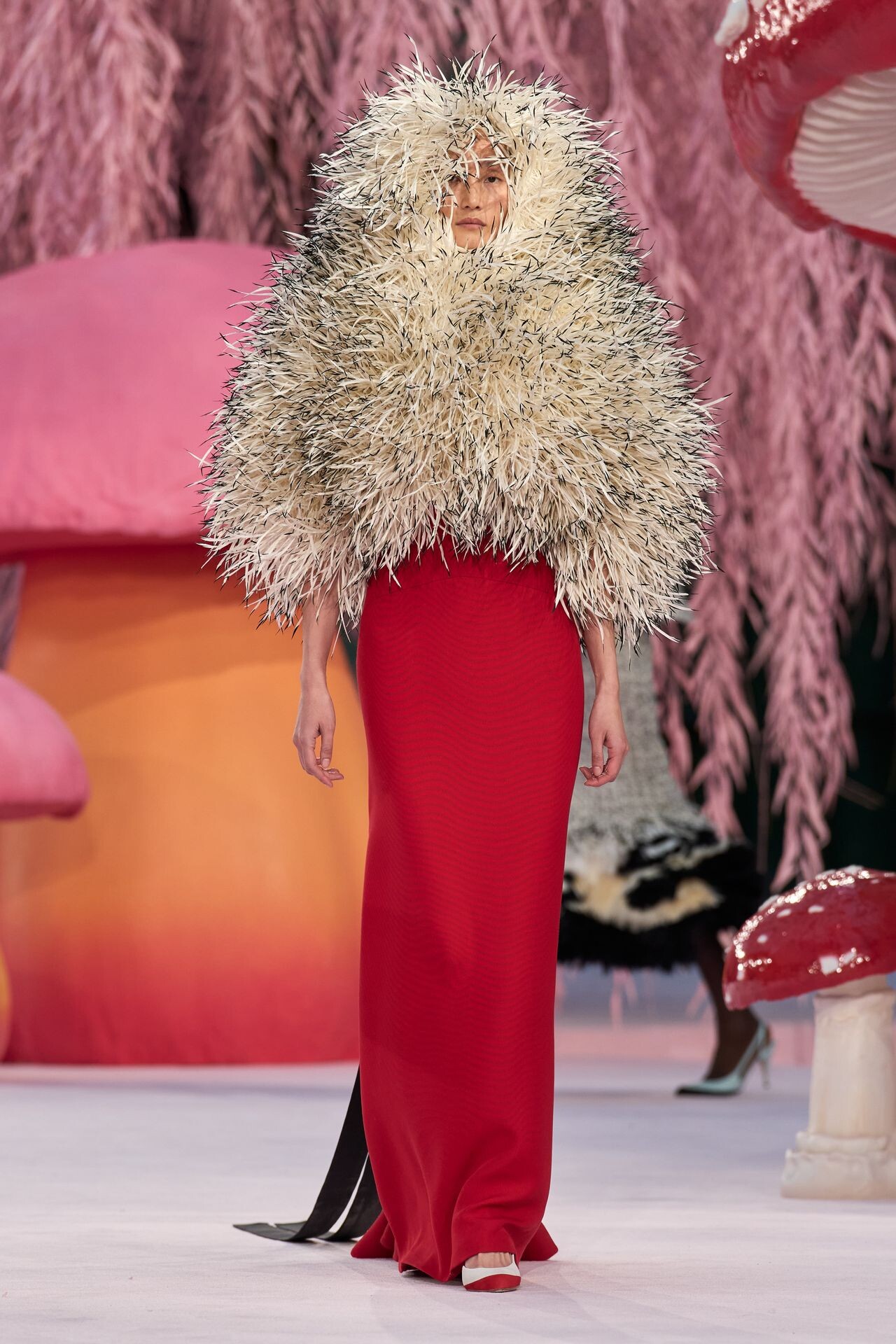
Right behind is Saint Laurent and Dior – brands that consistently combine a strong identity with an intense presence in popular culture. The top five also include Miu Miu and Gucci, which shows that the luxury scene has not been dominated by a single style or aesthetic.
Fashion as a system of attention
The biggest change in this year’s ranking, however, is the methodology. Lyst is moving away from simple popularity indicators in favor of three pillars: Desire, Demand, and Discovery.
In practice, this means one thing:
fashion has ceased to be merely a product – it has become a cultural phenomenon driven by attention.
Today, a brand’s position is determined not only by sales, but also by:
- presence on social media,
- the virality of specific products,
- connections with pop culture and celebrities,
- the ability to create “moments.”
Viral instead of a collection
This is most evident in the ranking of the hottest products. The number one spot went to a jacket from Saint Laurent, whose popularity soared by over 5000% in just one month. This is not the result of a long-term strategy, but rather an explosion of interest at a specific moment.
Other products worked similarly:
- Chanel pumps,
- Adidas sweatshirt inspired by Chinese aesthetics,
- are Celine ballet flats.
This clearly shows that a product doesn’t have to be new or revolutionary – it just needs to be noticed.
Luxury no longer means just exclusivity
An interesting sign is the presence of brands outside the strict high fashion segment, such as COS. Their strong position proves that contemporary luxury is no longer defined solely by price or exclusivity.
Today matters:
- aesthetics,
- consistency of image,
- the ability to fit into the current cultural climate.
In other words, luxury has become more democratic in perception, though not necessarily in price.
Pop culture as a driving force of fashion
The report clearly shows that fashion today operates in close connection with pop culture. Just one event, performance, or styling is enough for a brand to gain global visibility. The influence of figures like Bad Bunny or Margot Robbie directly translates into search results and sales.
This shifts the focus from designing the collection to designing the narrative around it.
What does the Lyst Index Q1 2026 really say?
At first glance, it’s a brand ranking. In reality, it’s a diagnosis of the entire industry.
The report presents a picture of a market in which:
- attention is the most valuable currency,
- a trend lasts as long as it is visible,
- a brand must be both an icon and a meme,
- and success depends on the ability to operate within a dynamic cultural circulation.
Lyst Index Q1 2026 does not announce the “best” brands in the world. It shows something much more relevant. It indicates which brands are currently best at attracting and retaining attention.
And in the world of contemporary fashion – it is she who decides everything.
