




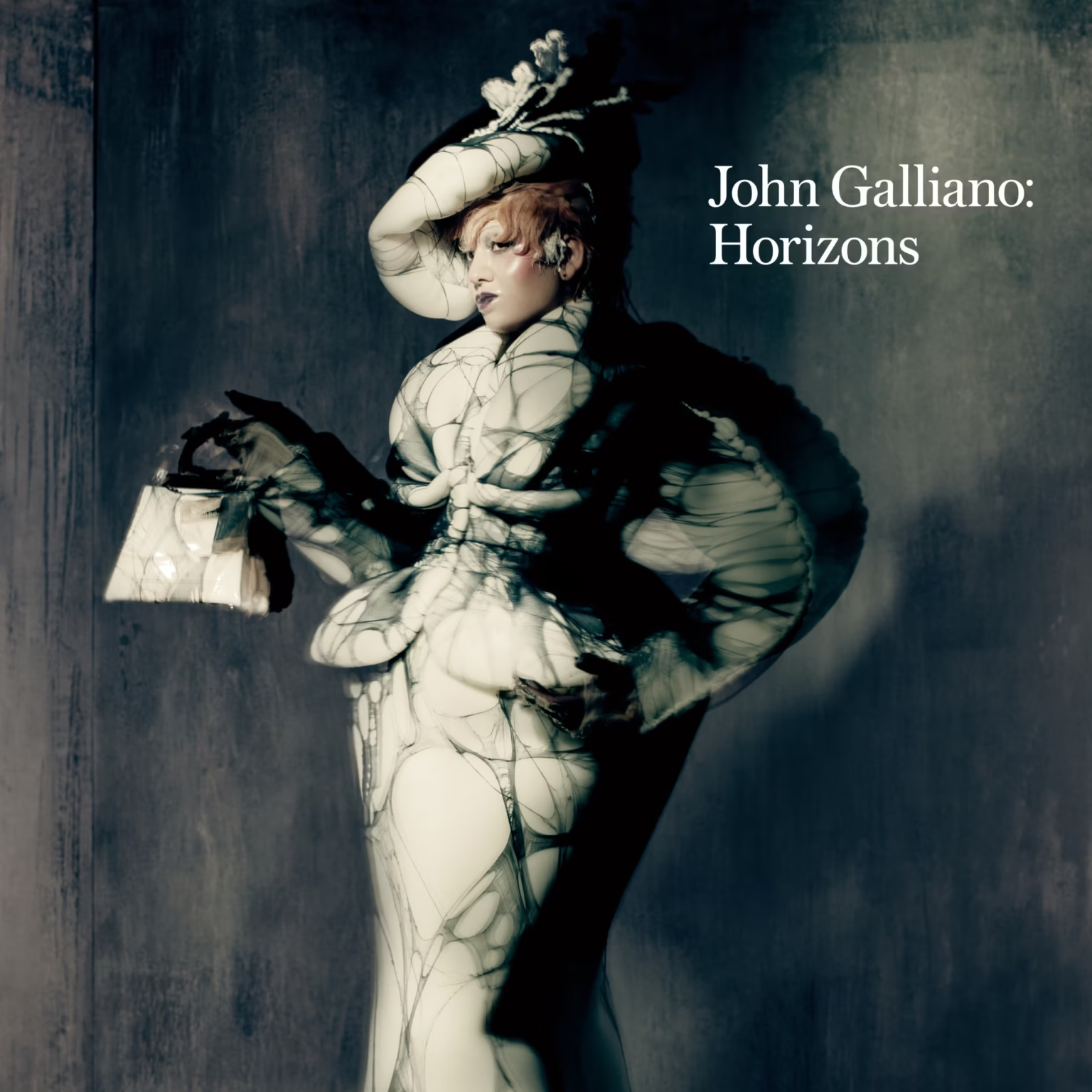
The Met Gala 2027 was meant to be a tribute to one of the greatest geniuses of contemporary fashion. Instead, it became a test for the Metropolitan Museum of Art itself. The exhibition “John Galliano: Horizons” was canceled following a wave of criticism regarding the designer’s antisemitic and racist remarks from 15 years ago. The problem is that over those 15 years, Galliano not only managed to apologize. He also rebuilt his career and created some of the most extraordinary collections of his generation.
It was meant to be one of those exhibitions that define the season. In the spring of 2027, the Costume Institute at the Metropolitan Museum of Art was set to tell the story of four decades of John Galliano’s work. From his graduation collection at Central Saint Martins, through Givenchy and Dior, to Maison Margiela. “John Galliano: Horizons” would have been only the third monographic exhibition by the Costume Institute dedicated to a living designer, following Yves Saint Laurent and Rei Kawakubo.
Met Gala 2027 cancels the exhibition John Galliano: Horizons
Instead of an exhibition opening, there is a cancellation. Met Gala 2027 cancels the Galliano exhibition. The decision immediately sparked a discussion much broader than a dispute over a single designer. Does a museum have the right to celebrate the artistic genius of a person who has committed morally unacceptable acts? Do fifteen years of remorse, self-improvement, and professional rehabilitation matter? And finally: should an art museum focus primarily on evaluating the work itself? Or is the artist’s morality just as important?
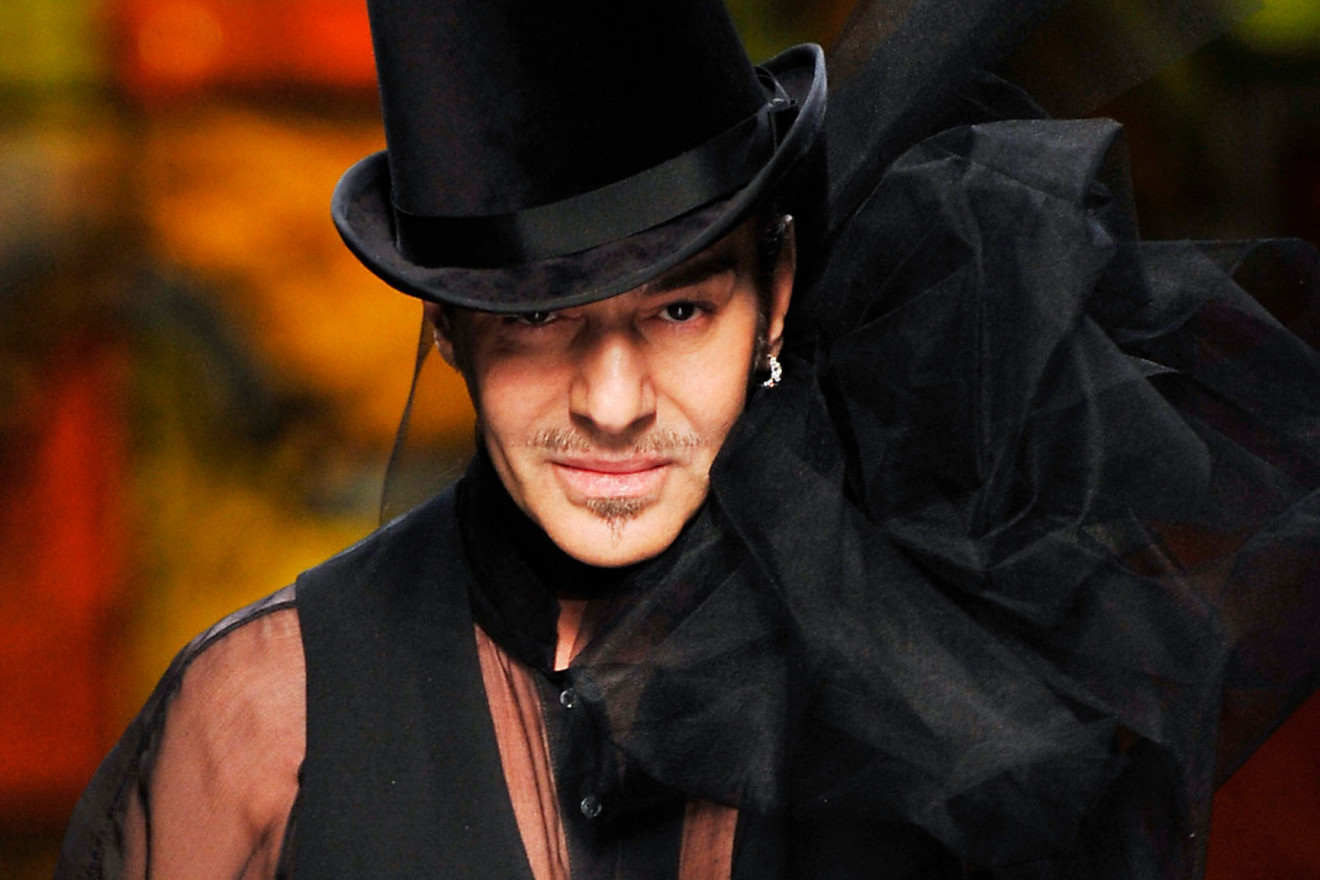
The Met had plenty of reasons to be cautious. In 2011, Galliano was recorded during an antisemitic tirade in a Paris bar. He was fired from Dior. Moreover, a French court found him guilty of public insults of a racist and religious nature. So it wasn’t just a single unfortunate comment that could be dismissed as a mistake made in the heat of the moment. It was a scandal. It brought one of the most important careers in the fashion world to a halt.
Except that Galliano’s story doesn’t end in 2011
After his downfall, the designer underwent therapy. He apologized publicly and, for the following years, consistently tried to rebuild trust. He returned to the fashion world through Maison Margiela and, for a decade, proved that his talent was not merely a product of his powerful position at Dior. On the contrary. At Margiela, he created further collections. For many critics, these were among the most important events in contemporary fashion. His 2024 haute couture show made history.
This is where the uncomfortable part begins…
You can consider Galliano’s statements disgusting and at the same time acknowledge that his artistic achievements are outstanding. You can condemn the man without pretending that his collections suddenly ceased to exist or lost their significance for the history of fashion. One does not cancel out the other.
And yet, this is exactly the problem Met encountered. The museum actually tried to create an exhibition that would not simply be a monument to the designer. The announcements for “Horizons” also included his story of downfall, responsibility, and return. The problem was that, in the case of the Met Gala, the line between “we study the artist” and “we honor the artist” practically does not exist. After all, the Costume Institute exhibition is the theme of one of the most spectacular pop culture events in the world. And suddenly, the museum project stopped being just an exhibition. It became a statement.
Critics argued that the Met should not elevate Galliano to such a position, especially at a time of rising tensions related to antisemitism. The situation was further inflamed by the fact that the planned gala was scheduled for Yom HaShoah, the Holocaust Remembrance Day. Strong political and social opposition emerged in New York, including from City Council Chair Julie Menin, the daughter of a Holocaust survivor. Jonathan Greenblatt from the Anti-Defamation League also joined the discussion.
That was the moment when the issue stopped being just a question of fashion. After all, watching a controversial designer in a museum is one thing, but making him the central figure of an event organized by one of the most influential cultural institutions in America is quite another.
Interestingly, the reactions of the fashion world were not unanimous. For some in the industry, the Met’s decision is an obvious gesture of responsibility. For others, it sets a dangerous precedent. If a designer, fifteen years after a scandal, after apologizing and years of work, can be excluded from museum history, then who will be next? And where does the responsibility of the institution end, and the culture of perpetual accountability for artists begin?
Designer’s reaction
Sam Galliano did not attack the Met. On the contrary, he accepted the decision, once again taking responsibility for the pain his words had caused. He also emphasized that he did not want the discussion about himself to distract from the work of the Costume Institute. Anna Wintour described his decision as courageous and supported it.
And that’s precisely what makes this story more complicated than a classic tale of “cancel culture.”
Galliano does not claim that he was treated unfairly. He does not try to whitewash his past. He does not say that his talent should protect him from consequences. And yet, he remains one of the most influential designers of the past four decades.
So should the Met have canceled the exhibition?
You could say so. Context matters, symbolism matters, and the museum has the right to decide that, at a given moment, the cost of such an event is too high. But another question can also be asked. Is that not precisely why the museum should have organized this exhibition? Not to whitewash Galliano, but to reveal the full contradiction of his story.
Because the most interesting exhibition about Galliano wouldn’t have to say: “here is a genius who was forgiven.” It could ask: what do we do with a genius who has fallen? Can an artist truly change? Do apologies have an expiration date? Can someone regain professional trust, even if not everyone they hurt is ready to forgive them? And does a museum have a duty to preserve the history of art along with its uncomfortable figures, or should it decide which of them are still allowed to be admired?
These are questions far more interesting than yet another red carpet.
And that’s why the Met’s decision may turn out to be more troublesome for the museum itself than for Galliano. The designer has a decade of success at Maison Margiela behind him, a new collaboration with Zara, and a standing that cannot be erased by a single press release. His place in fashion history no longer depends on one exhibition. The Met, on the other hand, now has to find an answer to the question it has posed for itself. Is a museum a place where we only showcase people we can admire without reservations, or is it a place where we also try to understand those whose admiration requires a moral effort from us?
