




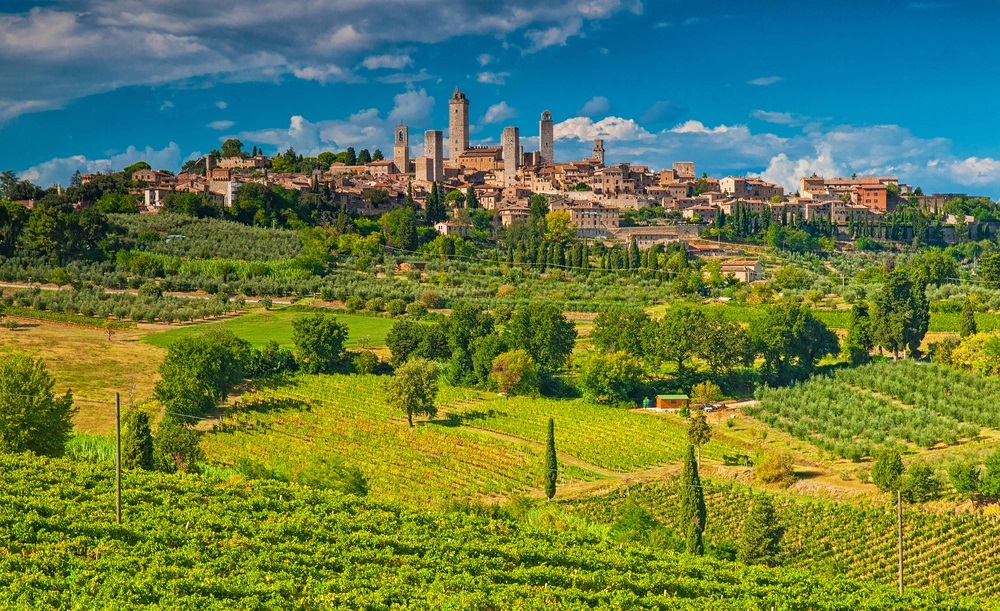
Tuscany attracts around 14 million wine tourists every year, and wine tourism accounts for nearly 25% of the local wineries’ revenue. This is no coincidence. When you drive through Val d’Orcia ( listed as a UNESCO World Heritage Site), between cypress-lined avenues and vineyards stretching to the horizon, you understand why this region has become synonymous with luxury for wine lovers.
Why is Tuscany simply unmissable right now?
The year 2026 marks a special moment. Vinitaly (the largest Italian wine fair) is now focusing on developing wine tourism hubs, while Tuscany itself is celebrating the 300th anniversary of the Chianti Classico region, symbolized by the black rooster. Exclusive vineyard tours have taken on a new meaning: it’s no longer just sightseeing, but private visits in small groups (often up to eight people), where tastings are led by a sommelier or the estate owner herself. Tailored food pairings, silence among the rows of vines, access to cellars closed to regular tourists.
In the following sections, you’ll find out what such a day really looks like, how much budget you need, and where to book to avoid falling into a tourist trap. Because luxury in Tuscany is above all about authenticity, not price.
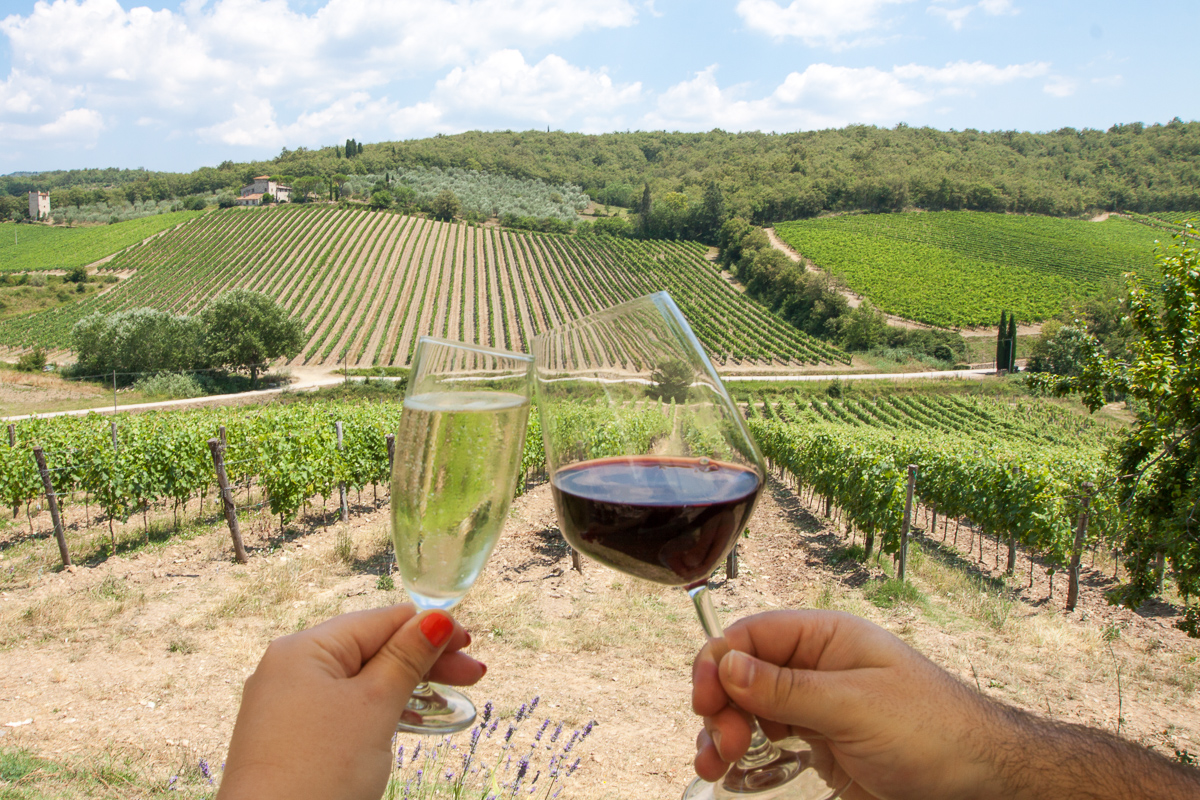
The essence of an exclusive tour: from Chianti to Brunello
Most tours depart from Florence or Siena in the morning, sometimes from Lucca. Small groups, usually up to 8 people, travel by Mercedes van through the hills and vineyards at their own pace. Along the way, there’s a stop in San Gimignano or Panzano, a photo, a cappuccino, and then on you go.
Day schedule and VIP experiences
The daytime option lasts 4-8 hours, but there are also multi-day options with accommodation in an agriturismo. At each winery, you get a private tour of the cellars and tastings led by a sommelier or the estate owner. Food pairing is standard: pecorino at various stages of aging, prosciutto, fresh pasta, sometimes bistecca alla fiorentina. There’s no rush, as you’re paying for time and attention.
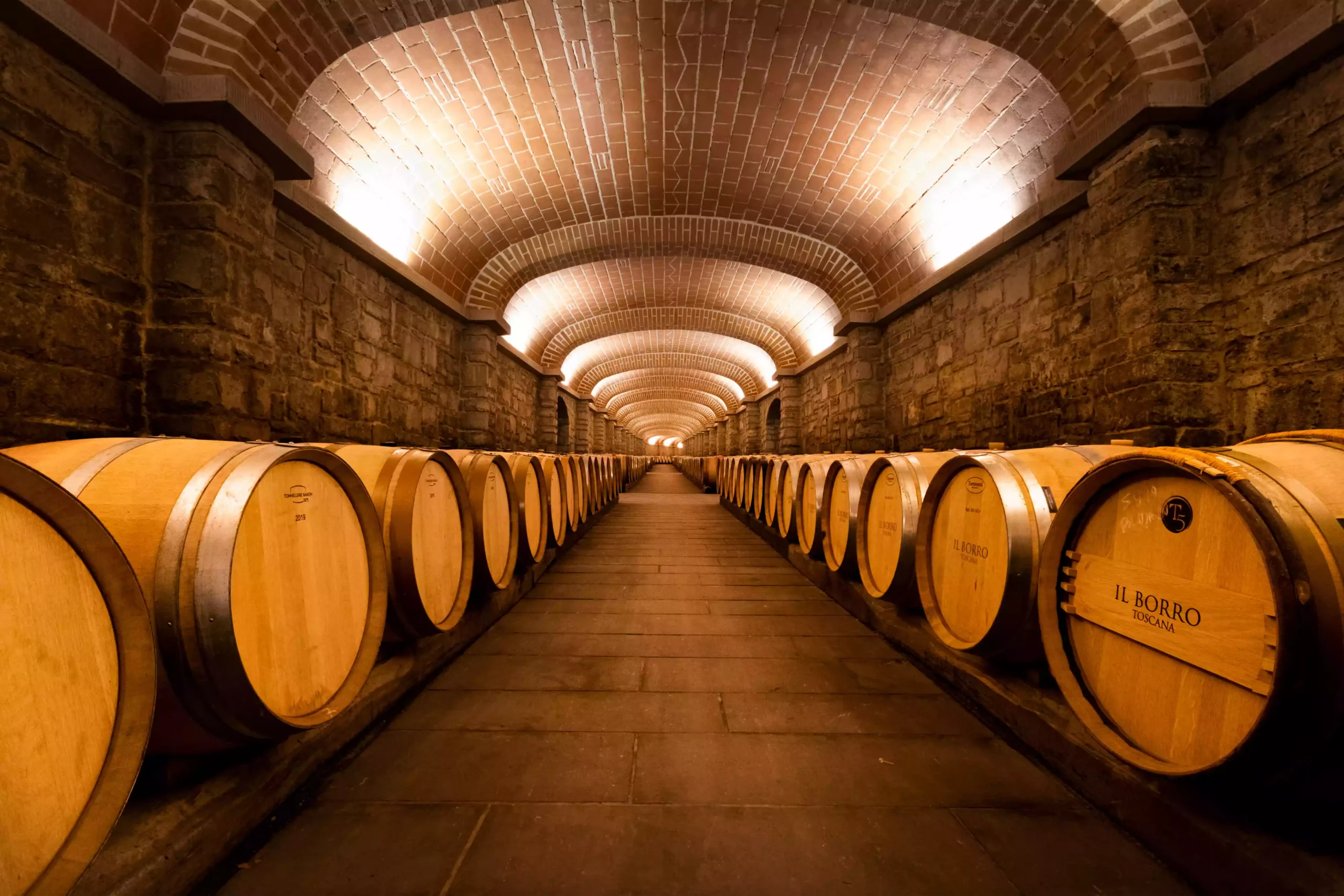
Wines – the essence of four styles
- Chianti Classico – at least 80% Sangiovese; Riserva and Gran Selezione are aged for 24-30 months. Cherry, violet, spices.
- Brunello di Montalcino – 100% Sangiovese Grosso, 4+ years (2 in oak), 14-15% alcohol. Structure and aging potential.
- Vino Nobile di Montepulciano – elegance, red fruits, less power than Brunello.
- Super Tuscan (Bolgheri) – a blend of Cabernet/Merlot/Sangiovese, barrique, international style.
In September, the harvest; in October, the olive picking; in November, truffles. Walks through the vineyards are always possible.
How to choose and book: prices, operators, trends 2026
Prices and booking options
How much does a good tour of Tuscan vineyards actually cost? It depends on what you choose. Group one-day tours range from €190 to €859 per person, while private tours start at €3,200 (but then you have a van and guide just for yourself). If you prefer to go for a tasting on your own, expect to pay €37–66 per person.
| Variant | Indicative price (€/person) |
|---|---|
| Group tour (day) | 190-859 |
| Private tour (day) | 3,200+ |
| Tasting without transport | 37-66 |
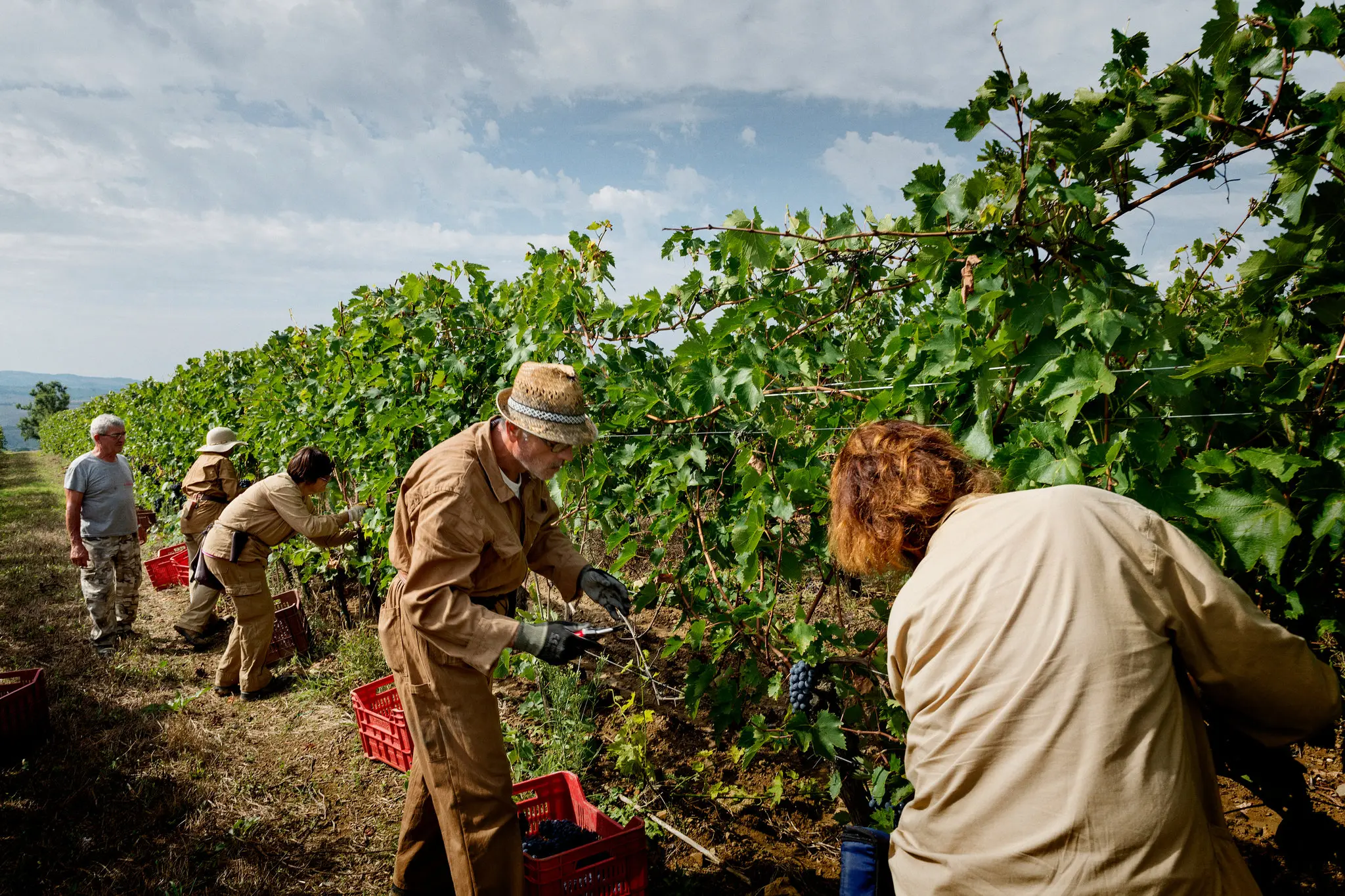
You mainly book through platforms like GetYourGuide.pl, Viator, or Winalist, where you’ll find around 170 operators with an average rating of 4.9/5. Small vans (8-12 people) are popular, while larger buses are less common.
Trusted operators and trend directions
It’s worth considering options such as Grape Tours, Tuscany Tour Time, or Montalcino Wine Tours. Also check out consortia like Chianti Classico or Brunello di Montalcino (they have their own trusted locations). Icons to follow: Antinori (Badia a Passignano), Biondi‑Santi, Tenuta San Guido (Sassicaia), Castello Banfi.
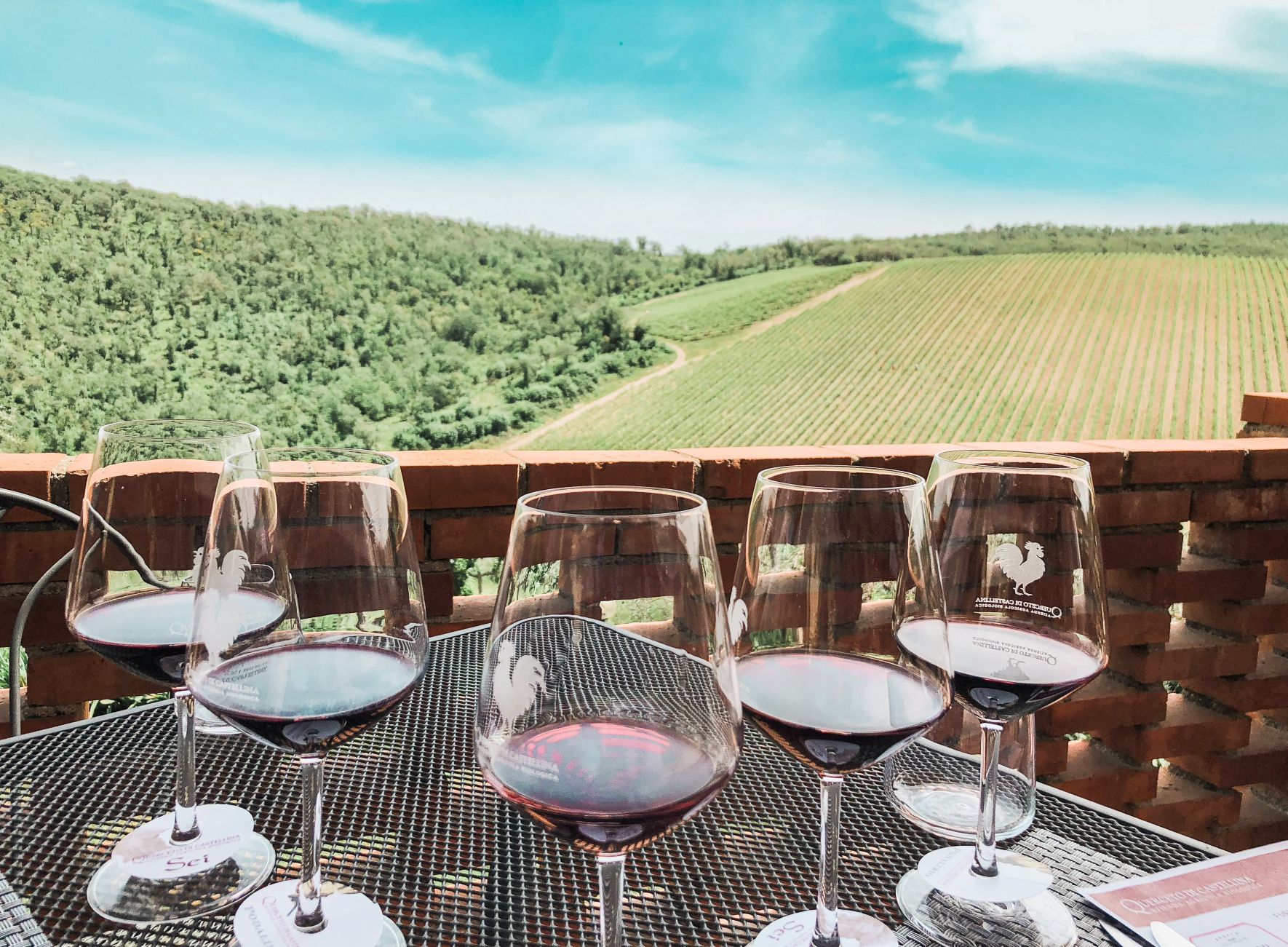
A trendy? Okay. 38% of Tuscan vineyards now operate organically, wine tourism generates 25% of farm revenues, and there are over 6,000 agriturismo establishments. In 04.2026, a new feature will appear at Vinitaly: wine‑tourism hubs. You can sense that this is no longer just an add-on to tastings, but a separate market.
A glass that combines landscape, history, and flavor
Tuscan wine is more than just a taste on the palate. It’s a way to touch the culture of the region, to understand how the landscape shapes the character of the drink, and why the history of each vineyard matters for what ends up in your glass. When we taste Chianti or Brunello, we are drinking centuries of tradition preserved in every bottle.
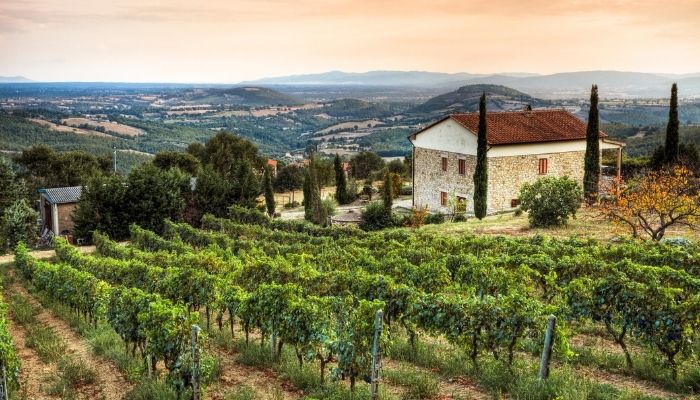
It’s not about snobbery or pretentious distinctions of flavor notes. It’s about experiencing the place. That one moment when you stand between rows of vines, look at the cypresses, and suddenly understand why one of the world’s best wines is born right here.
And that’s exactly what makes it worth coming in person instead of just buying a bottle at the store.
Toony
editorial staff
