




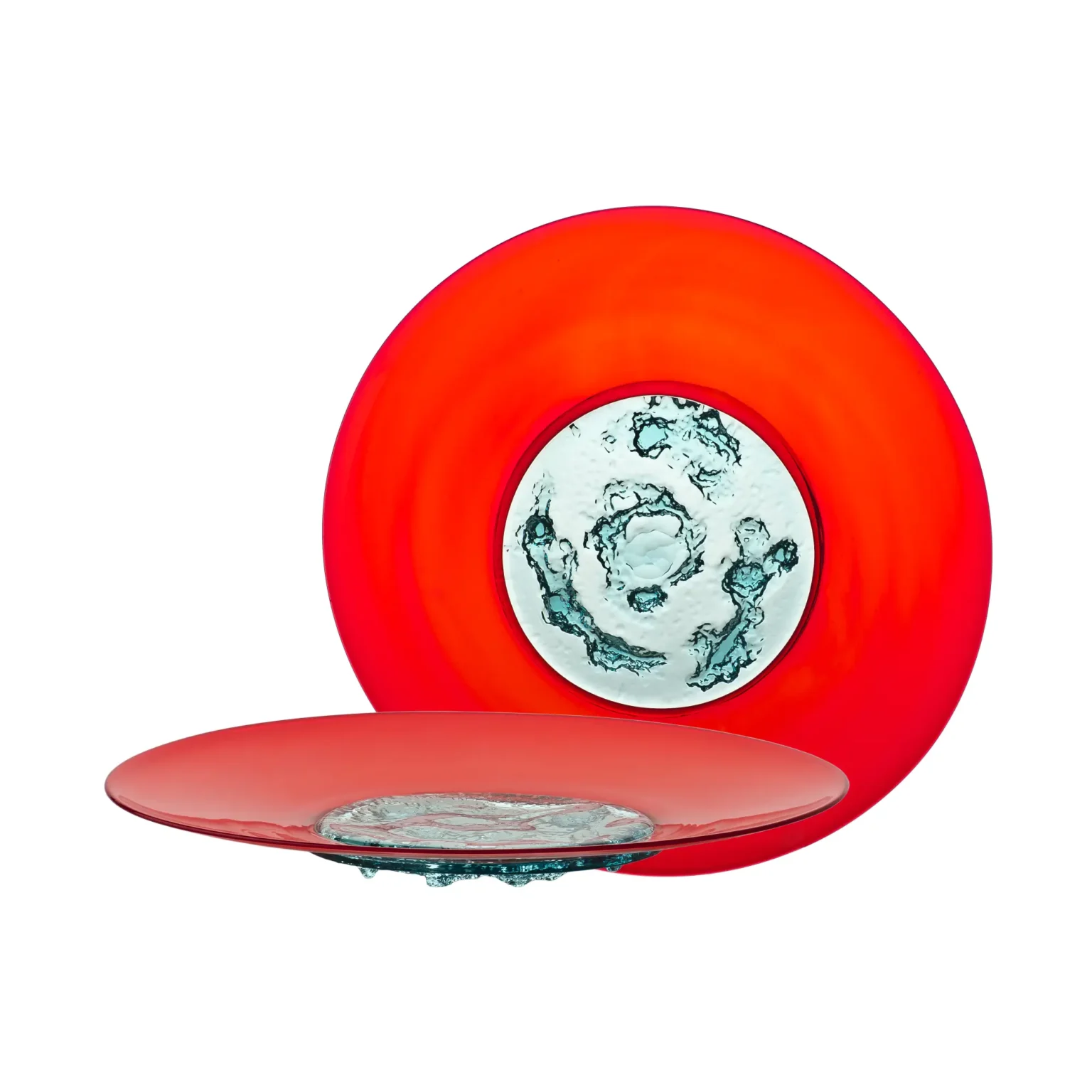
Murano glass is a legend in itself. Famous and recognized worldwide, it is one of those products that inspire admiration and desire. In the Middle Ages, a single island became the heart of the production of innovative, beautiful, and extremely valuable glass objects. Which is the most famous glassworks in Murano, and how many of the traditional glassworks are still operating today? Which Murano glass is the most valuable?
A brief history of Murano glass and the invention of Angelo Barovier
Murano glass has a fascinating history. It begins with a political decision that accidentally created a legend: in 1291, the authorities of Venice, fearing fires and wanting to protect the secrets of the craft, moved all the glassmakers to this small island. Being cut off from the world acted as a catalyst. This led to the creation of a closed community of masters, where knowledge was carefully guarded, passed down within families, and developed over generations.
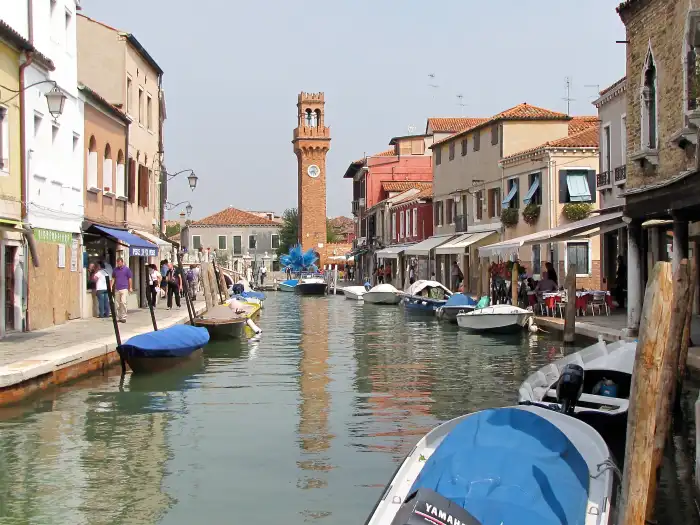
The breakthrough came in the 15th century, when Angelo Barovier developed the famous cristallo — an exceptionally pure, transparent glass reminiscent of rock crystal, which became a symbol of luxury throughout Europe. It was this combination of technological innovation, artistic freedom, and elite control that allowed Murano to set quality standards for centuries. Meanwhile, its creations found their way to royal courts and the wealthiest collections.
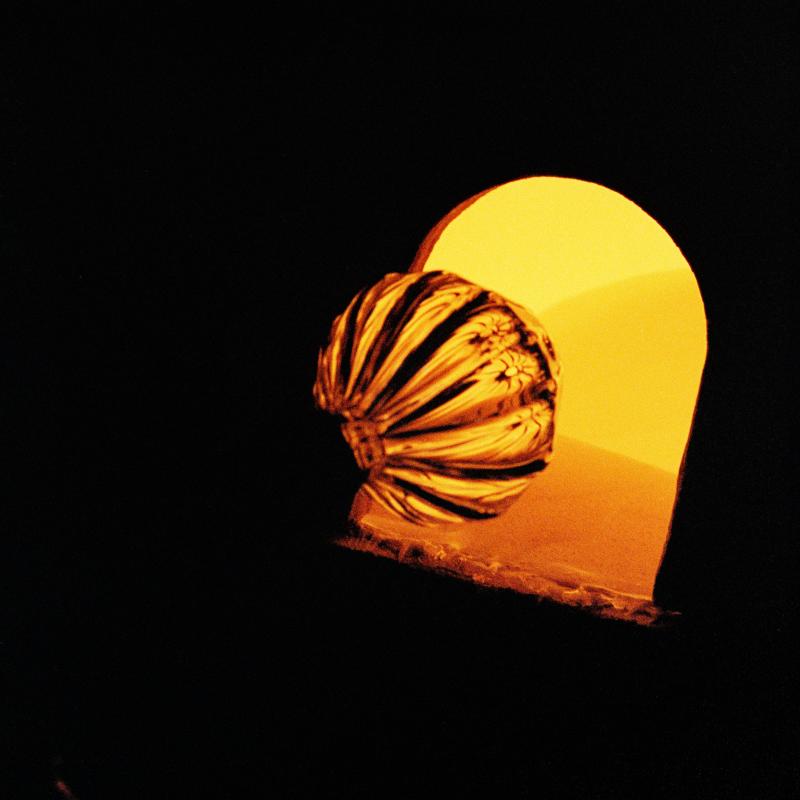
Murano glass stands out not only for its technique but also for its philosophy — it is a material regarded as art. That’s why every item is the result of experience, precision, and a sense of form, rather than mass production.
How many glassworks are there in Murano today?
Murano was never “a single glassworks,” but rather an entire living organism of production — and this becomes most apparent when you look at the numbers over time. At the height of the Venetian Republic’s power, around the 16th century, dozens of glassworks operated on Murano — historically, it is said that about 30–40 furnaces were active, creating an almost total monopoly on luxury glass in Europe. Over time, as technology “leaked” out and competition developed in other countries, this number declined, but the tradition never disappeared.
Today, the situation is more dispersed: instead of one dominant number of glassworks, there are around 100 companies and workshops employing over a thousand people. 50 of them are members of Promovetro, which allows them to use the Vetro Artistico® Murano mark. The vast majority of these are small, family-run manufactories rather than large factories.
And here we come to the most important point: “real” Murano glass is formally produced only on this island, which is protected by a designation of origin and a special certificate. However, at the same time, Murano techniques are now being copied all over the world, from Europe to Asia. That’s why Murano is no longer just a place of production, but a mark of quality and tradition: geographically limited, but culturally global.
The most famous glassworks in Murano – one recipe, many interpretations
The most famous glassworks in Murano? The question sounds simple, but in practice, it’s impossible to answer. That’s because Murano has never operated as a single dominant factory. Ever since Venetian craftsmen were relocated there in 1291, the island has developed as a network of competing masters and families, rather than a single production center. Each glassworks guarded its techniques as trade secrets, with knowledge passed down from father to son. The result? Instead of one “best manufacturer,” a landscape of many strong names emerged — such as Venini, Barovier & Toso, or Seguso Vetri d’Arte — each representing a different moment in history and a unique approach to glassmaking.
It was precisely this competition and isolation that created a unique phenomenon: different glassworks developed their own styles, recognizable almost like an artist’s signature. Some specialized in perfectly clear, lightweight cristallo, others in richly decorated Rezzonico chandeliers. Still others mastered techniques such as murrine or multilayered decorative glass.
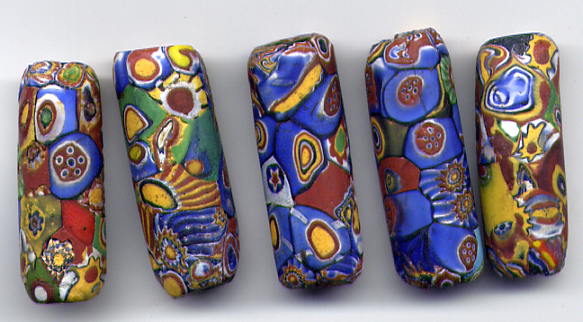
The differences are not superficial — they stem from specific formulas, melting temperatures, forming techniques, and the experience of the master at the furnace. In Murano, glass has never been a “product,” but rather a creative process on the border of craft and art, where every detail depends on the hand and decision of the individual.
Between metallurgy and ritual
The production process itself remains almost a ritual to this day: the glass is made from a mixture of silica sand, soda, and lime, melted in furnaces at temperatures exceeding 1000°C. The heated mass is gathered onto a blowpipe, shaped by blowing, cutting, twisting, and modeling. This all happens within minutes, before the material begins to harden. It is a team effort, requiring precision and coordination, where the master leads the process while the assistants respond almost instinctively.
That’s why the history of Murano is “scattered.” It cannot be reduced to a single name. The strength of Murano glass has never been centralization, but rather diversity, competition, and the constant pushing of the material’s boundaries. And that’s exactly why, instead of one most famous glassworks, we have something far more interesting. An entire world of styles, techniques, and stories captured in glass. Parallel and equally valuable.
5 most important glassworks in Murano – history and features
Murano is not a single legend, but rather many parallel stories. Each glassworks has its own unique language of working with glass. A craft perfected over generations of masters. That’s why, instead of focusing on just one “most important” story, it’s better to look at several that together create the image of this island’s greatness.
Barovier & Toso
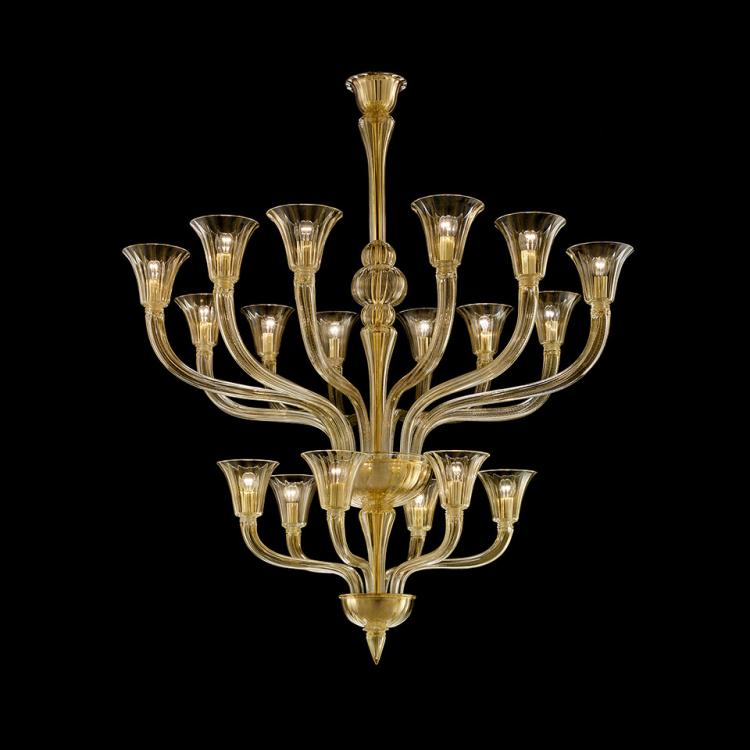
The oldest and most “aristocratic” of the glassworks, with roots dating back to the 13th century. It was here that the famous cristallo was born thanks to Angelo Barovier. What sets it apart is the continuity of tradition and technical perfection. That is why their glass embodies the very essence of what Murano was at its origins: purity of form and mastery of material. Today, the glassworks creates exquisite, breathtaking, and unique chandeliers and lamps made from Murano glass.
Venini
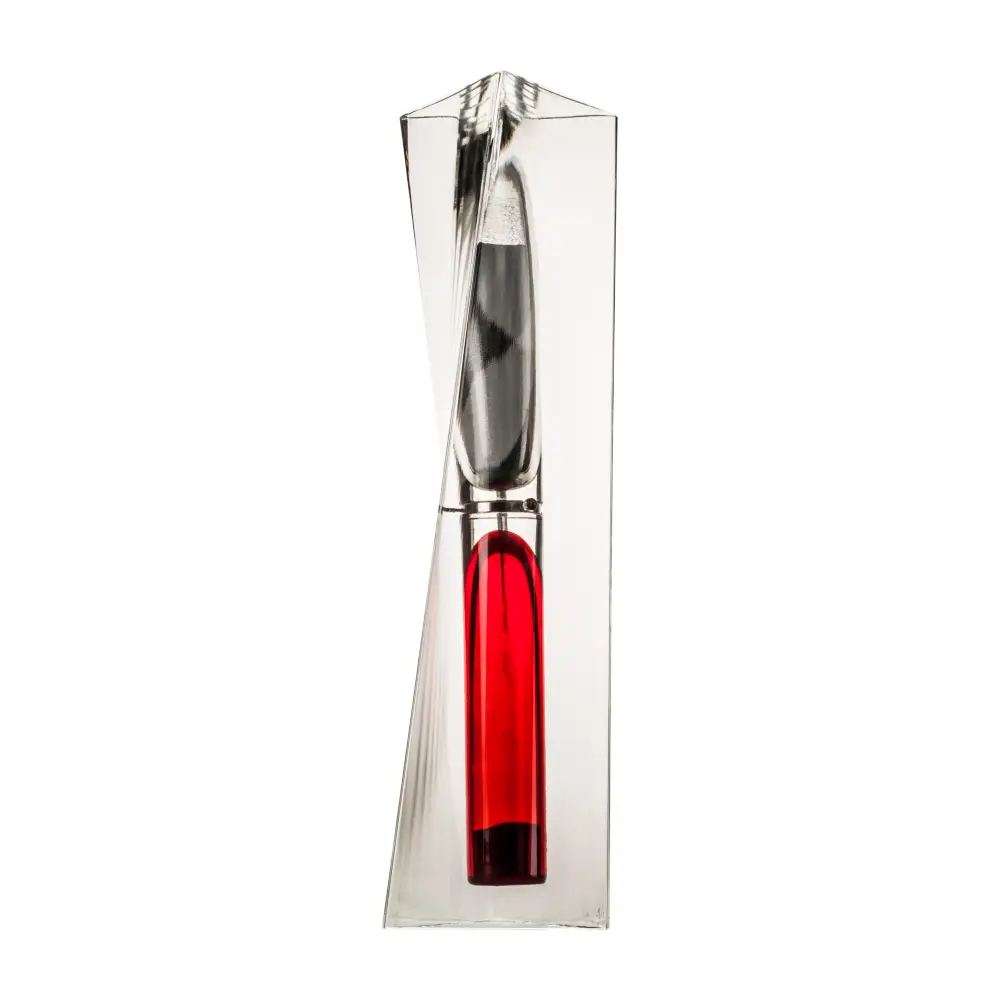
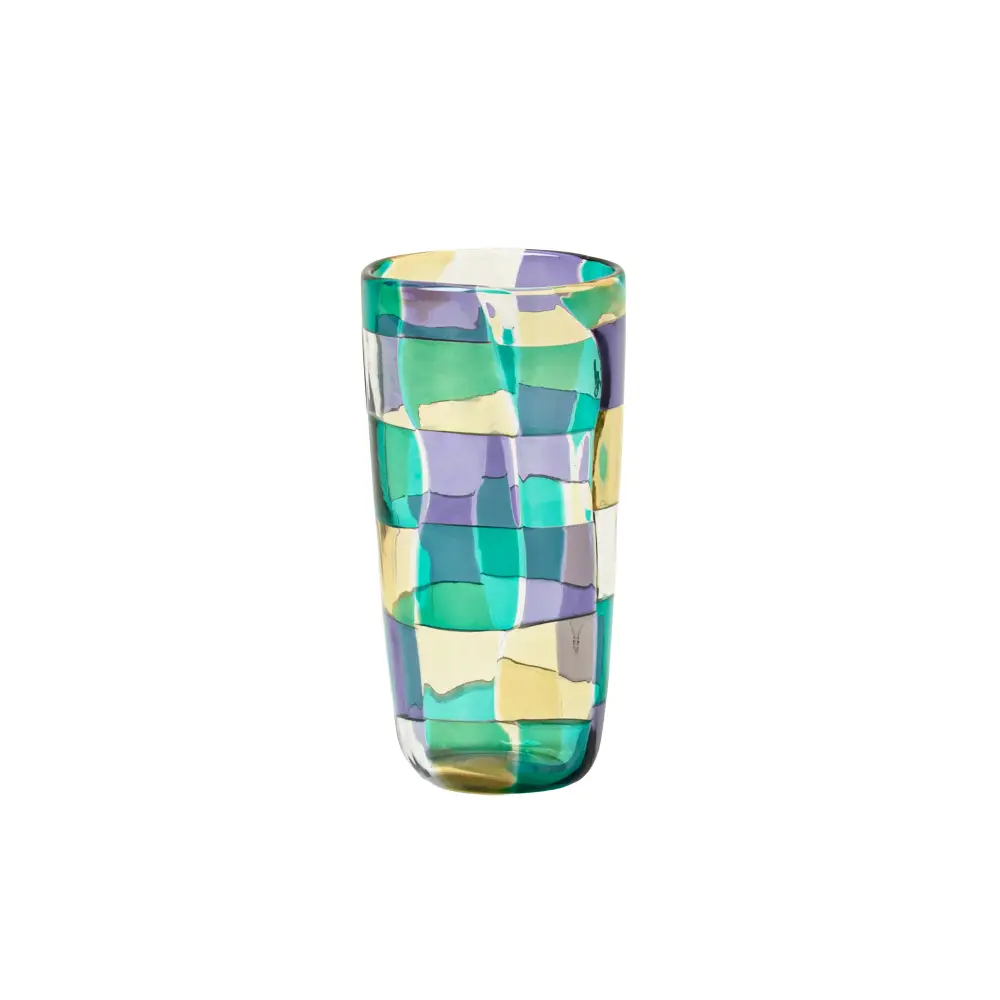
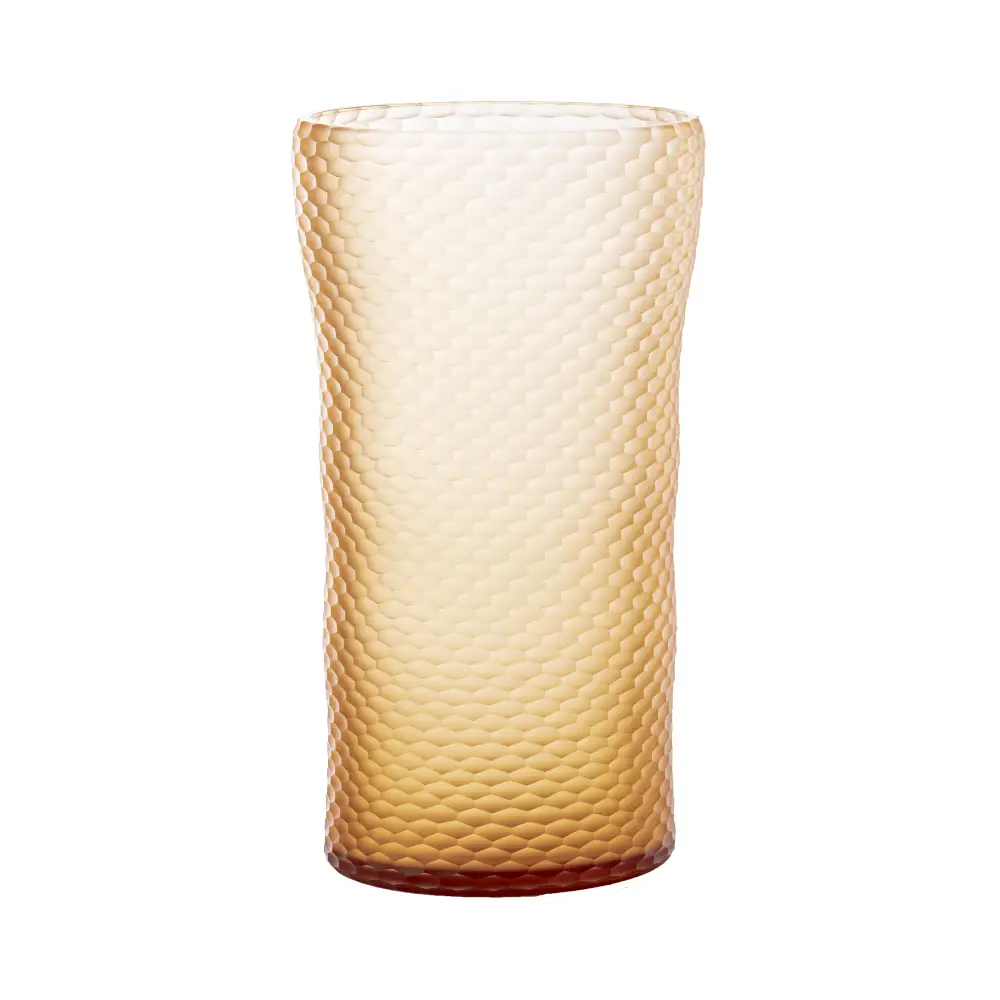
A symbol of modernity and artistic courage. Since the 20th century, it has been redefining glass as a medium for art and design, collaborating with outstanding designers. Their works are more conceptual — this is Murano that has entered galleries and museums around the world.
Seguso Vetri d’Arte
The Seguso family is one of the longest-standing glassmaking dynasties. Their style combines tradition with decorative flair—often richer and more expressive, especially in luxurious forms such as chandeliers or glass sculptures.
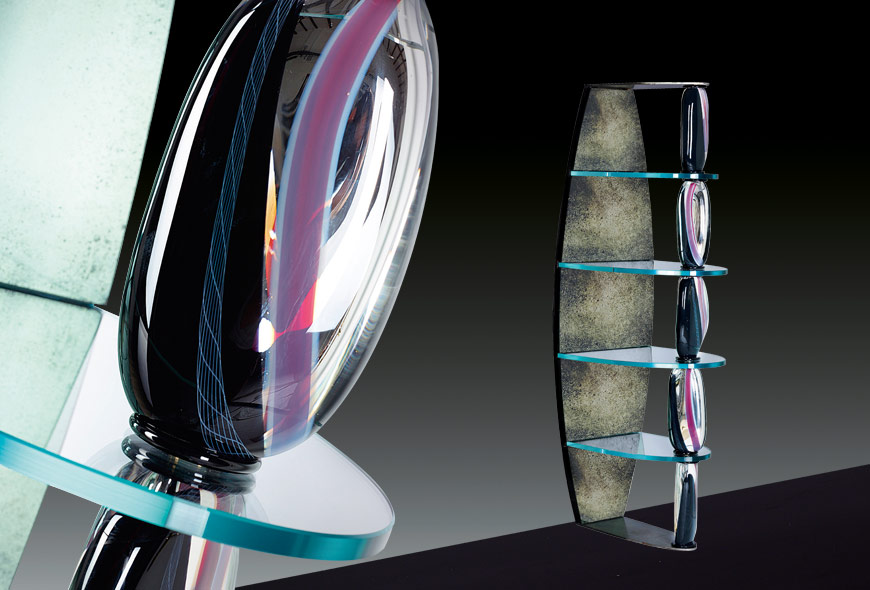
Pauly & C. – Compagnia Venezia Murano
Elegance and prestige. Since the 19th century, this glassworks has been providing glassware for the most discerning clients, combining classic techniques with decorative opulence. This is Murano in a palatial version—striking, refined, created to impress.
Salviati
Key to the revival of Murano in the 19th century, when tradition began to lose its significance. Salviati restored the island’s glass to international prominence by developing production on an export scale. What sets him apart is the combination of craftsmanship with entrepreneurship and market vision.
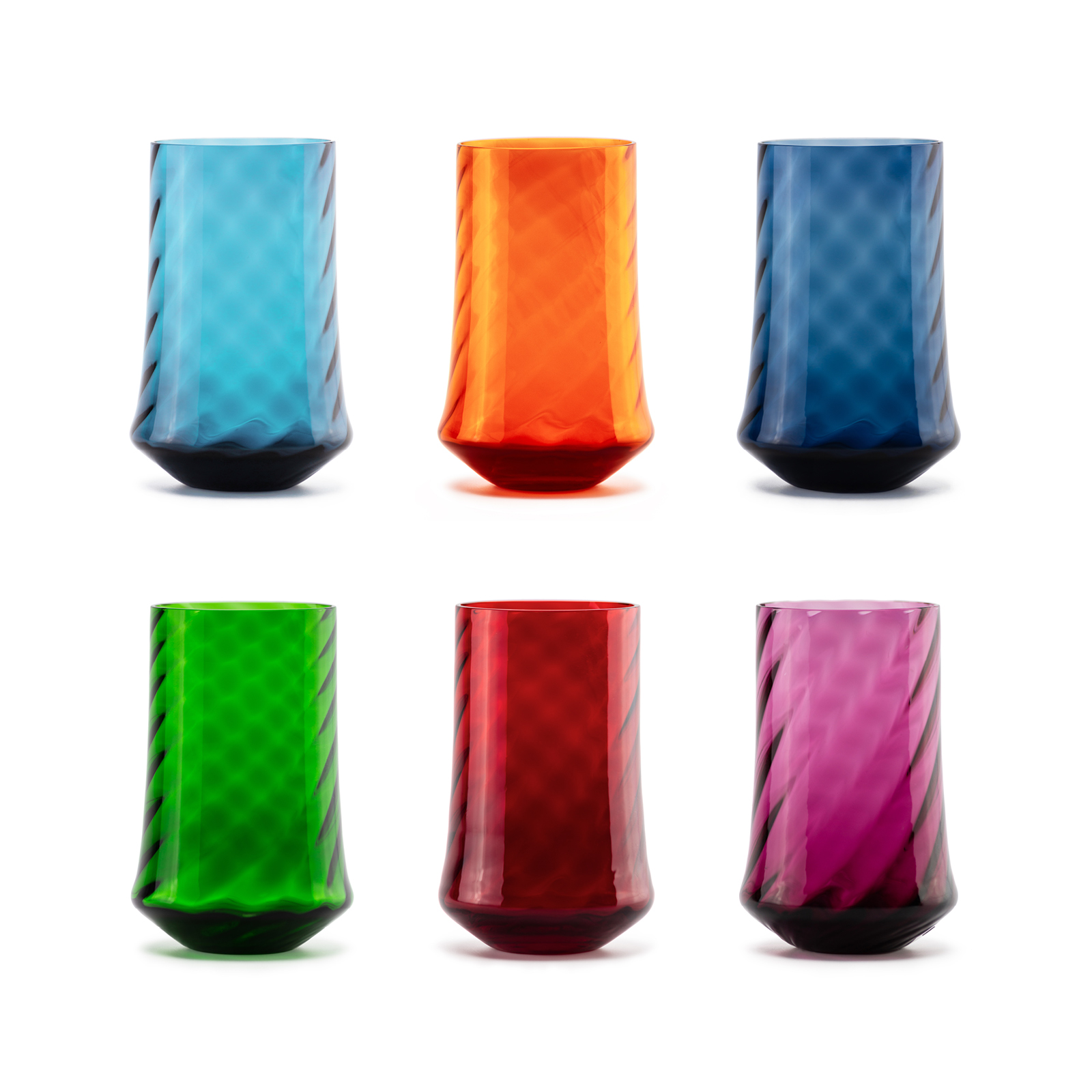
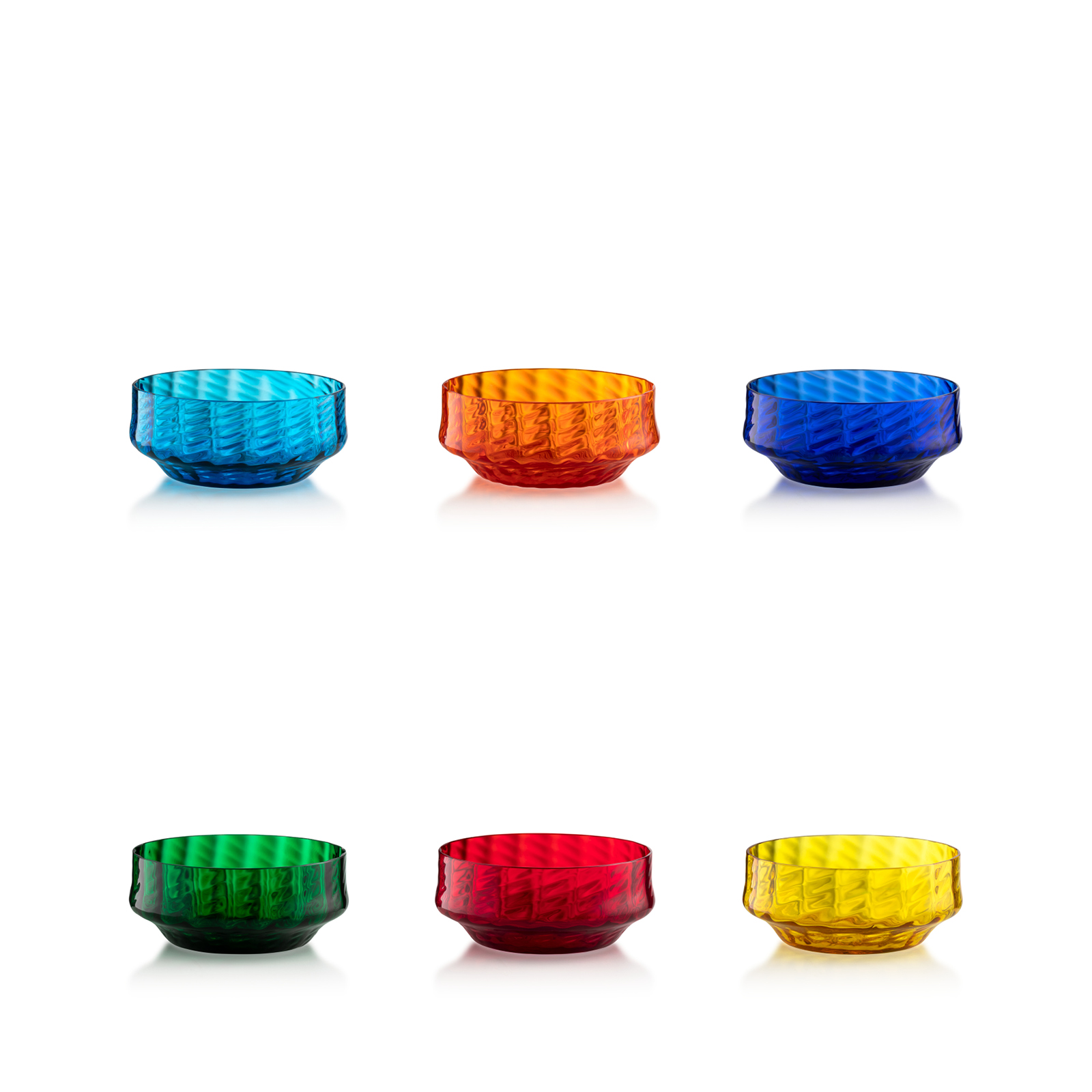
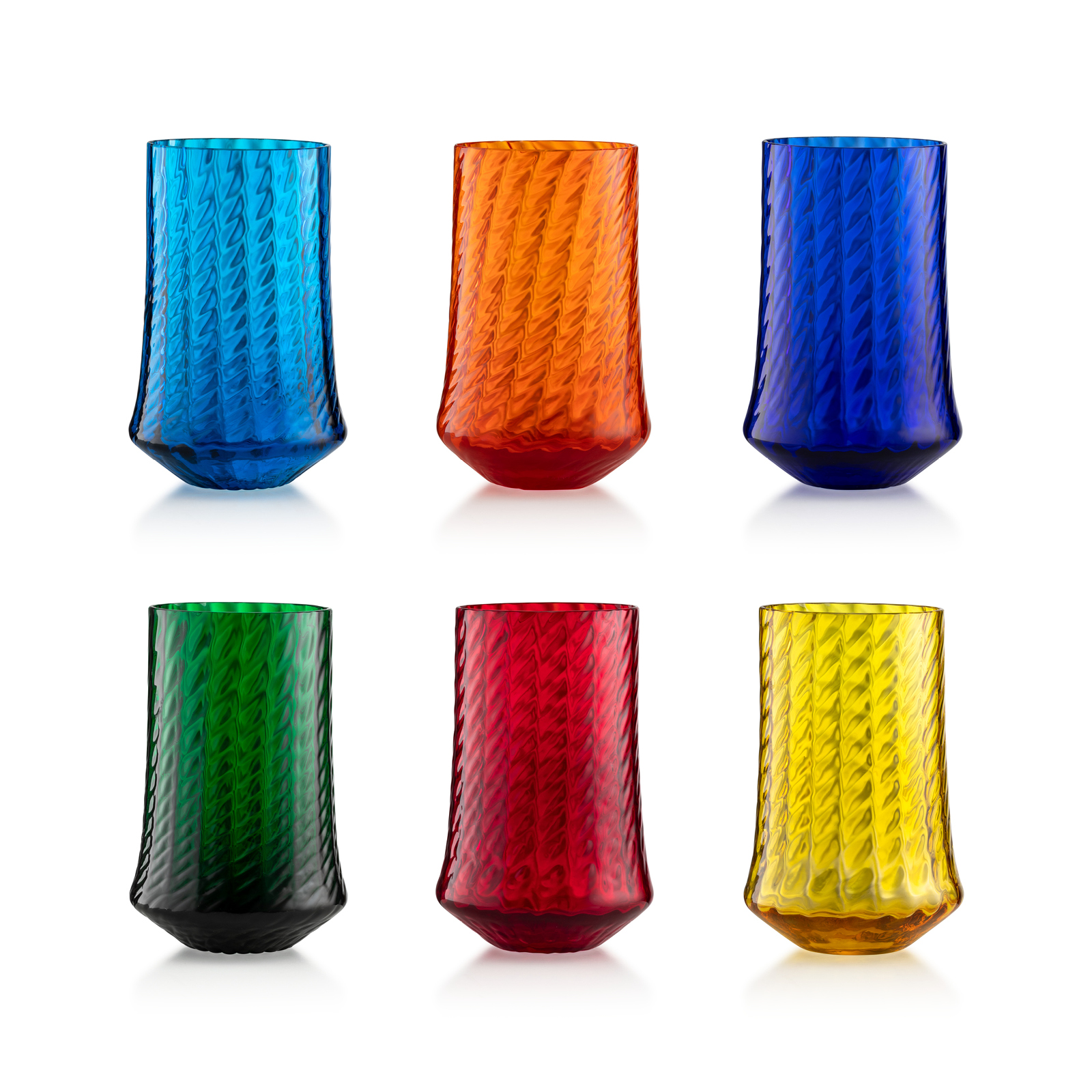
It is precisely the diversity of these glassworks — from medieval roots to contemporary design — that makes Murano impossible to define in a single way. Each one offers a different perspective on the same glass.
Murano glassworks – not a single narrative, but many stories
Murano glass is not a single story or a single name — it is rather a centuries-long dialogue between fire, matter, and human ambition. From the breakthrough brought by Angelo Barovier to the contemporary creations of brands like Venini or Barovier & Toso, Murano remains a place where tradition is not a burden. A beautiful history serves as the starting point for ongoing experimentation.
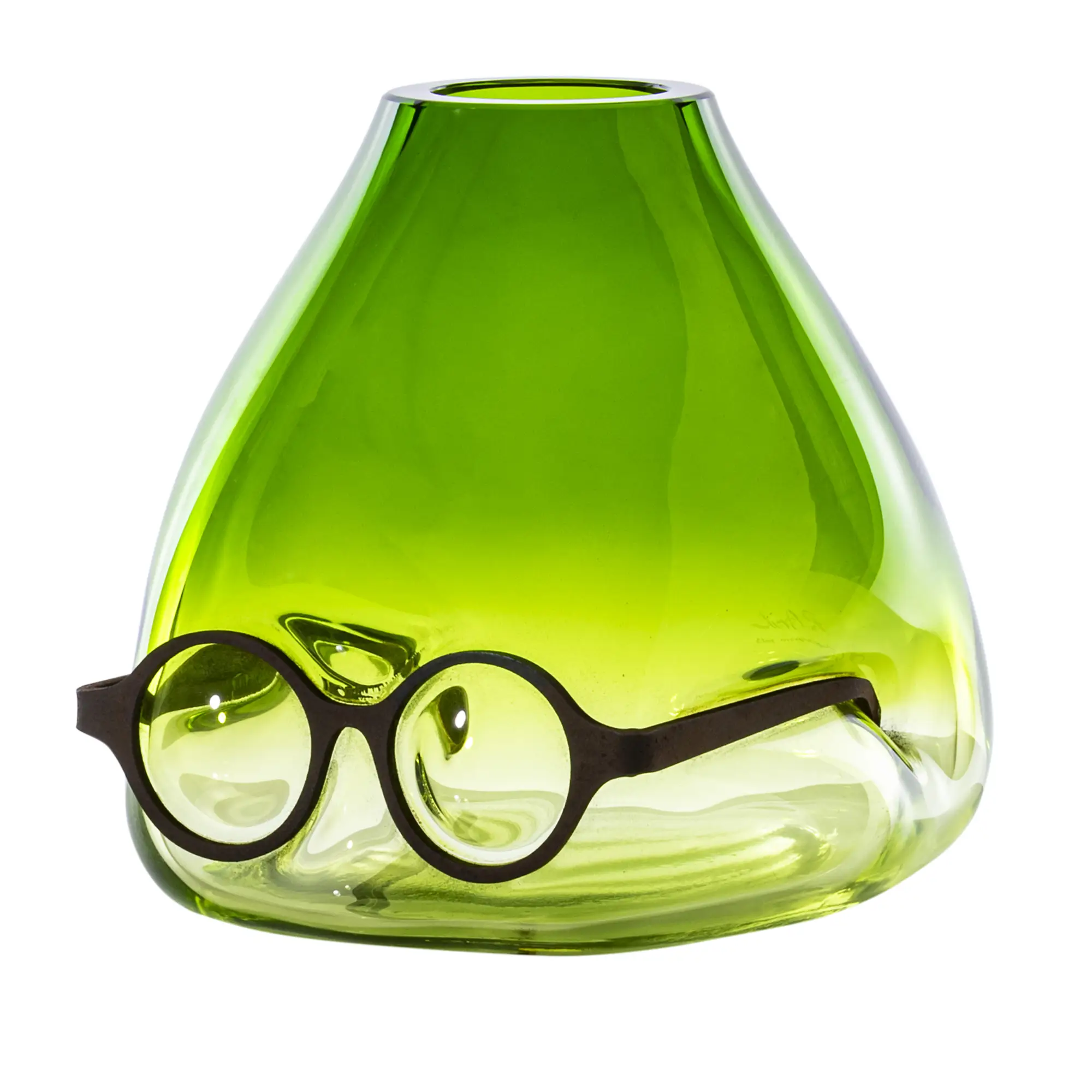
It is precisely this balance — between mystery and innovation, between craftsmanship and art — that has ensured Murano glass has never become just a product. It has remained a symbol: of things created slowly, consciously, and with mastery that is hard to counterfeit, even if it can be copied.
