




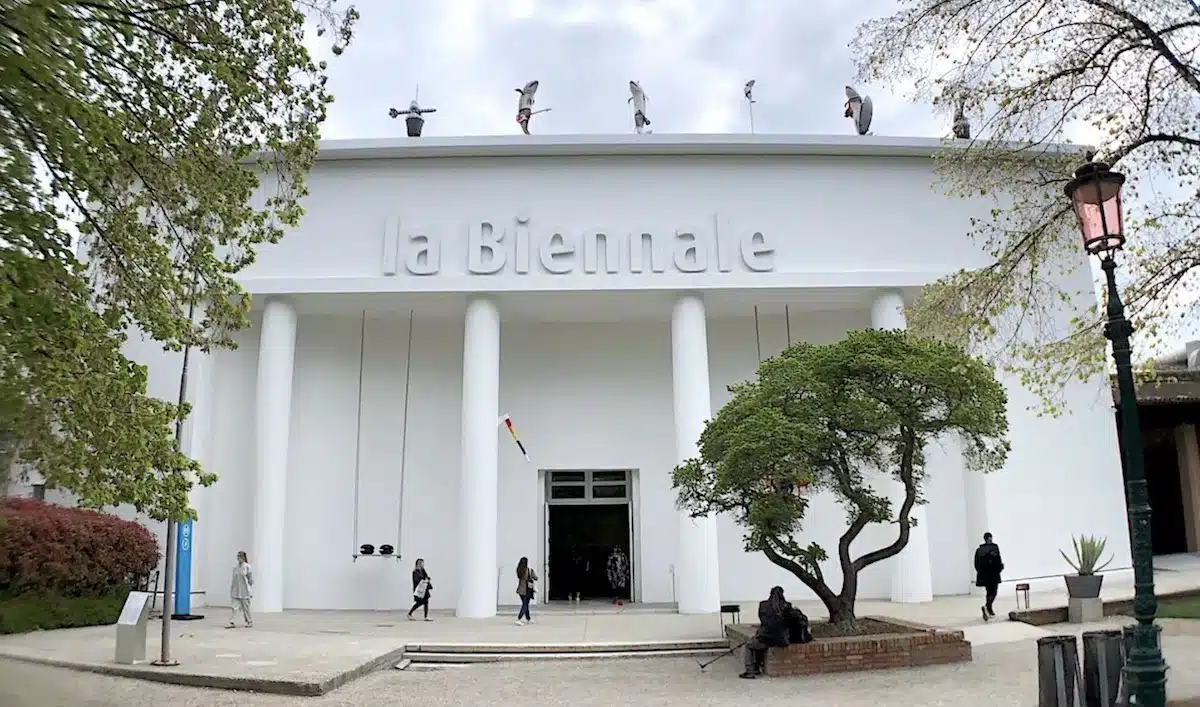
The Venetian Giardini and Arsenale will open on May 9, 2026, for the oldest and most prestigious contemporary art exhibition. The 61st Biennale will run until November 22 (pre-opening: May 6-8), offering 198 days of curatorial selections, national pavilions, and accompanying events spread throughout the city.
This time, the script was written by Koyo Kouoh (1967-2025), a Cameroonian-Swiss curator and the first African woman in this position. The exhibition was carried out according to her concept after her death in January 2025. For years, Kouoh questioned why culture is so loud when the most interesting things happen in silence.
Why “moll” in 2026?
The phrase In Minor Keys is a metaphor. It refers to the minor key: melancholy, quietness, attentive listening instead of “orchestral bombast.” In times when every message is shouting, Kouoh suggests turning down the volume. Her exhibition focuses on intimate forms, unfinished stories, barely noticeable gestures.
Sounds like a contrast to what is usually expected from a biennale. And maybe that’s exactly why it’s worth going.
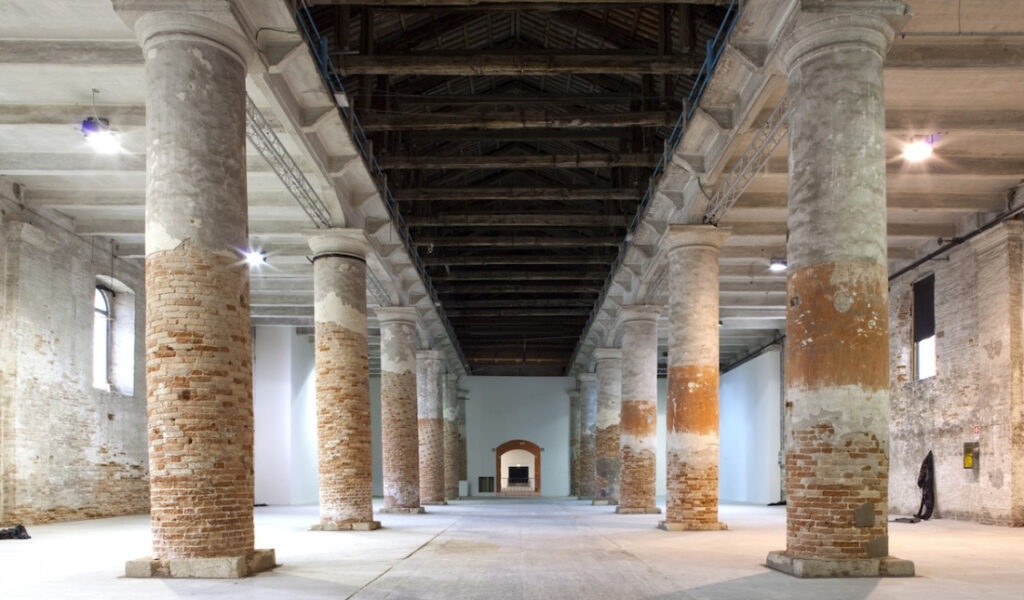
Curatorial vision and visitor experience
“In Minor Keys” is a title that immediately sets the mood for the entire exhibition. Adriano Pedrosa invites us into a world of quiet, introspective frequencies: melancholy, blues, morna, whisper, solace, and hope. This is a conscious rejection of “orchestral bombast,” the spectacle that has dominated many recent biennials. The idea is to slow down and listen to what is subtle.
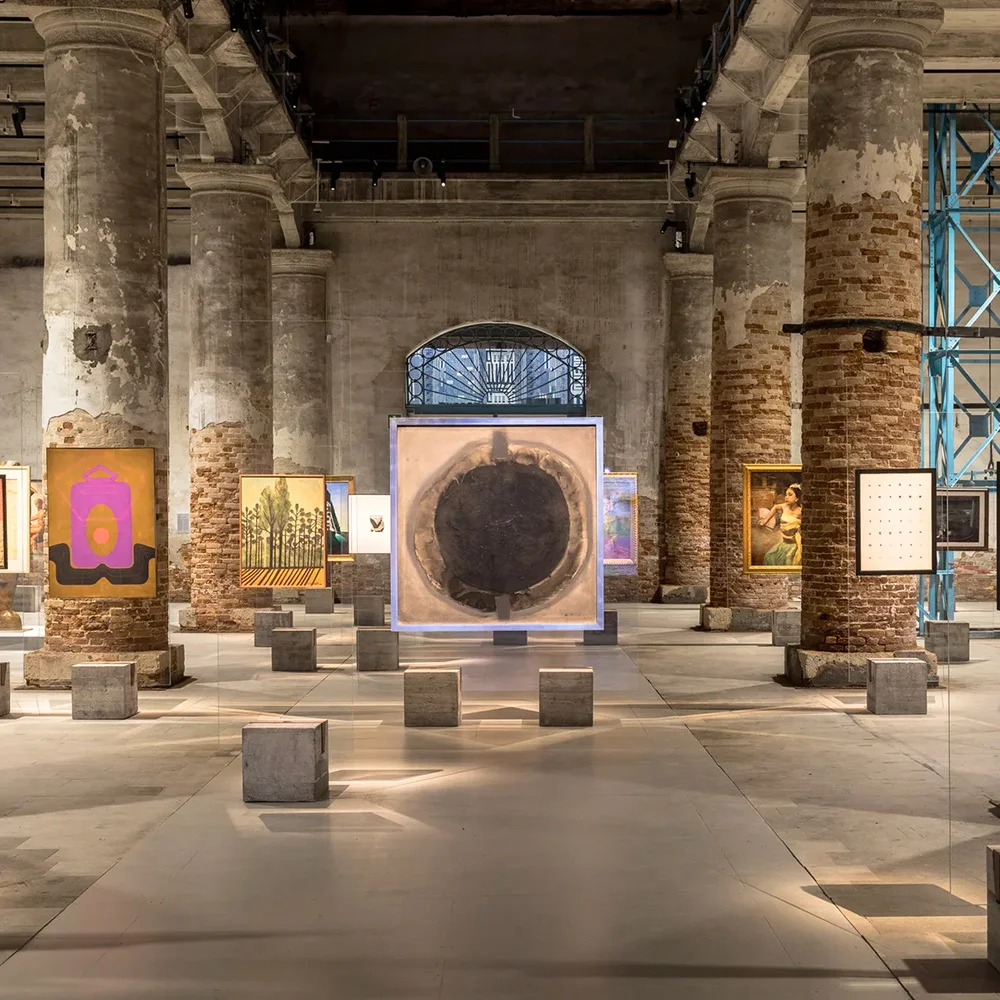
Themes: from temples to oases
The exhibition unfolds around five main themes:
- Shrines (Sala Chini) – a tribute to artists such as Issa Samb and Beverly Buchanan, spaces of remembrance and contemplation
- Processions – Afro-Atlantic processions, an echo of the legendary “Poetry Caravan” from 1999
- Schools – artistic ecosystems, such as blaxTARLINES KUMASI or G.A.S. Foundation, learning communities
- Rest/Oases – Creole gardens, sensory pauses, spaces of respite
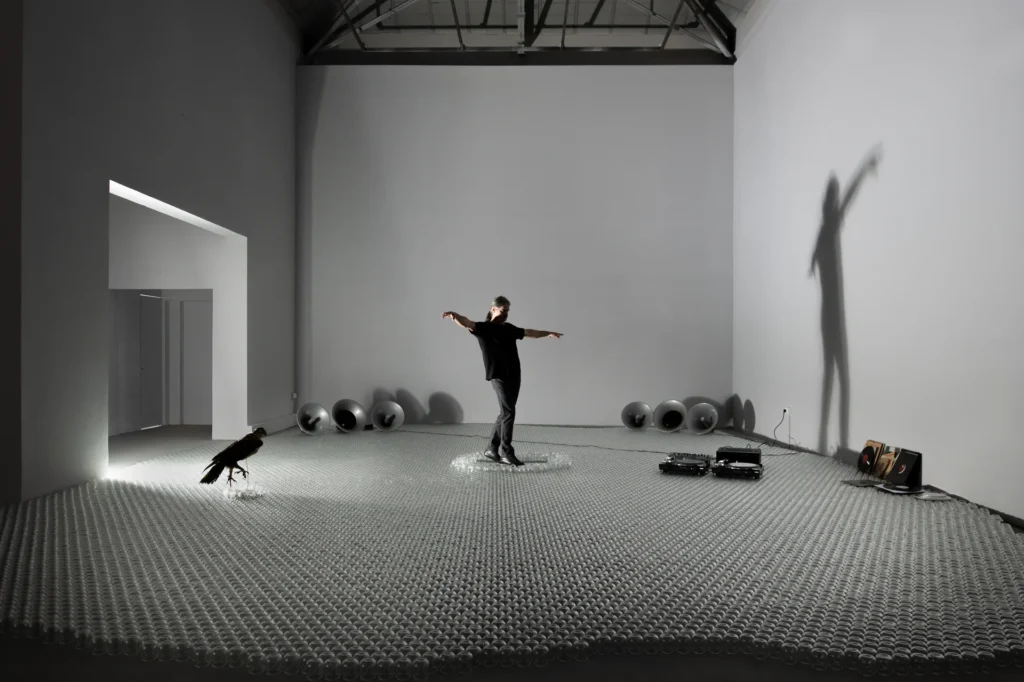
- Performances (06–11.05.2026) – the body as a vessel of memory and resistance
What the exhibition looks like: thresholds, indigo, and “komorebi”
The set design was created by Wolff Architects from Cape Town. Indigo dominates, with thresholds functioning as portals between spaces. The visual identity by Clarissa Herbst and Alex Sonderegger is based on the concept of “komorebi” ( a Japanese word describing light filtered through leaves). A two-volume catalogue completes the whole, and the organizers declare their commitment to carbon neutrality.
czas nie jest własnością korporacji ani nie podlega bezlitosnemu przyspieszaniu produktywności
This exhibition offers a different pace. A quieter one.
Who participates and how
The main exhibition gathered around 111 participants, and in total, 99 countries were represented in Venice, complemented by 31 collateral events. That’s quite a scale, but what’s even more interesting? Seven countries made their debut: Guinea, Equatorial Guinea, Nauru, Qatar, Sierra Leone, Somalia, and Vietnam. Seychelles joined on May 4, 2026, during the biennale.
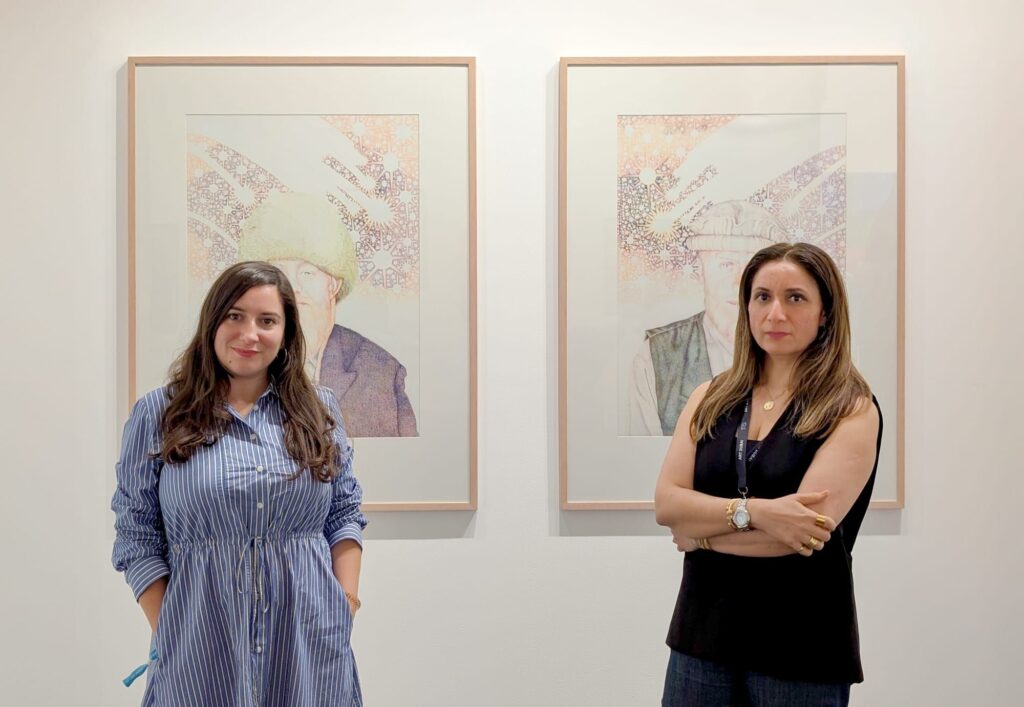
Adriano Pedrosa clearly prioritized resonance over nationality. The main exhibition lacked Italian artists, which caused some surprise, but the curator explained this as a desire to showcase voices from the periphery. Among the invited participants were both well-known names (Laurie Anderson, Nick Cave, Wangechi Mutu), as well as collectives such as blaxTARLINES KUMASI, Denniston Hill, and G.A.S. Foundation. The presence of Linda Goode Bryant and Torkwase Dyson highlighted the diversity of practices, ranging from traditional media to spatial installations.
Silent Solstice – what remains after leaving the exhibition
The Venetian exhibition leaves behind a kind of silence after a heated conversation. Not so much an empty echo, but rather a space for reflection that comes only later. These “quiet tones” turn out to be more enduring than loud manifestos, because they work more slowly, more deeply, without the pressure of immediate understanding.
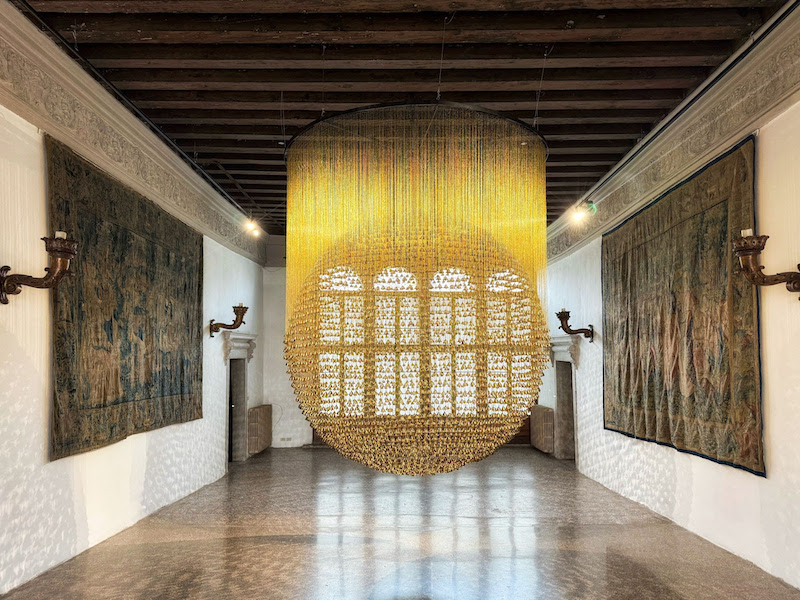
Maybe that was exactly what the curators intended: not to outshout the world, but to give it a moment to breathe. In times when everything is fighting for attention, silence can say more. And that lesson stays with you, even after you leave the Venetian pavilions and return to your own noise.
LARA
Premium Journalist
