




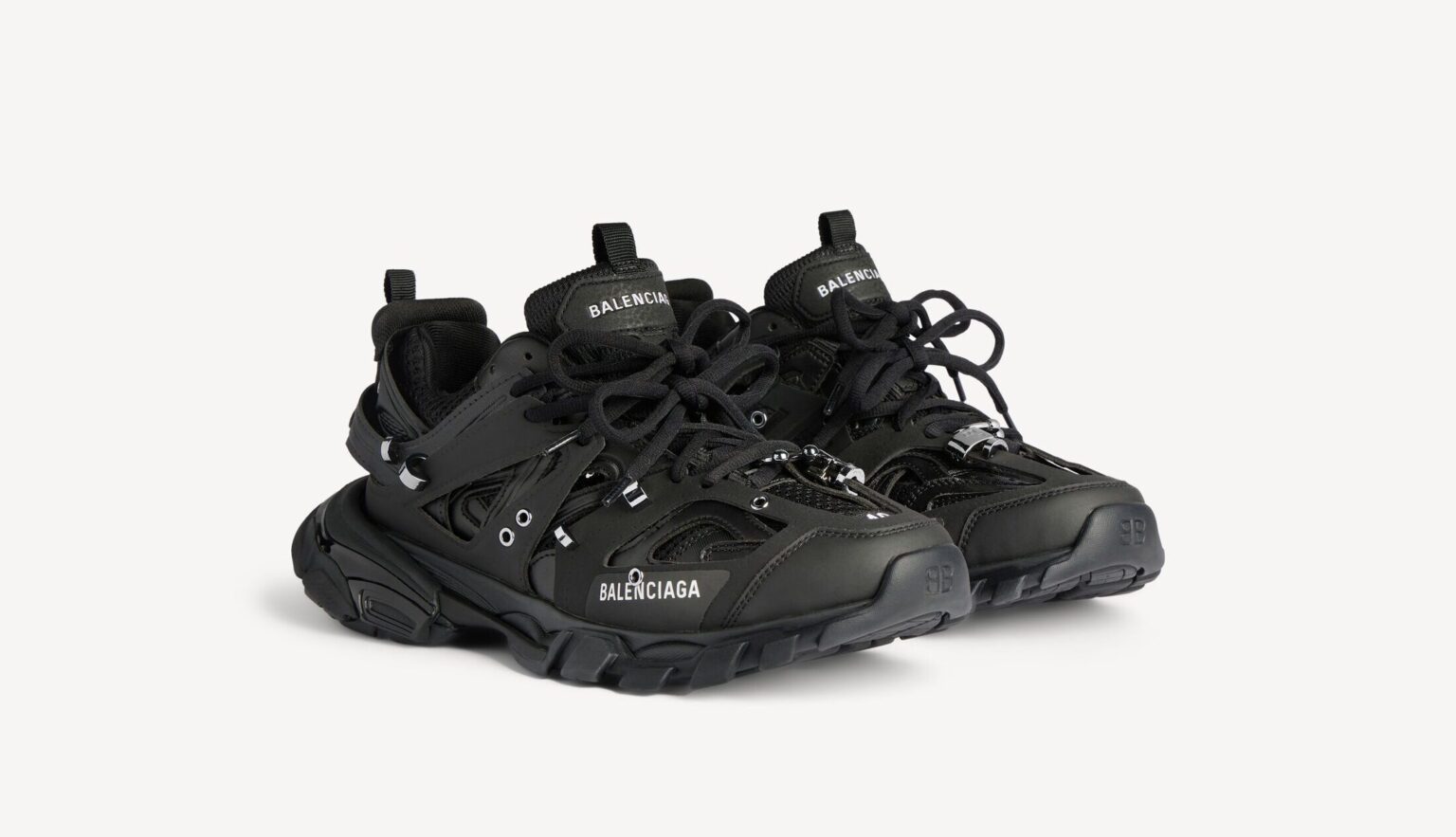
Sneakers stopped being just sports shoes somewhere between 2015 and 2017. Balenciaga, under the direction of Demna Gvasalia, did something no one expected from haute couture: took “ugly” forms, oversized silhouettes, and an ironic distance from the very concept of beauty, and sent it all down the runway. This is the famous “new luxury”: a fusion of streetwear, haute couture, and mass culture that elevated everyday footwear to the status of statement pieces.
What is the “new luxury” in sneakers
The new luxury is about reversing the codes: irony instead of perfection, bold design instead of discretion, cultural relevance instead of tradition.
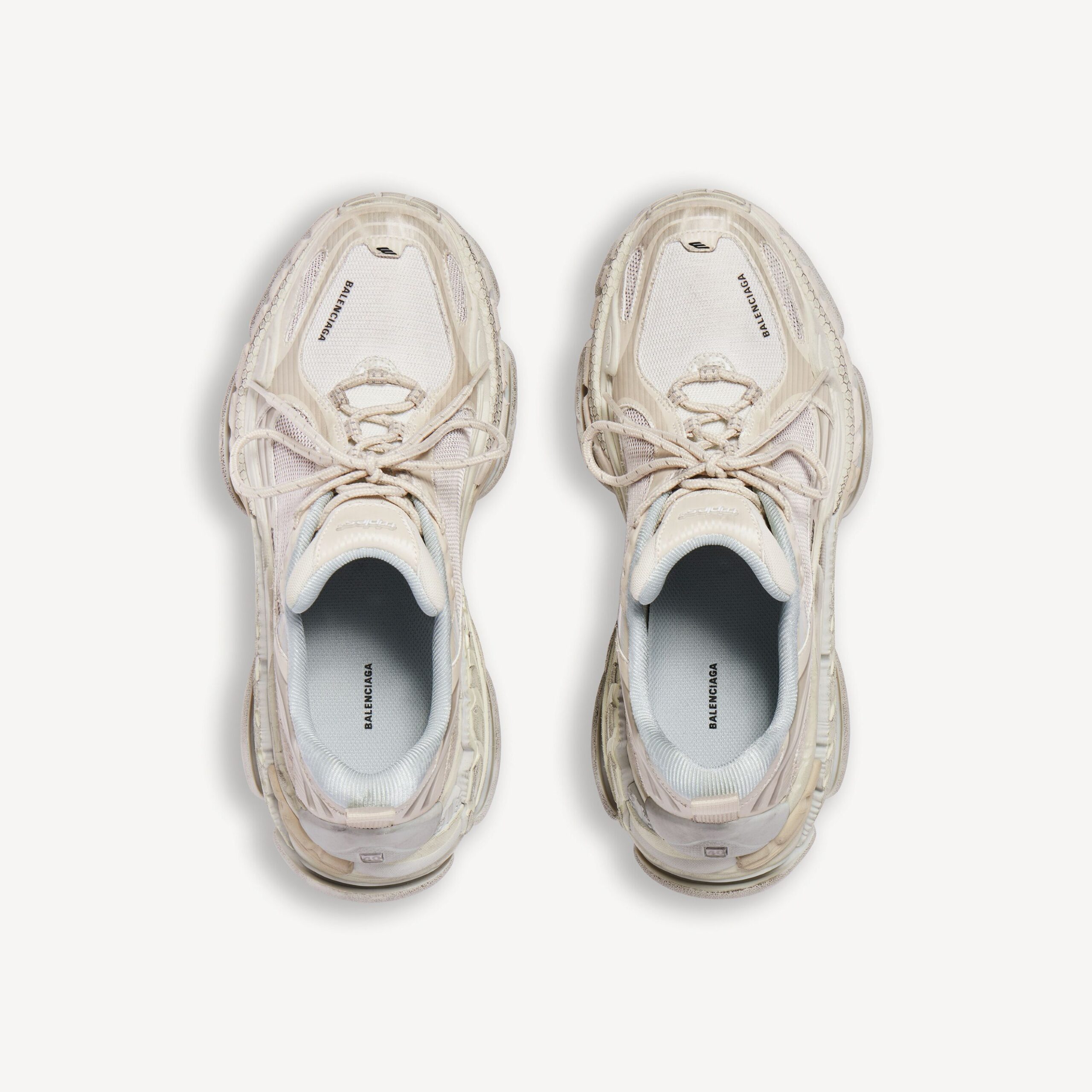
Speed Trainer (2016) looked like a sock on a sole. Triple S (2017) are ” dad shoes” for three thousand zlotys, loved by both teenagers and Vogue editors. Track (2018) resembles trekking shoes from the future. Each model marks a turning point: proof of concept that luxury doesn’t have to be elegant to be desirable.
Now, in 2026, Pierpaolo Piccioli takes the helm and introduces Radar and Triple S.2. A new chapter, but will it change the very definition?
When “ugliness” becomes desirable – culture and controversy
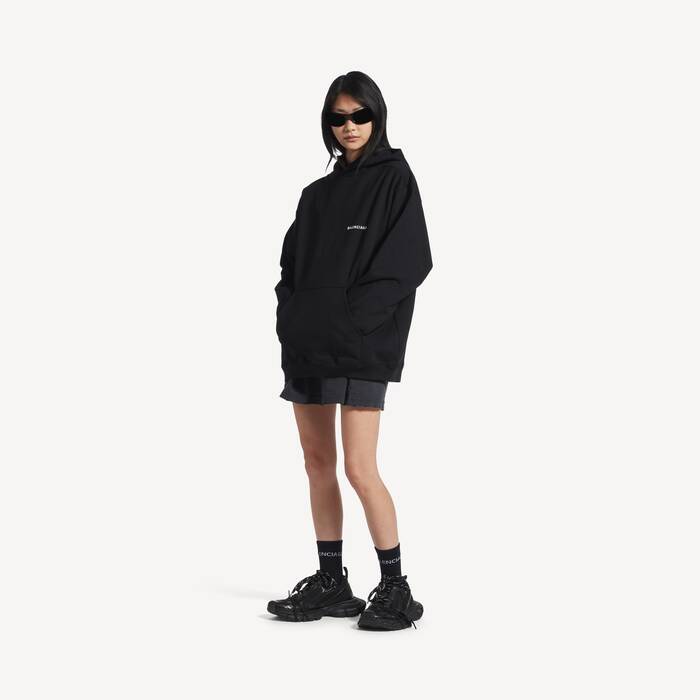
For some, Balenciaga represents a cultural revolution. “Ugliness becomes desirable,” because the brand broke the rules and showed that luxury doesn’t have to be elegant. Triple S or Track are symbols of boldness: a fusion of streetwear, high fashion, and irony. Supporters claim it’s the authentic voice of a generation that doesn’t want to look like their parents in classic loafers. And then there’s the impact on street style. Suddenly, everyone is wearing chunky sneakers, from influencers to designers. It’s proof that form can shock and, at the same time, define an era.
Critics and controversies
Critics see something different. The accusations? “Poverty chic” – aestheticizing poverty for astronomical sums. The “Made in China” label on a price tag of 800+ euros raises questions. And then came the scandal: in 2022 the brand released the “Full Destroyed” for $1,850 (limited to 100 pairs). Destroyed shoes for a fortune? The internet exploded. Things got even worse with the campaign featuring children and teddy bears in bondage – #CancelBalenciaga led people to publicly burn their shoes.
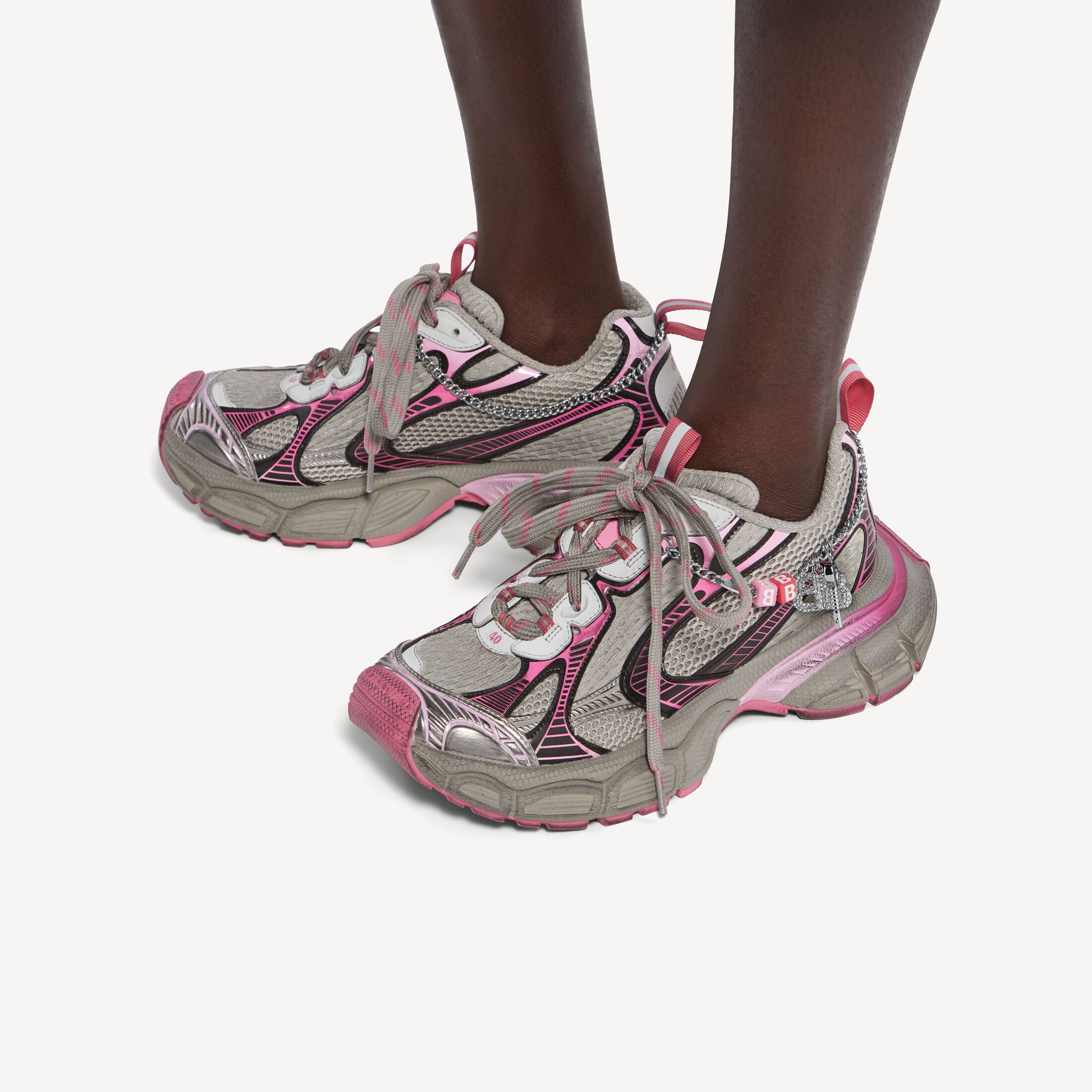
And here’s the paradox: every scandal, every meme only strengthens its recognition. Balenciaga operates like viral content. Shock fuels conversation, conversation builds status. Is it a clever strategy or chaos? It’s hard to say. One thing is certain: the brand exists in a tension between “accessible to everyone” and “worn by the elite.” And it’s precisely this tension that explains why every model provokes such extreme reactions.
Models, technique, and market: what are you really buying
When you buy Balenciaga, you’re not just paying for the logo. Each model is a specific construction with measurable parameters. The Triple S is a classic with a layered sole (about 6.5 cm high), built from three types of shoes. The Triple S.2 took it further: 68 components, a lighter build, gradient stripes, and intentional distressing. The Radar is an ultra-light model with 360° double lacing and a low profile. The Track resembles a trek-boot with a multi-layered upper, GORE-TEX, and a cage (but note, this is not ” technical equipment ” for sports). Speed Trainer? A recycled knit slip-on, weighing roughly half a pound each.
Prices, resale, and availability
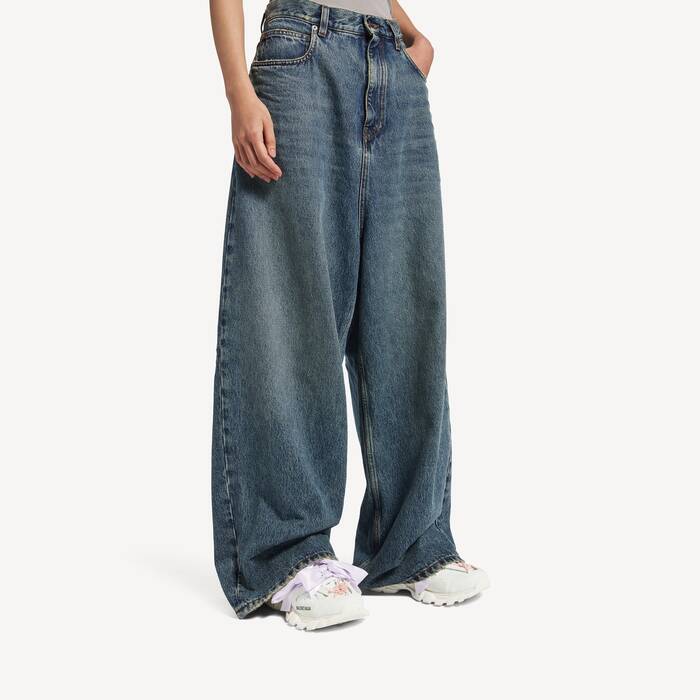
Balenciaga sneakers start at around $800 and go up to $2,000. The Triple S costs $895–$1,100. In Poland? Expect to pay 2,000–7,000 PLN per pair. On the secondary market (StockX, Grailed), the Triple S hovers around $800–$1,000, with an average resale price of $699. Availability in 2026: Balenciaga boutiques plus online pre-order. The most popular models sell out within hours, and waiting lists are standard. So yes, you can buy them, but not always right away.
Between Icon and Controversy
Balenciaga has proven that luxury no longer has to play it safe. The brand’s sneakers have become more than just shoes—they’re a symbol of generational change. While traditional fashion houses clung to classic styles, Balenciaga embraced eccentricity, provocation, and a deliberate mockery of its own price tag.
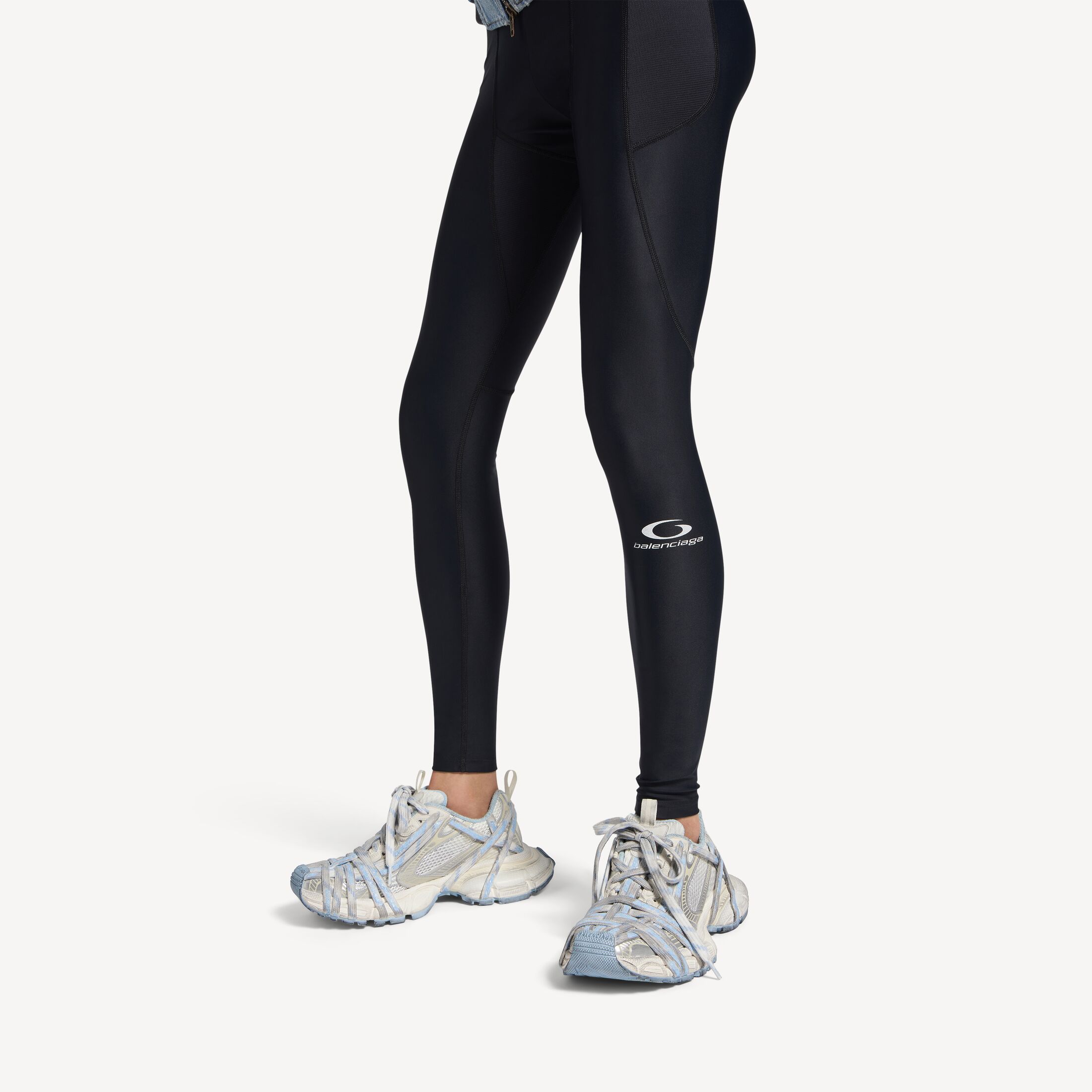
All this shows that ” new luxury ” is a game played with the audience. It’s no longer about beauty or quality in the traditional sense, but about conversation, reaction, and cultural presence. Balenciaga has realized that controversy sells better than perfection, and young people buy what everyone is talking about, not what hangs in a fashion museum. It’s hard to say whether this model will survive the next decade, but for now, this is what the pinnacle looks like.
Kenny
Luxury Reporter
for Luxury News
