




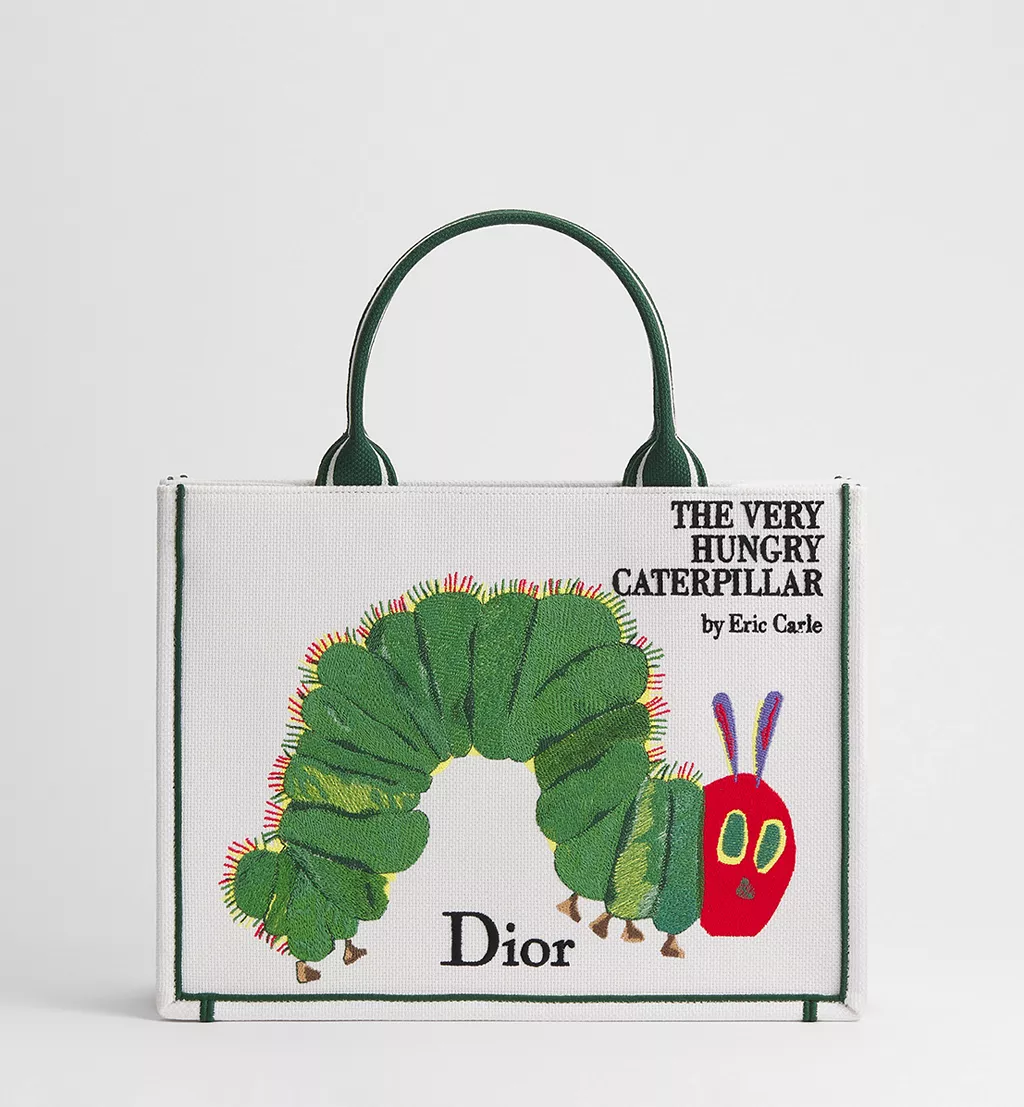
It’s not just a handbag. It’s a story you can carry on your shoulder. Can a luxury bag be a library, a cultural manifesto, and an object of desire all at once? Dior proves that it can. The latest edition of the iconic Dior Book Tote transforms classic works of literature into embroidered pieces of functional art. The fashion house now offers more than just an accessory—it offers a story, a memory, an emotion, and a certain kind of intellectual lifestyle.
This is the moment when fashion stops merely answering the question “what do we wear?” and starts asking: “who are we and what stories do we want to tell?”
From a book on the shelf to a book on the street
The name Dior Book Tote has always carried a literary association. The very shape of the bag resembled a large, elegant book trunk — spacious, rectangular, almost made for people traveling between cities, cafés, and galleries.
However, Jonathan Anderson decided to take this name literally.
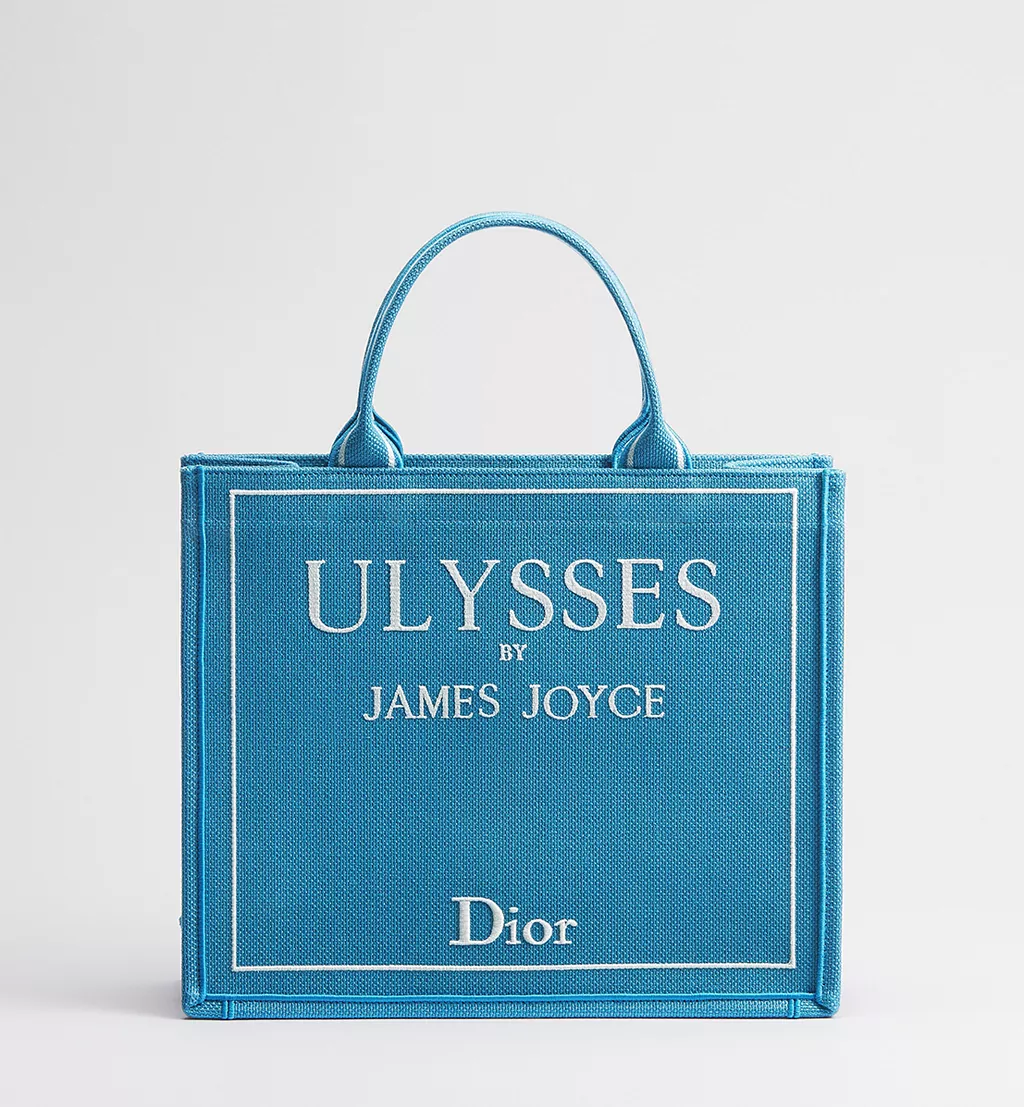
Instead of drawing subtle inspiration from the book, he created a bag that becomes a book. The surface of the model is covered with embroidery replicating classic covers of literary editions from the 19th and 20th centuries. Typography, colors, composition — everything has been treated like a collector’s reproduction.
This is not a printed quote. This is not a literary slogan. This is a visual transposition of the entire cultural symbolism of the book into the world of haute couture.
Jonathan Anderson and a new chapter for Dior
For Jonathan Anderson, literature is not a decoration. It is a tool for creating meaning.
The designer, who previously gained recognition for his experimental approach at his own brand JW Anderson and during his work for Loewe, has taken on one of the most important tasks in contemporary fashion at Dior: to merge the house’s vast heritage with the modern language of culture.
His strategy is not about creating another seasonal hit. It’s about building symbols that can be remembered for years.

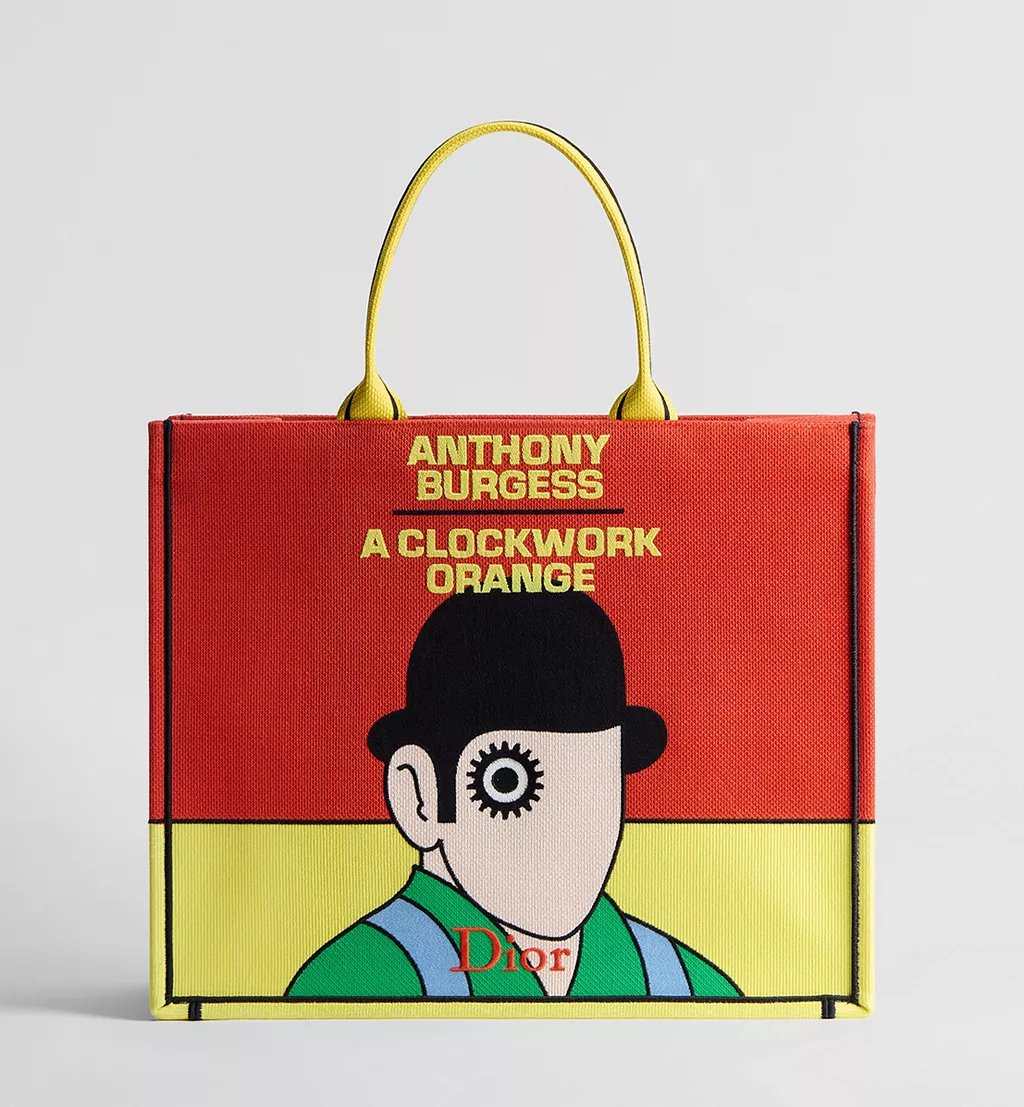
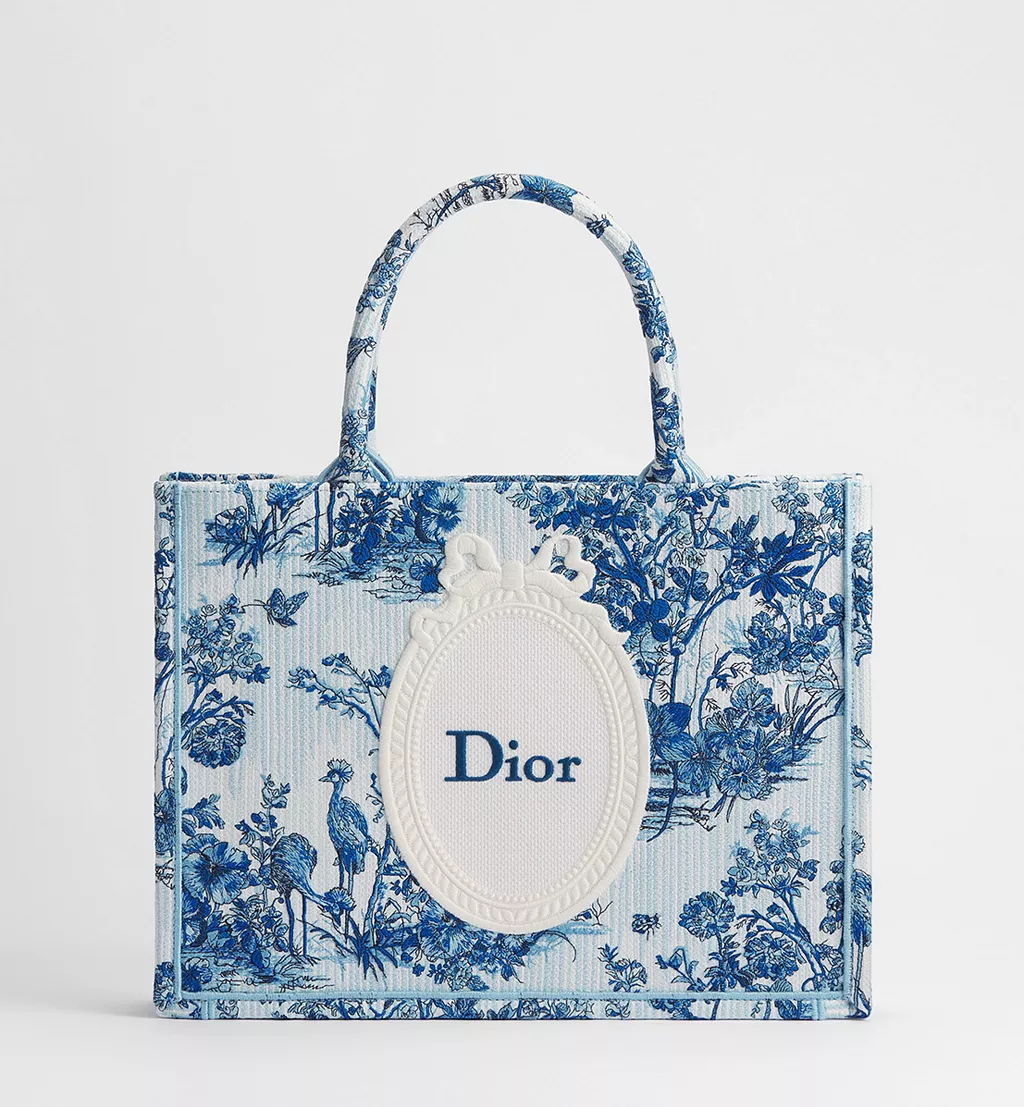
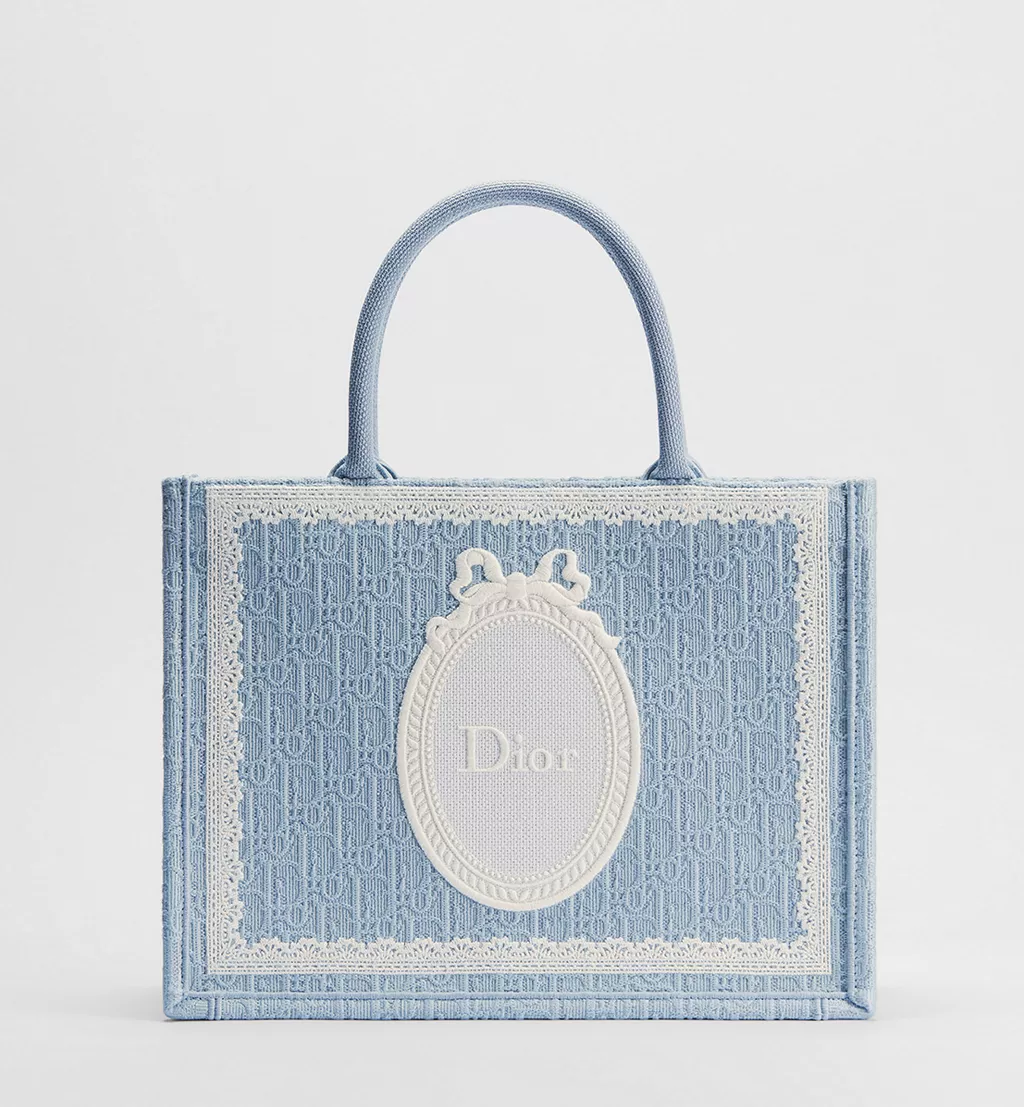
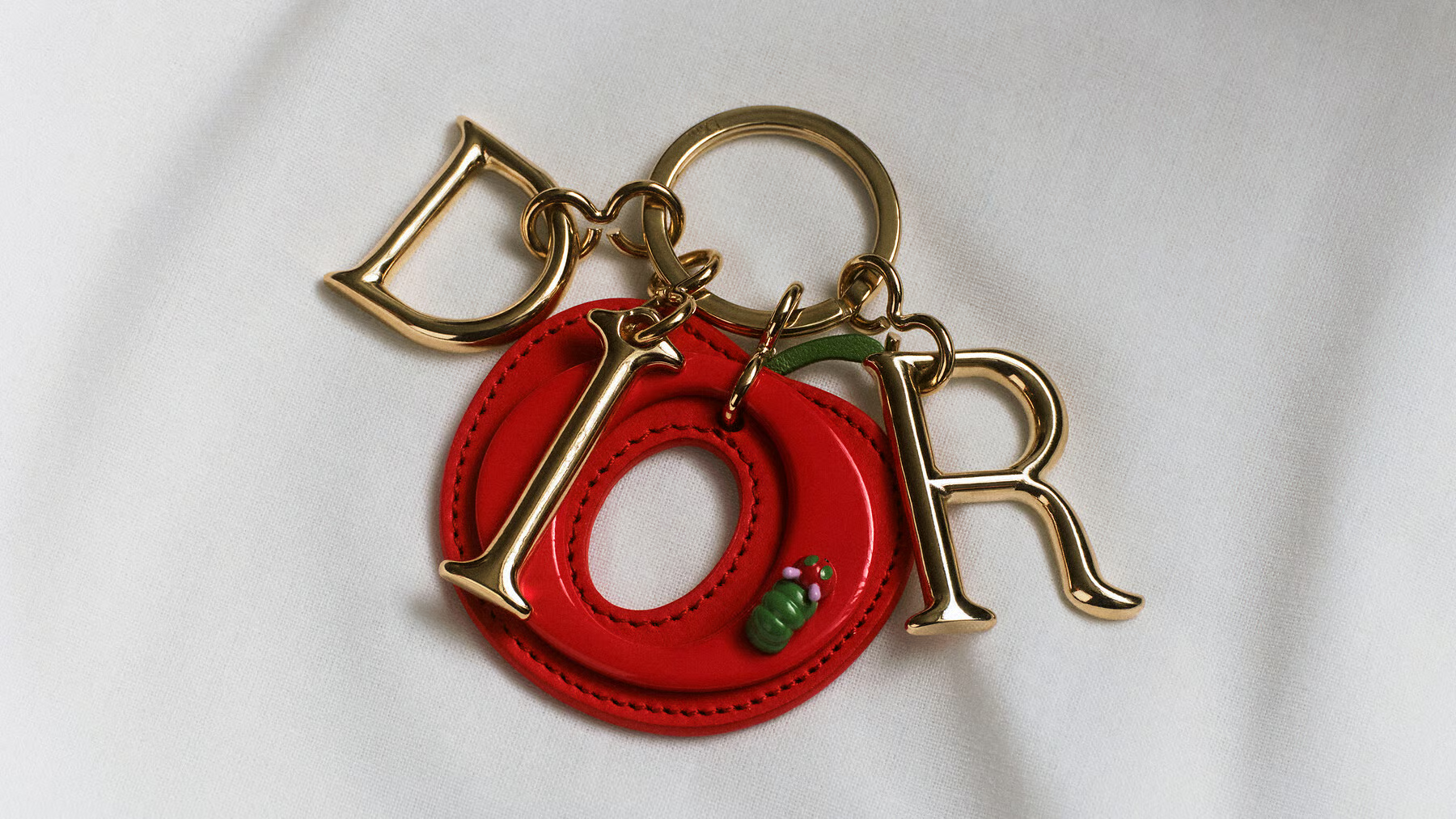
Book Cover Collection fits perfectly into this philosophy. It’s a project that says: Dior is not just fashion. Dior is part of the history of art, literature, and imagination.
Dracula, Austen, Verne — why these books in particular?
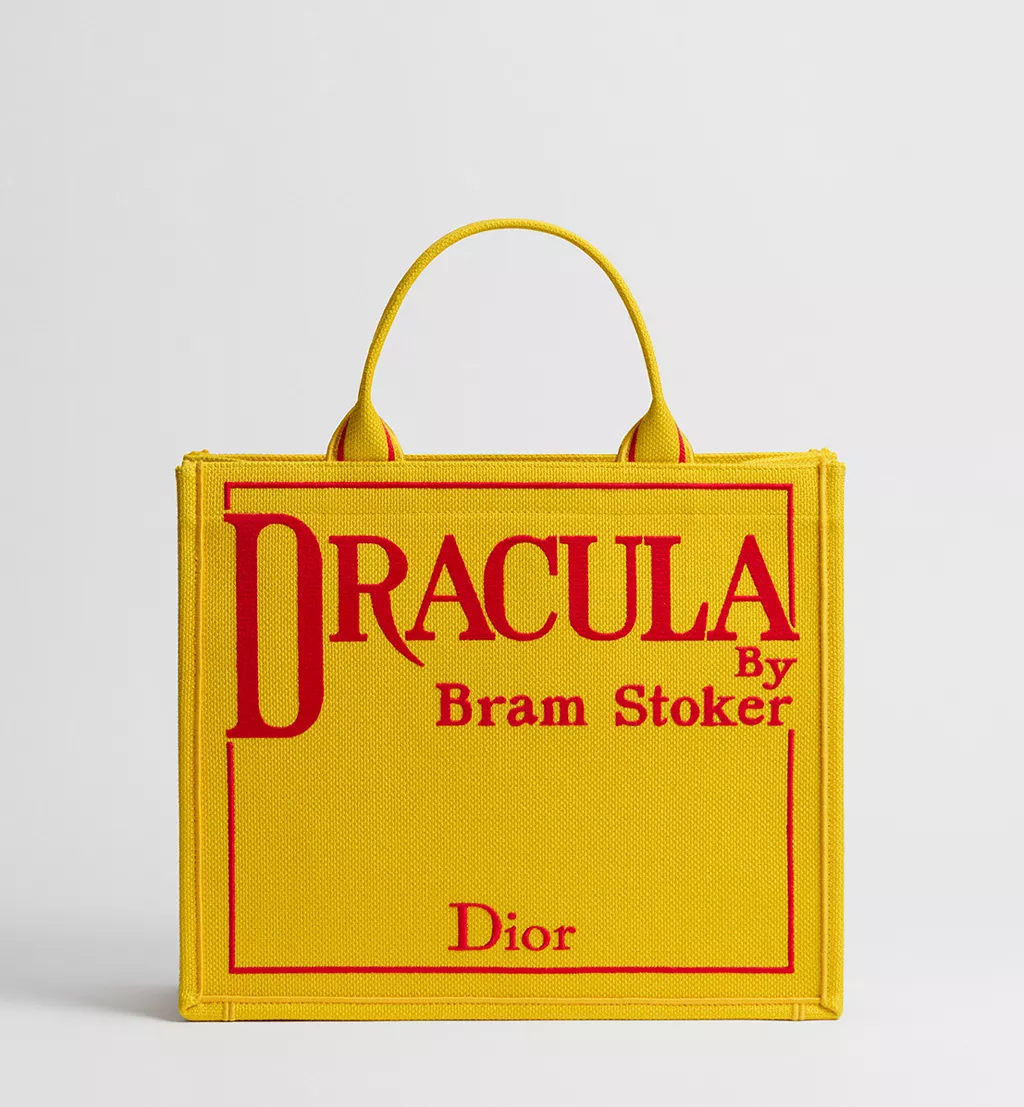
The biggest sensation was caused by the bag inspired by Bram Stoker’s “Dracula.” The yellow cover with red lettering became one of the most recognizable elements of the collection. The model quickly became a symbol of Dior’s new direction in the fashion world, and interest grew after the bag appeared with celebrities such as Rihanna.
But the choice of literature is not accidental.
“Dracula” — darkness, romance, and rebellion
This is a novel about the boundary between the known and the unknown, tradition and change. In the context of Dior, it symbolizes the courage to enter a new era.
“Pride and Prejudice” by Jane Austen — elegance and social codes
Austen has always been a story about style, class, subtle gestures, and a world where appearance spoke volumes.
“Around the World in 80 Days” by Jules Verne — a journey and curiosity about the world
It perfectly aligns with the idea of the Dior Book Tote as an item for modern travelers — people moving between cultures.
“A Clockwork Orange” by Anthony Burgess — a provocation
This is a less obvious choice. It shows that Dior does not want to be only romantic and classic. It also wants to address controversial, rebellious, and iconic themes.
Fashion or intellectual manifesto?
In the world of luxury, the battle has long been about more than just selling a product. A logo is no longer enough. The most coveted brands want to sell a worldview.
That’s why Dior chooses literature. A book is one of the last symbols of authentic culture — something personal, requiring time and commitment.
By carrying a bag featuring the cover of “Dracula” or “Madame Bovary,” the customer isn’t just saying, “I have a luxury accessory.” They’re saying, “I have a story I want to tell.”
It’s a similar mechanism that previously made clothing inspired by art, music, or architecture gain popularity.
Why is Dior investing in literature right now?
We live in an era of image overload. Social media produce thousands of new trends every day. In such a world, luxury seeks lasting things. A book is the opposite of a fleeting trend. It doesn’t become outdated after just one season. It doesn’t disappear after a single viral moment. Dior therefore uses literature as a tool for building timelessness.
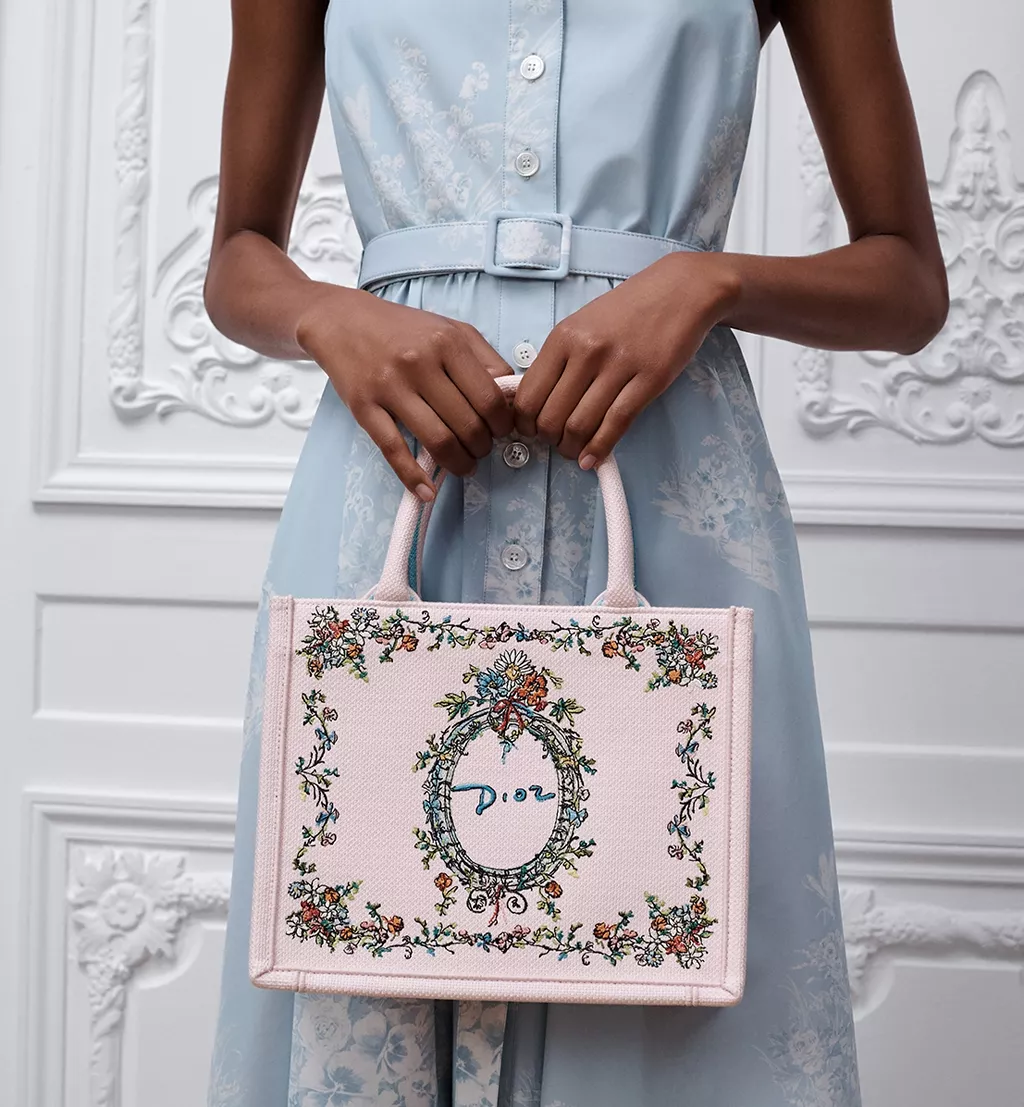
This is a highly deliberate brand positioning strategy:
- less of a “fashionable gadget”,
- more heritage,
- less consumption,
- more collecting.
Dior as a house of culture, not just a fashion house
Since the days of Christian Dior, the brand has always flirted with art. The founder of the house loved gardens, painting, architecture, and French culture. Dior has been building a world full of symbols from the very beginning. Jonathan Anderson continues this tradition, but gives it a contemporary language.
His Dior says: luxury is not just about material, craftsmanship, and price. Luxury is an idea.
That’s why the Book Cover Collection works so well in terms of communication. It’s a product you can photograph, but its true value lies beyond the picture.
A new definition of the it-bag?
Over the years, the most coveted bags have been recognizable by their shape: Lady Dior, Birkin, Saddle Bag.
Dior Book Tote offers something different. Its strength lies not only in its form. It is in its narrative.
This is a bag for times when style is increasingly intertwined with personality. We no longer just ask, “Is it beautiful?” We ask, “What does it say about me?”
And that is precisely why the literary bag by Dior may turn out to be one of the most intriguing symbols of the new era of luxury.
Because perhaps the greatest status symbol of the 21st century is no longer owning something expensive. It is owning something that has meaning.
