




The MICHELIN Guide announced this year’s MICHELIN Key 2026 selection on September 18. In the 2026 edition, 470 new establishments in 79 destinations have joined the list, and ten additional markets received distinctions for the first time. In total, the global selection now includes 2,832 hotels with a MICHELIN Key: 2,020 with one key, 657 with two, and 155 with the highest distinction of three keys.
MICHELIN Key 2026 is the hotel equivalent of MICHELIN Stars for restaurants, although the evaluation concerns a completely different type of experience. Inspectors analyze, among other things, the architecture and decor, the quality and consistency of service, the character of the property, the value for money, as well as its connection to the location. The distinction is therefore not simply a symbol of luxury. It is an attempt to highlight hotels that offer something more than just a comfortable stay.
Three keys, three levels of the hotel experience
The highest level is represented by Three Keys. This designation is reserved for the most extraordinary stays. In 2026, 18 new properties joined this elite group. Eight are located in Europe, six in Asia, two in Oceania, and one each in Africa and both Americas.
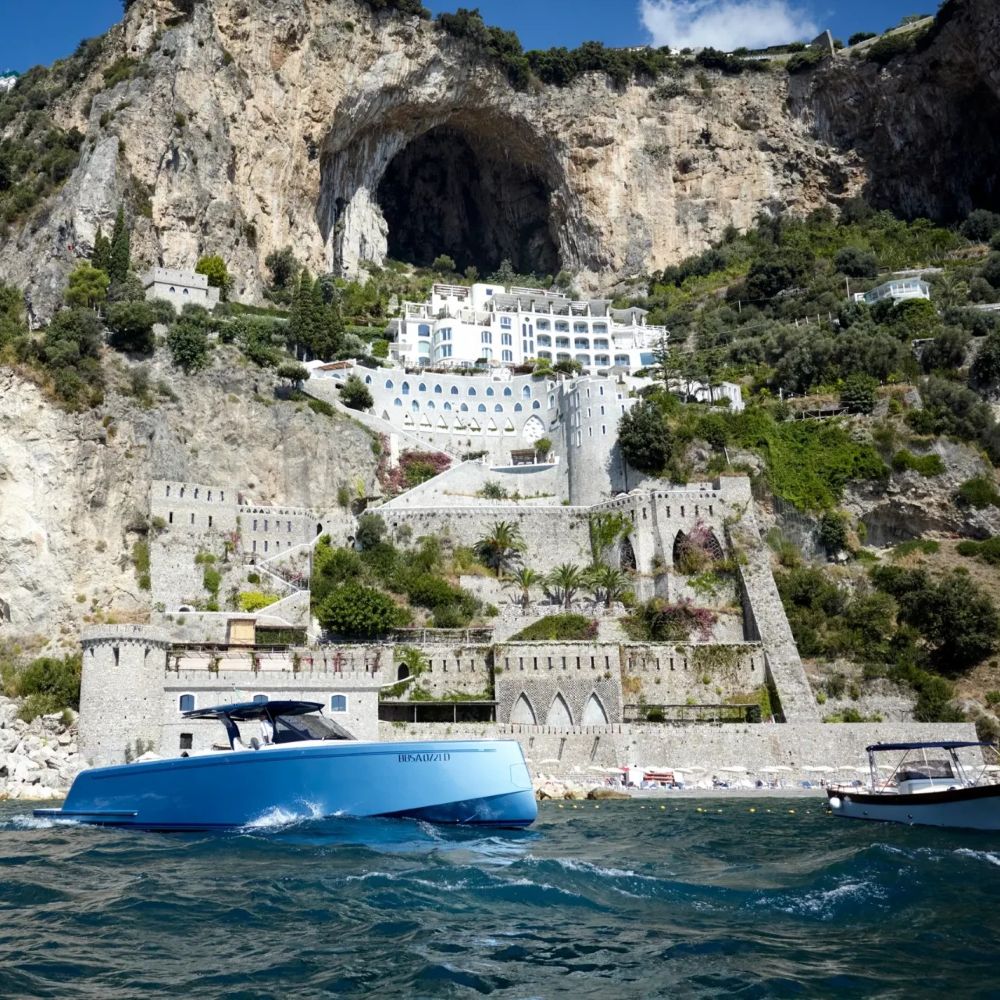
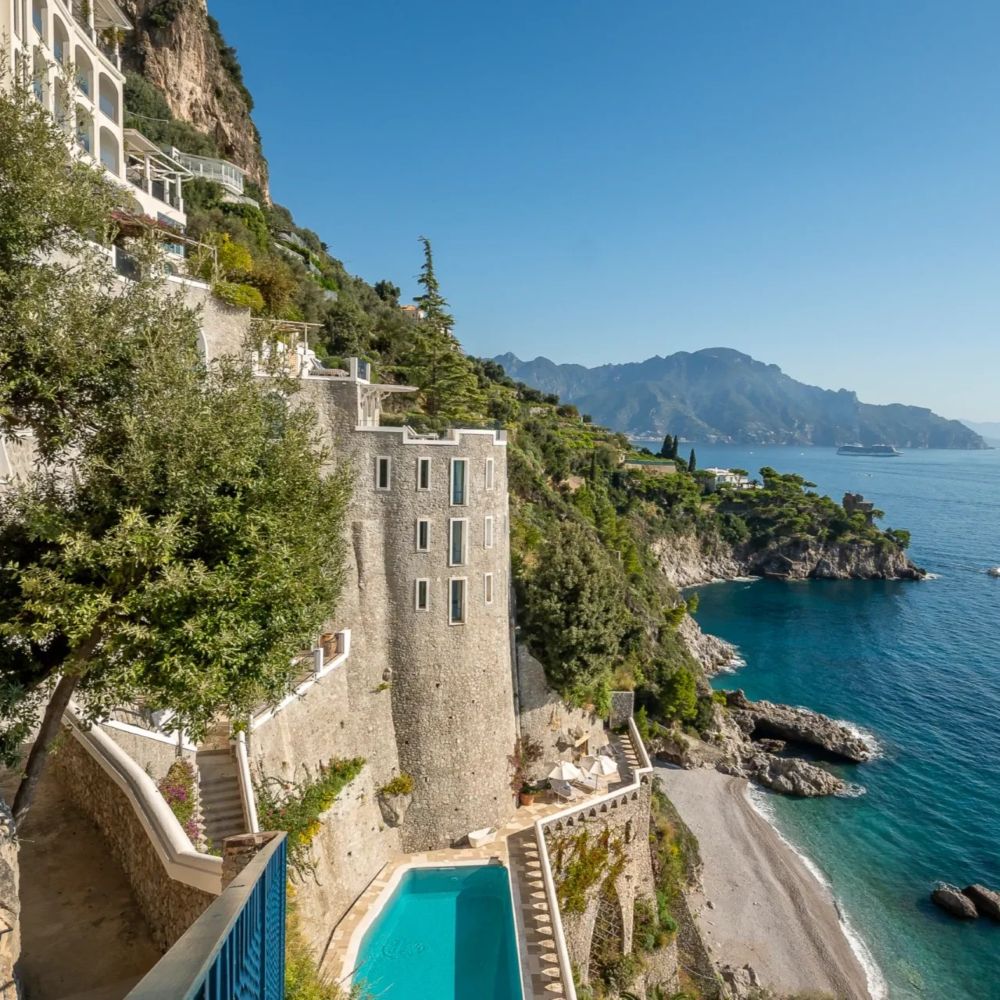
Among the newly triple-awarded hotels is Borgo Santandrea on the Italian Amalfi Coast, a modernist hotel from the 1960s that has been thoroughly renovated and integrated into the seaside cliff. In Australia, Southern Ocean Lodge on Kangaroo Island joined the ranks of the Three-Key hotels, a project that combines contemporary architecture with a spectacular oceanfront location. In Central America, the highest distinction was awarded to Nekajui, a Ritz-Carlton Reserve in Costa Rica, surrounded by tropical forest and the beaches of the Papagayo Peninsula.
According to MICHELIN, two keys signify an exceptional stay where the unique character of the place, attention to detail, and a consistently crafted guest experience are of particular importance. One key is awarded to hotels described as offering a “very special stay.” These are therefore outstanding properties that deliver more than one might expect in their price category.
Not just luxury addresses
One of the most interesting aspects of this year’s selection is its diversity. Among the distinguished properties are not only grand city hotels and exclusive resorts. Importantly, the list of awardees also includes small guesthouses, historic residences, lodges located far from civilization, glamping sites, and hotels deeply connected to the local landscape.
This is a clear sign of a shift in the way hotel luxury is defined. MICHELIN Keys 2026 highlights the growing importance of experiences that are closer to nature, intimacy, and authenticity. This year’s selection includes both properties located in city centers and places situated in almost completely isolated areas.
A good example is Shinta Mani Wild in Cambodia. Fifteen tented suites and communal spaces have been placed on elevated platforms to minimize interference with the surrounding forest. In Mongolia, meanwhile, the country’s first-ever MICHELIN Key was awarded to Ayan Zalaat, located in a protected valley on the outskirts of Ulaanbaatar.
Europe remains the largest MICHELIN Key region
The highest concentration of distinguished hotels is located in Europe. This year’s selection includes 1,338 of them, and the region itself has gained 194 new distinctions and promotions. Among the countries debuting in the system are, among others, Slovakia and Liechtenstein.
Italy remains the leader with 224 Key hotels, followed by France with around 220. The United Kingdom has 131 distinguished properties, and Germany has 130.
Among the European newcomers, Les Sources de Vougeot in Burgundy also stands out—a hotel set in a former monastery building. Its historic cellars have been adapted, among other things, as a space for the spa. In Liechtenstein, the first MICHELIN Key was awarded to the family-run Park Hotel Sonnenhof in Vaduz, distinguished by its Alpine location and signature culinary program.
New directions on the hotel map
This year’s edition also shows that MICHELIN is taking an increasingly broad view of the global hotel industry. The first keys were awarded in 2026 to hotels in, among others, Armenia, Benin, Botswana, Kazakhstan, Liechtenstein, Mongolia, Myanmar, Rwanda, Slovakia, and Zimbabwe.
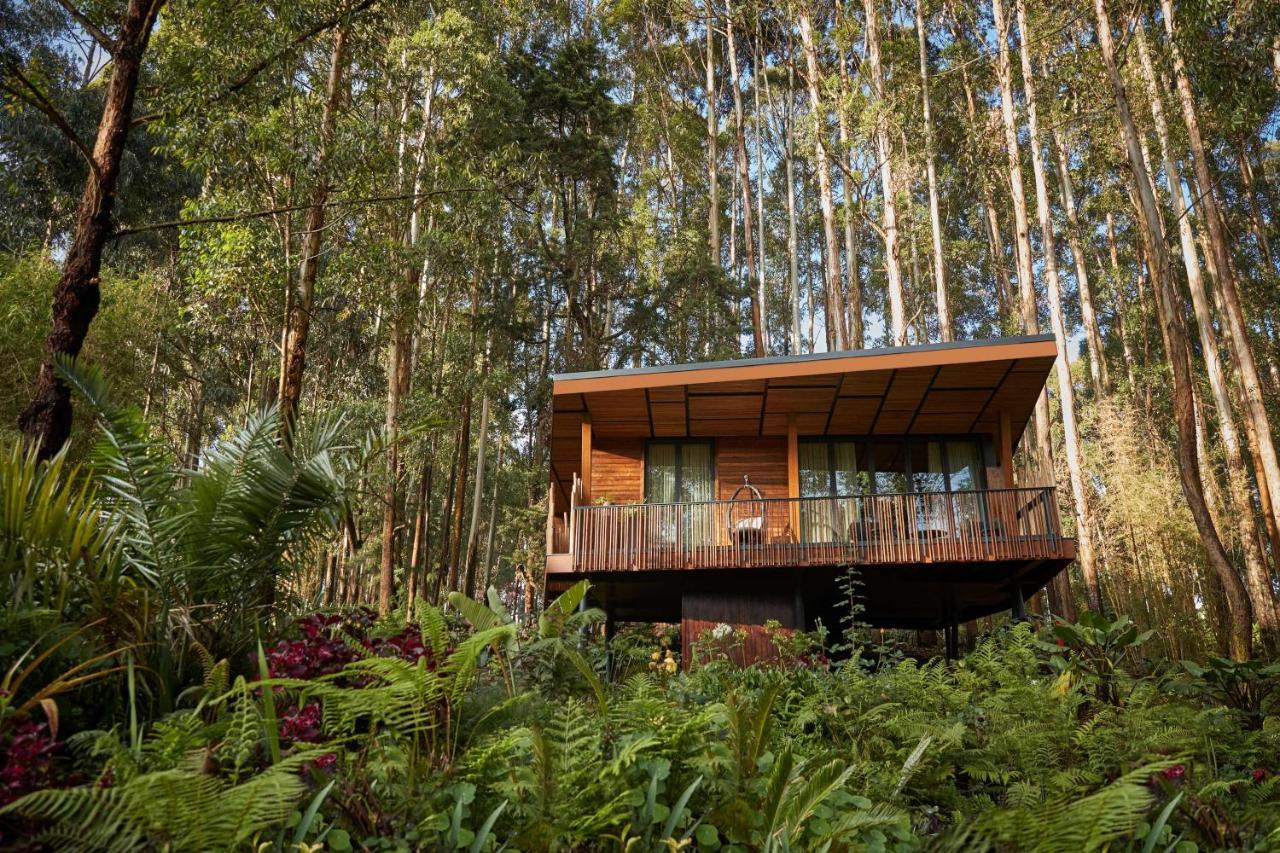
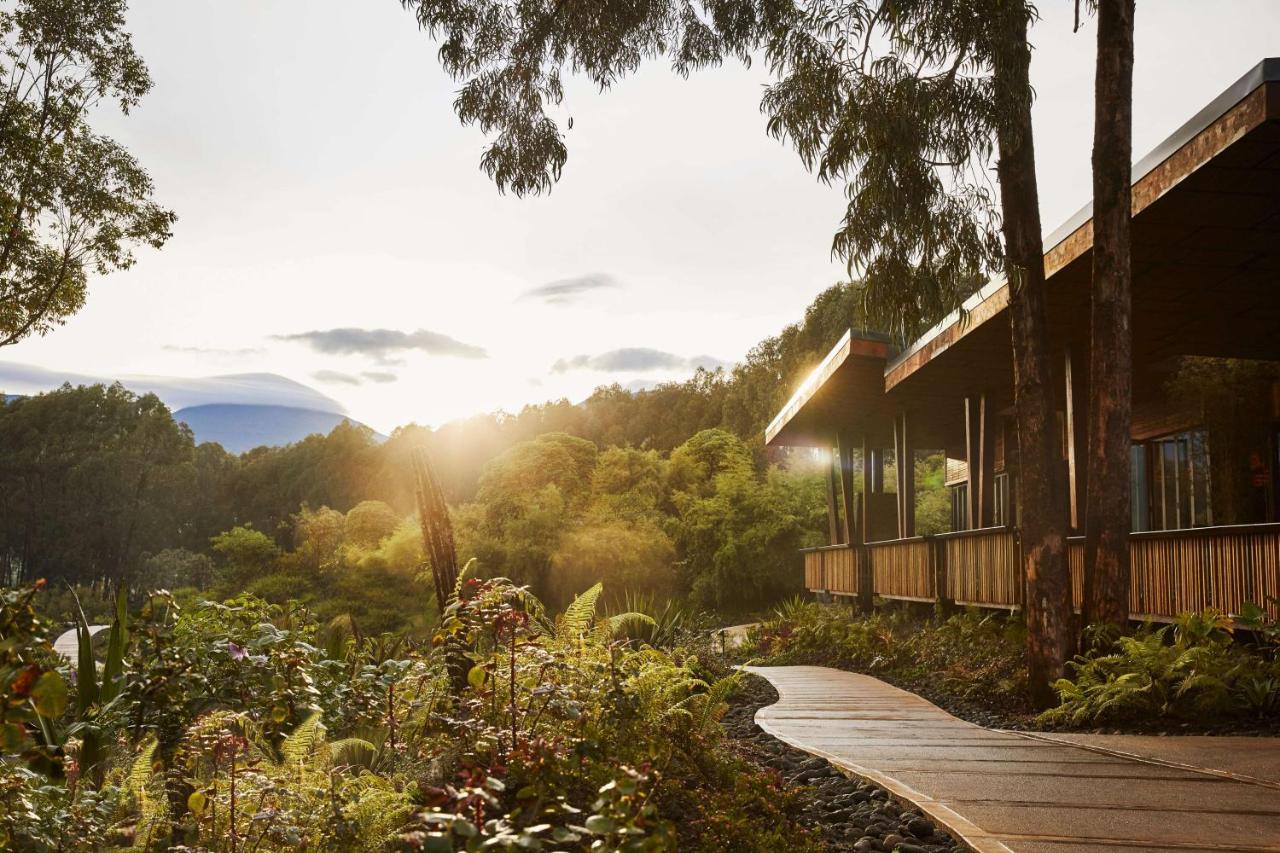
In Africa, the number of distinguished hotels has increased to 113. The new Three-Key award went to Delaire Graff Estate in Stellenbosch, South Africa—a combination of hotel, wine estate, and contemporary art collection. Meanwhile, in Rwanda, MICHELIN highlighted One&Only Gorilla’s Nest. Its location at the foot of the Virunga Mountains allows for expeditions focused on observing mountain gorillas.
A hotel as part of the journey, not just a place to stay
This year’s selection shows that MICHELIN is increasingly defining a hotel by the entire guest experience. It’s not just the room, the restaurant, or the level of service that matters. Architecture, surroundings, local culture, and the way the property allows guests to discover the destination are also essential.
In 2026, MICHELIN once again awarded four special prizes: Architecture & Design, Wellness, Local Gateway, and Opening of the Year. This further highlights the direction in which the hotel section of the guide is evolving. From classic quality assessment towards a more comprehensive perspective on contemporary hospitality.
The MICHELIN Key is only a few years old, but it has quickly become one of the most important benchmarks for the hotel industry. The latest edition also shows that the world of the best hotels is no longer limited to the most famous addresses. Increasingly, attention is drawn to intimate, remote places, architecturally bold, and deeply rooted in their surroundings. This very diversity is now one of the most fascinating features of the global hotel scene.
