




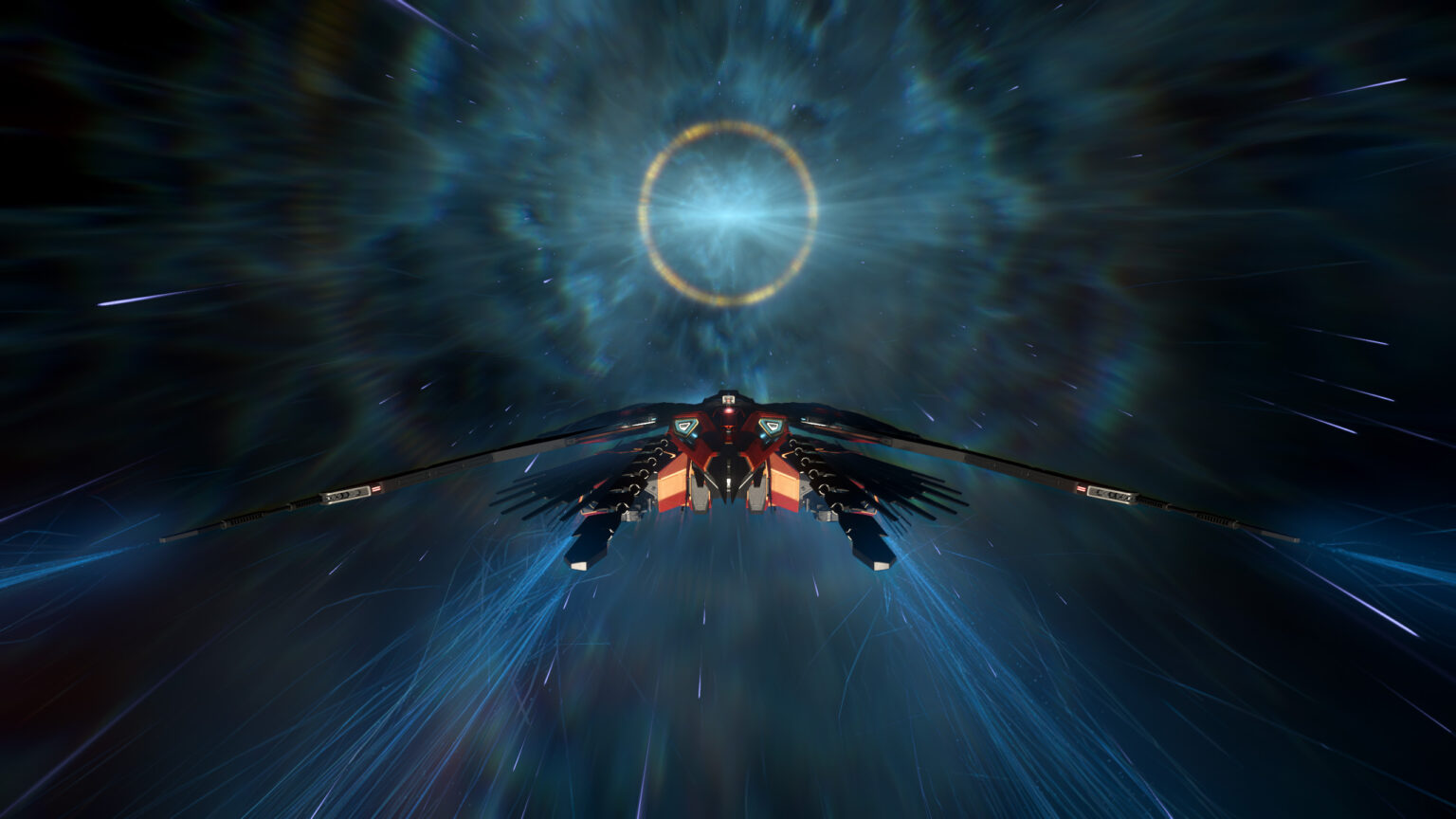
Star Citizen is a luxury that exists only on the other side of the screen. A five-thousand-dollar ship that doesn’t exist yet. A game that still doesn’t have a final version, in which players buy ship designs for thousands of dollars. A project that has raised over a billion dollars from players and still hasn’t been released. A new kind of prestige that you can’t show off at the office or in a meeting with a client, as you can with luxury clothes or a watch.
You can buy a handbag for several thousand dollars, a watch for the price of a car, or a car worth more than an apartment. In the world of luxury, it has long been known that you’re not just paying for function. What matters are the brand, history, rarity, design, prestige, and the ability to show that you belong to a certain world. Now, these same mechanisms are increasingly making their way into gaming. The most spectacular example is Star Citizen. A game that has created its own digital luxury economy.

In May 2026, Star Citizen surpassed one billion dollars in community funding. At the same time, the developers offered a new concept ship for around $5,000, even though its finished version was not yet available in the game. Thus, a player can pay thousands of dollars for something that is, above all, a promise of the future. A virtual future.
In Star Citizen, you can purchase so-called concept ships—vessels that are still in the design or production phase. Until they are completed, the owner may receive a substitute ship.
In the traditional economy, a product is created first and then sent to the store. Here, the order is reversed. First comes the vision, then the community’s money funds its development. Only later does the final item come into being. This is surprisingly reminiscent of luxury, where you may also wait a long time for an exceptional car, watch, or piece of jewelry, and scarcity becomes part of the value.
A digital fleet more expensive than a luxury handbag
Prices show that this is not just a game with expensive add-ons. Some ships cost thousands of dollars. However, in the history of the project, there have been packages worth tens of thousands. The famous Legatus Pack cost $48,000 and included a huge collection of ships and other items. And some players decided to spend that much money to park the most prestigious ships in their garage… I mean, hangar.
This is an amount that allows you to enter a very high level of the luxury watch, jewelry, car, or handbag market. The difference is that you can’t park a digital yacht in front of a restaurant or wear it to a business meeting.
And this is where the most interesting change occurs. The realm of luxury is expanding. For decades, luxury was something we displayed outwardly — a watch on the wrist, a handbag, a car, a suit, or jewelry. It was a part of our physical image, visible on the street, at the office, at a party. Digital luxury can be completely different. We can own items that we never show anyone in the physical world, but which become important symbols of our status in the virtual world.
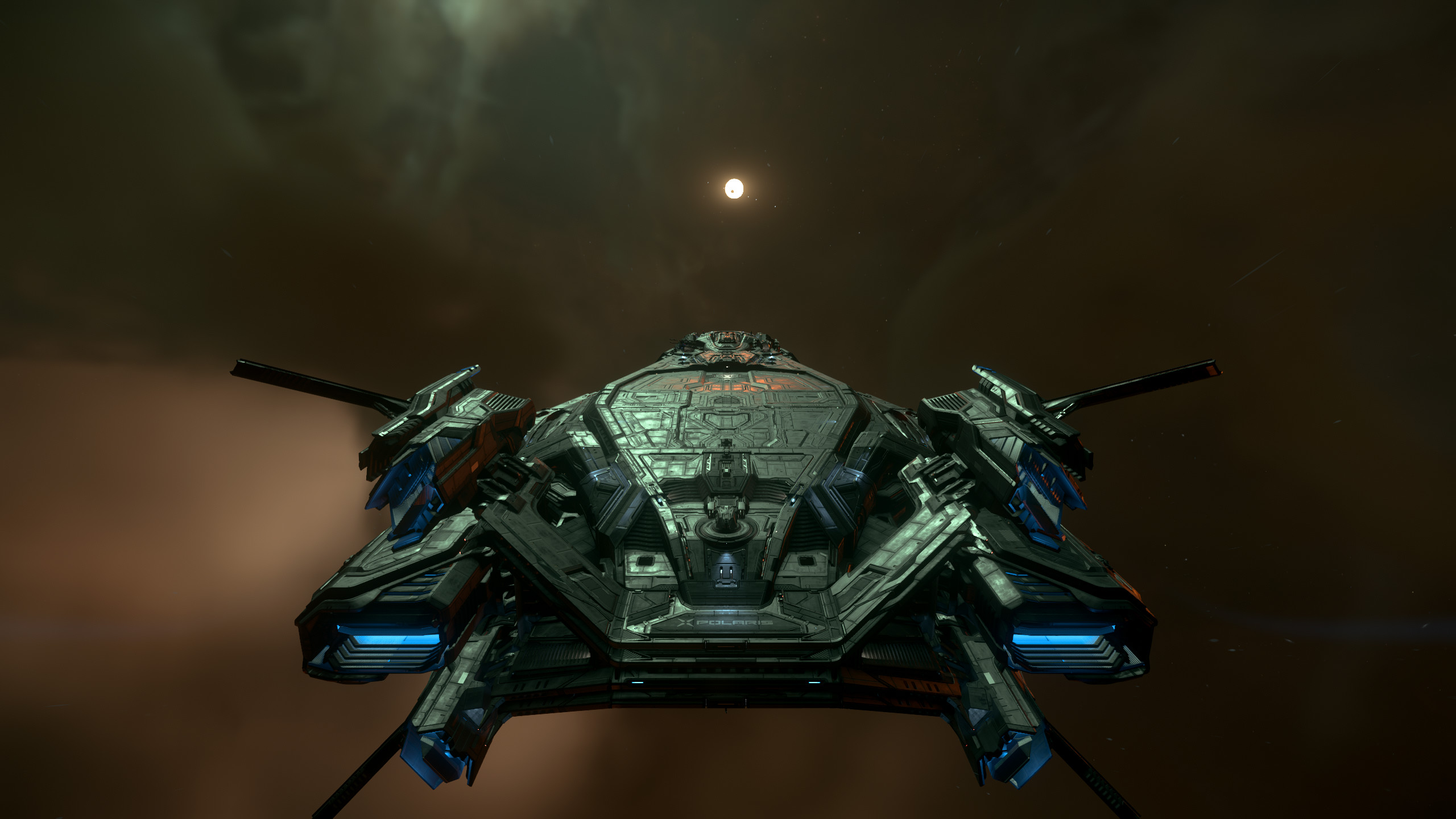
You can have a luxury watch that your colleagues see, and a luxury ship that is only seen by people you meet in the game. One exists in the space of social reality, the other on the player’s account, in their hangar, and within a community that understands the value of a particular model. Luxury does not disappear. It simply changes its place of display.
Not just a ship. Also status
In Star Citizen, money can build not only a fleet but also status. The Concierge Program introduces additional tiers based on spending, and at the highest thresholds, special titles and rewards appear. The Legatus Navium level is associated with spending around $25,000. Digital wealth thus begins to serve a similar function as a collection of watches or cars. It’s not just about utility. It’s about what the owned item says about its owner.
The ship is part of a larger story. It can define the player’s role, ambitions, play style, and place within the community. A large cruiser or destroyer becomes the digital equivalent of a yacht, car, or private jet. The owner is not just buying a vehicle. They are buying the opportunity to play a specific role.
Luxury moves behind the screen
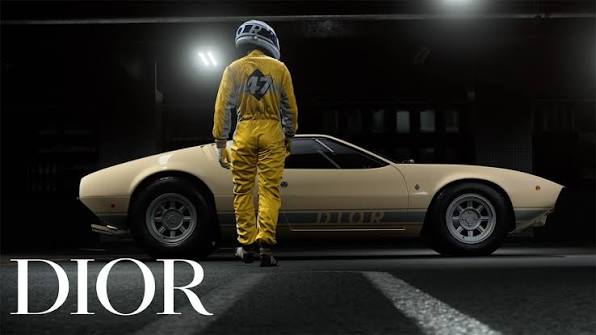
This mechanism is also well understood by luxury brands. Louis Vuitton collaborated with League of Legends, Dior appeared in Gran Turismo 7, Balenciaga created its own world, Afterworld, and then entered Fortnite. Gucci developed digital fashion and experiences on Roblox.
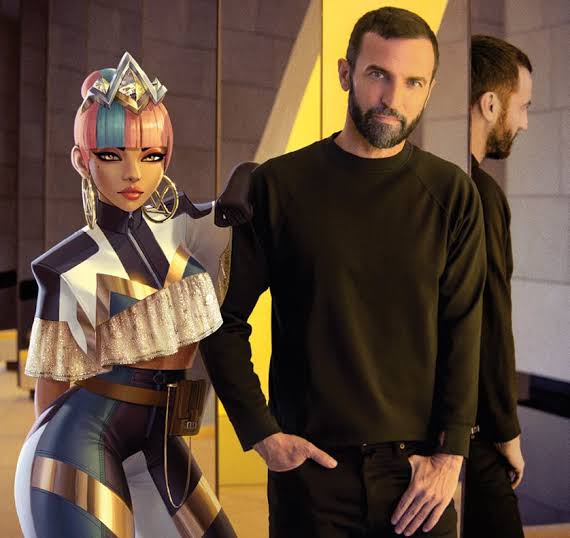
Fashion houses are increasingly less likely to treat games solely as an advertising channel. They are beginning to see them as another space where they can build both brand and consumer identity.
Star Citizen does something even more radical: it doesn’t transfer existing luxury into the game, but builds luxury from the ground up in the digital world. Its ships have design, history, limited availability, pricing, status, and a community that gives them meaning. These are exactly the same ingredients that have defined the value of luxury goods for decades.
Phenomenon or the future?
Of course, Star Citizen remains a controversial project. After more than a decade of development, it is still in an alpha stage, and its technical condition regularly draws criticism. In August 2026, the media once again highlighted issues shown during a developer livestream. Nevertheless, the game’s economy remains a fascinating experiment.
Perhaps in a few years, spending thousands of dollars on a digital item will still be considered extravagant. Or perhaps it will become as natural as buying a luxury watch. However, the most important change will happen elsewhere. Luxury is no longer confined solely to the world we see.
We can have a watch on our wrist, a car in the garage, and a handbag in the closet. But we can also have a second, entirely digital wealth: clothes, cars, apartments, or spaceships that no one will ever see on the street or in the office. They will only be visible when we log in to a specific world. And for a particular community, they can mean just as much.
Star Citizen thus shows not only the future of gaming. It also presents a possible future of luxury: a world in which the question “what do you own?” will increasingly have two answers. The physical one, and the one we find on our in-game account.
