




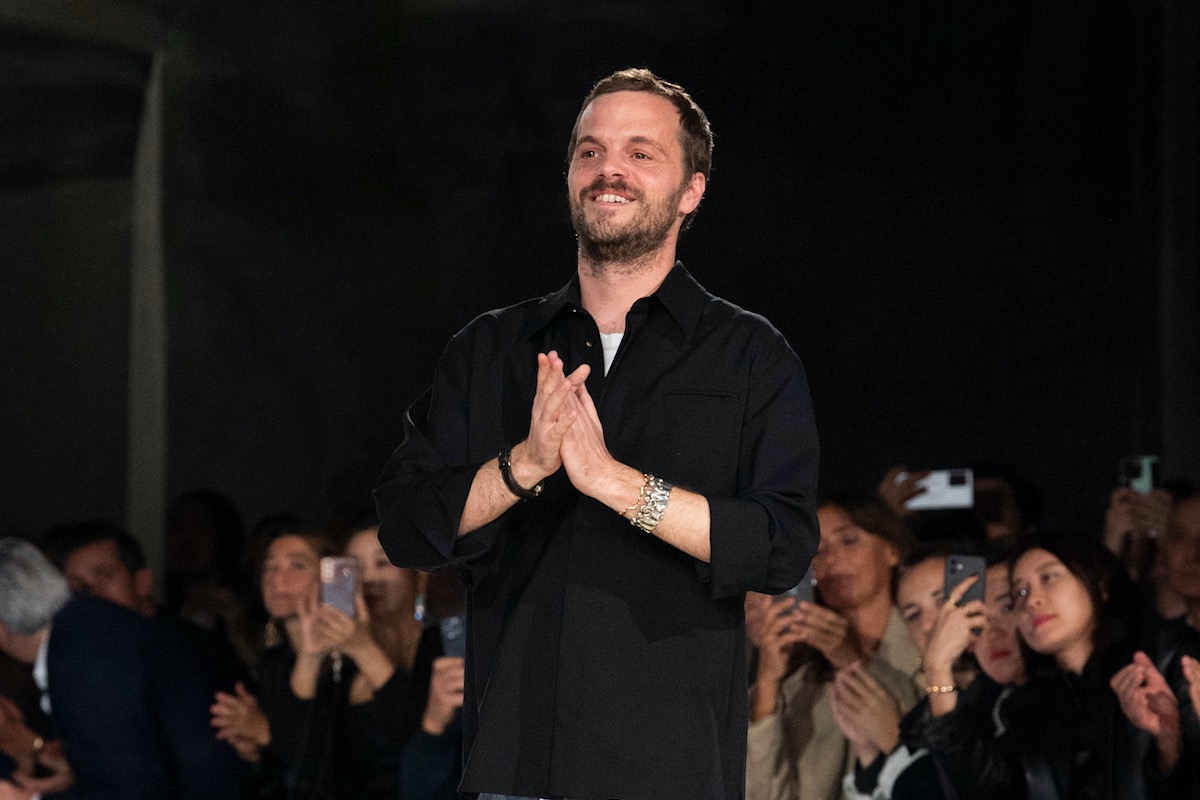
Until recently, Chanel seemed like an untouchable brand, yet at the same time surprisingly quiet. The fashion house that had defined elegance and set the pace for the entire industry for decades began to operate more like a perfectly managed institution than a fashion empire that stirred emotions. Tweed jackets continued to sell brilliantly, the prices of iconic handbags rose faster than inflation, and the shows attracted crowds of celebrities. The problem was that fashion had stopped dreaming about Chanel. But Matthieu Blazy never stopped dreaming…
And then Matthieu Blazy appeared…
For the industry, his nomination was more than just another change of creative director. It was meant to be a breakthrough moment. After years of aesthetic safety, Chanel needed new energy—not a revolution for the sake of provocation, but a designer who would restore imagination to the brand. Blazy seemed like the perfect candidate.
The French-Belgian designer had long been regarded as one of the greatest perfectionists in contemporary fashion. He did not build a celebrity legend around himself, did not provoke scandals, and did not promote his own name more loudly than his collections. In a world of big egos, he was more of a quiet architect of luxury. It was thanks to his work for Bottega Veneta that he gained the status of a designer beloved by the industry. He was able to create luxurious pieces without ostentation. Under his direction, fashion looked rich but never heavy. It was intelligent, modern, and surprisingly human.
…That’s exactly what Chanel started to lack
After Karl Lagerfeld’s departure, the brand entered a period of calm continuity under the leadership of Virginie Viard. The problem was that luxury without tension quickly becomes predictable. Critics increasingly wrote that Chanel today resembles more of a premium corporation than a fashion house defining culture. The collections were accused of being conservative, and the aesthetics — of lacking freshness. Even loyal clients began to speak of fatigue.
Financial results only partially masked the problem. When the global luxury market began to slow down, Chanel also felt the slowdown. The industry started asking a question that just a few years earlier no one would have dared to voice aloud: does Chanel still set the direction, or is it now merely living off its own legacy?
Blazy’s debut was meant to dispel these doubts — and he did so faster than many expected.
The first show sparked a reaction that Chanel hadn’t seen in a long time. At the Grand Palais, the spectacle, the emotion, and the sense of being part of something important returned. Critics wrote about a “return of magic.” But the most interesting thing was that Blazy didn’t try to copy Lagerfeld. He didn’t recreate the archives or build on nostalgia. Instead, he deconstructed Chanel’s DNA and put it back together in a new way.
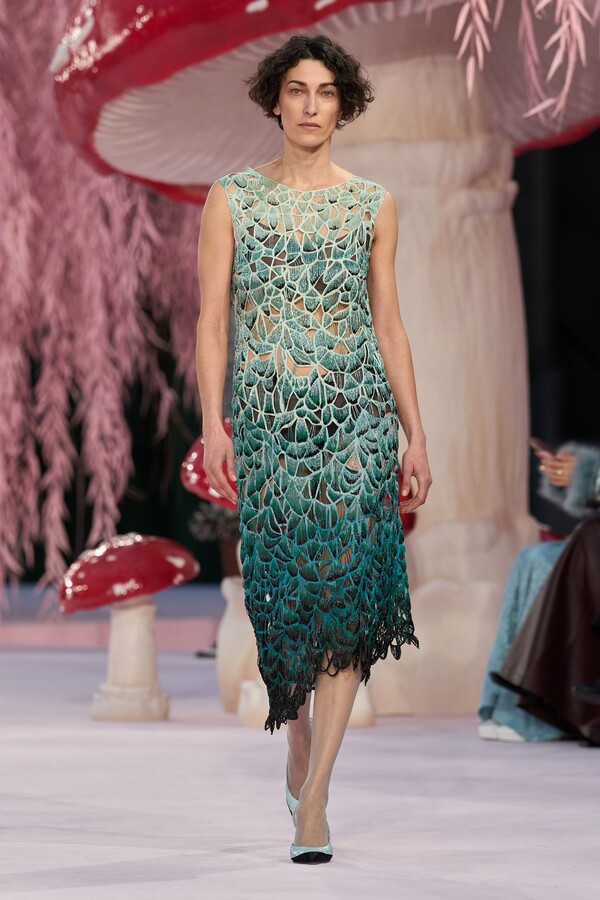
Tweed suddenly became soft and fluid. Suits took on a more nonchalant character. The silhouettes appeared more relaxed, as if luxury had finally stopped striving for perfection. The clothes began to come alive in motion. Even the brand’s classic elements looked less ceremonial, more contemporary.
This lightness, this airiness
The designer is clearly steering Chanel away from the rigid luxury associated with the perfectly styled client sitting in the front row of haute couture shows. His Chanel is more everyday, more natural, and decidedly younger. However, it’s not about cheap “youth marketing,” but rather about shifting the brand’s energy. The collections have featured new faces, more authentic castings, and silhouettes that don’t look as if they were created solely for the red carpet.
Matthieu Blazy is change
The industry quickly picked up on the new narrative. Vogue wrote about “the most exciting Chanel in years,” and commentators began to talk about the possible beginning of a new era for the French fashion house. On social media, something appeared that Chanel had been lacking for a long time — genuine interest from a younger generation of fashion enthusiasts.
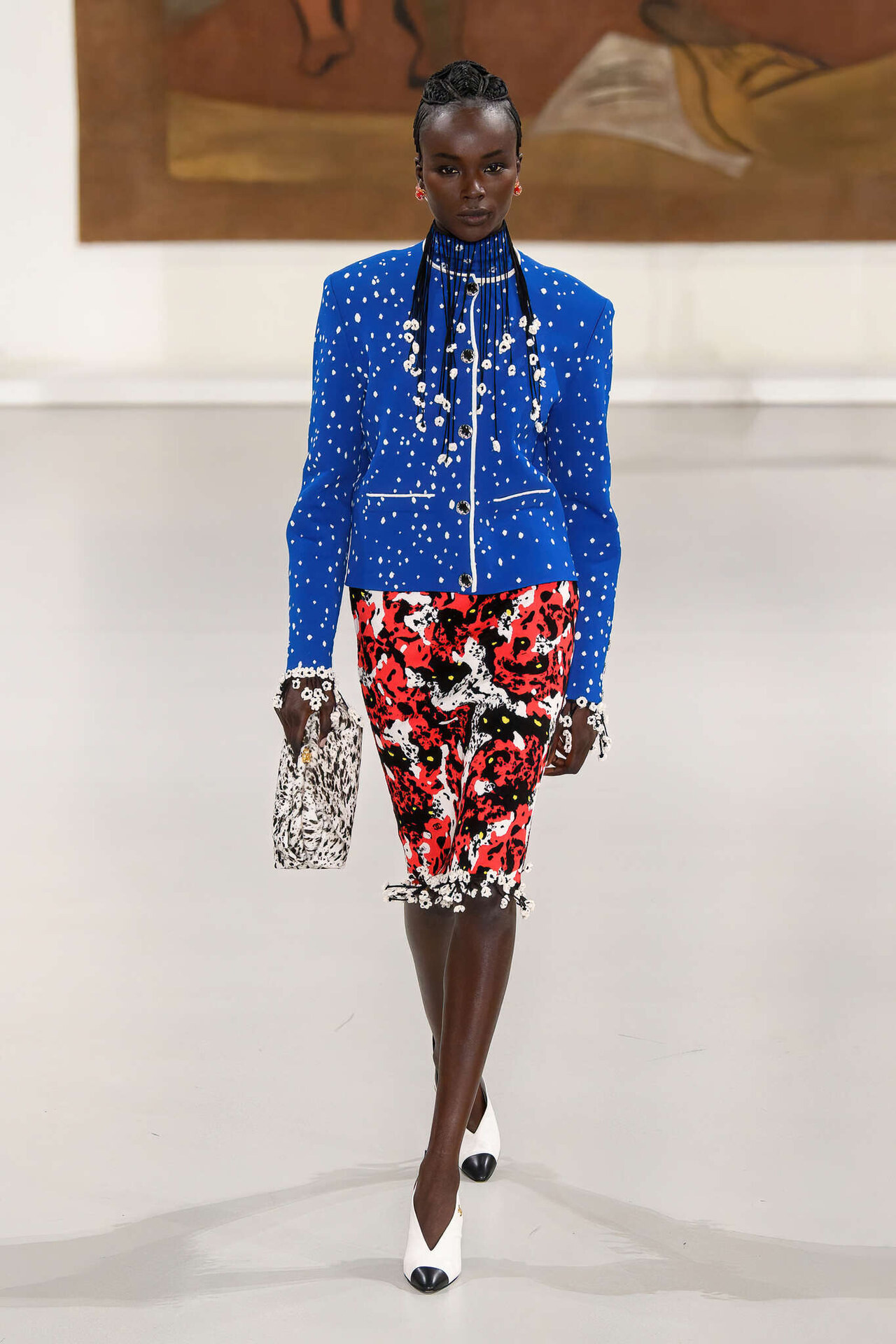
Of course, not everyone is thrilled. Some long-time clients feel that the new Chanel is becoming too trendy, too casual, and less classic. Some miss the old elegance. The more refined femininity characteristic of the brand’s earlier years. But this is precisely the paradox of luxury: a fashion house that doesn’t divide anyone very quickly ceases to excite anyone.
Blazers divide and provoke questions… reflections…
His strategy is not about fighting or wrestling with the legacy of Chanel. That’s why he is actively restoring the brand’s cultural power. It’s a subtle but fundamental difference. The designer isn’t trying to turn Chanel into a streetwear brand for the TikTok generation. Instead, he is building a modern luxury based on emotion, quality, and imagination.
And perhaps that is precisely why the entire fashion world is watching Chanel so closely today.
Because for the first time in a long while, it’s not just about selling another handbag. It’s about the question of whether one of the world’s biggest fashion houses can still truly define the future.
And Matthieu Blazy looks today like someone who can design that future.
