




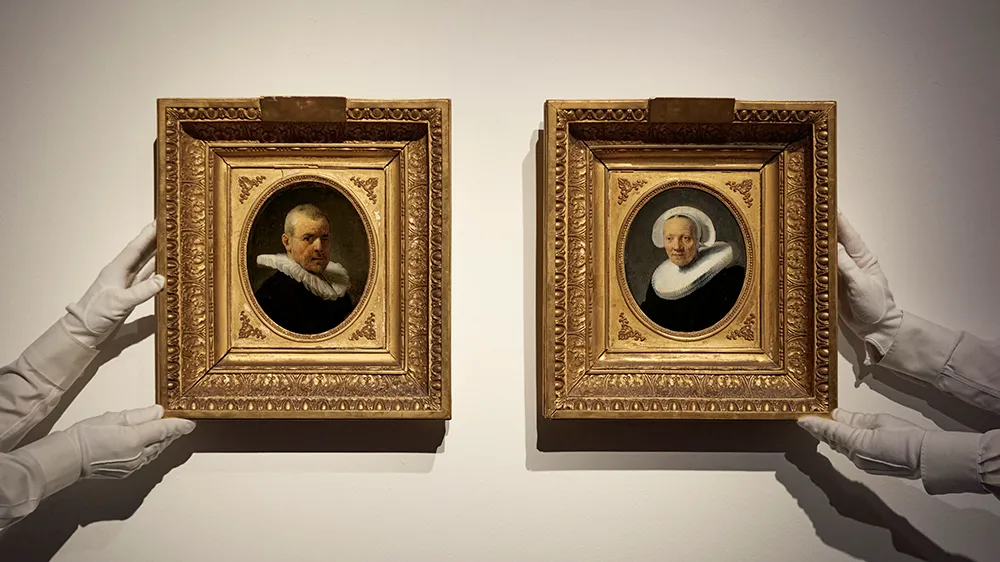
The world of antique paintings is a realm where time is not a limitation, but a value in itself. Every work that has survived the centuries carries not only the aesthetics of its era, but also the history of its owners, journeys, and market decisions that have shaped its current status. In this world, there are no random transactions—only encounters between collectors, institutions, and auction houses that for centuries have set the standards for what is considered the highest form of investment and cultural art. Which are the most renowned auction houses?
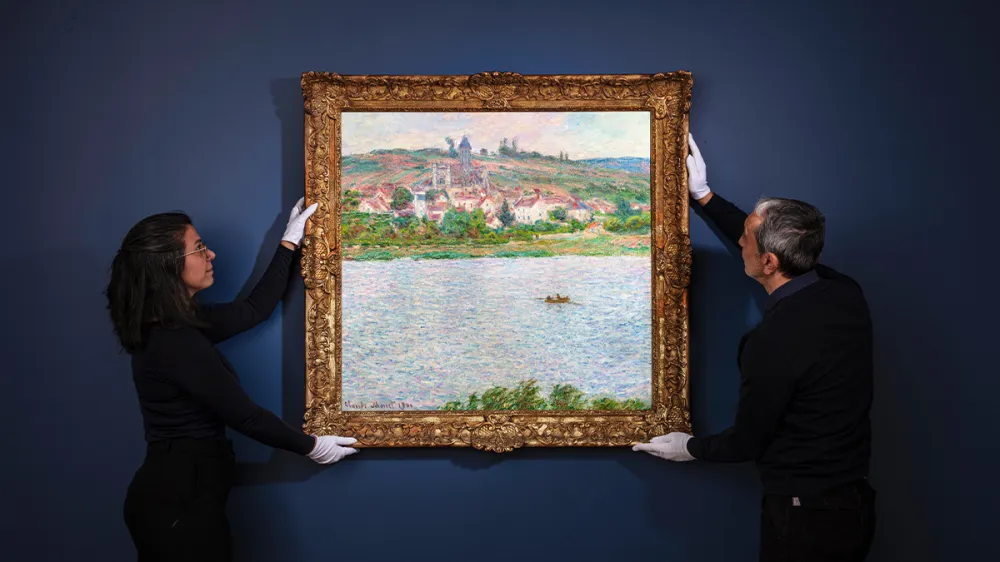
It is the auction houses that serve as the gateway through which paintings and antiques move from private residences, museum deposits, and forgotten collections to the global market, where their value is constantly redefined.
The antique painting as an object of prestige and history
An antique painting is not just an ordinary decorative object. In the world of collectors, it serves as a vessel of cultural memory. Often, it is older than the countries in which it is sold today. In market practice, it primarily refers to old paintings known as Old Masters. These are works created from the late Middle Ages to the early 19th century. However, in a broader sense, it also includes 19th-century academic painting and early modernism.
Not only age, but also authenticity, provenance, and condition are of great importance. An antique painting that has passed through the hands of aristocratic collectors, has been part of significant European collections, or has featured in historic auctions attains the status of an object of exceptional cultural value. In this segment of the market, price is not merely a result of demand. It is also a reflection of history.
The auction market as a stage for global prestige
The secondary art market, meaning the sale of already existing works, emerged in Europe between the 17th and 18th centuries. Since then, it has been one of the most exclusive segments of the cultural economy. Today, auctions are held in several global centers—London, New York, and Hong Kong. These cities serve as the world capitals of art trade.
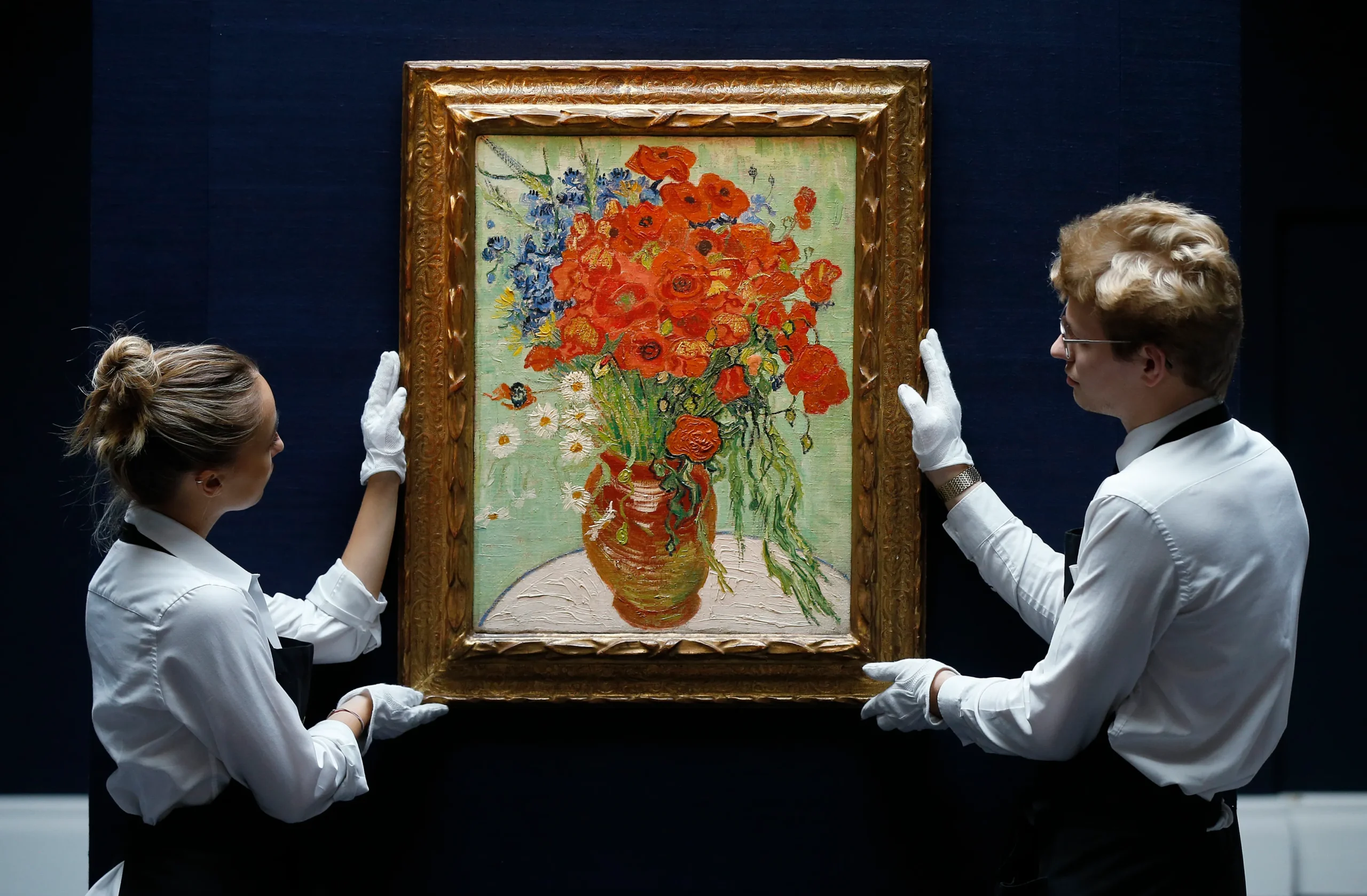
In this system, auction houses serve not only as intermediaries but also as institutions that create value. They determine the estimates, select the works, and provide them with a historical context, which often matters as much as the artwork itself.
Christie’s – a synonym for global luxury
Christie’s is one of the oldest and most influential institutions in the art market, founded in 1766. For over two centuries, it has remained a symbol of top-tier collecting. Its auctions, meanwhile, are events of global significance, broadcast and followed by collectors, investors, and museums.
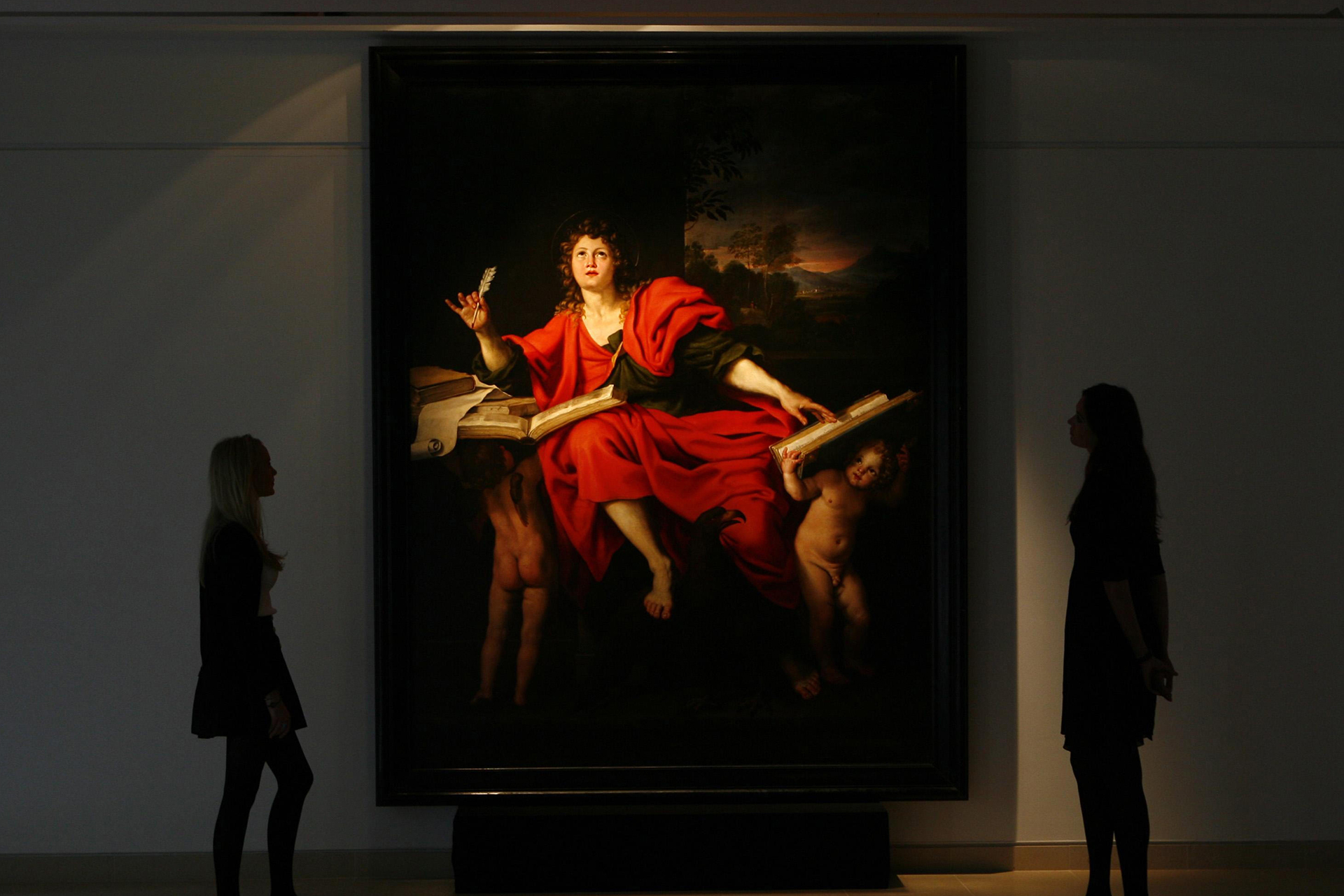
Christie’s has built its reputation on the sale of works by the most important masters of painting. From old European schools to modernism and contemporary art. Its history includes transactions that have repeatedly redefined the boundaries of the market, including sales of works by Klimt, Picasso, and Kahlo. One of the significant Christie’s auctions dedicated to old art is the “Old Master & British Paintings Evening Sale” in London, where paintings by old masters such as Rembrandt and Constable were sold.
For example, in one such auction, the main work was John Constable’s painting The Lock. The painting achieved a record price. Meanwhile, the entire evening brought in over 85 million pounds and attracted collectors from all over the world.
Sotheby’s – a tradition that sets records
Sotheby’s was established even earlier than Christie’s. As early as 1744, it began a journey that over the years transformed it into one of the two absolute leaders of the global auction market. While Christie’s represents elegance and continuity of tradition, Sotheby’s is associated with the dynamism of records and spectacular auctions.

This is where some of the world’s most expensive paintings are sold, with prices reaching hundreds of millions of dollars. Sotheby’s auctions are not just sales. They are financial and cultural spectacles, attended by the most powerful collectors and investment funds. An example is the sale of Gustav Klimt’s portrait for over $236 million, which confirmed that the market for antique and modernist art remains one of the most elite segments of the global economy. Equally prestigious was the auction of the antique painting by Rubens, Massacre of the Innocents, sold in 2002 for $55 million.
Phillips – the boutique nature of the modern luxury market
Phillips holds a unique position in the auction market structure. Although it is not a dominant player in the Old Masters segment, it has built a strong presence in the fields of 20th and 21st-century art, design, and collectible luxury objects.
Phillips represents a new market philosophy. It is more dynamic, focused on younger collectors and contemporary investment trends. In its offer, paintings often function as part of a broader world of design and contemporary aesthetics. This gives it a distinct character compared to traditional auction houses.
Dorotheum – the aristocracy of the Central European market
Dorotheum is one of the oldest auction houses in Europe, with a history dating back to 1707. Its uniqueness lies in its deep roots in the tradition of imperial Vienna and the wide range of works it offers. From Old Master paintings to 19th-century art and antiques.
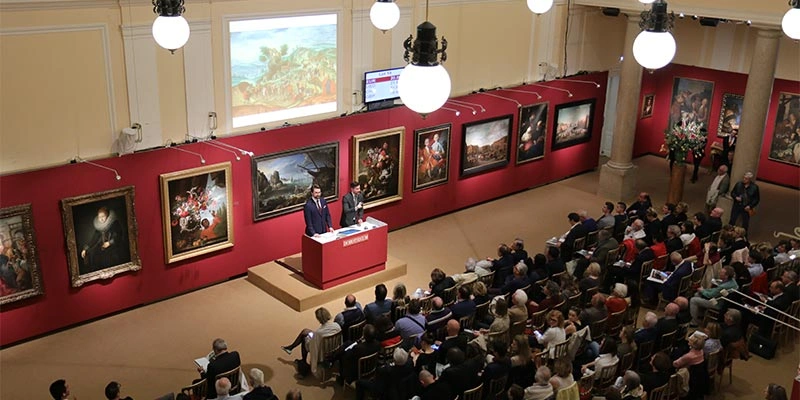
Dorotheum plays a special role in the market for antique paintings in Central Europe, where it combines the region’s collecting tradition with access to international buyers. It is a place where works of high historical value often appear, but at more accessible prices than in London or New York.
Bonhams – the elegance of the broad collectors’ market
Bonhams represents a more eclectic approach to the auction market. Its offerings include both Old Masters and modern art, antiques, private collections, and luxury items.
Bonhams stands out for its broad access to various price segments. This makes it an attractive destination for both experienced collectors and newcomers to the art market. Within its structure, antique paintings coexist alongside other forms of collecting, creating a more democratic model of participation in the luxury market.
Polish auction scene – dynamic growth and rising prestige
On the Polish art market, several key institutions dominate, which in recent decades have significantly raised the standards of art trading and integrated the local market into the global circulation.
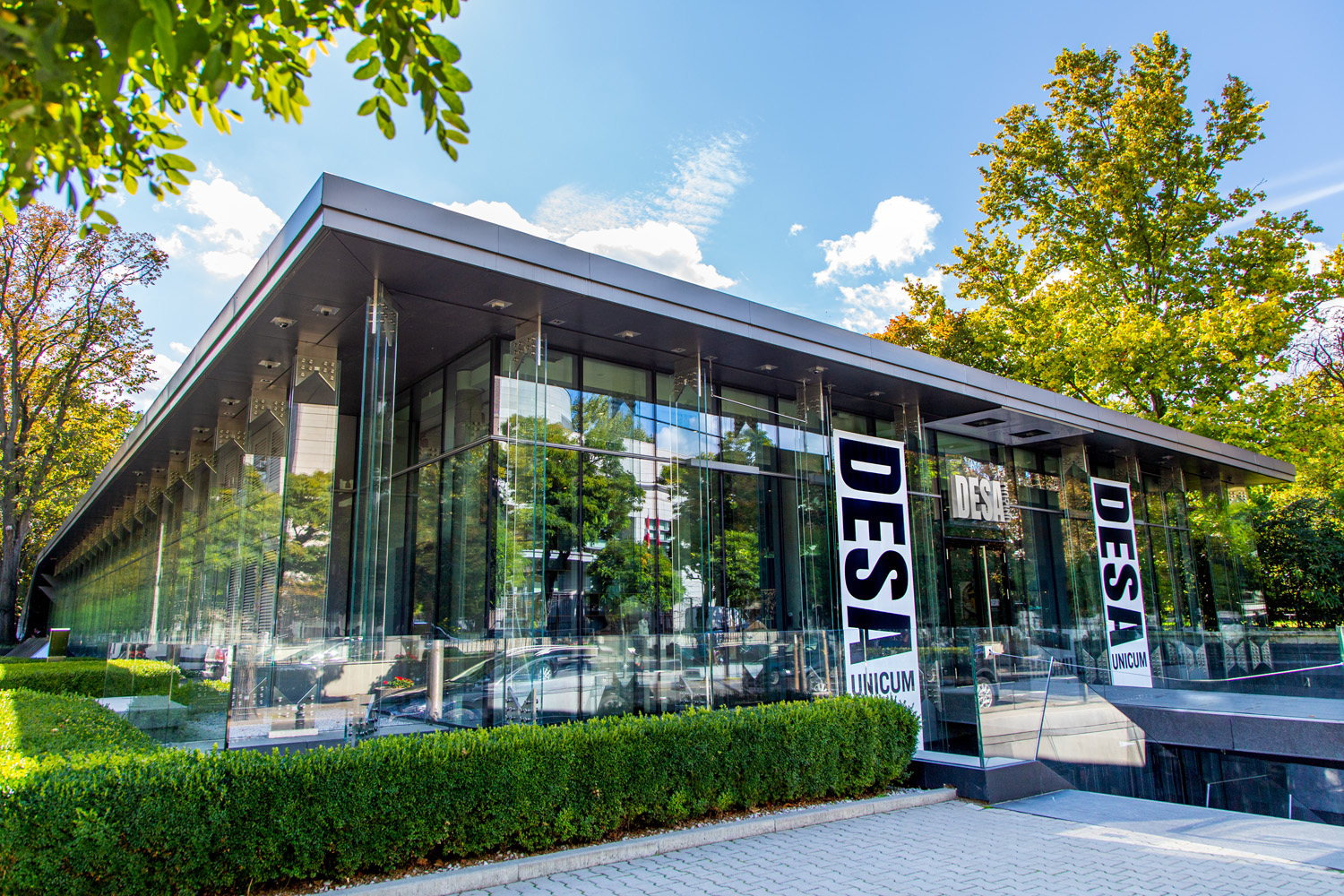
DESA Unicum is the largest and most recognizable auction house in the country. Its history dates back to the state structures of the Polish People’s Republic, but its current operations are entirely private and market-driven. DESA Unicum regularly organizes auctions of old and modern paintings, achieving record sales results and attracting international buyers.
Sopocki Dom Aukcyjny has long been regarded as one of the most reliable institutions for art valuation in Poland. Its activities focus on classics of 19th and 20th-century Polish painting, as well as carefully selected works of old art.
Polswiss Art is another key player in the Polish market, specializing in modern and contemporary art, but also in selected works of a historical nature. Its auctions often feature pieces from prestigious private collections, which enhances their status and appeal to collectors.
Auctions as moments that shape the history of the market
The most spectacular auctions of antique and modernist paintings are not merely transactions—they are events that define the boundaries of value in art. The sales of works by Klimt, Kahlo, or Rubens demonstrate that the market is constantly redefining the concept of an “investment masterpiece.”
Each record-breaking transaction becomes a benchmark for the decades to come. That’s why it influences estimates, collecting strategies, and the perception of artists on a global scale.
The market for antique paintings as a space of prestige and investment
The contemporary antique art market operates at the intersection of culture, finance, and social prestige. For some, it is a form of alternative investment; for others, a way to connect with history; and for the most dedicated collectors, an element of building a legacy.
Auction houses remain the most important institutions in this system, not only selling paintings but also assigning them meaning. Within their spaces, art history is not a closed catalogue—it is a living process in which every strike of the auctioneer’s gavel can change the value of a work forever.
