




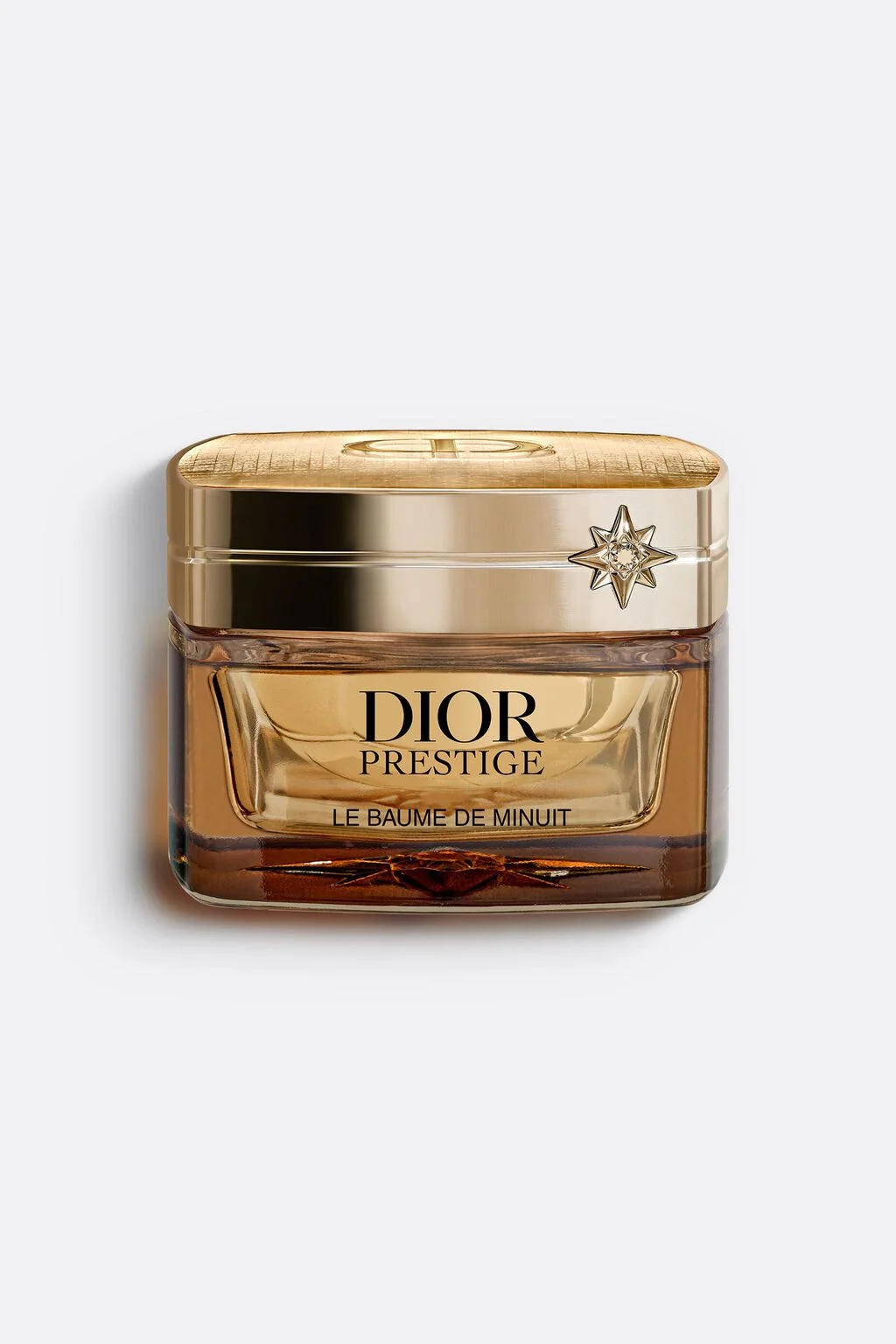
For decades, the leather handbag with a discreet—or bold—logo was the undeniable pinnacle of every fashion lover’s hierarchy of needs. In recent years, it has been seen as a symbol of luxury, status, and an investment. Today, however, a quiet yet profound revolution is taking place on the global luxury map. Legendary are being replaced by technologically advanced creams, youth elixirs, and niche fragrances. Have premium cosmetics overtaken the luxury handbag in the race to symbolize prestige? And what are the reasons behind this shift?
Luxury has shifted its focus from what we carry on our shoulder to how we feel in our own skin. That’s why we can see with our own eyes how the concept of modern status is being redefined.
Why is the iconic handbag losing its monopoly on desire?
Until recently, entering the world of high fashion often began with the purchase of a branded wallet or a simple entry-level handbag. The economic situation in key markets, including China—which has so far been the driving force of the industry—has changed these habits. The economic slowdown and the cooling of the real estate market have led consumers to reconsider the sense of spending tens of thousands of euros on yet another leather accessory. There has been a rise in logo fatigue and more cautious budget management. As a result, purely showy props are losing their former appeal. Meanwhile, items worn close to the body are gaining in popularity.
According to research by the consulting firm Oliver Wyman, as many as 37 percent of affluent consumers declare their intention to increase spending on luxury skincare in the coming year. By comparison, only 4 percent of respondents express a willingness to allocate more funds to leather goods. Younger buyers are no longer seeking solely the material status symbolized by traditional fashion houses. They are looking for authenticity, modern science, and rituals. Experiences that deliver immediate emotional satisfaction.
How have premium cosmetics become the new symbol of self-awareness?
The difference between a handbag and an outstanding dermatological preparation lies in the psychology of purchase. A cosmetic from the prestige beauty line—although still expensive compared to mass-market products—remains far more affordable than a unique piece from a Parisian atelier. It is an easy choice to justify as an investment in well-being, mental hygiene, and a healthy appearance. Skincare requires consistency. That is why it creates an intimate, daily ritual and brings the promise of immediate improvement in quality of life—something that cannot be achieved simply by adding a new bag to your wardrobe.
While luxury giants from the fashion sector, such as Hermès or LVMH, report flat sales and stagnating demand for classic leather goods, cosmetics corporations are counting their profits. Financial reports from L’Oréal show that the segment of luxury and dermatological skincare brands in Asia is growing at a rate of about 7–10 percent annually. That is why premium cosmetics are no longer seen as just charming products—they have become a personal statement for self-caring aesthetes.
Have we said goodbye to the “YOLO” philosophy in favor of the “YONO” era?
Market observers highlight a shift in the fundamental life philosophy of the new middle class. The old approach known as YOLO ( You Only Live Once), which fueled impulsive and ostentatious luxury purchases, is giving way to the mature YONO trend ( You Only Need One). Consumers are coming to the conclusion that they don’t need another handbag in their closet when one of perfect quality is enough. They are redirecting their resources to the very top of the category they can truly afford—choosing the most advanced serum on the market instead of the cheapest belt from a well-known designer.
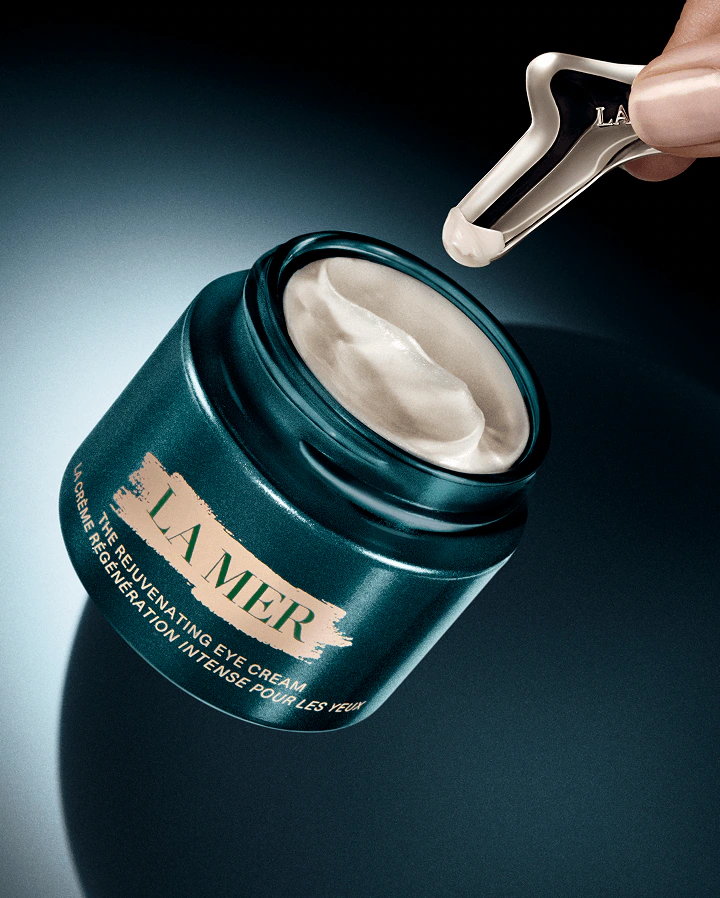
Experts from Foresight Performance Partners note that consumers have not lowered their aesthetic standards, but have cleverly shifted their priorities. In the face of economic uncertainty, radiant, well-cared-for skin becomes the highest form of quiet luxury ( quiet luxury). It’s a signal to others: I have the time, knowledge, and resources to care for myself in the most holistic way.
Where is the world headed when the makeup bag takes precedence over the wardrobe?
The current revaluation is forcing traditional fashion houses to immediately revise their own strategies. Brands that built their power on leather craftsmanship are now feverishly developing their own cosmetics divisions and signature haute couture perfume lines. However, competition in this field is extremely demanding, as today’s luxury skincare customer will not be satisfied with just a logo on a jar. They expect advanced biotechnology, unique ingredients, and scientifically proven effectiveness.
The winners of this transformation are those entities capable of combining the aesthetics of high fashion with solid science on skin longevity. Luxury is no longer something to be displayed to others. Instead, it has become a private experience reserved for oneself. The shift in focus from a handbag to a bottle of cosmetics is not a passing trend, but a lasting cultural change in which the most important investment has become one’s own body and well-being.
