




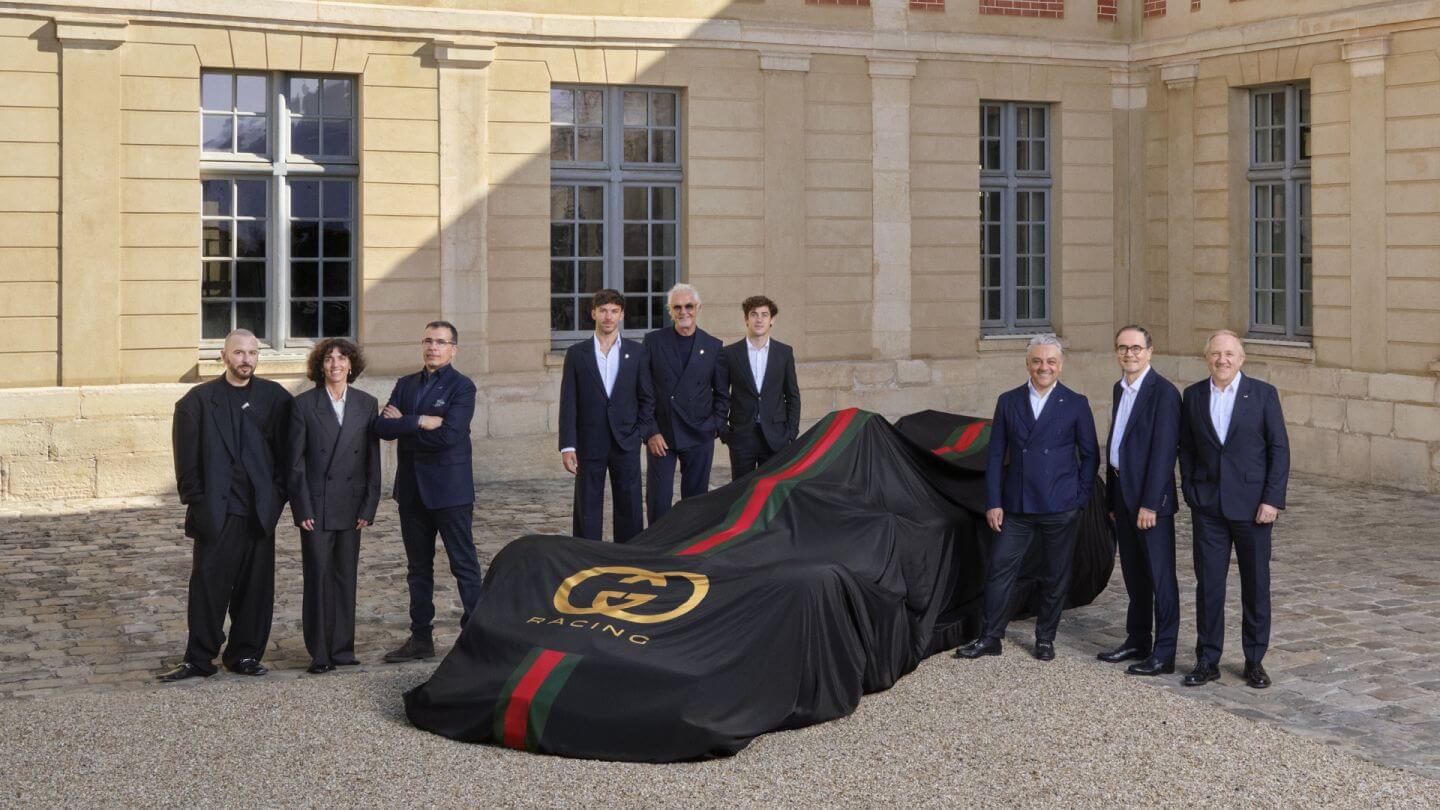
For years, Gucci and Formula 1 existed side by side like two worlds from different galaxies. One smelled of gasoline, heated carbon, and burnt rubber. The other of saffiano leather, perfumes worth thousands of euros, and Milanese runways. Yet in 2027, these two universes will officially meet. Alpine will become the “Gucci Racing Alpine Formula One Team,” and F1 will take another step toward the world of luxury, pop culture, and global lifestyle.
The question remains: is this just a flashy romance for show, or the beginning of a lasting relationship that will change the face of Formula 1?
F1 has long since ceased to be just a sport
A dozen or so years ago, Formula 1 was a world of engineers, fuel corporations, and technology sponsors. Performance, aerodynamics, and milliseconds were what mattered. Of course, luxury was always present — Monte Carlo, private yachts, Rolexes, and champagne formed the natural backdrop of this sport — but fashion was merely an accessory.
Today, the situation looks completely different. F1 has become a gigantic pop culture phenomenon. Netflix has opened up this world to a new audience, social media has turned drivers into celebrities, and race weekends are increasingly resembling premium festivals rather than classic sporting events.
That’s precisely why luxury brands have started to see F1 not as a sport, but as a global platform for emotions and aspirations. If Louis Vuitton, TAG Heuer, or Moët Hennessy can build their presence around Formula 1, then Gucci couldn’t stand aside forever.
Gucci doesn’t buy space on the car. Gucci buys culture.
The most interesting thing about this collaboration is that Gucci is not entering F1 as a traditional sponsor. This isn’t just a sticker on the sidepod and a few hospitality events during the Grand Prix. The Italians are trying to do something much bigger.
“Gucci Racing” is meant to be a world of its own — a fusion of fashion, design, motorsport, and premium experiences. This sounds more like a lifestyle project than a sports sponsorship. And that’s precisely why it might turn out to be a success.
Gucci understands perfectly that today’s luxury customer no longer wants just a product. They seek a story, emotions, and a sense of belonging to a particular world. And Formula 1 sells emotions better than almost any other sport in the world.
Let’s imagine limited collections inspired by the Monaco Grand Prix, exclusive shows during race weekends in Las Vegas, or Alpine drivers appearing on red carpets in specially designed Gucci Racing suits. This isn’t a futuristic vision. It’s actually already begun.
Alpine needed something more than a sponsor
For Alpine, this move could mean financial and image salvation. The French team has long seemed like a project with enormous potential that has never quite managed to fully capitalize on its own brand.
Renault created Alpine as a sporty, exclusive showcase for the company, but for a long time the project lacked a clear identity. The results were inconsistent, management was chaotic, and marketing often seemed like a series of random decisions.
Gucci gives Alpine something it lacked most — an aura of desirability.
That’s a huge difference. In Formula 1, it’s not enough to be fast. You also have to be a brand that people want to wear on their T-shirts, follow on Instagram, and associate with a certain lifestyle. Ferrari has understood this for decades. Mercedes learned it in the Hamilton era. Red Bull has built an entire media empire on it.
Alpine can only now enter this league.
Risk? Huge
Of course, this project could also fail spectacularly.
Formula 1 remains a sport brutally dependent on results. Even the most beautiful livery cannot hide the fact that the car is running at the back of the grid. If Alpine continues to be an average midfield team, the whole Gucci Racing aura may quickly start to look like a very expensive show.
There is also a risk of going too far. F1 has always balanced between luxury and the authenticity of motorsport. Fans will accept fashion in the paddock, but they will not accept a situation where the sport becomes solely a showcase for celebrities and premium sponsors.
The line is thin.
Therefore, the success of this project will depend on one key element: whether Gucci understands the DNA of racing. Formula 1 fans can sense inauthenticity instantly. If “Gucci Racing” turns out to be just a marketing performance without respect for motorsport culture, the reaction will be merciless.
The most fascinating thing is what comes next
Because Gucci’s entry could trigger a domino effect. F1 is already attracting luxury giants, but a team title sponsor is a whole new level of commitment. If the Alpine project proves successful, other premium brands will likely follow the same path.
Maybe in a few years we’ll see bands co-created by Prada, Dior, or Balenciaga? Not long ago, that would have sounded absurd. Today, it no longer does.
Formula 1 is increasingly resembling the world of fashion: it’s all about spectacle, emotion, narrative, and status. And fashion is becoming more like sport: it needs competition, adrenaline, and global reach.
Perhaps, then, Gucci and F1 are not a mismatch after all. Maybe they have been heading toward each other for a long time, only they just didn’t know it yet.
One thing is certain — from the 2027 season, the Formula 1 paddock will look completely
