




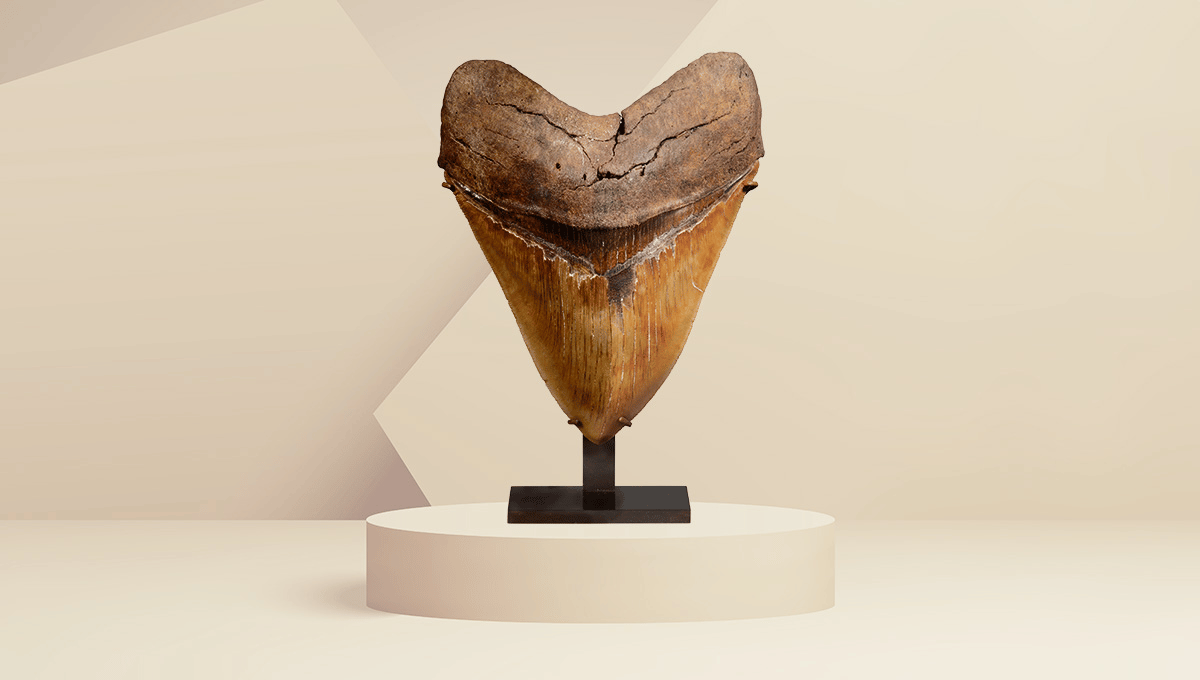
On July 14, 2026, at Sotheby’s New York, a Tyrannosaurus rex nicknamed “Gus” changed hands for $50.13 million. A new auction record, surpassing the previous holder, the Stegosaurus “Apex” from 2024 ($44.6 million).
“Gus” is a complete, 67-million-year-old skeleton. The auction record of $50.13 million confirms that fossils are no longer just museum exhibits.
Why is the topic coming back in 2026?
Because we are talking about alternative assets with limited supply and growing demand from private collectors, museums, and even funds. ” Investments in rare fossils ” means collecting and trading high-quality specimens of scientific or aesthetic significance. It is the intersection of paleontology, natural history collecting, amber trading, and prestigious auctions.
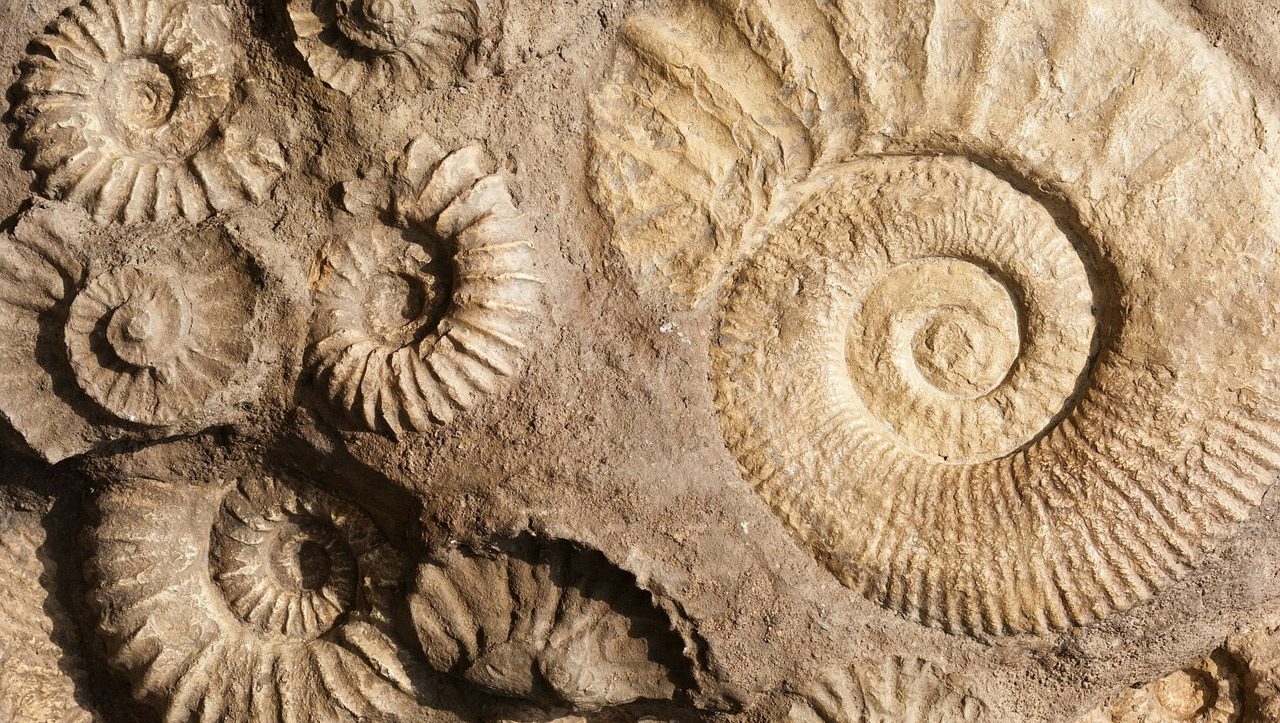
In Poland, invertebrates are more widely available: ammonites, trilobites, orthoceras from North Africa or local Jurassic and Triassic deposits. Baltic amber with inclusions has its own collectors’ market. Fairs such as RAPTOR or INTERSTONE are places for education and exchange, where you can see what actually circulates beyond the paleo auction stars.
The market is niche and not very liquid, but it attracts attention for a reason. The following sections will present hard numbers and Polish price ranges to show what is reality here and what is just hype.
Investments in rare fossils
Fossils have recently caused a sensation at auctions. In July 2026, the skeleton of a Tyrannosaurus Rex nicknamed “Gus” sold at Sotheby’s New York for $50.13 million, twice as much as the pre-auction estimate (20–30 million USD). Earlier, in 2024, the Stegosaurus “Apex” fetched $44.6 million. These are astronomical sums, but they say something important: the market is growing because major specimens are appearing slowly (or not at all), while private collectors and museums compete for the same pieces.
Polish forks and where to buy
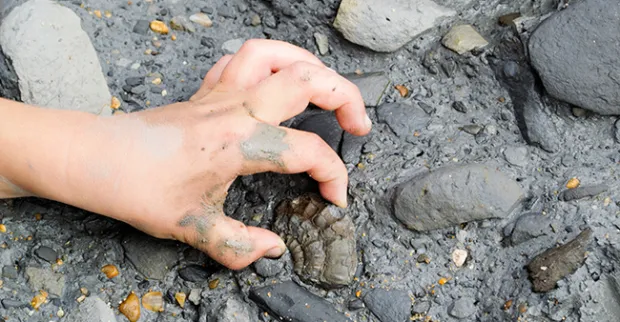
Here in Poland, the situation is completely different, though also interesting. Common ammonites can be found for just a few dozen zlotys, while exceptionally well-preserved, expertly prepared specimens can cost tens of thousands. Amber without inclusions? Around 100 PLN per kilogram. But if you come across a piece with a rare inclusion (insect, plant), the price jumps to several thousand zlotys, and historical rarities have even reached four or five digits in dollars.
| Segment | Indicative range | Where to look |
|---|---|---|
| Common ammonites | 50-300 PLN | Allegro, fairs |
| Prepared ammonites | 5,000–30,000 PLN | Auctions, RAPTOR |
| Amber with inclusion | 1000-15,000 PLN | Amber market, INTERSTONE |
In Poland, you can visit the RAPTOR fairs (Gliwice and other cities) or INTERSTONE in Łódź. There, you can see specimens in person and talk to people who really know their stuff. Plus, of course, there’s Allegro, though you need to keep an eye out there.
Quality, authenticity, and pre-purchase verification
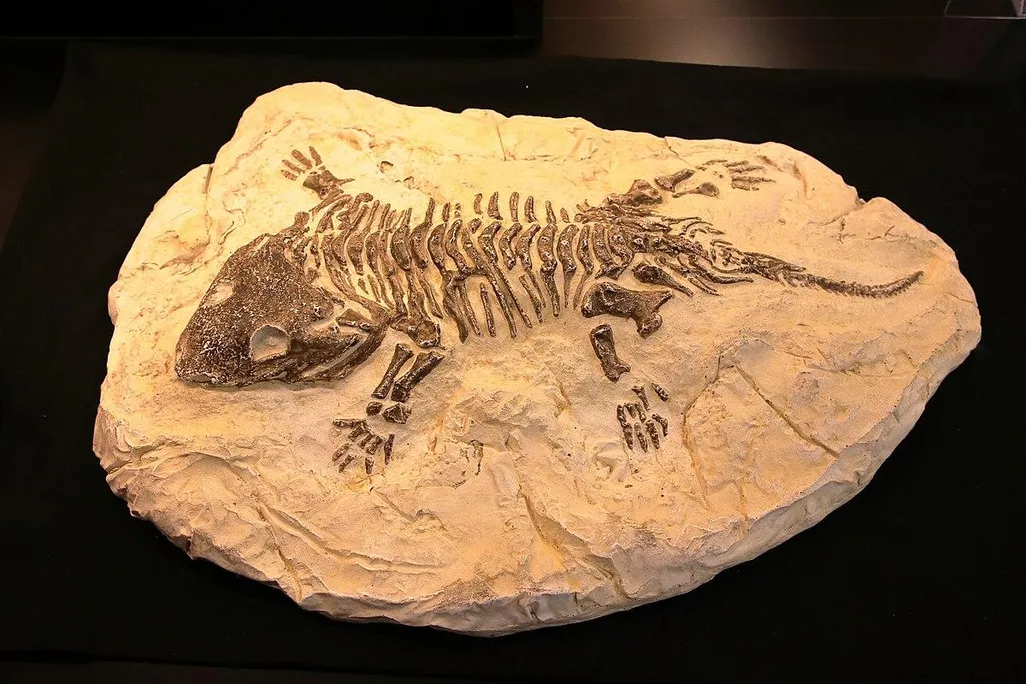
Completeness above all. A complete dinosaur skeleton is worth many times more than a scattered set of bones; the most valuable amber inclusions are those with clear, intact details. The rarity of the taxon plays an equally important role—a typical Jurassic ammonite can be bought for a hundred, but an exceptional species from a unique location is a different story. Preparation quality? Professional cleaning and mechanical stabilization add value, while a poorly glued composite kills it. Scientific significance (e.g., the first discovery of an anatomical feature) can raise the price even of a modest specimen.
How to make sure you’re not buying a counterfeit?
Provenance is key: demand a complete record (excavation site, date, previous owners, invoices). As the Time Vault Gallery standard states: “unadulterated, authentic… finest quality and rarest types”. Without this, there is no certainty.
Physical verification: a magnifying glass and UV light reveal glue and resin, while CT tomography exposes composites and restorations. Red flags include an overly “perfect” condition (nature rarely leaves perfection), suspicious joints, and discoloration around cracks. Natural amber has a chaotic structure, while artificial amber is too uniform.
Polish context? Baltic amber (Eocene, ~40–50 million years old) with vertebrate inclusions is sometimes faked. Compare with authentic specimens from Owadów or Brzezinki. Consult at RAPTOR/INTERSTONE fairs, ask at the Institute of Paleobiology of the Polish Academy of Sciences, seek independent experts. It’s worth it.
Between passion and capital
Collecting fossils is a field where completely different worlds meet: scientific curiosity, aesthetic admiration, and investment calculation. The limited supply of the most spectacular specimens, the growing visibility of record-breaking auctions, and their availability in Poland create a market that cannot be described by a single simple formula. What truly matters is the combination of authenticity (verification!) with personal interest in the subject.
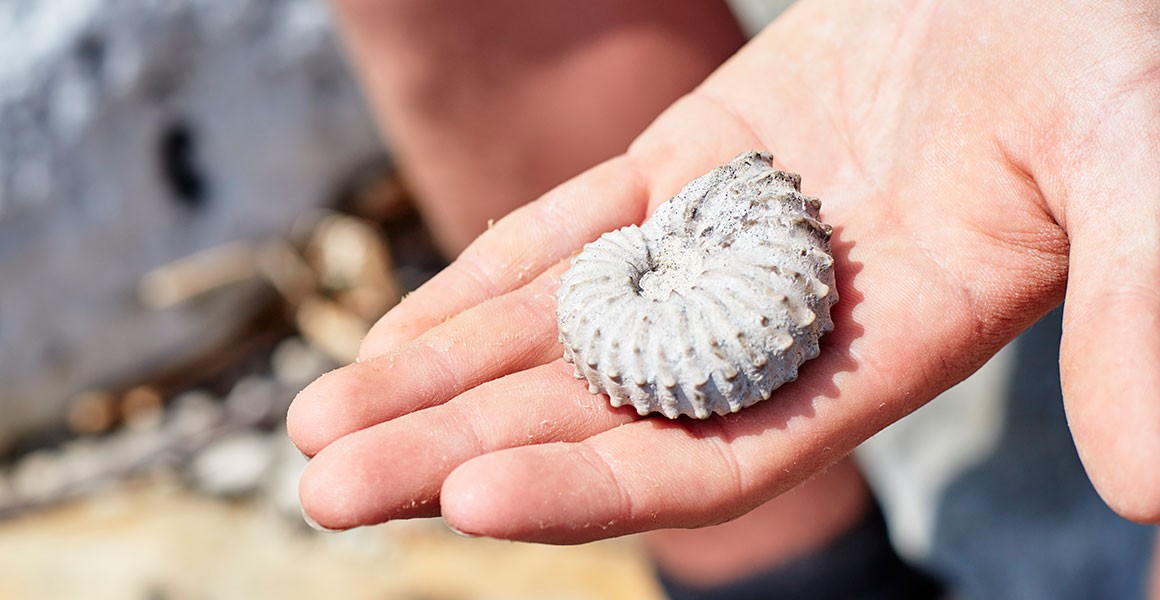
The value of a fossil is not just the price you can get for it. It is also the history hidden in the stone, a fragment of time you hold in your hands. If you understand this, you are already one step ahead of those who look only at the numbers in auction catalogs.
Tom R.
Premium Journalist editorial team
Luxury News
