




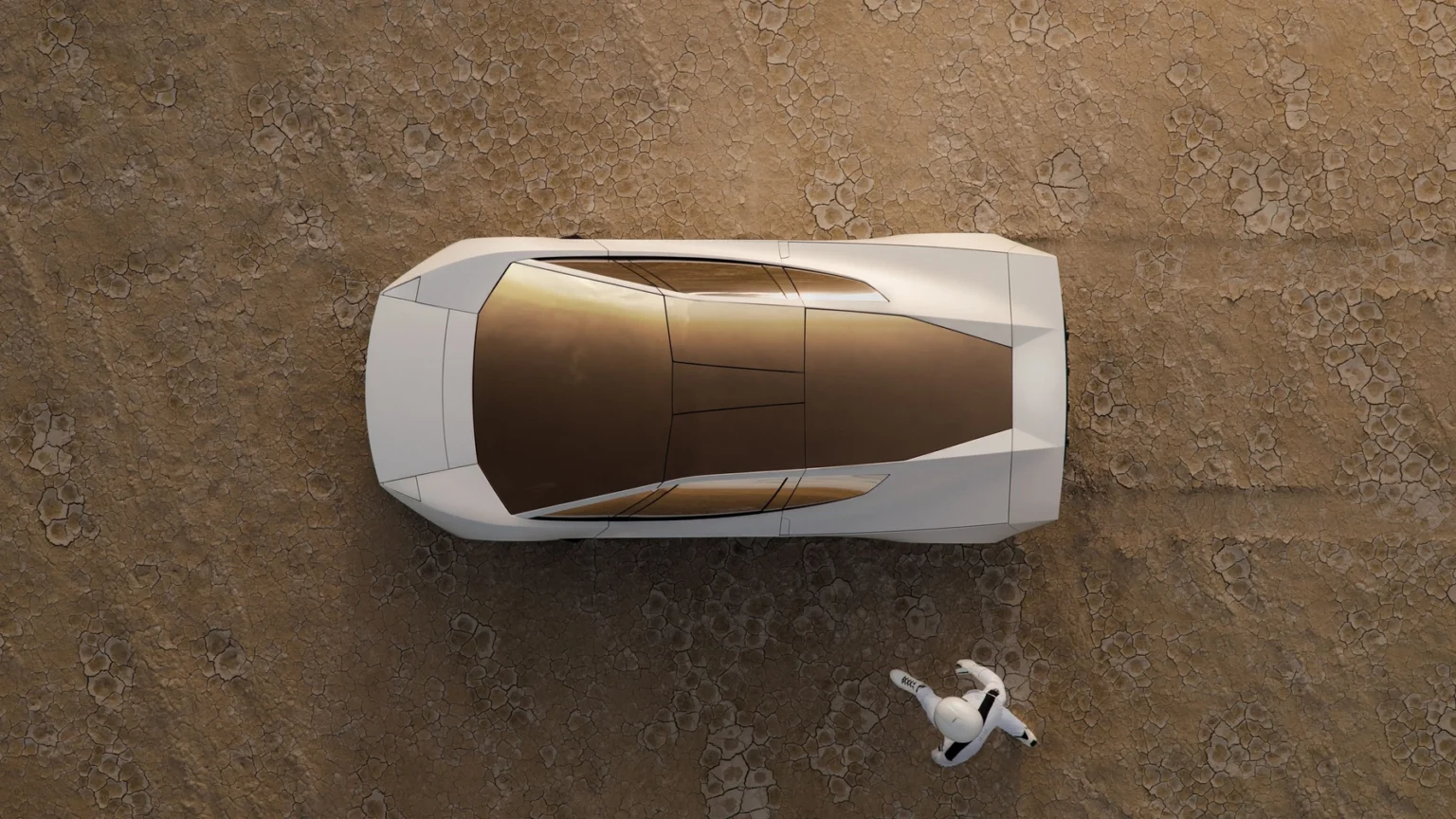
Over the years, Tesla has built its position as a leader in electromobility, but it lacked a classic halo car—a technological showcase. The purpose of such a model is not mass sales, but to demonstrate the absolute limits of engineering. The event held on October 15 at the SpaceX facility in Texas has finally filled that gap. Today, the question in the automotive industry is no longer whether Tesla can build a fast car, but whether the Tesla Roadster is becoming a real threat to such giants as Ferrari, Koenigsegg, or Rimac.
Tesla Roadster: Technological breakthrough or pure show?
The premiere in Texas delivered a show that went far beyond the standards of traditional presentations. Tesla Roadster showcased a fan system generating downforce, as well as maneuvering capabilities supported by solutions straight from the aerospace industry. The declared technical specifications are impressive. Acceleration to 60 mph in just 0.81 seconds in the top version and a maximum speed exceeding 370 km/h place the car at the forefront among hypercars. The Rocket version, which uses special thrust nozzles, will, however, be a limited edition. It is available by invitation only, which definitely elevates the model’s prestige. Musk announced the start of serial production for 2028.
The real test: physics and the racetrack
However, competitors in the hypercar segment are not just selling fractions of a second on acceleration charts. For brands like Ferrari or Koenigsegg, the entire vehicle ecosystem is paramount: aerodynamics, handling precision, thermal resistance of systems, and consistent performance during intense track driving. The Tesla Roadster, for now, relies on promises and pre-production cars. The real test for the project will come when the vehicle faces real track conditions, thermal load, and full road homologation.
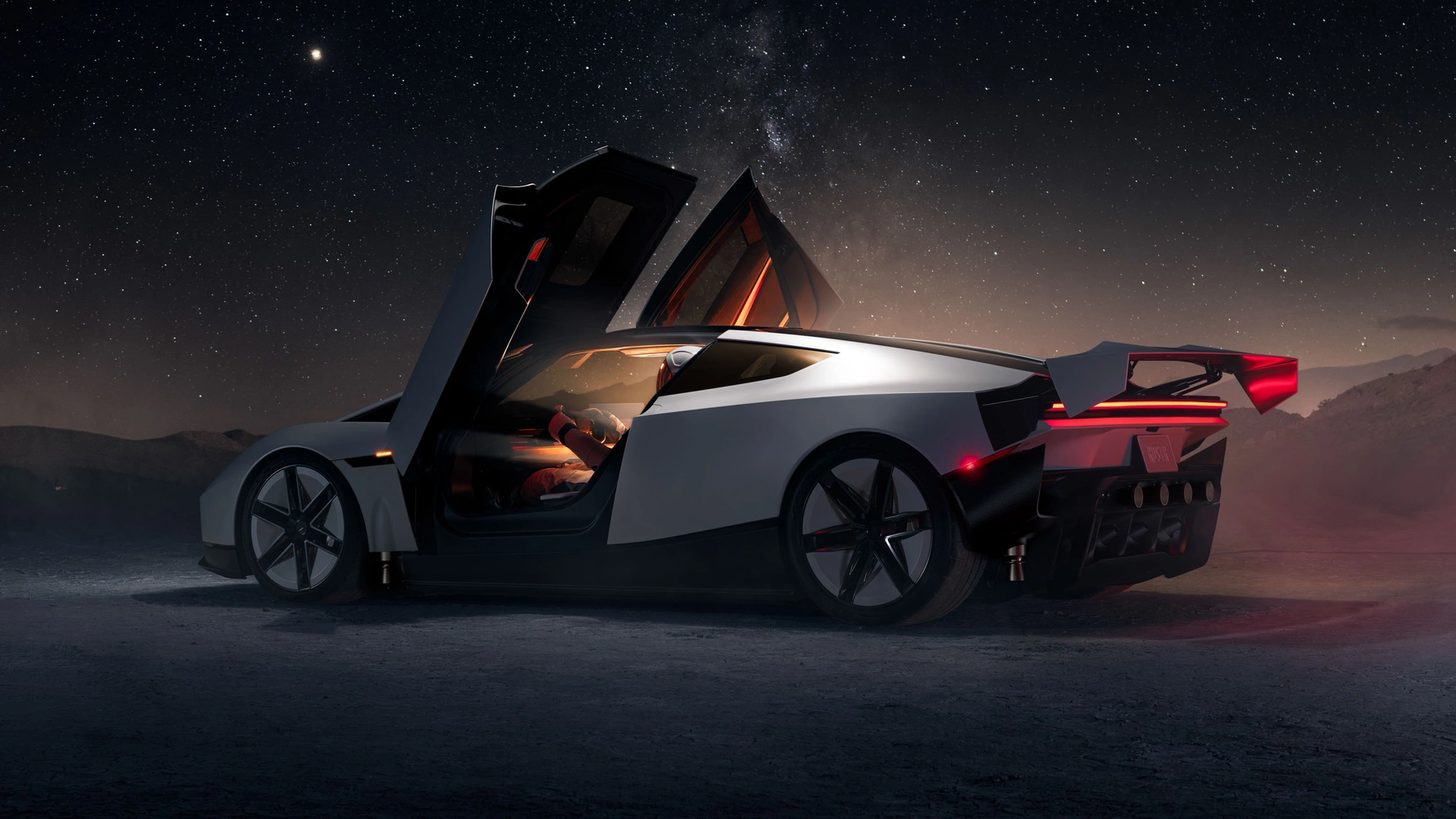
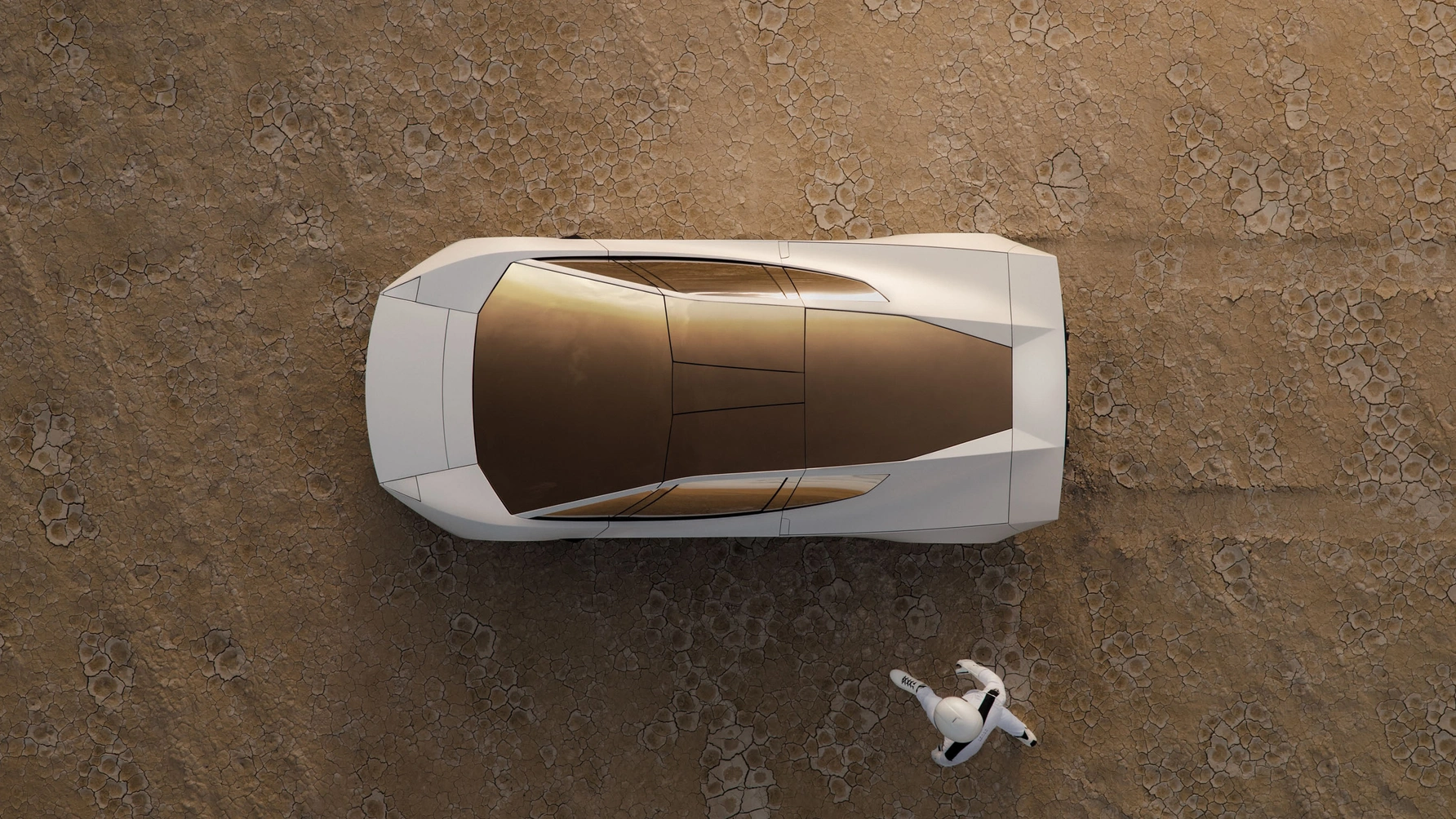
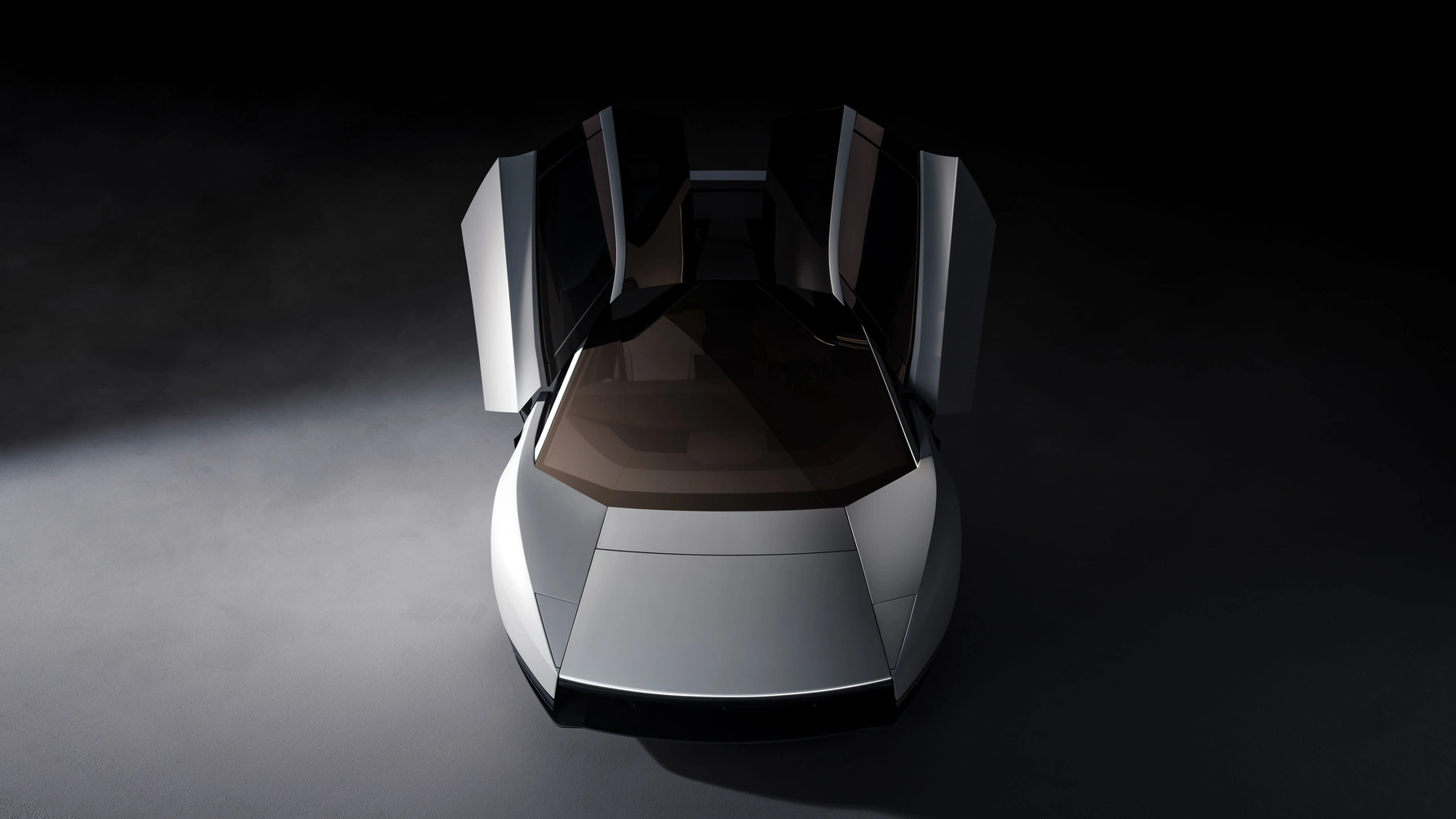
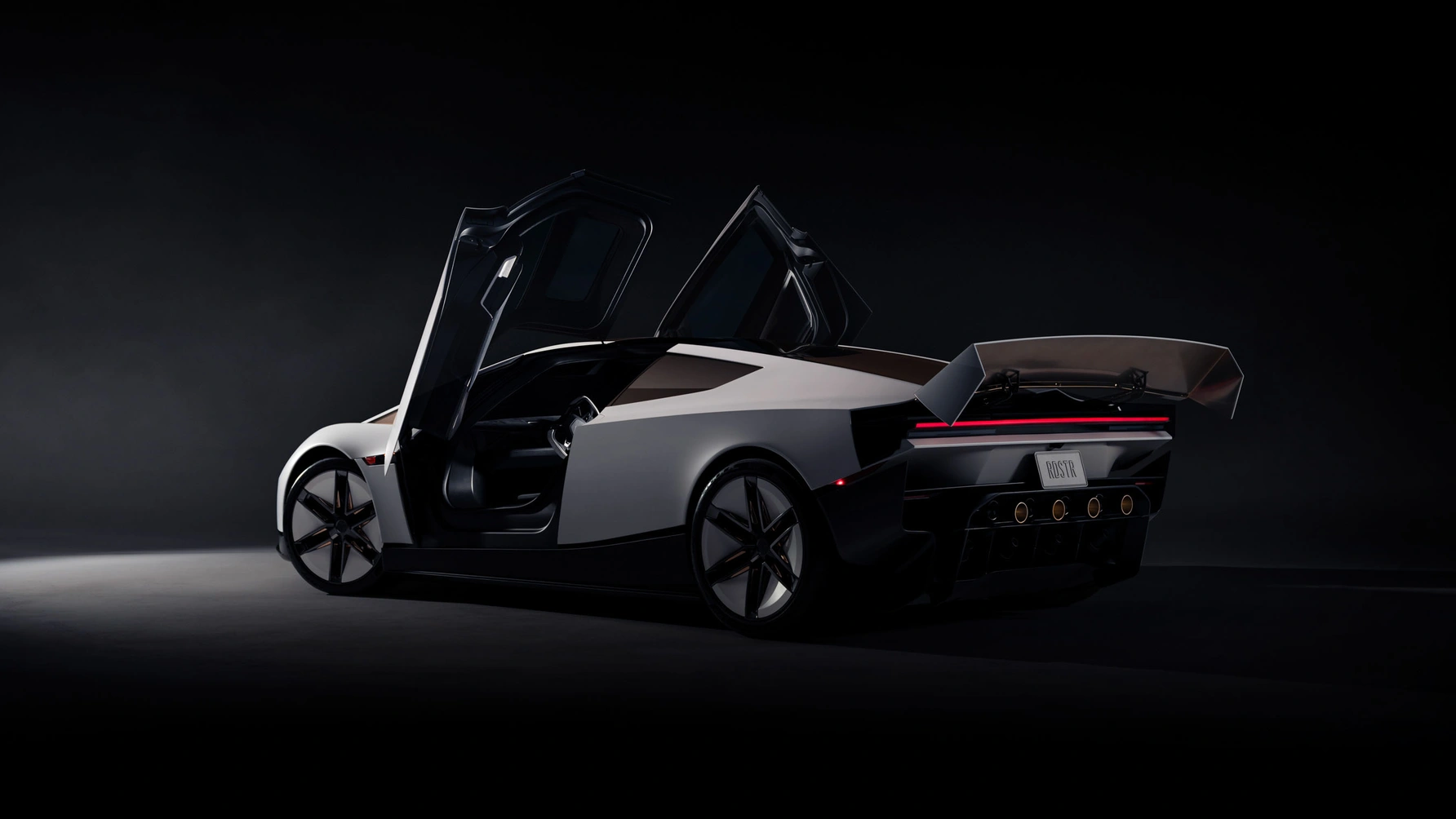
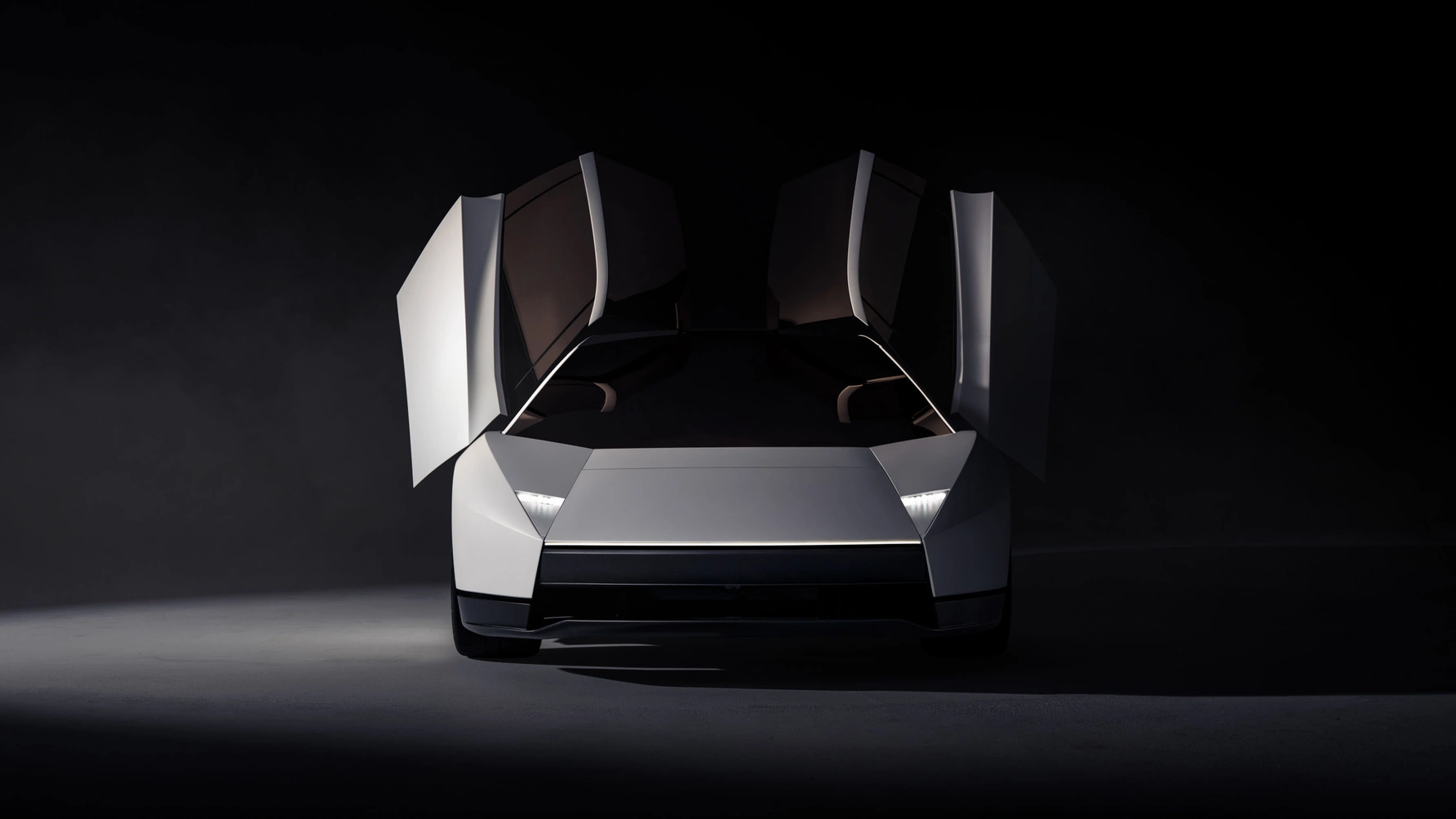
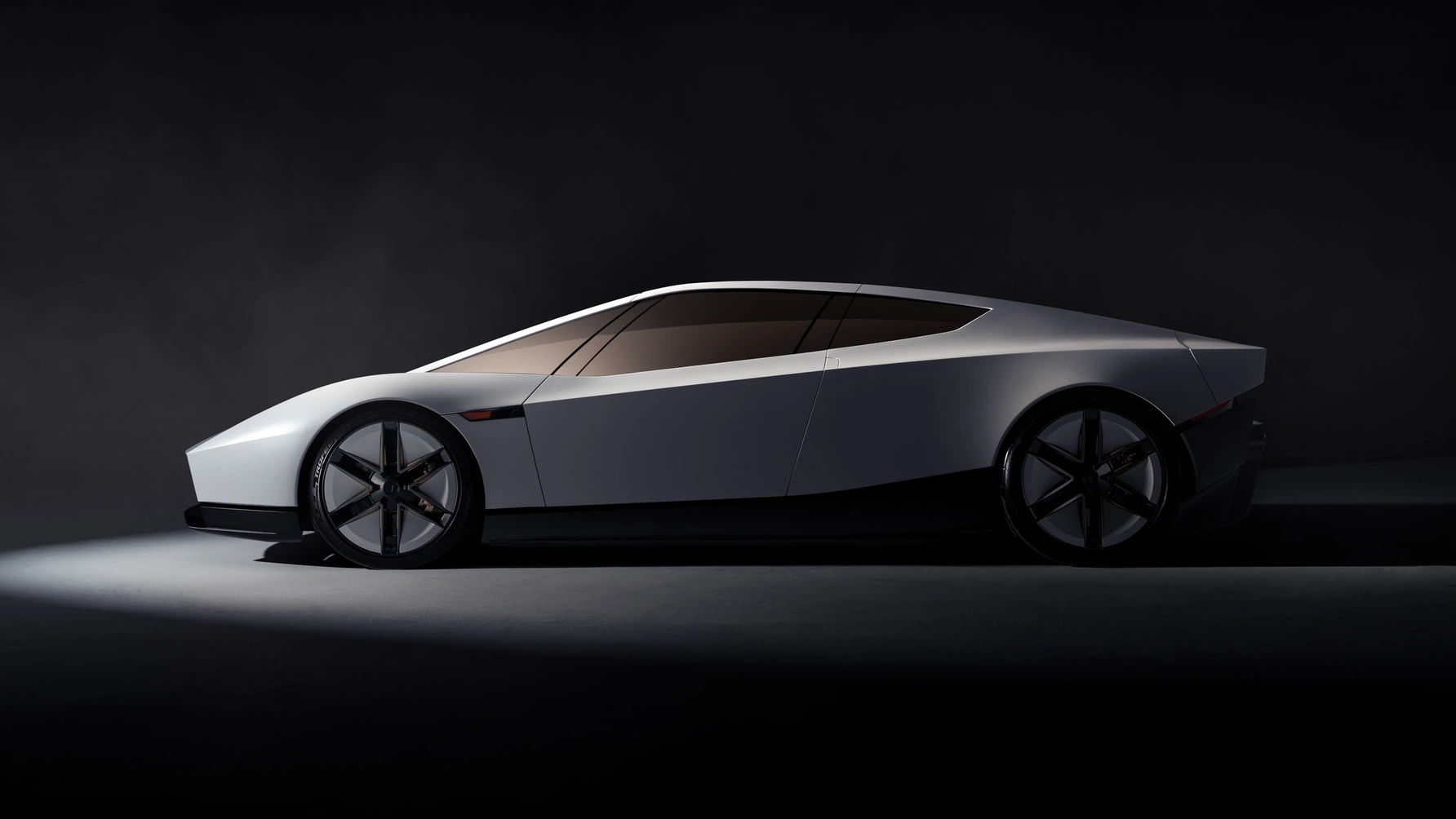
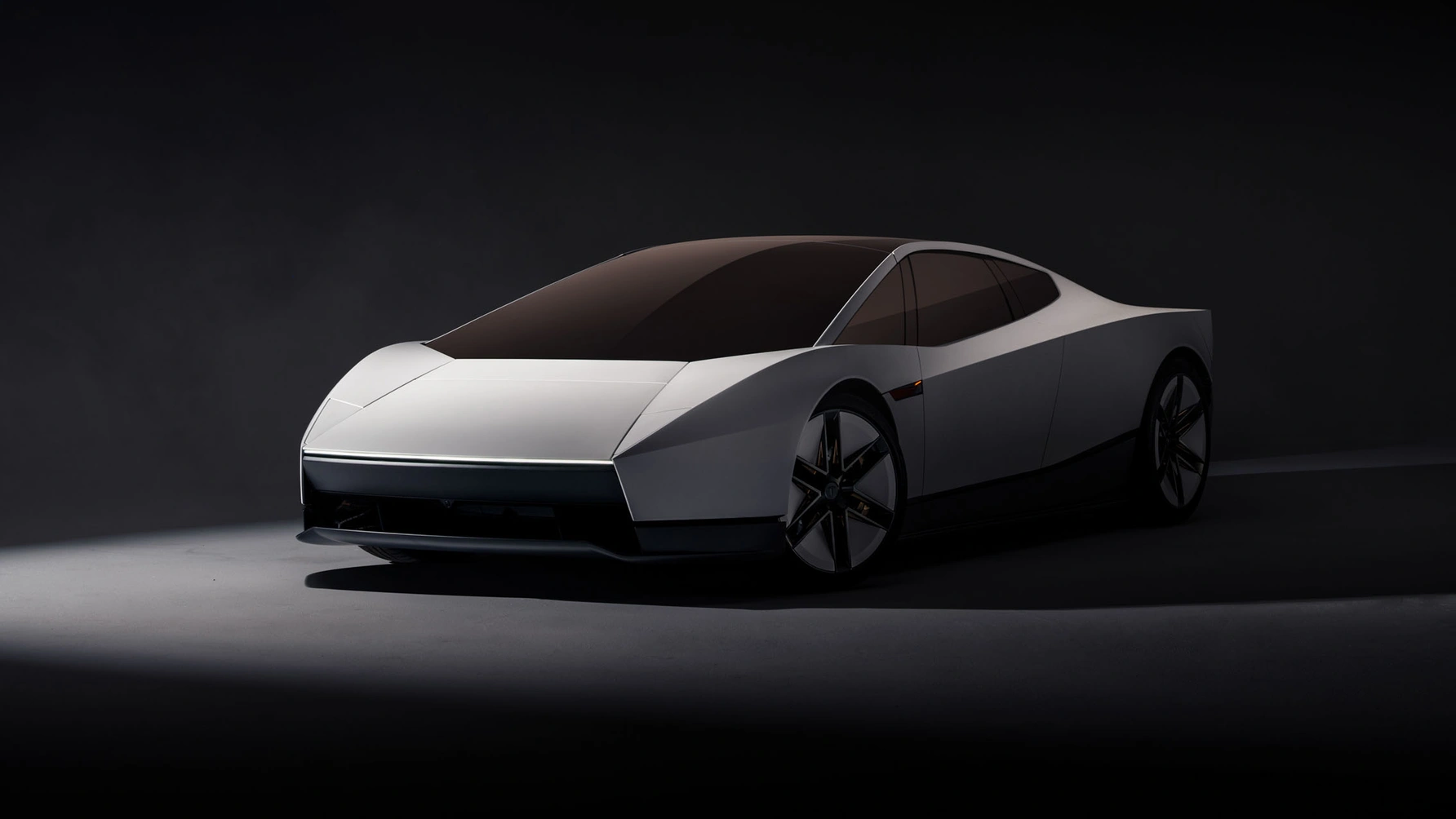
A game changer in the hypercar segment
The greatest potential of the Tesla Roadster lies in more than just raw performance. The brand is attempting to create an entirely new category, combining the features of a supercar with space-age technologies. Even if traditional manufacturers manage to maintain speed records, Tesla is effectively pushing the boundaries of customer expectations. The competition will have to respond not only with new engines, but above all with a technological leap on an unprecedented scale.
