




The global women’s luxury footwear market was valued at around 28–32 billion USD in 2024, with forecasts for 2025–2032 predicting annual growth of 5.4–7.4%. This is not an exaggeration, but rather a reflection of how dramatically perceptions of shoes have changed over the past decade.
A red sole, a crystal buckle, woven leather reminiscent of intrecciato—such details have ceased to be mere decoration. They have become a language for expressing belonging, taste, and sometimes even wealth. Exclusive shoes today are more than just an accessory to an outfit. They are a sculpture, an investment (classic models in limited editions can increase in value upon resale), and a way to express yourself without words.
Importantly, the market is no longer chaotic. In a moment, you’ll get a clear ranking of the top 10 brands for 2026, a price guide, and tips on how to shop consciously without falling for marketing hype. Because luxury should be intentional, not accidental.
How was the ranking created?
Exclusivity in the world of luxury footwear is about more than just a high price tag. It’s a combination of craftsmanship, limited availability, and cultural prestige that turns a brand into an object of desire. We’re talking about shoes handcrafted in the Riviera del Brenta in Italy, finished with Swarovski crystals, or made from exotic leathers like crocodile or snake. Made-to-order, limited editions, premium materials (silk, the finest satin), and hours of work by master shoemakers.
Criteria
When creating this ranking, I took several key factors into account:
- Brand power and equity – recognition, cultural influence, presence on red carpets and in fashion museum collections
- Price range – premium segment, where a pair starts from several thousand zlotys
- Balance between craftsmanship and visibility – because the best brands combine traditional craftsmanship with modern design and media presence
- Sales (not decisive, but supportive) – some brands deliberately limit production, so volume does not equal exclusivity
I based this on the rankings from Footwear Magazine 2025- 2026 as well as my own market observations. However, keep in mind that rankings evolve seasonally, and new collections can change the balance of power.
The article focuses on luxury women’s footwear: stilettos, pumps, sandals, mules, loafers, ballet flats, and boots. No mass-market segment, no fast fashion. Only brands that define what true exclusivity means.
Top 10 Exclusive Women’s Shoe Brands 2026
These ten brands are a sure bet for the coming years, although the choice was by no means easy. Each of them offers something that cannot be copied: original design, a distinct DNA, and a recognizable visual signature. Here, craftsmanship meets cultural iconography, and heritage blends with modernity.
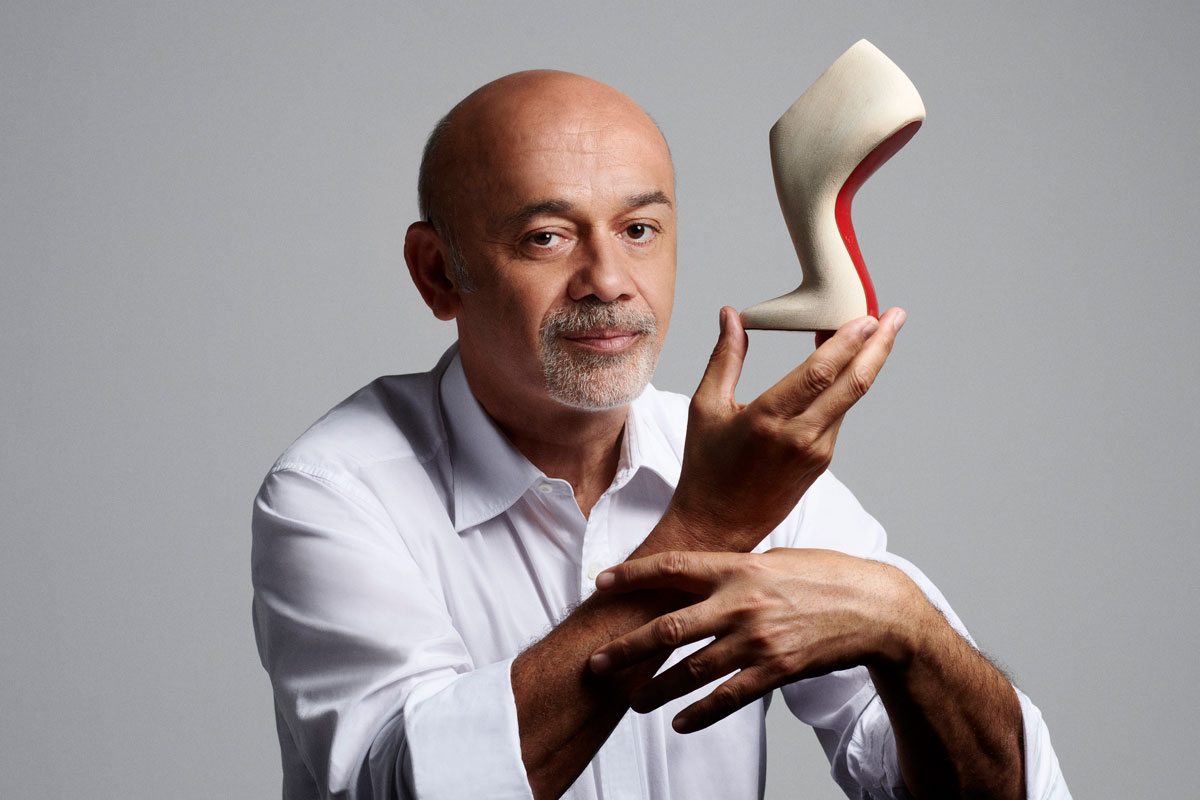
- Christian Louboutin – the red sole (since 1992/1993) is a signature feature stronger than any logo; stilettos, pumps, sneakers.
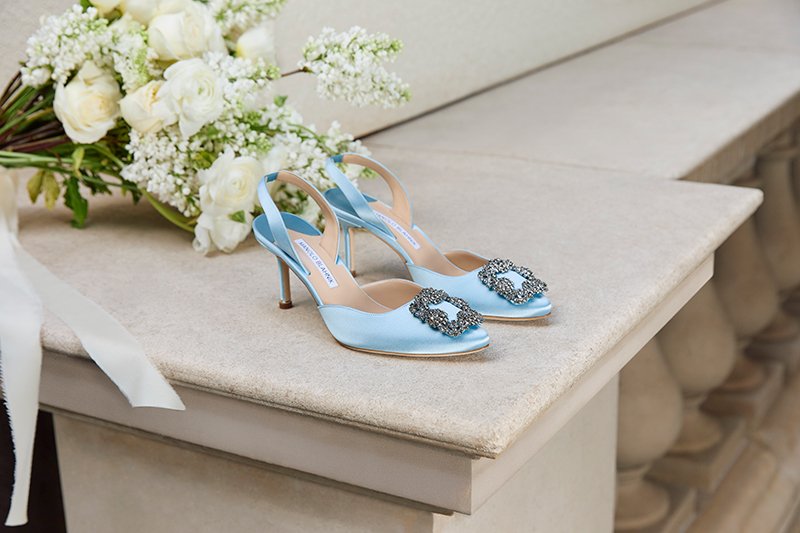
- Manolo Blahnik – “SATC” made the Hangisi a pop culture icon, but Spanish-Italian craftsmanship had been there long before.
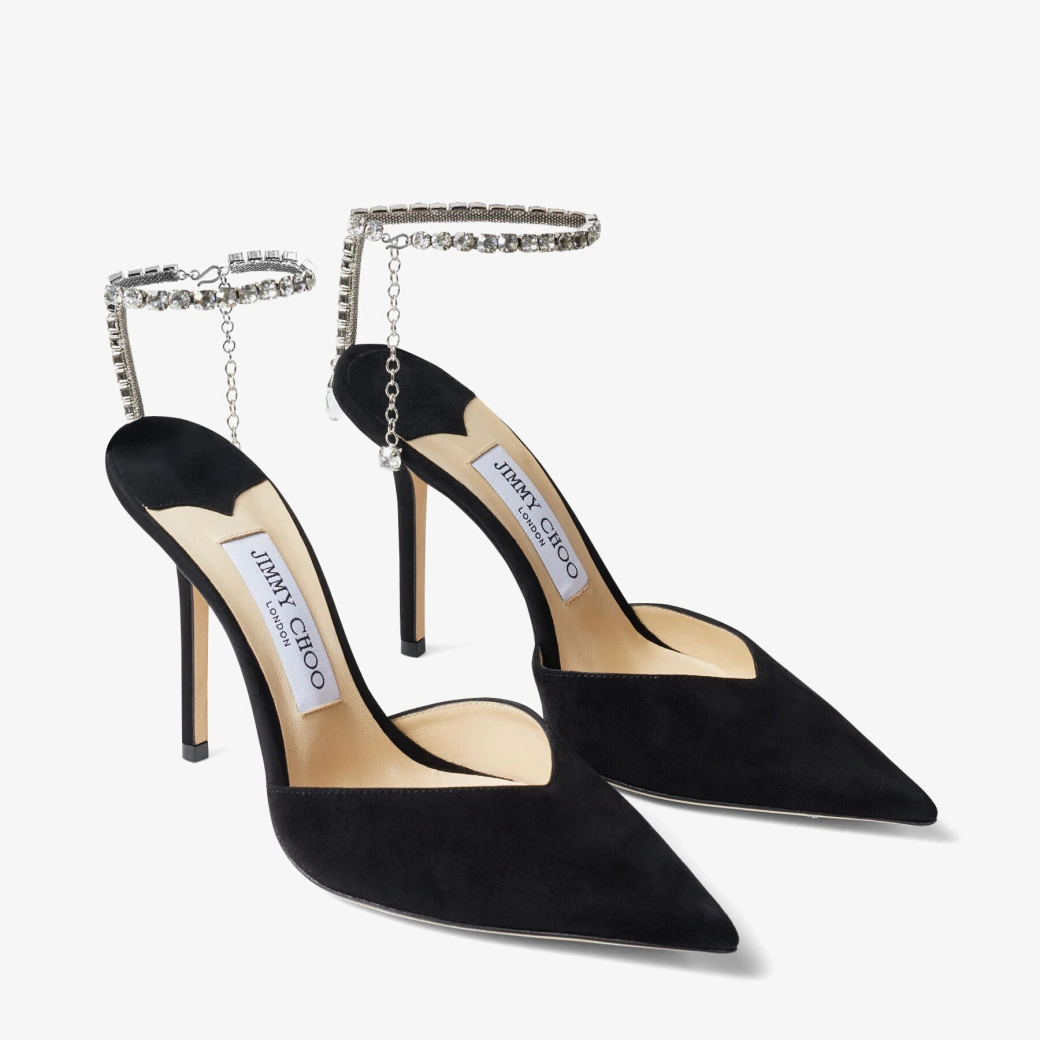
- Jimmy Choo – the brand beloved by Princess Diana; today, it’s synonymous with glamour and red carpets all over the world.
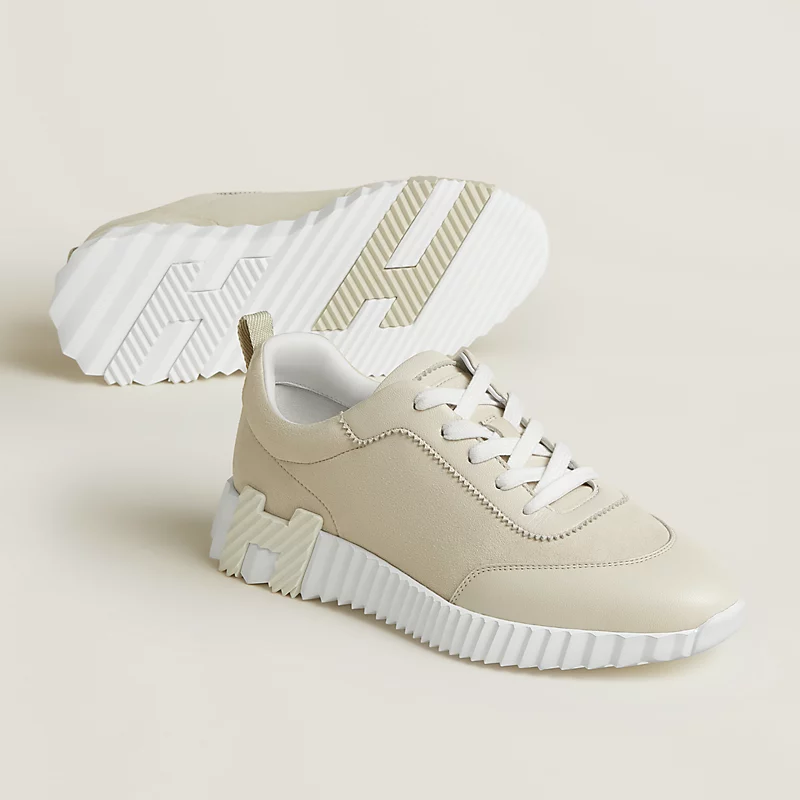
- Hermès – craftsmanship in its purest form, every shoe hand-stitched, limited editions, zero compromises in leather selection.
- Chanel – two-tone pumps (beige and black) have been a classic since the 1950s, and you can wear them today without fear of looking outdated.
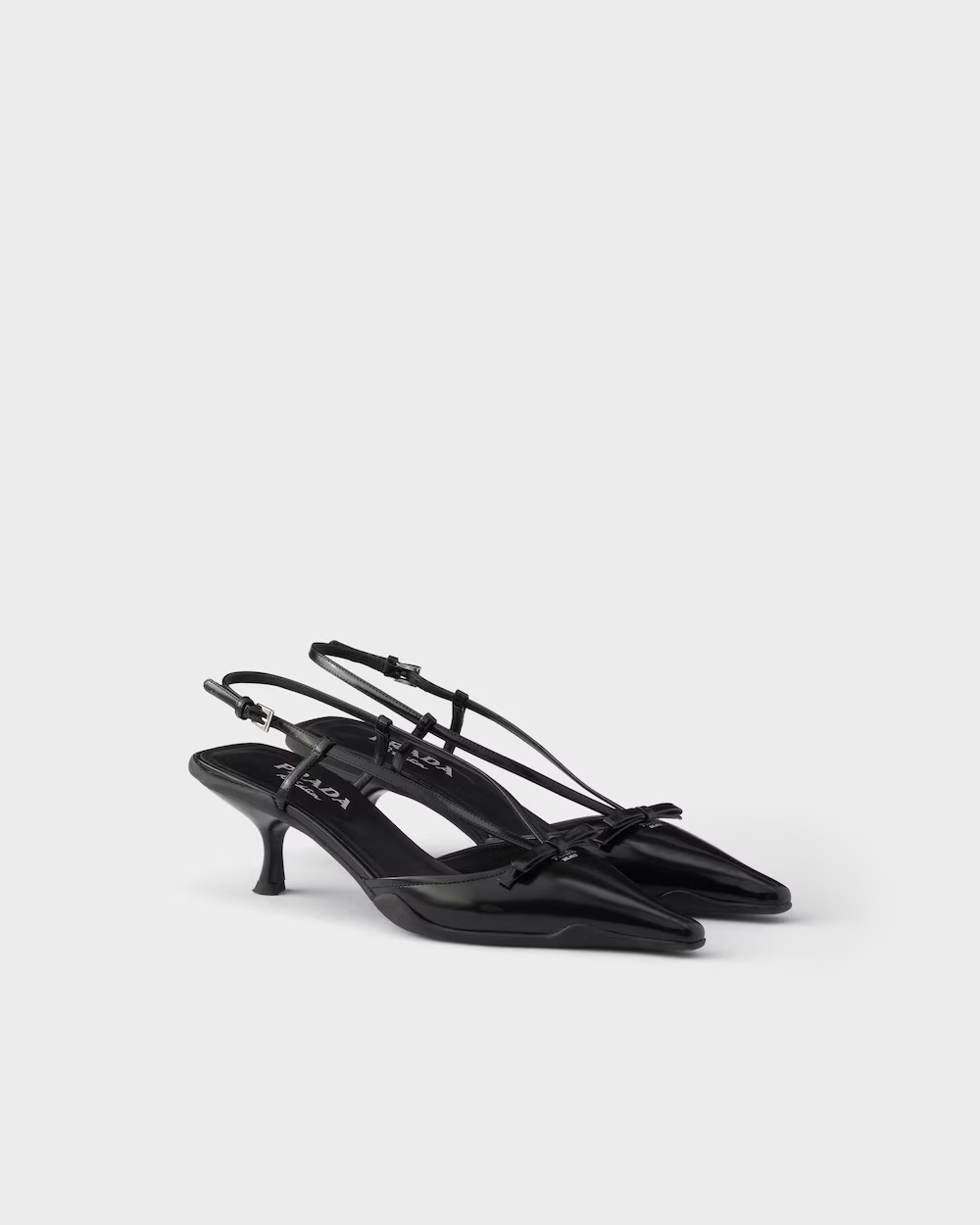
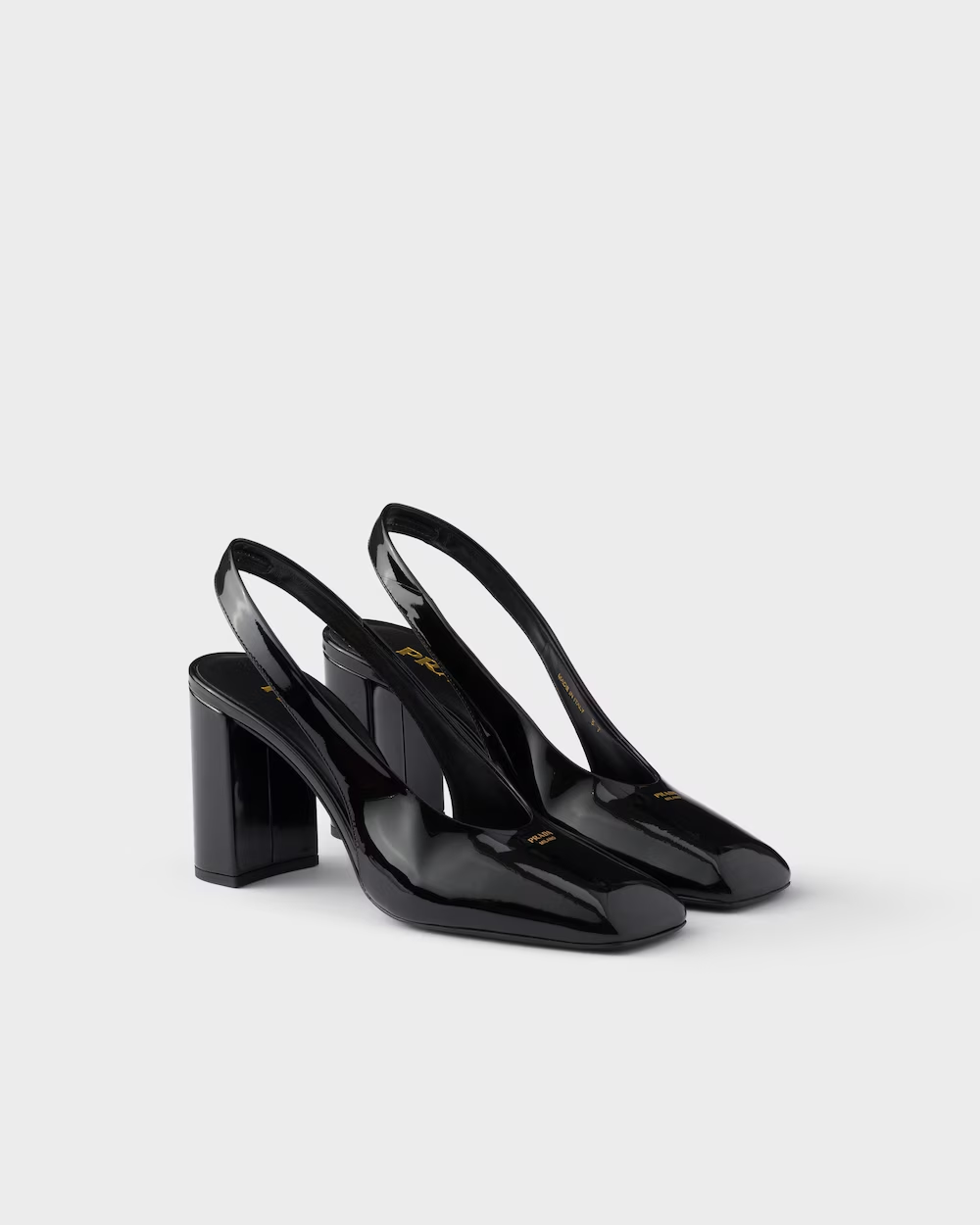
- Prada – modern minimalism, geometry, technical materials; Italian design without ornamentation, pure essence of form.
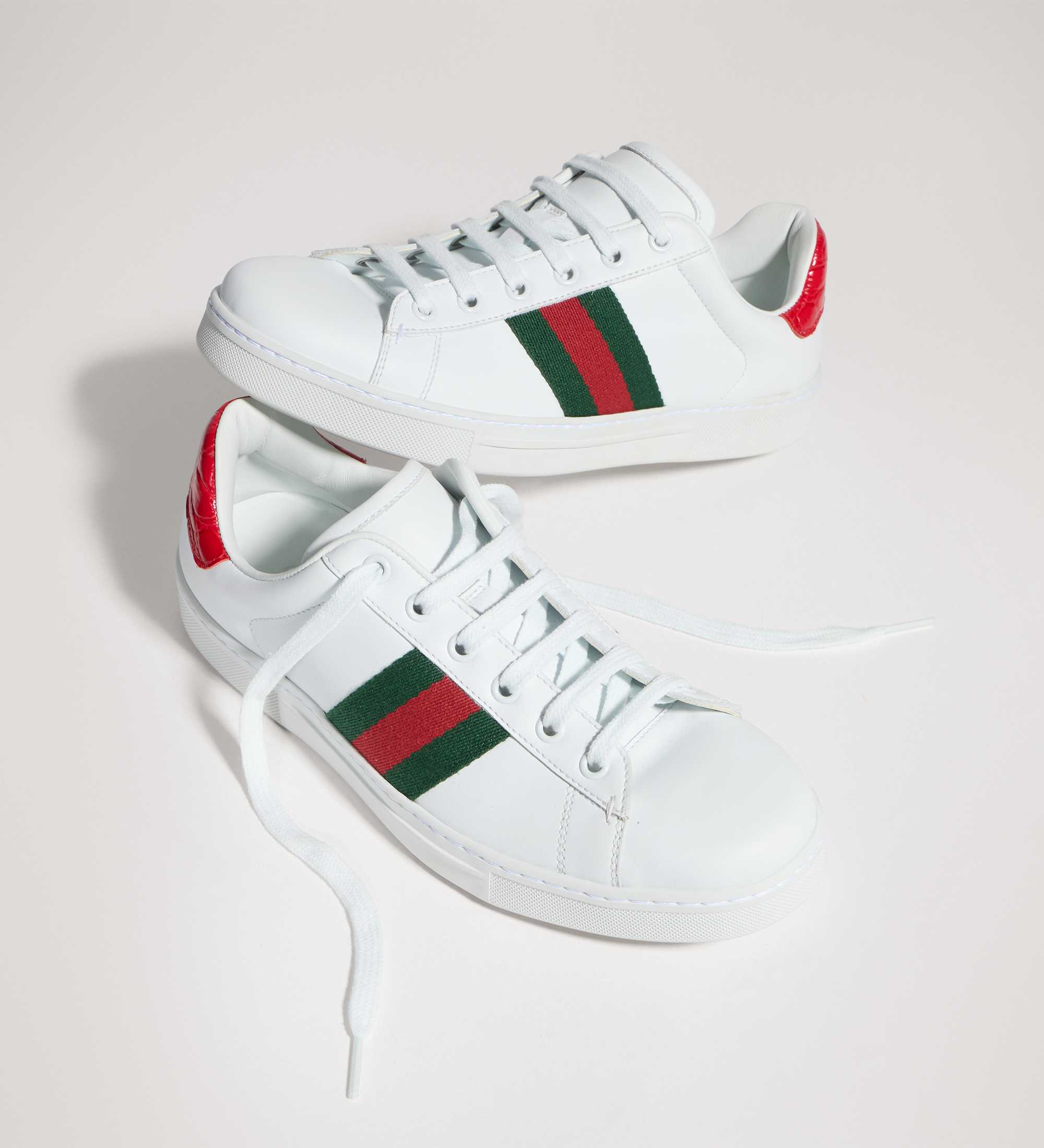
- Gucci – iconic loafers with a buckle, platforms, heels featuring the signature monogram; baroque energy meets retrofuturism.
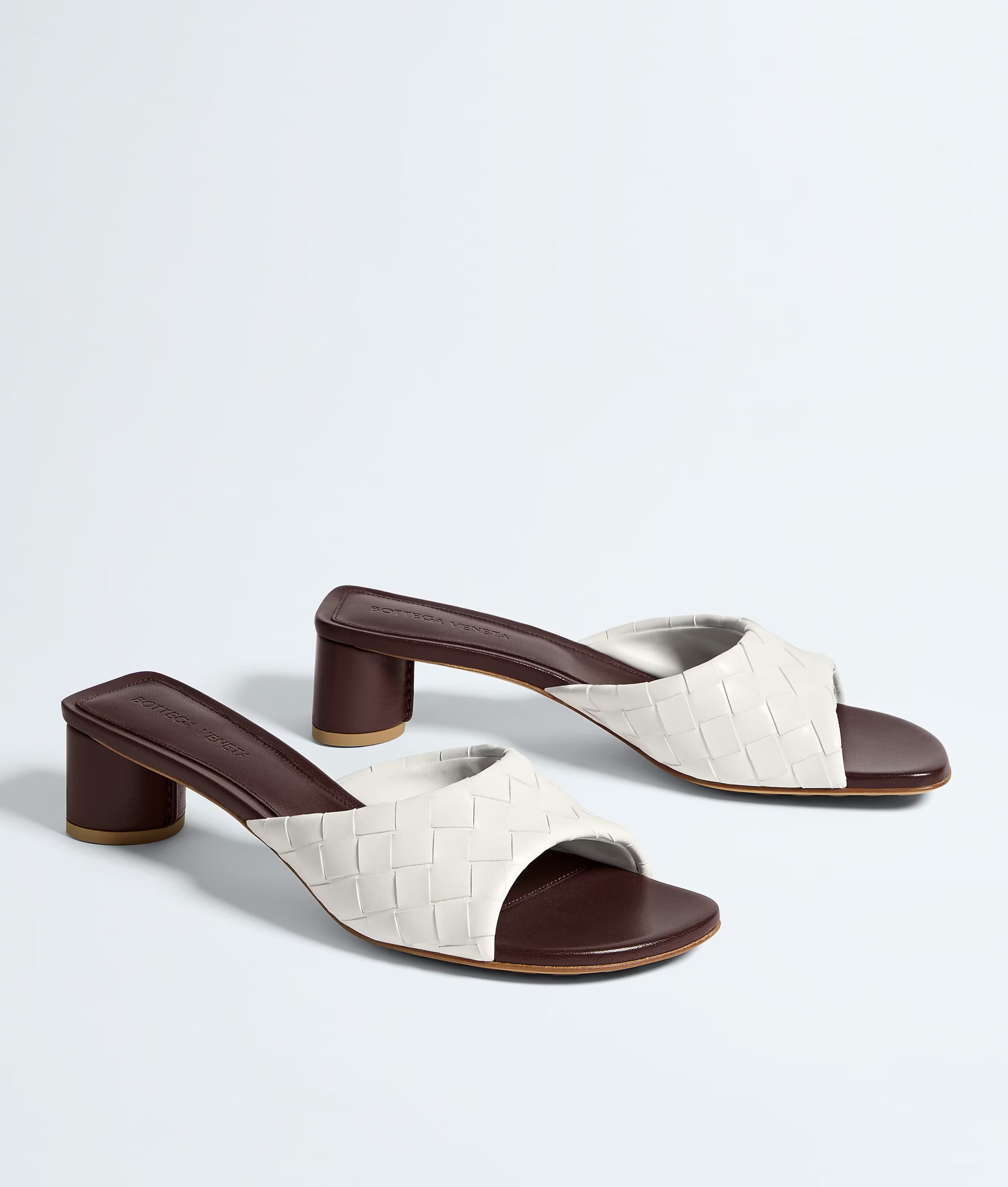
- Bottega Veneta – intrecciato (woven leather since 1975) is a logo-free signature you can spot from a mile away.
- Roger Vivier – inventor of the stiletto (1954), virgule (comma-shaped clasp), artistic French chic.
- Amina Muaddi – the flared heel (70/95 mm) is a new icon of recent years that has entered the canon alongside the classics.
Most of them manufacture in Italy, France, or Spain. That’s where the know-how and the finest craftsmanship are concentrated.
Prices, market, and production
The price of luxury shoes is determined not only by materials and craftsmanship. It also reflects brand prestige, limited editions, and the place of production. Most models in our ranking fall within the $600–2,000 or €600–2,000 range, but exclusive couture collections or bespoke shoes can reach $5,000–10,000+. Christian Louboutin and Jimmy Choo offer crystal-embellished models that easily exceed five-figure sums.
Price ranges and what you get for them
For 600-900 EUR, you get craftsmanship, top-quality leather, and recognizable design. Above 1,500 EUR, you enter the realm of limited editions, hand-finished details, and signature innovations (like the red sole or iconic embellishments). Custom made is a whole different league, where you pay for a unique design and dozens of hours of a shoemaker’s work.
Market, regions, and craftsmanship
The global luxury footwear market is currently valued at around 27-32 billion USD (as of 2025), with the women’s segment accounting for the vast majority. Forecasts for 2032-2033 indicate growth to 49-50 billion, with a CAGR ranging from 5.4% to 7.4%. Interestingly, luxury sneakers are growing faster (from 11.7 billion in 2025 to around 20 billion in 2034), but classic stilettos and pumps remain the core of exclusivity.
Geography matters. Italy (especially the Riviera del Brenta), France, and Spain are production centers where traditional handcraft techniques raise costs but guarantee quality. The Asia-Pacific region already generates about 35-38% of market share and growth, showing where the future of luxury consumption lies.
How to shop smart?
Comfort is no longer a compromise. Today, the top fashion houses know that shoes costing thousands must perform as well as they look. Here’s how to shop so you can enjoy every pair for years to come. Check out branded women’s footwear.
Fit above all
There is no one universal heel height. Amina Muaddi is known for her flared heels in 70 or 95 mm, which offer a wider base and really take the stress off your foot. If you have a wide forefoot, avoid narrow stilettos; a kitten heel will be better. Slingbacks and mules work well when you don’t want your foot to feel constricted all day.
Fitting? It’s best to do it in the afternoon, when your feet are slightly swollen. This will give you a true sense of whether the shoes will be comfortable in the evening as well. A platform makes sense with a heel over 10 cm, as it reduces the actual angle of incline.
Care and value for years
Premium materials require attention, but nothing complicated:
- Satin and nappa: gentle brush, no water (dry cleaning only). Avoid rain at all costs.
- Full-grain leather: nourishing cream every few wears, shoe trees after each use will maintain the shape.
- PVC and lacquer: soft cloth, store in a pouch away from heat.
- Heel protectors: worth investing in, especially for cobblestones.
Classics from Chanel or Hermès retain a resale value of 60-70% of the purchase price if you take care of their condition. Limited collections and waitlist models? These can even appreciate. Buy with tomorrow in mind—it’s not just fashion, it’s capital.
Between Art and Status
Exclusive shoes are not just about craftsmanship, aesthetics, or price. They are the sum of conscious choices that combine artistry with culture, and prestige with responsibility. When you buy Louboutins or Chanels, you’re investing not only in an item, but in an entire story, the brand’s values, and the way you wish to communicate with the world. It’s no coincidence that some models increase in value, while others quickly lose their allure.
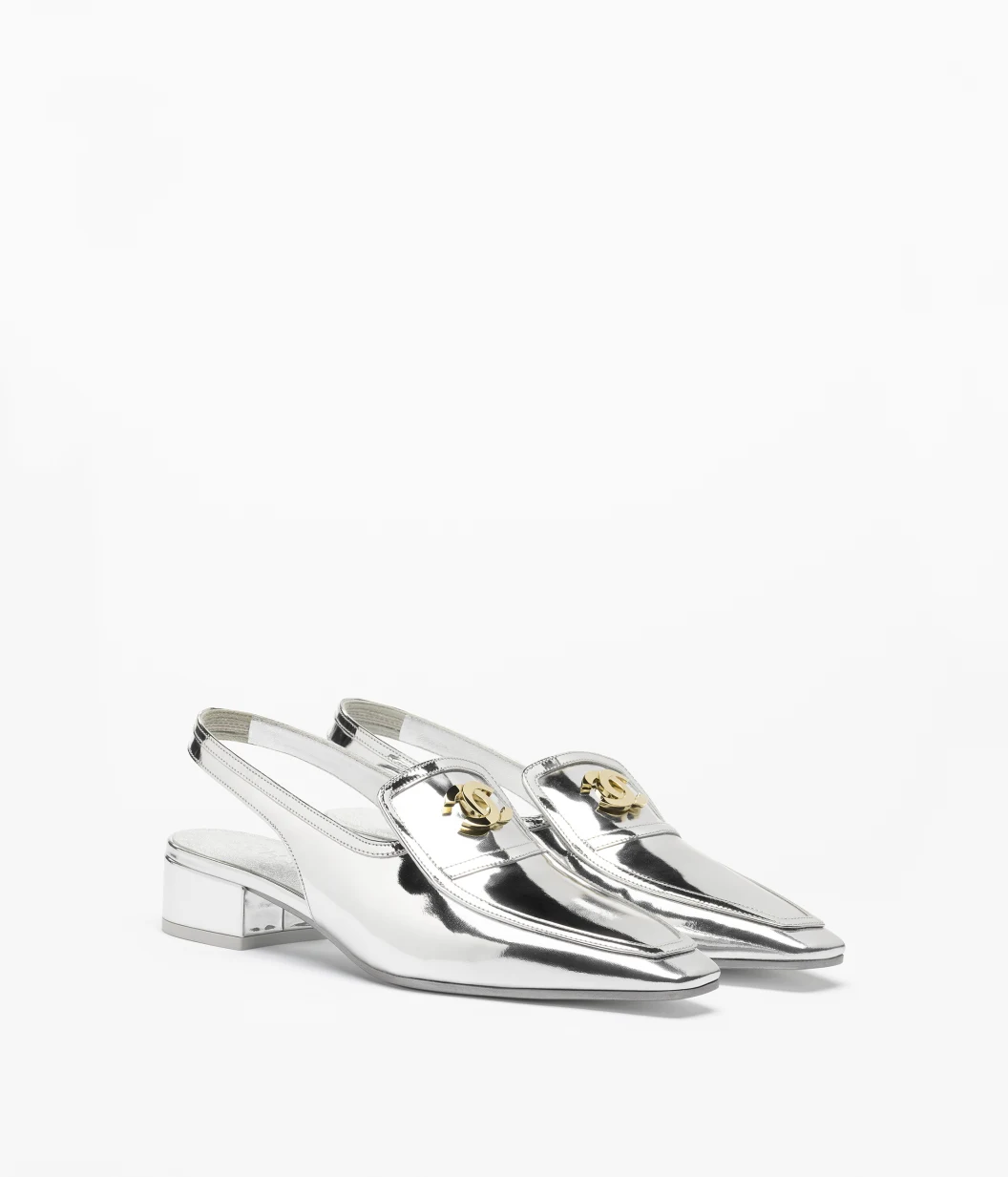
Luxury is no longer just about displaying status. Now it’s more about knowing what you’re buying and why it matters. Conscious use, care for materials, longevity instead of quick replacement. An aesthetic that lasts more than one season.
Red sole? It remains a symbol, but no longer just of prestige. It’s a sign that someone knows what they’re looking for.
Sonia
Luxury Reporter editorial team
