




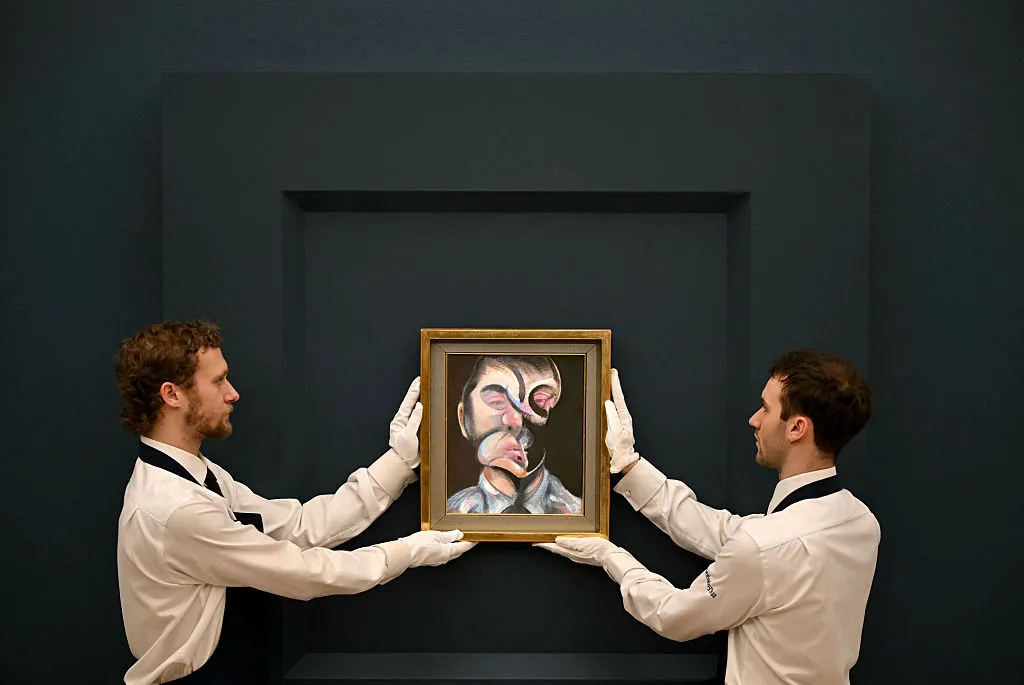
There are art auctions that attract collectors. But there are also those that become cultural, financial, and symbolic events all at once. The sale of a private collection falls into the latter category. Joe Lewis, the British billionaire, investor, and former owner of the Tottenham Hotspur F.C. club, is now selling his impressive art collection. What does this move mean, and how will it impact the art market as an investment?
Next month, the Sotheby’s auction house will present in London a collection of works estimated to be worth around 150 million pounds. This could be the most expensive single-owner collection ever sold in the city’s history. But behind these astronomical figures lies something far more intriguing than mere luxury.
This is a story about taste, risk, and a world that most people never get to see.
Joe Lewis. Art as the language of the truly wealthy
In the world of the ultra-wealthy, art has long ceased to be mere decoration. It is a form of capital, influence, and personal legend. The works do not hang there by chance — they are like manifestos of character.
The Joe Lewis collection looks exactly like such a manifesto.
It features names that have been shaping the history of European art for decades: Gustav Klimt, Francis Bacon, Lucian Freud, Amedeo Modigliani, and Edgar Degas.
This is not a collection designed for Instagram. There is no flashy modernity or “trendy names of the season.” Instead, it carries the weight of history, emotion, and names that have endured for generations.
One of the most important works is the portrait of Gertrud Loew by Klimt from 1902 — a painting that is not only beautiful but also marked by the history of the 20th century. Its subject, a Viennese aristocrat from a Jewish family, fled Austria to escape Nazism. The painting itself circulated among collections and foundations for years before it was returned to the family’s heirs.
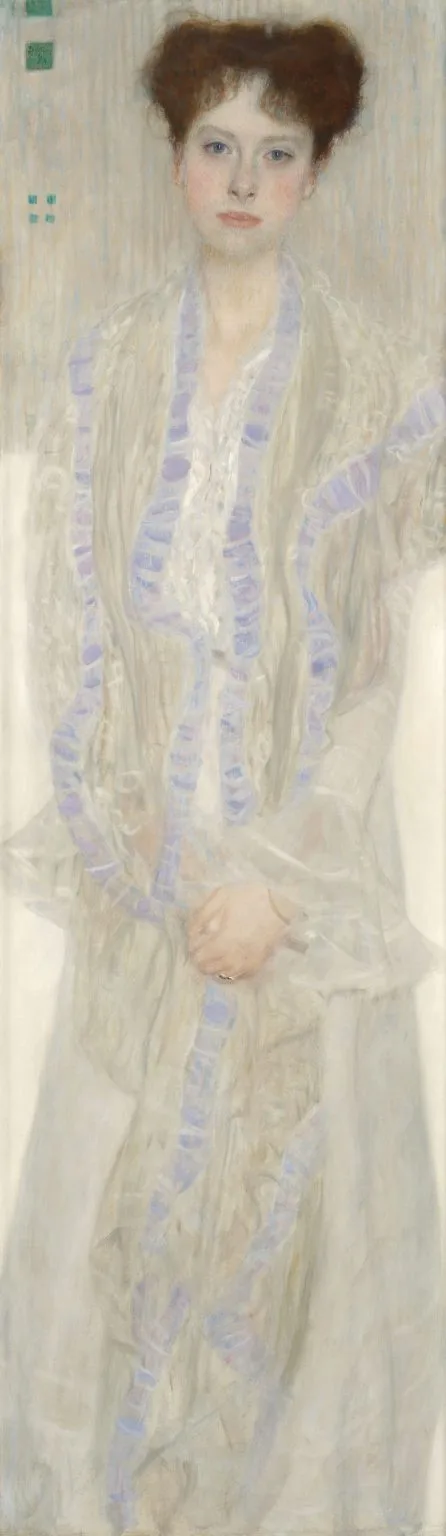
Sotheby’s values it today at around 30 million pounds.
Collectors and traders have more in common than it seems
Joe Lewis was not born into the world of galleries and private museums. He came into the world above a London pub and built his fortune as a currency trader. He made enormous amounts of money on market movements, making decisions where others were afraid to take risks.
And that’s exactly what you can see in this collection.
Francis Bacon with his brutally honest self-portraits. Freud painting people without embellishment. Modigliani creating melancholic, elongated figures. These are not “safe” works. What connects them is intensity — both emotional and aesthetic.
In a sense, Lewis’s collection resembles a well-constructed investment portfolio. It is not a random assortment of expensive things. It has character. Tension. Courage.
Luxury that doesn’t shout
The most fascinating aspect of this story, however, is something else. At a time when luxury is increasingly reduced to visible logos, exotic vacations, and cars showcased on social media, this auction serves as a reminder of an older definition of wealth.
Quieter. More sophisticated.
Truly great art collections often exist beyond the reach of cameras. They are hidden in private residences, family foundations, or freeport vaults in Geneva. When they appear on the market, the worlds of finance and art see it as the unveiling of a private empire.

And that is precisely why the sale of Joe Lewis’s collection is more than just another auction.
This is a rare moment when you can see the taste of a person who has handled billions for decades — and who, instead of buying fleeting trends, invested in things meant to stand the test of time.
