




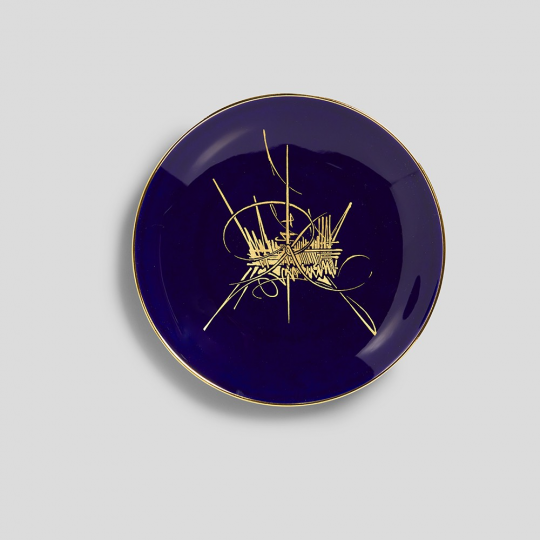
Porcelain has always been more than just ordinary ceramics. Its history intertwines the imperial courts of China, European palaces, alchemical experiments, vast fortunes, and an obsession with luxury. For centuries, it was a symbol of social status, elegance, and refined taste. It was admired almost as much as haute couture, jewelry, or contemporary art are today. It was not without reason that it was called “white gold.” It was rare, extremely difficult to produce, and coveted by monarchs across Europe. What are the types of porcelain, and why is this distinction so important?
It’s fascinating that what we now see as porcelain plates or the material for a coffee cup was once one of the world’s greatest technological secrets.
.
What exactly is porcelain?
At first glance, porcelain appears delicate and almost fragile, but in reality, it is one of the most durable types of ceramics. Its secret lies in its composition and firing temperature. Classic porcelain is made from a mixture of kaolin, quartz, and feldspar. However, the proportions of these ingredients may vary depending on the type of porcelain and the traditions of a particular manufactory.
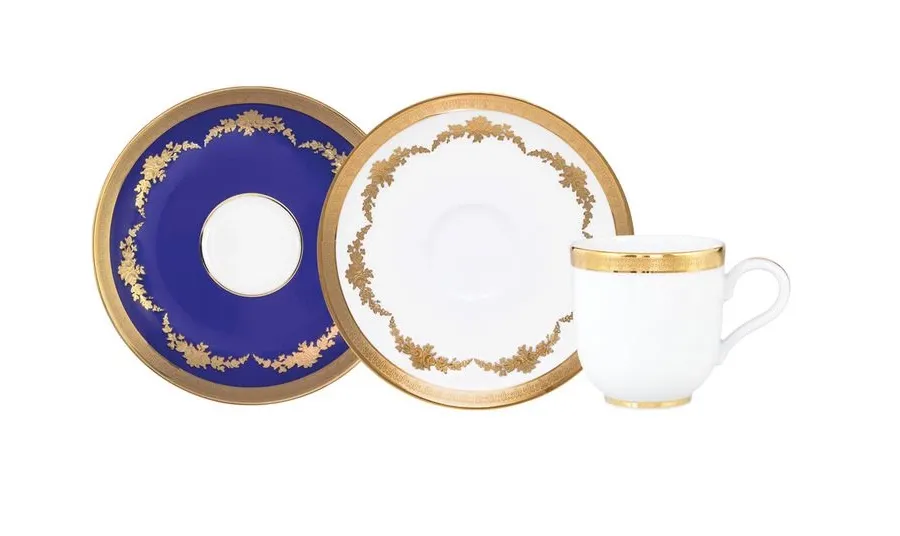
Kaolin, which is a very pure white clay, is responsible for the characteristic brightness and durability of porcelain. Feldspar acts as a natural flux. Quartz, on the other hand, gives the material its proper hardness. All of this is fired at temperatures often exceeding 1300 degrees Celsius. That is why porcelain becomes so smooth, resonant, and partially translucent when held up to the light.
And although many people believe that all porcelain is the same everywhere, in reality, there are several main types of porcelain. These differ not only in appearance, but also in composition, history, and purpose. So, what are the types of porcelain?
Hard porcelain — the European dream of perfection
The most classic type is hard-paste porcelain, considered the closest to historical Chinese porcelain. For centuries, it was the dream of European rulers and collectors. It is characterized by exceptional durability, a snow-white surface, and delicate translucency. Despite its thin walls, it is surprisingly sturdy.
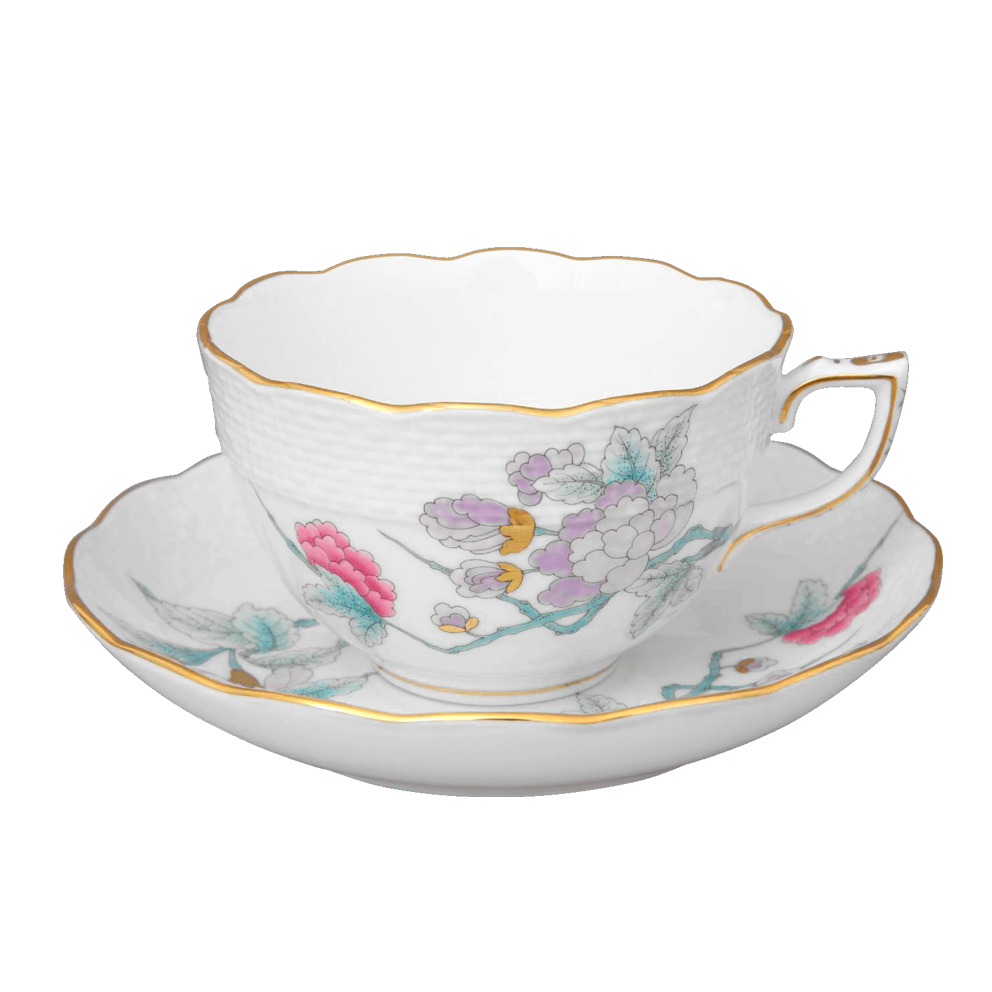
The history of hard-paste porcelain in Europe begins at the start of the 18th century, when Johann Friedrich Böttger — a man who was initially supposed to produce gold — led to the development of the formula for true European porcelain. The result of these experiments was the creation of Meissen, the famous manufactory, the first European producer of hard-paste porcelain.
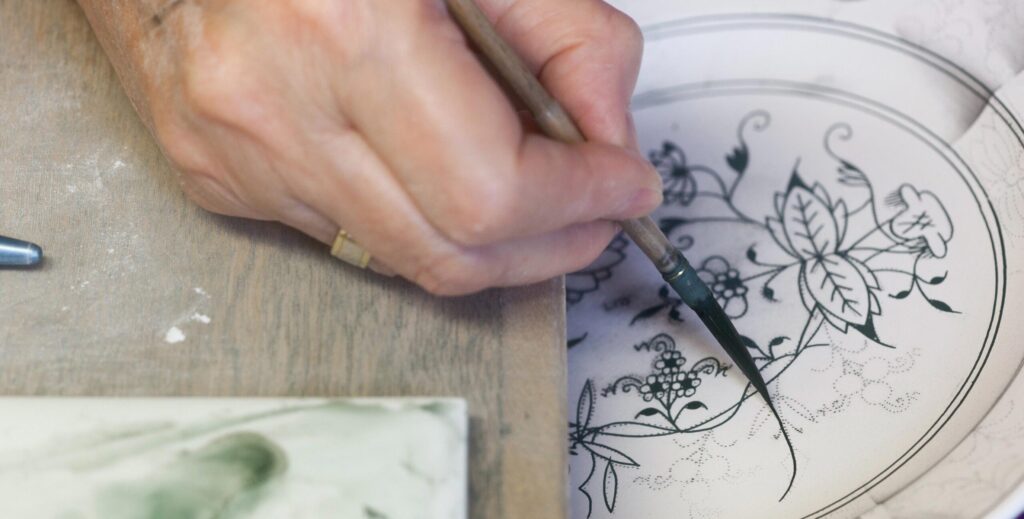
Meissen quickly became a symbol of luxury. At European courts, porcelain tableware, vases, and figurines were treated almost like jewelry masterpieces. In many palaces, special “porcelain cabinets” were even created to display the most valuable collections.
Soft porcelain — subtle and aristocratic
Before Europeans discovered the secret of hard porcelain, they tried to create their own versions of this material. This is how soft porcelain was born. Creamier, more delicate, and decorative.
Its composition was completely different. Among other things, ground glass, alabaster, or calcium were added to it. As a result, it was easier to shape and decorate, but at the same time, it was less durable than hard porcelain.
It was soft-paste porcelain that was the favorite material of the French and English elites of the 18th century. Sèvres pieces are still considered among the most elegant in the history of European craftsmanship. French artists were able to turn porcelain into true works of art. Their creations were full of pastel colors, gilded ornaments, and miniature paintings reminiscent of Rococo masterpieces.
In England, however, Chelsea gained great fame, with its figurines and decorative pieces admired for their lightness and theatrical character.
Bone china — luxury in its purest form
If there is a type of porcelain that can be called the most luxurious and exclusive, it is probably bone china, also known as bone porcelain. Its uniqueness comes from the addition of bone ash. This gives the material exceptional whiteness, lightness, and an almost silky delicacy.
It is bone china that lets light through most beautifully. Thin cups made from high-quality bone china can be almost transparent, yet they remain very durable. The British have perfected the production of this type of porcelain. That is why it has become a symbol of aristocratic elegance.
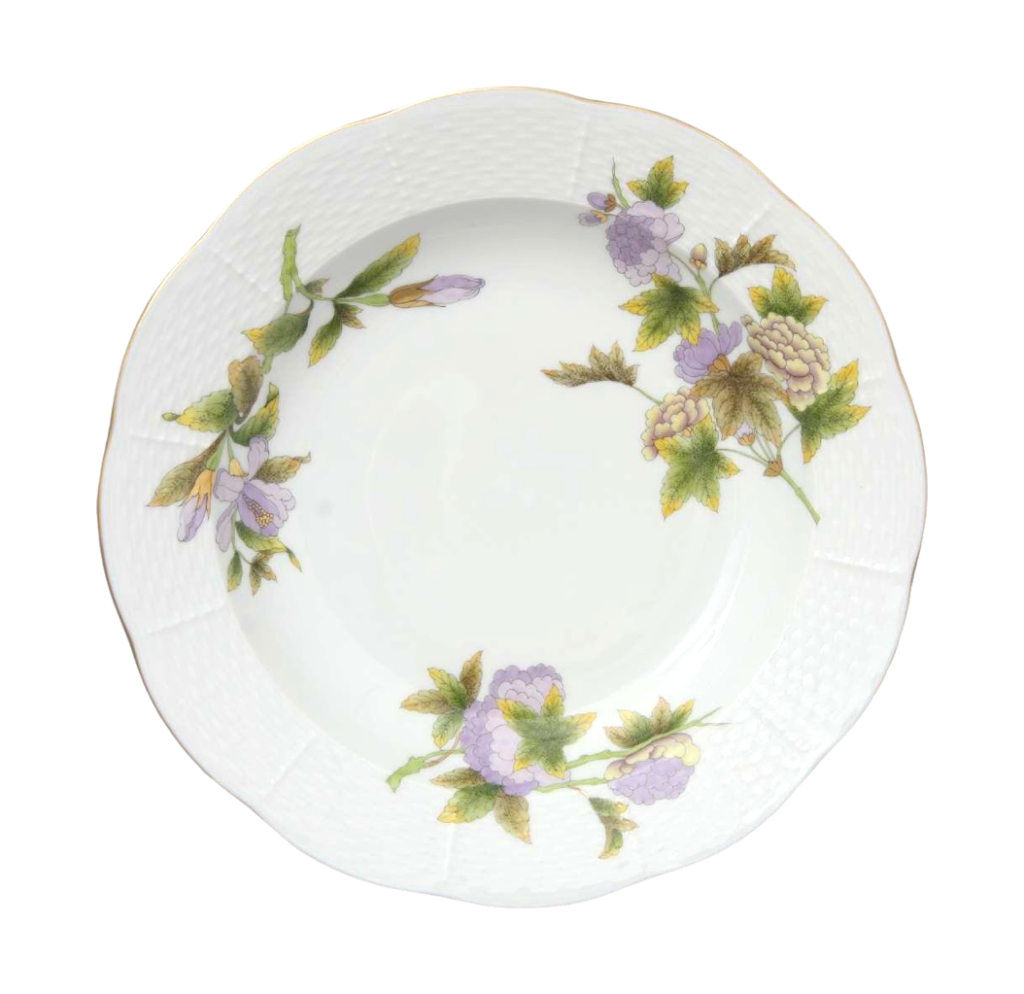
Brands such as Wedgwood and Royal Doulton have spent decades creating tableware used at royal banquets and during the most important state ceremonies.
China — the birthplace of porcelain
It is impossible to talk about porcelain without mentioning China, its true homeland. It was there that the technology developed over hundreds of years, which Europe was unable to reproduce for a long time.
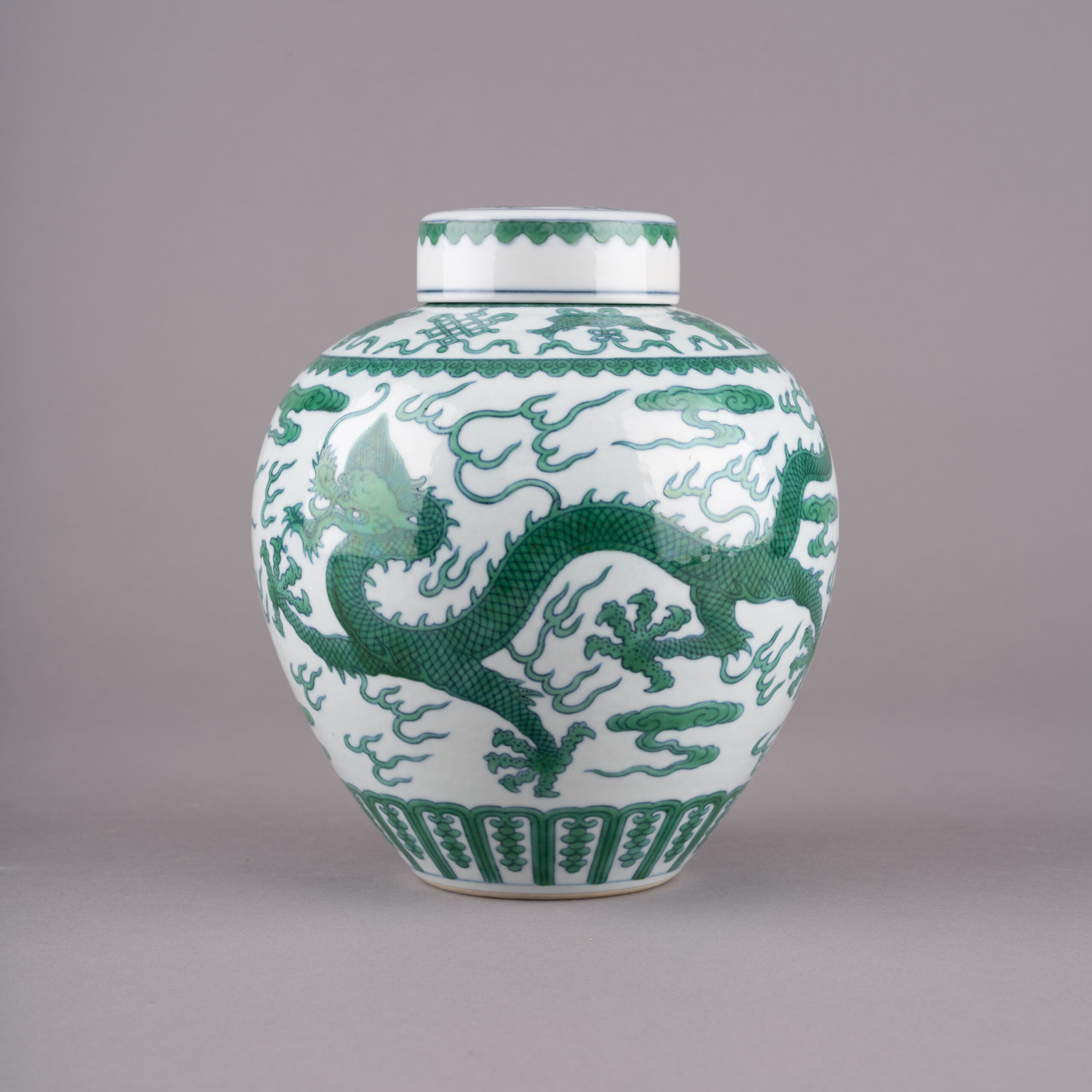
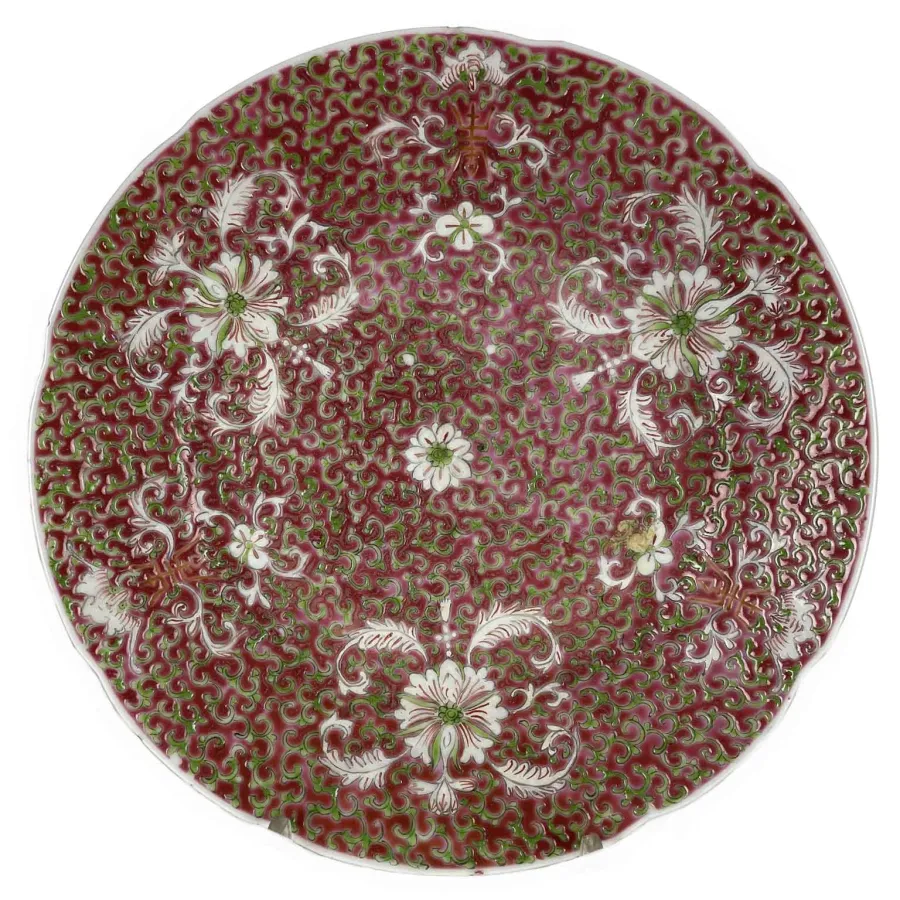
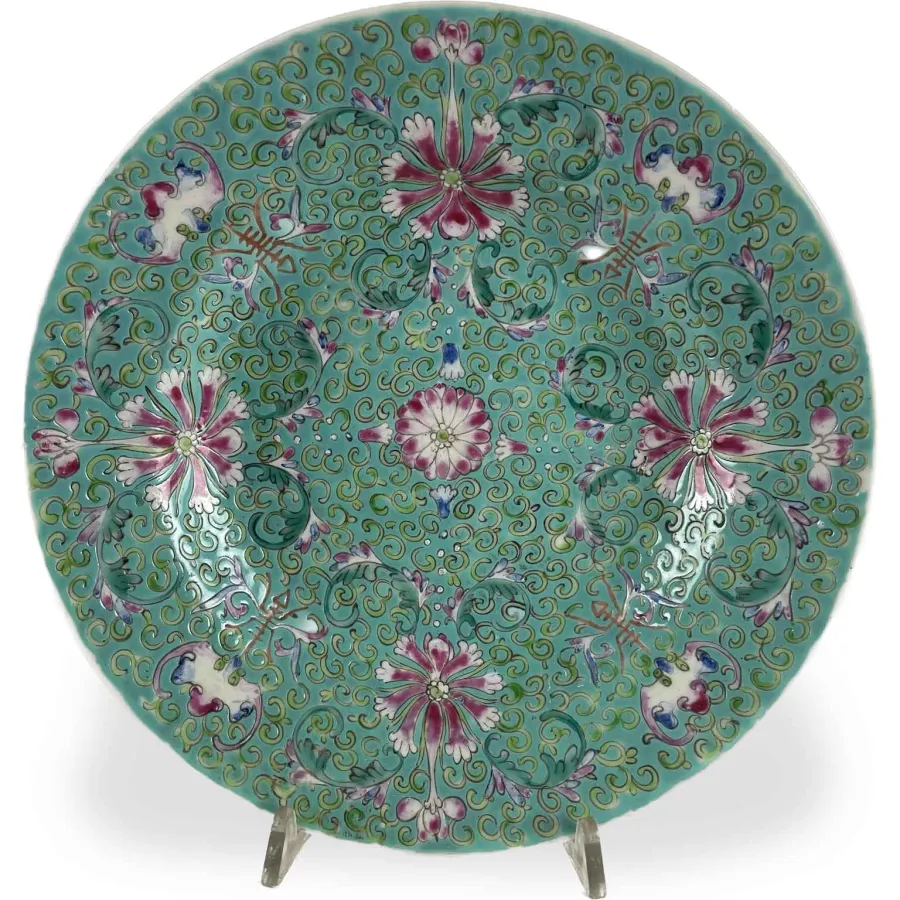
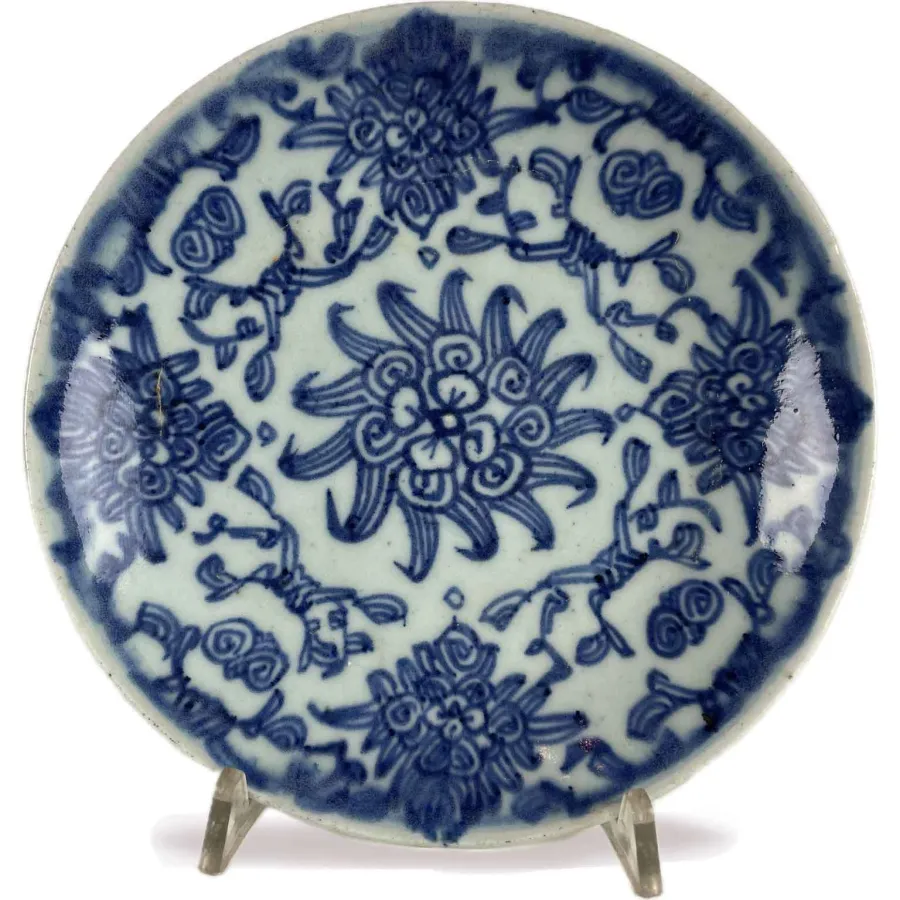
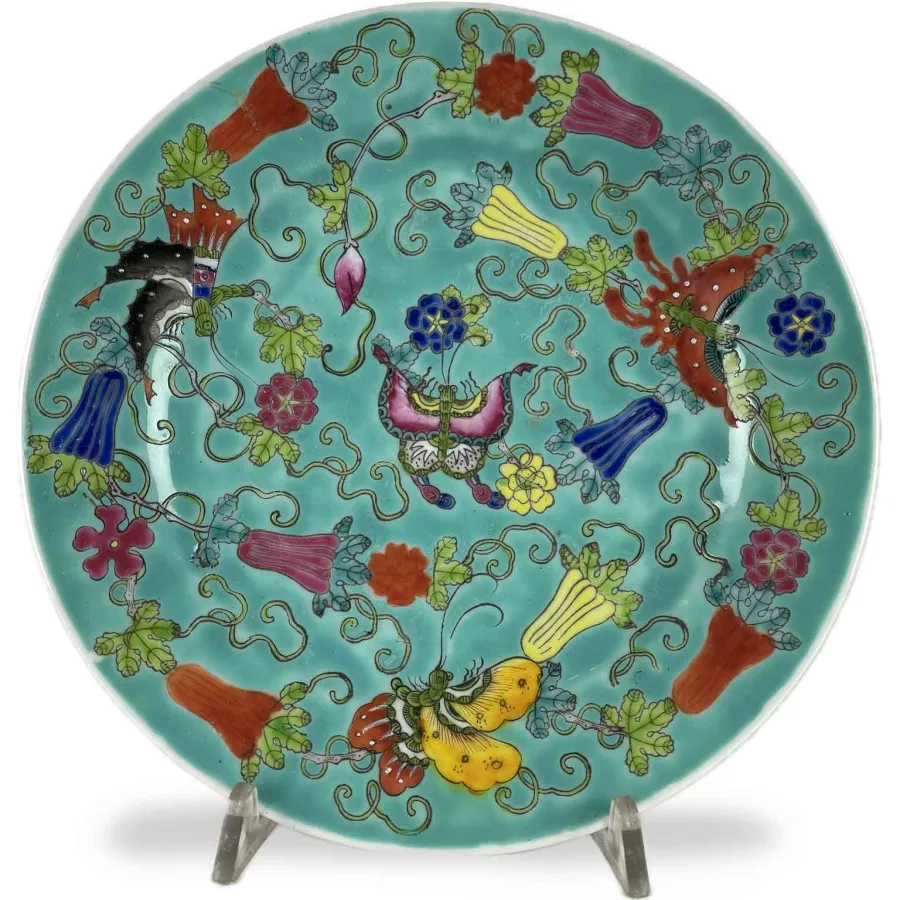
Chinese porcelain was more than just a luxury commodity. It served as proof of the empire’s technological superiority. The most famous pieces from the Ming and Qing dynasties amazed with their perfect proportions, subtle glazes, and intense cobalt blue. European monarchs paid fortunes for them, and merchant ships transported porcelain from Asia like the most precious treasure.
It is worth remembering that many motifs considered classically European today actually have their roots in Chinese aesthetics. Dragons, pagodas, exotic gardens, and asymmetrical decorations inspired European designers throughout the eighteenth century.
Japan — porcelain as poetry of form
The second great center of porcelain was Japan. Japanese manufactories, especially Arita and Imari, created a style completely different from the Chinese one. Less monumental, more subtle and restrained.
Japanese porcelain captivated with its asymmetry, lightness, and aesthetics inspired by nature and Zen philosophy. It is from Japan that many minimalist traditions originate, which are now admired by contemporary design designers.
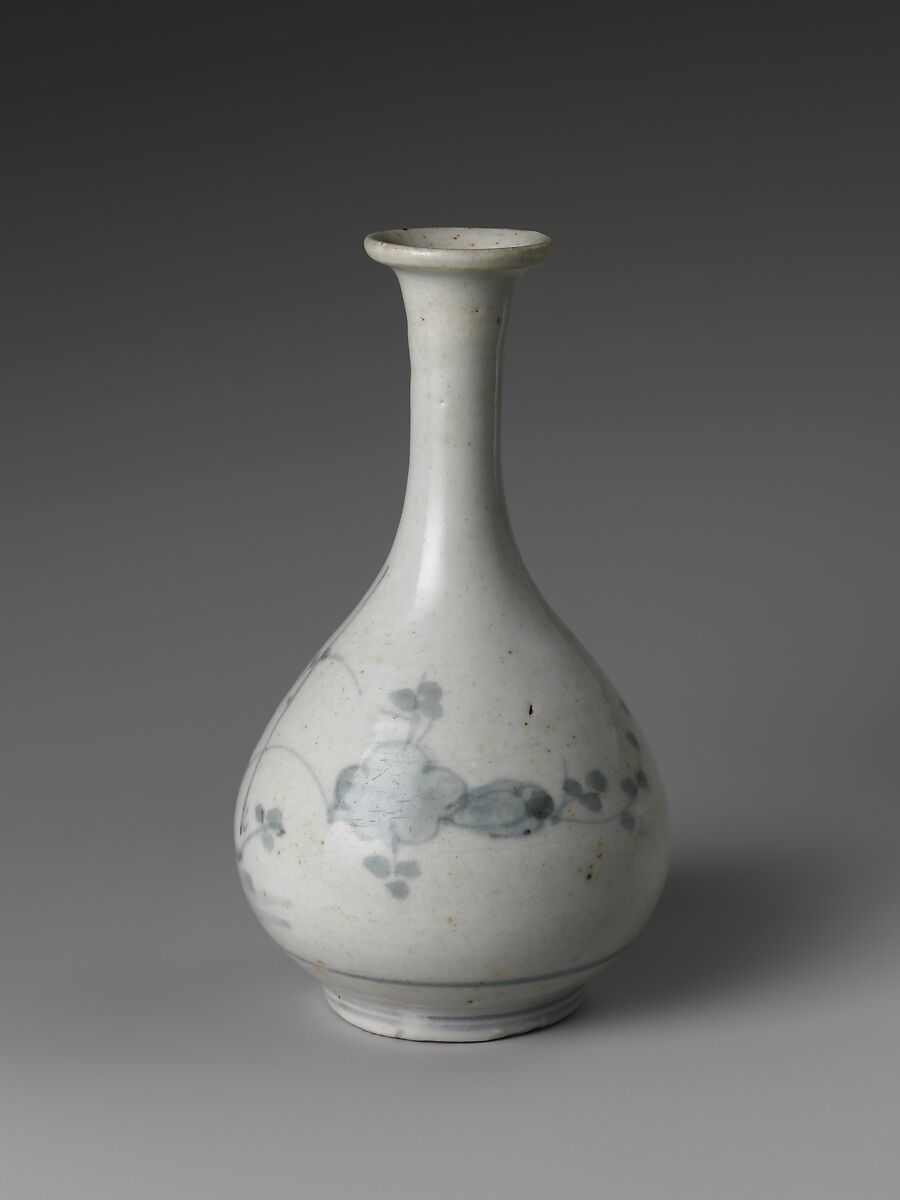
Europeans were absolutely enchanted by it. In the 18th century, the fashion for the Orient even led to the emergence of the chinoiserie style — a European interpretation of Asian luxury.
Types of porcelain are not everything; the most famous are the manufactories
The history of porcelain is also the history of great manufactories that, over the centuries, have developed their own aesthetics, formulas, and style.
The most important ones include:
- Meissen — the first European manufacturer of true porcelain,
- Sèvres — a symbol of French luxury,
- Royal Copenhagen — mastery of Scandinavian elegance,
- Herend — hand-painted aristocratic porcelain,
- Wedgwood — an icon of English tradition,
- Ćmielów and Chodzież — the most important brands of Polish porcelain.
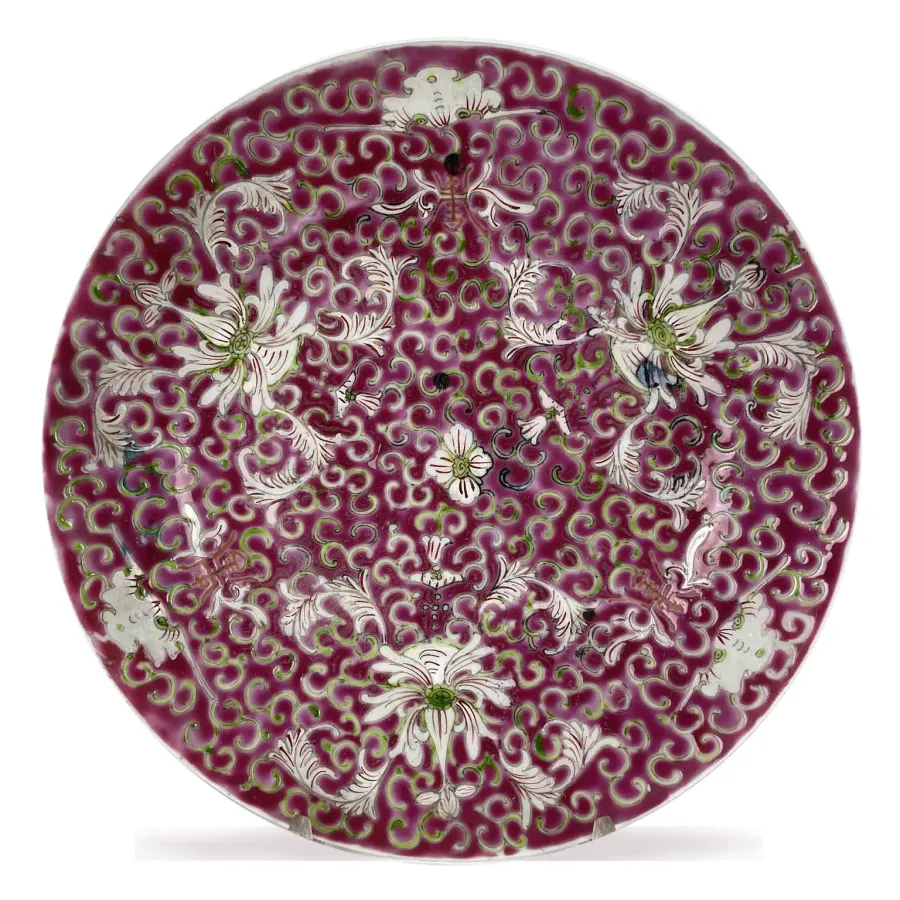
The history of Polish porcelain is particularly fascinating. Although it developed later than German or French porcelain, it quickly gained a reputation thanks to its thin-walled products and elegant decorations. Designs from Ćmielów from the Art Deco and Modernism periods still make collectors’ hearts beat faster to this day.
Porcelain as a work of art
The largest manufactories did not limit themselves to producing tableware. Porcelain very quickly became a fully-fledged field of art. Masters created vases, sculptures, and extremely valuable decorations from it.
Porcelain figurines from the 18th century gained particular fame. The delicate figures of courtiers, actors, musicians, or shepherdesses were small sculptural masterpieces. Every detail — from the folds of the dresses to the expressions on their faces — was modeled by hand.
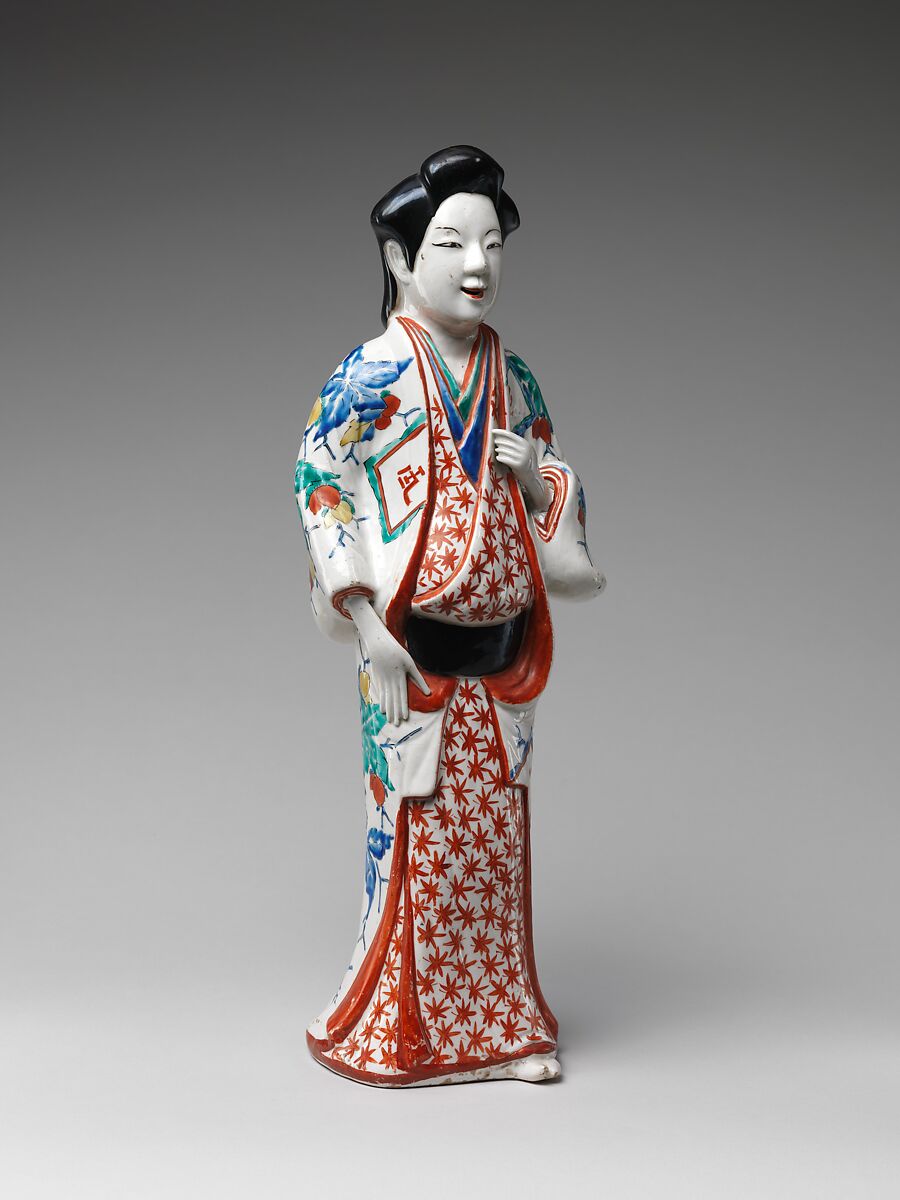
Porcelain was much more than just a utilitarian object back then. It was a manifestation of taste, wealth, and culture.
Why does porcelain still fascinate?
Maybe that’s precisely because it combines contradictions. It is both delicate and incredibly durable. Technical, yet artistic. Everyday, yet luxurious at the same time.
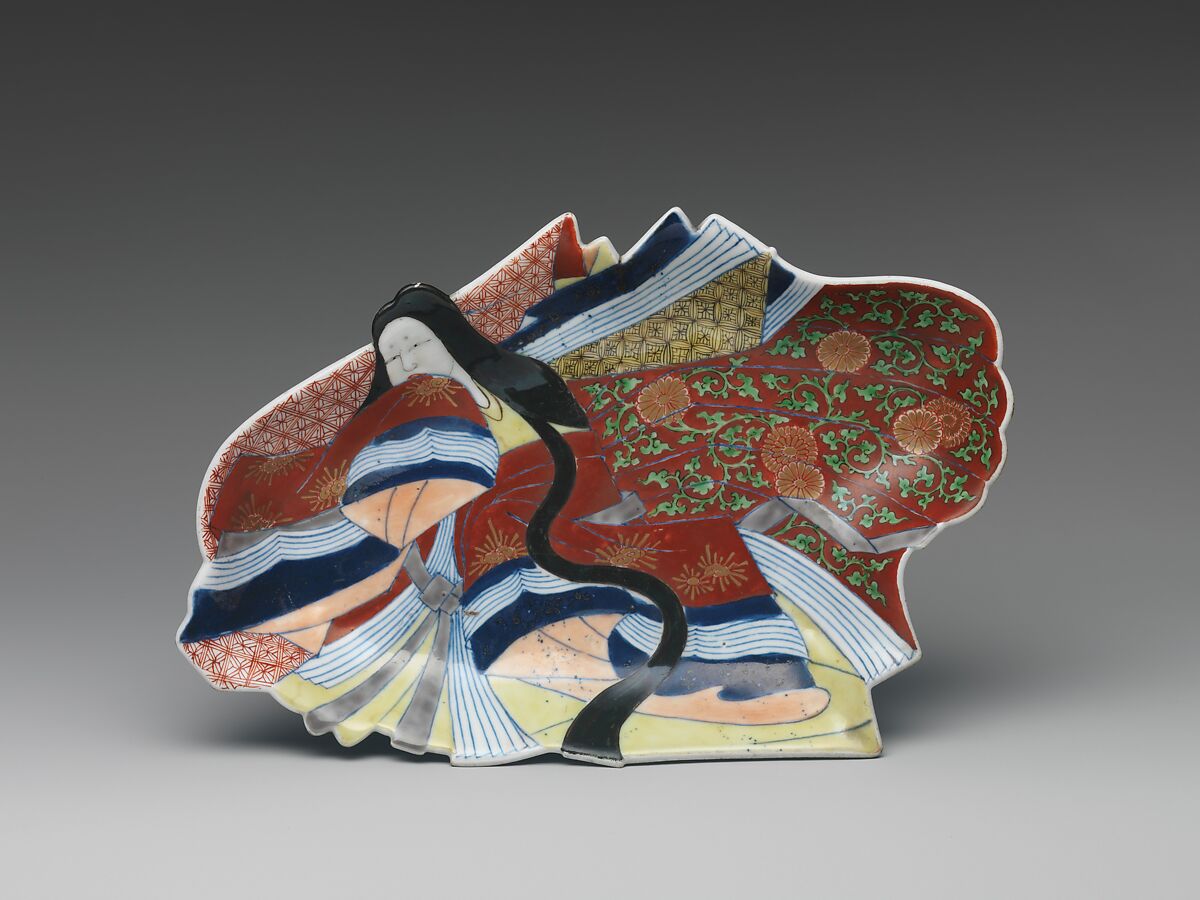
In a single porcelain cup lie the history of imperial China, the ambitions of European monarchs, the development of chemistry, painting, sculpture, and design. This is a material that has captivated the world for over a thousand years—and will likely remain a symbol of elegance, good taste, and timeless beauty for a long time to come. The types of porcelain, the manufactories—this is a story about ourselves.
