





Another earthquake in the fashion world? Piccioli leaves after just one season! Is Demna returning in the form of Martine Rose at Balenciaga? There are a lot of sensational headlines in the press today. But what is the source of these changes, and what could Martine Rose bring to Balenciaga?
In fashion, a founder’s name can be both a legacy and a burden. Especially when their house has managed to create several completely different identities. Balenciaga is just such a case. Cristóbal Balenciaga revolutionized haute couture. Demna transformed the brand into a cultural phenomenon of contemporary fashion. Pierpaolo Piccioli believed in precise tailoring at the highest level, and now the reins are being taken over by Martine Rose — a designer whose language grew out of London subcultures, menswear, and street observation.
This change raises the question: what exactly are Balenciaga’s clients choosing? And are these changes the result of exploration or a panicked attempt to save the budget? Especially since, in the background, there is a sales crisis at Gucci, which, like Balenciaga, is part of the Kering group.
Cristóbal: architecture instead of decoration
Cristóbal Balenciaga was an architect of form. He was fascinated by the space between the garment and the body, volume, construction, and the line of the shoulders. The way fabric could independently shape the silhouette. The Sack Dress from 1957, the cocoon coat, or the balloon dress were not just new variations of women’s attire. They challenged the order in which clothing was meant to emphasize the assets of femininity.
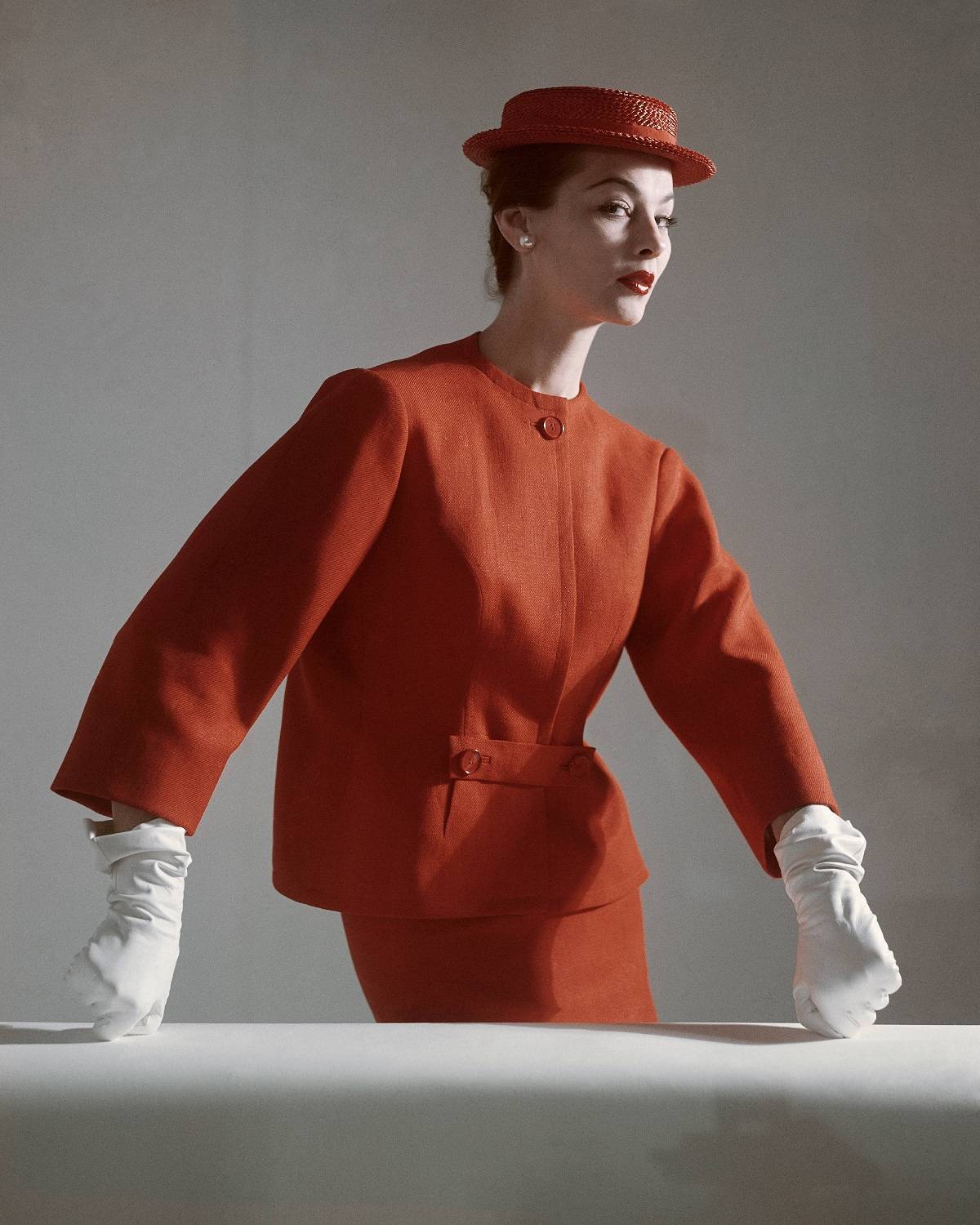
Balenciaga offered elegance: sculptural, intellectual, at times almost abstract. Its strength lay in construction and perfection of execution. His courage in challenging proportions and his belief that clothing can change the way we perceive the body were groundbreaking. And at the same time, extremely elegant and feminine. These are the qualities that particularly attract my attention.
Demna and Cristóbal: more in common than aesthetics suggest
At first glance, it’s hard to imagine a greater contrast than between Cristóbal and Demna. The former worked with the highest quality fabrics, atelier precision, and couture architecture. The latter introduced oversized hoodies, deconstructed tailoring, dirty sneakers, street aesthetics, internet irony, and images of contemporary dystopia to Balenciaga. Triple S, Speed Trainer, and oversized silhouettes have become hallmarks of the house’s new era.
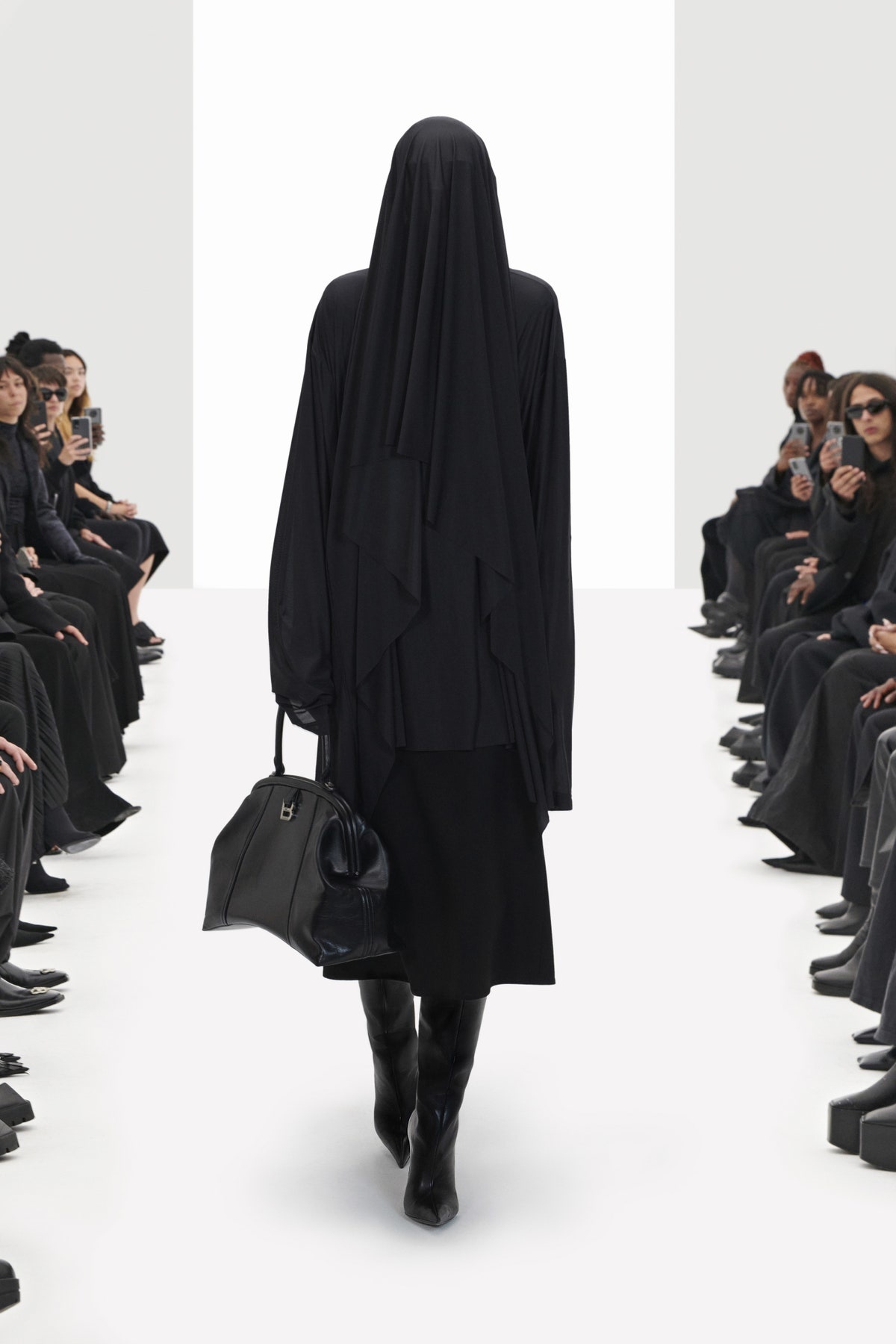
However, reducing Demna to a designer who replaced haute couture with streetwear would be an oversimplification. There is a shared vision between Balenciaga and Demna: a reluctance to accept established proportions and ready-made definitions of elegance. Both treated the silhouette as a field for experimentation. Their tools and cultural contexts differed, but they shared the ambition to change the way people think about clothing. And to experiment with the rules.
Demna also did something that cannot be judged solely by aesthetic standards: he created a contemporary image of Balenciaga that began to exist far beyond the runway. The brand became part of internet culture, music, street style, and the conversation about new luxury. For many younger customers, Balenciaga today means oversized silhouettes, sneakers, and provocative detachment. This is not the whole story of the house, but it is its most recognizable contemporary layer.
Piccioli: a return to method, not to costume
Pierpaolo Piccioli came to Balenciaga with a different background. For years at Valentino, he developed a language based on color, emotion, and couture mastery. What he presented in his first collection was a highly complex concept. In 2025, he began his story by reinterpreting the Sack Dress, one of Cristóbal’s most important designs. However, it wasn’t about recreating an archival silhouette. Piccioli spoke of the founder as an architect, sculptor, and painter who explored the body through form. He wanted to understand his way of thinking, not to stage a show of museum-like references. That’s why he juxtaposed couture construction with everyday wardrobe elements: denim, sweatshirts, or sports shoes. His Balenciaga was meant to be a meeting place for the house’s avant-garde tradition and the contemporary language built by Demna. I must admit honestly, this vision really resonated with me. That’s why the announcement of his departure came as a sad surprise.

Why did this attempt last so briefly? Piccioli left after about 16 months. Kering did not provide an official reason for the split, so it is difficult to say whether it was due to sales results, differences in vision, or lack of customer acceptance. However, his courage and visionary approach cannot be denied.
Martine Rose at Balenciaga: the designer of masculinity in Cristóbal’s house
Martine Rose at Balenciaga – I must admit, it’s not a surprising choice. Mainly because she has already collaborated with the brand. Between 2015 and 2018, she worked with the house as a consultant on menswear collections during Demna’s tenure. She is therefore familiar with the cultural background of contemporary Balenciaga. However, she has her own sensibility and language.
The British designer founded her own brand in London in 2007. Her clothing draws inspiration from observing local communities, music, clubs, raves, football stands, and everyday dress codes. She is interested not so much in the perfect silhouette as in the character of the person wearing the clothes.
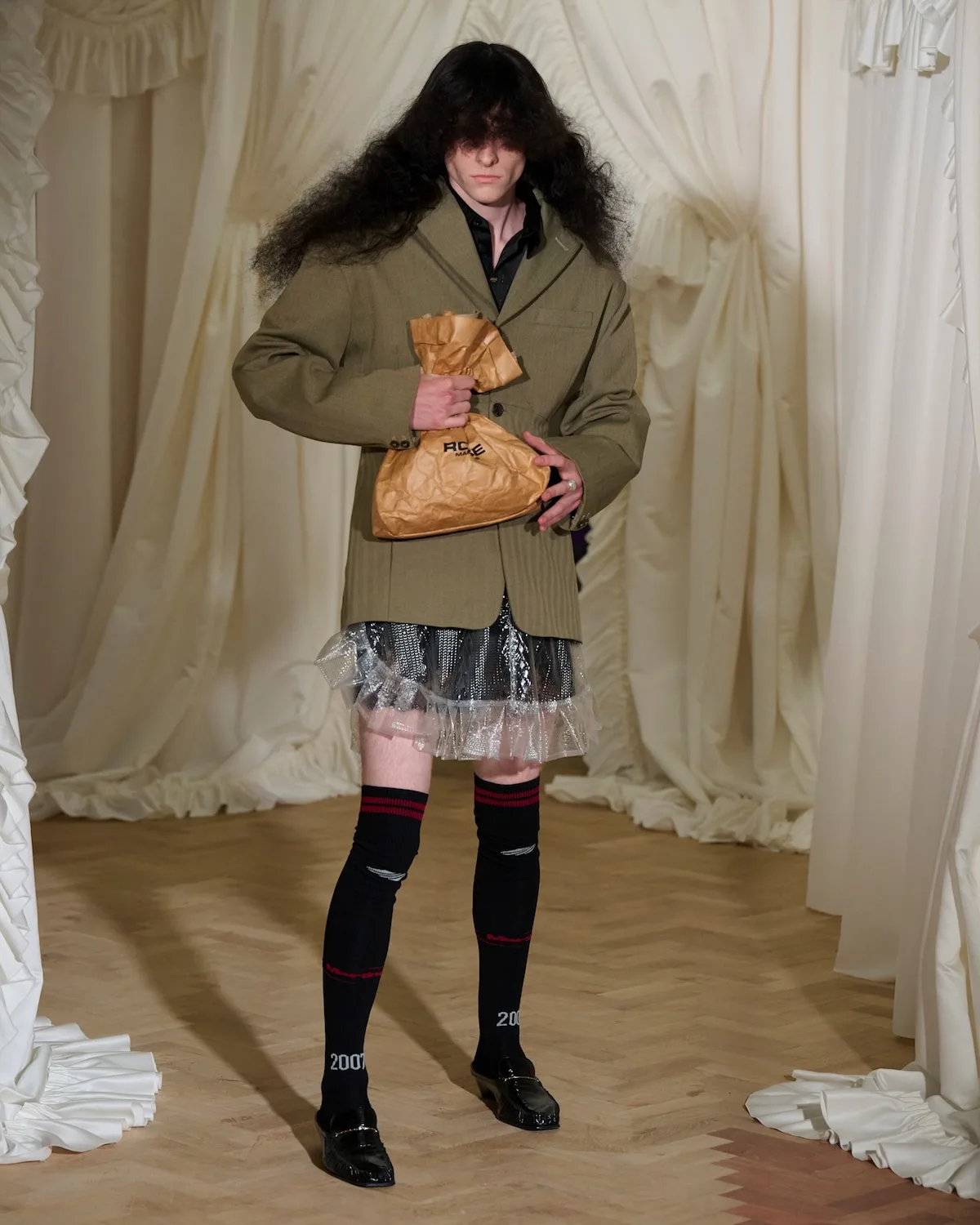
In her collections, the suit is often exaggeratedly oversized, the shoulders broad, the trousers cut in unexpected ways, and sportswear gains a new context. Rose reminds me of a scientist exploring the definitions of masculinity and the social meanings of clothing. She is not an outsider to Balenciaga, either. There is an intriguing paradox in this nomination. Cristóbal created one of the most influential visions of the female silhouette in fashion history, Piccioli developed the language of feminine couture, while Rose is known primarily for menswear and reinterpreting masculinity. She is the first woman to hold the position of creative director at Balenciaga.
Who do customers choose?
This question may be somewhat provocative, but ultimately even haute couture fashion houses translate everything into budgets. And that’s becoming increasingly difficult. Clients buy specific products, recognizable codes, status, and a sense of belonging to a culture. When announcing Rose’s appointment, Kering emphasized her connection with the younger generation and her intuitive understanding of culture. This signals the group’s strategic ambitions. Rose has a chance to maintain the cultural energy of Demna’s era, but hopefully, she won’t be a copy. Her task will be to translate her own language to the scale of a global luxury house and to find a balance between cultural credibility and products that clients will actually want to buy.
Balenciaga doesn’t have to choose between Cristóbal and Demna. Almost everything separates their aesthetics, but they share the belief that fashion shouldn’t simply reinforce existing rules. Piccioli tried to remind us how radical construction can be. Rose may remind us that culture can be just as radical.
